Last Updated on November 18, 2024
What You’ll Learn In Episode 238:
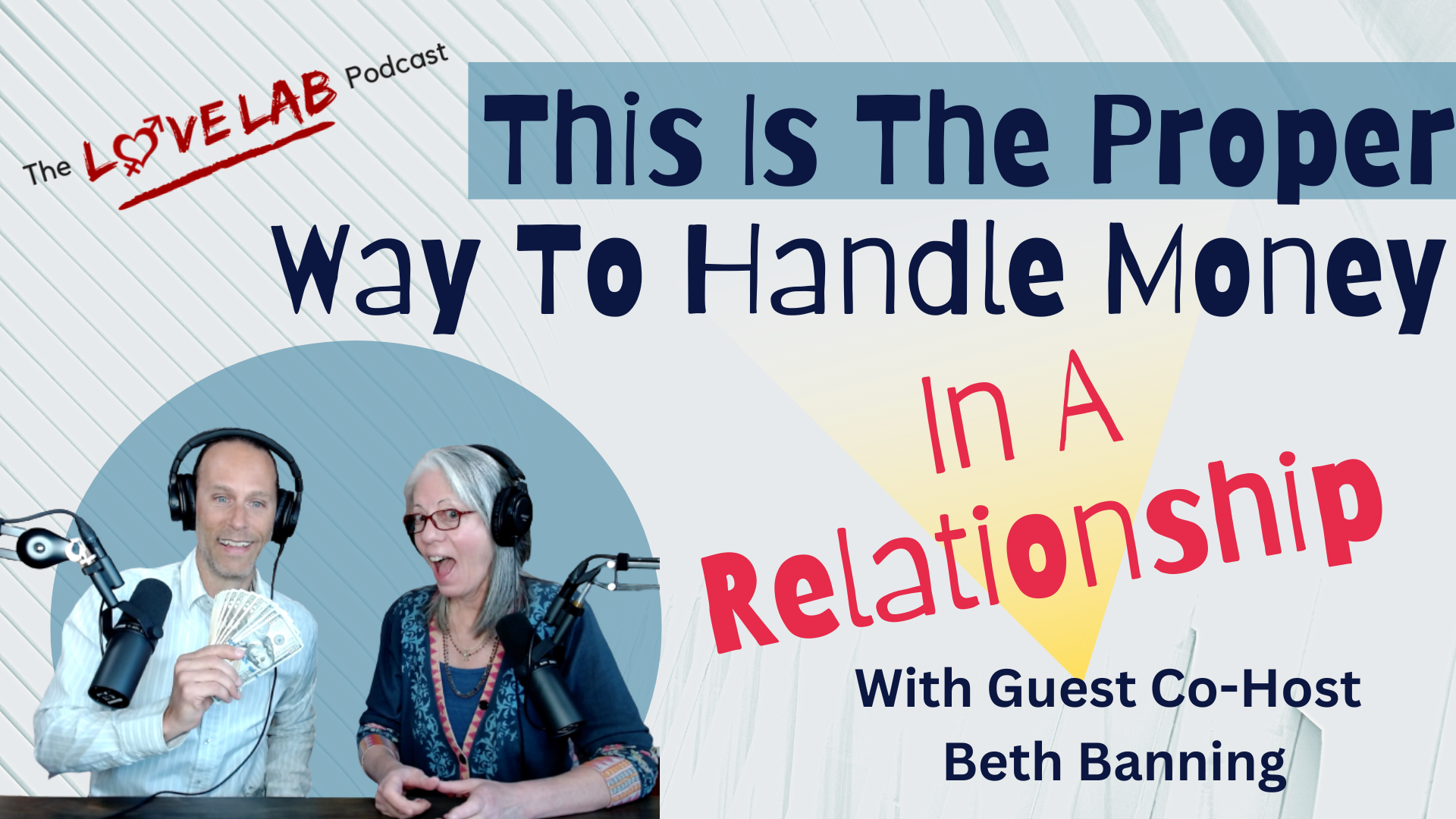
Did you know that financial issues were cited as the primary reason for divorce in over 60% of cases? Even if money issues don’t lead to divorce, they are one of the top issues in many relationships. In this episode, Kevin Anthony and guest co-host Beth Banning talk about the common money issues that couples experience, the biggest mistakes couples make, the negative effects these issues/mistakes can have, and most importantly how you can avoid and/or solve these problems. They give you real-world strategies to handle money like a pro with your partner.
Links From Today’s Show:
To Find Out More About Beth Banning Click The Link Below:
https://incitecoachingacademy.com/
❤️ FREE EXCLUSIVE CONTENT ❤️ The Passion Vault → https://www.kevinanthonycoaching.com/vault
🔥 BECOME THE ULTIMATE SEXUAL ROCKSTAR 🔥
https://www.powerandmastery.com/sexual-mastery
👉🏼 MAKE HER WEAK AT THE KNEES
If you are ready to make big changes and finally become the man you have always wanted to be, then Unleash Your Inner Warrior Program is for you → https://www.kevinanthonycoaching.com/go/warrior
👉🏼 COUPLES COACHING WITH KEVIN ANTHONY
https://www.kevinanthonycoaching.com/sex-coaching-couples/
👉🏼 OUR HAND-PICKED PRODUCTS FOR YOU
We have hand-selected some great products to help support your Health, Sex Life, and Relationship! Purchasing products from us and/or our affiliates helps support the work that we do and ensures we can continue to help as many people and couples as possible! → https://www.kevinanthonycoaching.com/products/
Kevin Anthony 0:11
Welcome to the Love Lab podcast a safe place to get real about sex. Whether you’re a man or woman, single or couple, this is the show for you.
Céline Remy 0:20
We are your hosts, Kevin Anthony and Céline Remy and we are here to guide you to go from good to amazing in the bedroom and beyond.
Kevin Anthony 0:28
All right, welcome back to the Love Lab podcast. This is episode 238. And it is titled this is the proper way to handle money in a relationship. So when we get into the stats, which is one of the first things we’re going to cover on the show, you’re going to really see just how important money is in a relationship. And what is interesting about that is in 237 episodes, we’ve covered just about everything that you can think of in regard to sex, love, and relationships. But I don’t think we’ve ever actually done a whole show on this topic. And given how important it is in relationships, I kind of feel like that’s a bit of an oversight.
But we are correcting that today. And we have a guest host with us who I will introduce in a moment. If you’re watching on video, you already see her here in the studio with me. First, though an ad from our sponsor, do you want to join the secret club of men who are great in bed and check out power and mastery, it’s the most complete sexual mastery training for men, whether you want to have harder, erections last longer or increase your sexual skills, there is something for you at power and mastery.com. If you’ve been listening to this show at all, for any length of time, you know that that is the men’s sexual mastery course that Céline And I created. It is awesome. And you should go check it out at power and mastery.com. Now, I have a guest host with me today, this is not an interview style. You’ve heard me talk about this on the show before that I wanted to bring some guest hosts in to spice things up and have some different opinions and create some dynamic. So we’ve got that today. And I’m going to let our guest host introduce herself.
Beth Banning 2:11
That’s me, I get to introduce myself. So I’m Beth Banting. And I have been working with people couples for I don’t know, almost 30 years now. Blows my mind. I know. So when my husband was alive, we did a lot of work with couples. I’ve transitioned into certifying coaches in the model we developed. And this was really fun because I loved when we worked with couples. And when we were talking, we decided to do this thing on money, which is very near and dear to my heart. Because my parents fought about money constantly. Ah ha ha silly. And what I love is that it doesn’t just well don’t love but I love helping to transform it is that you’re problems or challenges with money don’t just affect you as a couple, it affects your whole family.
Kevin Anthony 3:08
That is very true. So as we go along on this topic, I would love to hear some of that personal experience, I’ll share my personal experience with selling too, and how we dealt with money and how that affected our relationship. Which, you know, for us, it was super easy, but I like I’ll explain why that was loved. And people will think hopefully get that. So let’s just dive in and kind of set the stage about how important this subject is. So we have some stats here. I’ll read them because they’re really small.
So we have some stats on money, marital problems, and divorce. So a survey conducted by the American Academy of matrimonial lawyers found that financial issues were cited as the primary reason for divorce in over 60% of cases. It’s insane. 60% of divorces the primary reason meaning the number one reason people got divorced was money. Crazy, right? Completely crazy. Crazy Crazy, because in my personal opinion, and we’ll talk about this, especially when we get towards the end of the show where we’re really going into how do you deal with it, but there are things that can so easily be fixed.
Beth Banning 4:20
I know. It’s you know, really it is a society thing. We don’t talk about money.
Kevin Anthony 4:25
That’s really a big part of it. Okay, so that was one survey conducted. All right, wait there’s more. There’s more. A study published in the Journal of family and economic issues found that couples who reported high levels of financial strain were more likely to divorce than those who reported low levels of financial strain.
Beth Banning 4:45
It talks to that first survey.
Kevin Anthony 4:49
Yeah, well, all of these are basically to some extent saying the same thing right, this will mess you up. Right. So a study published in the Journal of marriage and family found that couples who reported disagreeing About money at least once a week were over 30% more likely to divorce than those who reported disagreeing about money less frequently. And then the last one, a survey conducted by creditcards.com found that money was the second most common cause of arguments among couples behind only parenting issues. And if you don’t have kids, then it’s obviously number one.
Beth Banning 5:22
Obviously. I heard one more on the way here, believe it or not. 25% of couples, they’re calling it financial infidelity. I thought that was very interesting, right? It’s lying about money. Yeah, 25% of a couples, there is some financial infidelity in your relationship.
Kevin Anthony 5:43
Right? You know, that doesn’t surprise me. So you know, like, we’re all involved in social media, to some extent, right, and so on social media, I’m in some of these groups for hobbies and things that I enjoy, one of which is music and guitar, everybody can always see the one guitar that pokes out in the corner over here, right? There’s a bunch more. You can’t see them all. But I often see them in these groups, showing photos of this new guitar they bought and then commenting about the wife doesn’t know how much it cost, you know, or you guys talking about strategies about like, your The trick is you keep them in the cases in the class, and then she doesn’t know how many you have, you know,
Beth Banning 6:26
And I hear women talking about shoes the same.
Kevin Anthony 6:30
You know, that was slim to none, that never would have worked, because we knew literally anything and everything about each other. And there were literally no secrets whatsoever. And she knew exactly how many guitars and exactly what each one was and how much they cost. Because we talked about all this stuff, like See,
Beth Banning 6:44
That’s the important part. But we’re gonna get to that.
Kevin Anthony 6:46
We are gonna get to that. Okay, so I think at this point, at least listeners understand how big of an issue this is. And I’m pretty sure that the overwhelming majority of people listening because most of the people that do listen to this show, tend to be monogamous couples. So I think they’ve all experienced this to some extent,
Beth Banning 7:08
In one way or another. Right.
Kevin Anthony 7:11
So the next thing we want to talk about is some of the common money issues. So like, we know, money is a problem, because we just established that with all of the stats that we gave, but how does it show up in relationships? What are the actual things that happen that cause those high divorce rates? So number one on the list, different spending habits, so one person may be a saver while the other person is a spender.
Beth Banning 7:38
This is the opposites attract? And then I see it in most relationships really don’t go in having like the same spending habits, you really don’t I don’t know. I’m curious how often that opposites attract really shows up here.
Kevin Anthony 7:56
Yeah, you know, like, when you’re getting to know somebody, and you’re forming a relationship with them, and you’re dating them. I mean, spending habits may come up, but it’s not like, it’s not something that you would see. In other words, let’s say you’re on a dating app, and you’re filling out your profile, they don’t ask you, are you a saver or a spender. Right, like, it’s not one of those criteria that people generally would talk about. And usually what happens is, you get attracted for whatever reason, and now you’re together. And then you find out you have different spending.
Beth Banning 8:27
Well, you can notice in dating, though, and it can also be like a lie. Because you know, you go out on a date, you want to put on your best, you know, and look and so you can be a lot more generous. You know, you look at that generosity, how you are spending habits, you see it, you can see it. But
Kevin Anthony 8:45
But that’s kind of why I say then you find out right, right? Because the reality is that one you don’t know in the beginning you’re completely blinded by all the chemicals of the new attraction, right? Like they can do no wrong. Everything’s great for the first year.
Beth Banning 9:00
And this is why I’m lucky to be older. Because those chemicals are a little less exciting, right? So I like I’m watching because I’m doing the dating thing now. And I can see things I just didn’t see when all those hormones were just going crazy. I’m like, I’m way more picky.
Kevin Anthony 9:17
Good. Yeah, that comes with experience.
Beth Banning 9:20
I’m good with it.
Kevin Anthony 9:23
All right, let’s move on to number two unequal financial contributions.
Beth Banning 9:28
That’s a tricky one more for men tending to be but this, this is a tricky one.
Kevin Anthony 9:32
And here’s what I’ll say about this. Traditionally, in the past, it was always unequal right, the man or the majority of the money, the woman, if she worked at all didn’t work much didn’t have the same level of job didn’t contribute financially as much to the relationship but that was the accepted norm. And so nobody really had a problem with that except when the husband was too controlling and wouldn’t allow the woman to actually have any money.
Today we’ve got the opposite problem,
All kinds of problems.
Yes, all kinds of problems. But the opposite problem in the sense that we’re trying to make everything completely equal. And now there’s this idea that both people in the relationship have to contribute equally financially. And sometimes that works. And sometimes it doesn’t. So just like an example, with Céline, and I, we both actually made about the same amount of money the entire time that we were together. And so we didn’t do it on purpose. It’s just when you looked at it, we were both. And we’ll talk about strategies for how we manage that money.
But the idea is, we actually were both contributing the same. However, as much as she loved the work that she did. And she loved doing, you know, sex, love, and relationship coaching with people and helping them change their lives. She also really loved just being a housewife, she made it really clear that if she didn’t have to work, she would just work with clients occasionally. And she would love to just, you know, do the laundry, cook, take care of the home, and she loved that. Right. And so one of the things I said to her is, you know, first of all, we live in Southern California. Yeah, how do you live in Southern California without two incomes?
Beth Banning 11:18
I was gonna say, with a lot of money, that’s how you live here.
Kevin Anthony 11:20
Yeah, or you both have to work, right? I mean, that’s just the reality of life. And so I had always told her if we can get our business to the point where you don’t have to work, and you can just do that I would be perfectly fine with that. I had no problems with it being completely unequal. But in today’s society, that’s kind of like a no, no.
Beth Banning 11:46
Well, you know, I, you know, the other problem with that is there are a lot of women making a lot of money right now, a lot of women. And so really, there is a problem on the mass, you know, the side of the men I hear where they feel uncomfortable, not because it is so out of the norm, do you know, so like them making less money. And you had said something about that, there is this 5050 thing where everybody thinks they need to make the same amount of money, but I don’t know how often that actually happens.
Kevin Anthony 12:19
I’m just telling you, that’s the pressure from society. Everything today in relationships, everything’s got to be equal. I vacuumed the floor this week, you do it next time, I make this I contribute this much money to the relationship, you contribute that much money? Well, you have to make it up somewhere else. Yeah. So I mean, if we’re talking 50/50 thing, that’s the problem. Yes, that is the problem. So and I think actually, in last week’s episode, I was talking about this, or maybe it was the one before that, about, you know, my definition of equity instead of equality in a sense that, you know, for a relationship to really work, it’s not a 5050 split everything, it’s, you, you put in the same amount of effort in, right. But you know, in one case, one person might do more of the cleaning, but the other person does more of the, I don’t know, fixing maintenance of the thing, you’re not putting in 5050 Exactly the same, but the amount of energy that you’re putting in should be roughly the same.
Beth Banning 13:18
And the other thing that happens too, is the truth is sometimes it’s really skewed one way at a certain, like a certain time for sure. And then and then it gets filled in at other times.
Kevin Anthony 13:31
Yeah, one person gets laid off from their job, the other person covers it for six months until they get a new job. One person has a health challenge. They can’t work the other one covers that.
Beth Banning 13:39
For sure. And it’s the scorekeeping to that becomes the problem. You know, if you’re looking to like that, that score has to be even down like somehow in a certain amount of time, that becomes a problem.
Kevin Anthony 13:49
For sure. I mean that’s a perfect example. Let’s say one person gets laid off right, and the other person has to cover it, you don’t do scorekeeping. See now that you have a job you have to contribute and now I get a chance to take out six months up. No, it doesn’t work like that. So all right, next on the list is lack of communication, failing to have open and honest communication about money. This is what we’re talking about with these guys buying expensive guitars and burying them in the closet so their wife doesn’t know.
Beth Banning 14:19
And we don’t talk about money in this society. Yeah, we just don’t. It’s like, it’s one of those taboo subjects, which better stop because this is really I think we’re the biggest part of the problem comes in.
Kevin Anthony 14:31
Well, it is a huge part of the problem. I mean, for so many reasons, we could probably spend the next 15 minutes just talking about
That, or a whole show.
But you know, in today’s society, the importance of money is so huge just in life in general. You know, most people, this was a couple of years ago, and I’m sure it’s gotten worse since then. But you know, just a couple of years ago, they did a survey and found out that the average family Wouldn’t afford an extra $500 expenditure a month $500. When you’re working on margins that are that tight, conversations around money become critically important. It’s not like you’re a millionaire, right? Where if you blow 1000 bucks here, $10,000 or $100,000, it doesn’t really matter doesn’t change your life, when you’re working on margins of like, wow, we can’t afford a $500 car repair this month, it’s probably got to have these conversations, and avoiding them is only going to make things worse.
Beth Banning 15:31
And that is usually you either avoid them, or you talk around them, you know, which is a problem too.
Kevin Anthony 15:39
For sure. So avoiding them, obviously, it’s a problem. But I like the point that you bring up about talking around them. Because you may not be telling the whole story.
Beth Banning 15:50
And you think you’re making agreements when you’re not making it well.
Kevin Anthony 15:58
All right, next lack of financial transparency. If one person hides their financial situation, that infidelity thing, we’re not being transparent about their spending. We’ll talk about it so there is a strategy. And I’m sure that you’ve heard this, you probably even did the same thing. But there’s a very easy strategy for this.
Beth Banning 16:18
I’m curious, go for it now.
Kevin Anthony 16:21
Alright, well, I’ll mention it now. We’ll talk about it more later. But this whole idea of transparency, why would somebody not be transparent?
Beth Banning 16:32
I can tell you. I didn’t know whether it was a real question.
Kevin Anthony 16:39
Well, it is a real question, but we need to answer it in order to explain why the strategy works.
Beth Banning 16:44
So my answer is, the biggest reason we don’t do that upfront is that well, there’s actually a couple of reasons. But it’s all comes down to fear of losing out on something right losing a relationship, losing your self-esteem, losing your safety, it’s all about fear of losing.
Kevin Anthony 17:05
Great, that’s a great answer. So yeah, people are not transparent, because there’s some fear under there about, oh, maybe I shouldn’t have spent that or oh, maybe he or she’s gonna be angry at me because I did that. Or, Oh, she wanted to remodel the bedroom, but I blew it on a $5,000 guitar, right? You know, like, that’s, those are the reasons why people aren’t transparent. But the simple solution and the one that Céline And I did, the entire time we were together was like, Okay, so we’re each making money. We know how much it takes to run our lives as far as what the expenses are. We contribute to that. And whatever’s left over, we get to do whatever we want with, you know, I just, I don’t crave her she doesn’t question me. If I buy an expensive guitar, she’s like, cool. Does it make you happy? Awesome. The only time it would be a problem if I said, I can’t pay the bills. Yeah, that would otherwise add to the problem. I never questioned her about anything.
Beth Banning 18:09
I have a question that so when you were like wanting to save for something, then you just kind of decide how much that became the part came out of that, that extra finances that you guys could spend any way you want it?
Kevin Anthony 18:29
Exactly. And for different projects, we would have a discussion. So like, for instance, we did like three sorts of room redecoration remodel projects in a row in one year. And that kind of price. Yeah, they do. And I really wanted to buy a new mountain bike that year. kind of pricey. Exactly. But you know, this is the sort of thing where this is, this is how it works. When you were a couple, we sat down and talked about what we really need what is most important, and where should we put that money.
And so I put off buying a new mountain bike for another year because I understood how important it was for her like, Okay, here’s, here’s the big thing that she really, really, really wanted. She really wanted a new bed. This was like, super important to her. But if she had very high standards, it needed to be organic and like no fire retardant chemicals as the law requires, and like yeah, the mattress bed frame matches, like basically we kind of redecorated the whole master bedroom is what ended up happening.
Beth Banning 19:31
Because we get one thing something else needs to get better.
Kevin Anthony 19:34
But the thing is, I’m like, okay, a new man bag would be great. I had been wanting one for a couple of years. All right. But I knew how happy her having that new bed was going to make her Hey, you know, we spent a fair amount of time in that bed was to my benefit as well. But because that’s how you handle it right? So it’s like, like, we know what the regular expenses are. You contribute to them. You know, and you have that agreement. And then if something comes up, you know, you got to do a remodel on the house, or you need to buy a new car or whatever it is, how much money do we need for that?
And that’s actually another good one that came up, I had bought a new truck, I’d always had a four-by-four truck going out in the driveway. Yeah. So because we used to do a lot of camping trips that required for by and lifted and, my old truck was just, it was done. So I had to get rid of that. And I bought a new truck. But I couldn’t get one that was already lit. Like they just didn’t have them that were already set up for doing off-road stuff. So I bought this new truck.
And I needed to put like, it was a very expensive truck to begin with. And I needed to put like another five or $6,000 into it in order to get it where I needed it to be. And I didn’t really have the extra five or $6,000 at the time to do you guys were married at the time. Yeah. And so you know, but she understood that that was something that we use regularly because we used to do a lot of camping trips. And so we just sat down, she was like, Okay, what’s it going to cost? And we literally, every month, just both of us contributed a little bit to the fund until we were able to fund it. And then we did it. Right.
Beth Banning 21:10
Those are the kinds of agreements that make the difference. You know, you can have a conversation but without going well, how are we going to do this? And are we going to agree to do it this particular way? This is really where the rubber meets the road.
Kevin Anthony 21:26
Yes. And we will definitely go into that in a lot more detail. As we go, let’s finish these common issues that people run into. This is a good one: disagreement on what things are important to spend money on.
Beth Banning 21:39
Just what you were talking about really was you know, she wanted the bedroom thing you wanted the truck thing. So how do you decide? And when do you decide to do those things. And I loved what you said too, about, you know, she really wanted that. Sometimes we have to really just check in, and I don’t even think it’s about, you know, compromise per se. It’s like when you get how much your partner wants something. It’s, it’s like can be a gift for.
Kevin Anthony 22:07
I mean, in general, for the most part, as men, we want to please our women in all different ways, not just in the bedroom, but like we want to make them happy. You know, so vice versa. Yeah. And so yes, absolutely. Vice versa. And sometimes guys get a bad rap and get sales, they don’t care so much about that, you know. So that’s why I kind of single dime. It’s just like if you really take the time to stop and think about it and look at the things that we do. In most cases, men really do want to please our women. We don’t always go about it.
Beth Banning 22:46
Well, and in a way, other people can tell what you’re doing. Yeah.
Kevin Anthony 22:51
But we do and so you’re right. To me, it was important. Because I knew that she would really like it.
Beth Banning 22:57
Yeah, I heard that. So it was like a gift.
Kevin Anthony 23:00
Totally. Yeah, yeah, it is a nice bed, I do enjoy it. Alright, last one on the list. Different ideas of how much is too much. So how do you value money? This, this actually is an interesting one, this is the only difference that she and I had in money. Whereas she would look at a certain sum of money as being pulled. That’s a lot of money. And I would look at it and say and that’s so much not really funny. That’s funny. Yeah. But she was aware of it. And she actually made an effort to try to see things more my way because she understood that, that looking at a certain amount of money as like, oh my god, that’s so much money. She understood that that was keeping her small, and not allowing her to expand into doing bigger projects and things. So let’s say like, you know, the studio is not the original studio that we had, and it took money investment.
Beth Banning 23:58
Oh, yes. All that really does take money investment, right? In order to build that out.
Kevin Anthony 24:04
Right. And so when, when you have the idea that X number of 1000s of dollars is so much money to spend, you tend to hold yourself back from being able to take steps that really take risks. Right, exactly. So she understood that so she was willing to like okay,
Beth Banning 24:20
I kind of would be curious because like your background and your upbringing, all that has a lot to do with that a lot. As I watched my mother and father like I was saying in the beginning now my mother was very poor during the Depression, right? They both grew up during the depression and my father was fine. He was middle-class family, they stayed middle class, and my mother was tight with her money because that’s you know, she had to be growing up so there was like that, like, that’s a lot of money. You know, we need to put that away and my father was like,
Kevin Anthony 24:53
Well, that’s absolutely right. And that’s where the differences between her and I in that area came up. Where she grew up in Europe, yeah, money was definitely tight, especially in the early years, not so much. Now. Now our parents are doing great. But, you know, when she was young money was tight when growing up.
On the other hand, I didn’t grow up wealthy by any means. But so my grandfather, my father’s dad, first born in America, first generation born in America, Italian immigrant parents, they had literally nothing like literally nothing. But he built his own business. And when he died, he was a millionaire. But you would have never known it. Because he didn’t live like that at all. He lived like your average, lower middle-class person with some exceptions. And so this is why I’m telling you this because what’s interesting about this is he lived very simply very frugally, but he had lots of money. And there were certain things that were important to him. And in those areas, money was no expense, right? Like, the perfect example would be every mother’s day, he would get the entire family together, and he would take everybody out to a restaurant, like take over, and money was no expense. And he would be like, whatever you want, you just call the person over and you get it.
Beth Banning 25:17
And so it’s like family and connection. And all that kind of thing was really important. Oh, absolutely.
Kevin Anthony 26:14
It’s very Italian culture. But, but it’s just what it showed was that you could spend money on things when they were important. But in general, you should be a bit more frugal. That’s the message that I got from that. And you know, and then in my family, we were just, we were just average middle class, you know, like, we weren’t hurting.
Beth Banning 26:58
Were there risk-takers in your family or, you know, financially?
Kevin Anthony 27:02
No, I’d say they’re all pretty conservative.
Beth Banning 27:04
Sometimes, which is really interesting. We will go the opposite way that can happen of what you’ve grown up with. Oh, it’s such an interesting.
Kevin Anthony 27:16
But what’s funny in telling that story, like if I think about how I generally approach money, I pretty much follow that same pattern. In other words, things are important. You know, I generally live below my means. And I’m generally relatively frugal with money, but for certain things, it’s like, money’s no expense, I don’t care what it costs,
Beth Banning 27:34
Especially if you’re gonna make money with it, or you’re going to really enjoy, like the experience of it. It sounds like from what I’ve been hearing,
Kevin Anthony 27:42
Exactly. Okay, so that was common money issues that couples experience, how are we doing on time, we’re gonna go a little bit faster through this next section, the most common mistakes couples make. Alright, so number one on the list, not having open and honest communication, we kind of already talked about that. We don’t need to say a whole lot more. It’s pretty self-explanatory. Talk Exactly. They don’t create agreements, we start just to touch on this. And well I think we’ll talk more about when we talk about how to man because it’s so important. Very important. We talk a lot about agreements on the show when it comes to relationships, but, but the more in the context of like, you know, sexual boundaries and things like that.
Beth Banning 28:27
It’s really the same honest agreements.
Kevin Anthony 28:32
You’re absolutely right. Number three, they think they made agreements, but didn’t or aren’t on the same sheet all the time.
Beth Banning 28:39
Because this is the talking around things, we say things without checking to see if the other person has really heard what we’ve said instead of through their filters. It’s craziness.
Kevin Anthony 28:41
I have learned that lesson. I had a girlfriend years ago, and we just were constantly having these disagreements, and I couldn’t understand why because I felt like I was doing a really good job of communicating what I needed and where I was at. And at that point in time, I had taken I think it was a communication workshop or something like that. And one of the strategies was asking your partner to repeat back what you had just said, and said, Okay, I’m gonna try this. I’m gonna see how this works out. So one time we were having a disagreement about something and I just stopped and I said, Okay, can you please repeat back to me what I just said the initial response was she got super offended. I just wanted to make sure that I was clear. Exactly. Exactly. So she repeated it back and it was completely the opposite thing.
Beth Banning 29:46
I know it’s insanity literally.
Kevin Anthony 29:48
Like to use an example if I said, this wall is white. She goes well, you just told me it was black.
Beth Banning 29:53
Right and it’s got lines in it.
Kevin Anthony 29:55
Your eyes get giant you’re like How did you hear that? Oh, it’s insanity. Yeah. So that’s, that’s the whole thing you think maybe that you communicated very clearly. But what did the other person hear?
Beth Banning 30:11
Then you could have communicated clearly, well, everybody’s got a feel. And if you talk to three different people, though, here are three different things, kids, they process it differently.
Kevin Anthony 30:21
They have their own filters and their own biases and all that stuff.
Beth Banning 30:24
This is a big one for people to get honestly, you can’t take care of money or anything else, unless you understand that you do not always other people don’t always hear what you’re saying. And vice versa. You don’t either. So totally.
Kevin Anthony 30:40
All right. Number four, they refuse to look at finances and just hope things will work out. Right? I have seen this one, I have absolutely seen this one where you know, you ask a girlfriend about it. And she’s like, I haven’t looked at my bank account in six months. I really don’t want to know. I just keep making those minimum payments. And then I’m like, and then I’m like, but how do you know you’re ever paying down the balance? You’re not if you’re paying minimum payments? You’re not looking at it? Well, I don’t know.
Beth Banning 31:12
Yeah, I have a friend that does that.
Kevin Anthony 31:16
I had to do an intervention in that case. Is it okay, no, look, we’re gonna, we’re gonna sit down, we’re gonna pull up every single credit card and loan and thing that you have, and we’re gonna figure out what it’s costing you and how much progress you’ve made in the last X number of years.
But here’s the thing, when we actually sat down and looked at it, what we realized was exactly what you just said. And it’s not surprising that she was basically just perpetually in the same place, or going or getting worse. It’s worse. And so we literally made a plan to refinance. And within I think it was a year, year and a half of just looking at it. She didn’t make any more money. She didn’t change anything other than looking at it, understanding where it was at forming a plan and just dedicating herself to paying it off in the year she was out of debt.
Beth Banning 32:10
Yeah, it is pretty simple. When you start looking at it. Nothing can change.
Kevin Anthony 32:15
Well, it’s math. It’s just math. Right.
Beth Banning 32:18
But it does speak to nothing can change unless you’re conscious. What’s happening? absolutely the truth.
Kevin Anthony 32:25
All right, number five, they refuse to compromise. Sometimes, yeah, sometimes you have to compromise. And number six, one person rules the finances with an iron fist.
Beth Banning 32:36
That’s just sad.
Kevin Anthony 32:39
Well, not only is it sad now. It’s possible that that person really with an iron fist is good with money and is doing the right things. But it’s still a mistake.
Beth Banning 32:51
Because it cuts the other person out completely Yeah. So and you’re not working on a partnership at all.
Kevin Anthony 32:58
You said the same thing at the same time. Exactly. Okay. So those are some of the most common mistakes that couples make.
Beth Banning 33:04
I’m guessing everybody listening knows some of those.
Kevin Anthony 33:09
I’m sure they did a couple. Yeah. All right. So we’re gonna take a quick break for our second sponsor, then we want to talk a little bit about some of the negative issues that can result from those mistakes. And then we want to spend the rest of the time on this show, talking about strategies that you can use to fix these problems to avoid these problems to have a harmonious flow when it comes to money in your relationship. All we want and avoid the 60% divorce. All right, we’ll fix that. Yes.
Okay. Sponsor number two. Hey, guys, do you know what makes a man great, you know, the kind of masculine man that women are irresistibly attracted to? And want? Is it money job title, his physical body being great in bed, a big penis, great pickup lines or something else? What if you don’t have those things? Or you only have some of them? What if you’ve had a string of failed relationships are embarrassed by your bedroom skills, doubt whether you can rise to the occasion, worry about lasting long enough or, or, or are always stuck in the friend zone. If that is you, I can help you. If you’re ready to make some big changes and finally become the man you’ve always wanted to be then this is the program for you. Go to Célineremy.com/go/warrior. That’s Célineremy.com/go/warrior. Don’t remember or don’t worry about remembering the link is in the comments below. You should go there. If that sounds like you, if you’re stuck in any of those places. We can make big transformations over here. All right. So back to money. All right. So some of the things that can come out of those common mistakes and issues that people face. Number one, trust issues.
Beth Banning 34:55
It can’t not have trust issues when you’re not talking about things you’re lying about. Other things aren’t you know, I mean, trust issues. Yeah, for sure.
Kevin Anthony 35:04
Yeah. And literally, there’s nothing that is more toxic to a relationship and trust issues really. So, yeah, yeah.
Beth Banning 35:16
I mean, you know, that starts, you know, as you go through these, but with that lack of trust, all these other things kind of cascade from there.
Kevin Anthony 35:23
Yeah, absolutely. So what’s next one creates stress and conflict. Yeah. Well, in those beginning stats that we mentioned, what was one of the surveys was stress and conflict, stress and conflict that that was? That’s exactly it. Yeah.
Beth Banning 35:37
We’ve got enough stress and conflict, you know, let’s not bring it home, right?
Kevin Anthony 35:41
Home is really supposed to be the sanctuary where you get to escape the insanity of the world and show up to a place that feels safe and comfortable with a loving partner and family where you can like de stress. Breathe, right. Yeah. All right. Number three, creates a lack of intimacy, both sexual and emotional.
Beth Banning 36:03
And that sucks. Yeah, really does. Yeah. And you can see how, again, trust if you’re, if you’re not interested in the relationship, how are you going to feel that intimacy with another person emotionally or sexually?
Kevin Anthony 36:15
Yeah, not only does the lack of trust, you know, contributes to that stress to the stress contributes to because when you’re stressed, and you’re in that fight flight response, the last thing you are thinking about is I’m horny, right?
Beth Banning 36:30
Like, or you’re very horny.
Kevin Anthony 36:37
According to nature, usually what happens is that part of you shuts down because your body goes into, I need to escape the saber-toothed Tiger, like no time for an erection. This is not the time to spread my legs and be vulnerable. We’re like, this is the time to like, hurry up, and fucking get out of danger. Right?
Beth Banning 36:55
And I mean, that’s especially true with women. I can only talk from that. But I know when I don’t feel safe, or I don’t have that trust. I am not very excited to jump in bed with somebody.
Kevin Anthony 37:07
Of course not. No, we did an entire episode Celine and I on safety in a relationship and why it’s so important to women, and what safety really means. How can you create it? And how can you? What did you say been broken? How can you build it back up again, it is hugely important for women. The other thing was that one too is the resentment. Right? When you resent somebody, and you’re angry at them, do you want to fuck?
Beth Banning 37:35
I don’t want to talk to you.
Kevin Anthony 37:38
Right, exactly the point. All right. Number four can lead to health problems.
Beth Banning 37:44
For sure. All that stressed. I mean, really? Yeah, for sure. And the guilt, you know, there’s so much like underlying stuff that comes up around money anyway, if there’s lying or not talking about and that stress and that guilt is horrible. Yeah.
Kevin Anthony 37:59
Number five, we actually already talked about this one, but the resentment, right, so it can lead to resentment. And last one on this list can ultimately lead to ending the relationship. That’s 60%. Exactly right. Now until we get to the good seven, we’ve got plenty of time on the show to really dig into the strategies that can help people. Selena and I, when we started doing the show, we made a very conscious decision that because we knew we were going to be talking about a lot of topics that were challenging or difficult or problems, right, unfortunately, what a lot of the work we do is helping people solve their problems. So we made a really conscious decision that in every show we did, we had to leave people with at least some solutions. We couldn’t just tell them, here’s what’s going on in your relationship. Here’s why it’s all fucked up.
Beth Banning 38:48
Come on over here. And we’ll fix it for you.
Kevin Anthony 38:52
Just leave them hanging there, right, you know, so we gotta go into strategies that couples can use to make handling money easier. All right, number one on that list. Talk about money before you make a serious commitment to the relationship.
Beth Banning 39:08
That means it’s tricky getting it is so tricky. I’m telling you, I was just dating a guy not too long ago. And I realized, you know, very often, and I was trying to figure this out for myself, you know, how am I about people paying or not paying and all that whole thing, right? And I came out with like, if I’m invited to dinner, they’re paying, I’m, you know, somebody’s inviting me. But then he was inviting me to a lot of things, you know, and I’m like, Alright, I just need to talk about this. Because otherwise it’s in my head. And you know, and so we just had a conversation about it. And he said to me, he goes, that was the most unusual conversation I’ve ever had. Because I was willing to just ask him how he was and does he want to pay for it? Would it be more comfortable in a different way? And he was just like, shocked by the conversation.
Kevin Anthony 39:58
Well, this is what we talked about earlier. You’re with mistakes, not talking about it, right. And that can literally start from like day one in dating.
Beth Banning 40:06
You’re not talking about it you’re just making assumptions. People just assume things. And you know what? I don’t I’m old. So I just like there was this, there was this odd couple thing, you know, assuming something makes an ass out of you and me.
Kevin Anthony 40:20
Exactly. Yeah. I’m, I’m a little younger than you. But I still remember that. Yep. All right.
Number two, create a series of agreements.
So that is something we started talking about. This is so important. This is really, I swear, this is the meat of it, and also the trap. Because what happens is, even if you’re clear, you’ve made agreements we talked about a little bit, you think you’re making agreements. So once we get over that, and you make clear agreements, you get confirmation of those agreements, people get stuck, that those agreements are going to stick and people are going to stick with that.
Beth Banning 41:10
And this is not the case. And it’s not because and this goes this my soapbox, but you know, we live in a society where there is good and bad and right and wrong. And so what happens is, if they don’t live up to their contract, then they’re bad and wrong and need to be punished, you know, then you might like that. But, you know, so what we need to do is back up and know these are agreements to see if they’re going to work. And then there’s renegotiation if they don’t. And that’s the key.
Kevin Anthony 41:43
So I’m going to use an analogy. It’s not even really analogy. It’s the same thing, but in a different context, which is in the world of polyamory. So listeners of this show will know that when Céline and I first got together, we were at a triad with another person. That’s always tricky. They can it can it can be. And in the poly world, agreements are really huge. Oh, my God. I mean, it’s hard enough for two people, you start bringing anybody else in, and it gets tricky. So a couple of the things that came out of that to help people be better with agreements is, obviously we talked about making sure that you understand the agreements. But here’s another one that people don’t think of literally writing them down.
Beth Banning 42:30
Yeah, here’s the good, here’s people get insulted by that. Like, somehow I know, it’s crazy.
Kevin Anthony 42:36
But I’ll give you a great story from back in the Pali days. So this is before Céline The politics. This is Ron before Salinas, it was a woman I was dating, and we were going to a poly event out of town somewhere. And we were driving there, and we had another person in the car with us, who also was a coach, and also in the poly world. And so just a strike-up conversation, just because it’s a several-hour drive to where we’re going. She just randomly says, So what are your guys agreements? You know, it’s a common conversation people have what are your hands? Right? And, and my girlfriend at the time goes, we don’t have any agreements. And I’m driving the car, I almost like swerve out of the lane. I’m like, What are you talking about?
Beth Banning 43:24
Like you had agreement.
Kevin Anthony 43:25
And I proceeded to list like four or five important agreements that we have. But the problem is, we didn’t talk about those things. We never wrote them down.
Beth Banning 43:36
It is so important, because you don’t remember, we just don’t remember things. And that’s fair. You don’t have to remember write them down.
Kevin Anthony 43:47
So I knew Celine at this time, we were not together at that time. And I also knew her partner at that time. And so I was talking to her about this. And she said, Oh, well, we have them written down when they’re on our phones. And and. And I’m like, Well, yeah, obviously, that’s what we need to do. She literally sent me her agreements with her partner to look at. And I was like, Oh, that’s good. We worked it a little bit and adapted. But it’s a short story to really tell like, not only do you have to create the agreements, you both have to understand the meaning of those agreements. And you have to write them down because you’re right. Later on down the road, do you remember what they all are? Do you like or maybe one person remembers them a little bit differently than the other person. And the last piece is like, is what you said, which is, you have to be open to renegotiating them. And so in the poly world, people and they would have different schedules, but people would often review them at least once a year claim. Okay, usually more than that. That’s why I say at least once a year, but it’s often more like, you know, every six months or so, like are we still in agreement here? Is this working for both of us?
Beth Banning 44:59
This is bad. To the writing it down, put it in your calendar. Right. Put the renegotiation talk back, put it in your calendar. Yeah. Because otherwise it just flies off.
Kevin Anthony 45:10
Did we just talk? No, that was in 2020. was six years ago. Right? Exactly. Okay, number three, demonstrate that you are trustworthy by keeping the agreements.
Beth Banning 45:23
And this is back to that, you know, there are reasons we don’t keep agreements, it’s not fulfilling other areas that need to be. So it’s like, if you’re not able to keep the agreement, it’s great when you can just say, you know, this isn’t working for me for one reason or another, that will take care of that part.
Kevin Anthony 45:41
One of the biggest things I end up coaching men on and it’s not specific to money, but it’s keeping their word. And most men will tell you, Well, I keep my word. And they do on the big things. What they don’t realize is all the little things that they do day to day that aren’t really like simple examples that he uses a lot. So I apologize for those that listen to the show all the time. But it’s like, when she says, Hey, can you take out the trash? And you say, Yeah, I’ll do it. And then the morning comes around that you hear the trash truck, and you’re like, Oh, crap, right. I gotta hurry up and go, but you remember? Yeah, but you didn’t do when you said you were doing right. And it’s a small thing. But if you think about all the other little things like I, you say, you’ll be home at a certain time. You don’t come home at that time you
Beth Banning 46:33
You call and renegotiate. I mean, that’s the thing again, yeah, you say
Kevin Anthony 46:37
you’ll stop at the store and pick up the thing that she asked, and you didn’t do it, right. They’re small, but they build up and they build to that resentment, they build to the resentment and but as a guy, guys tend to think of us no big deal.
Beth Banning 46:51
This time is not a big deal. But it’s all of them adding up.
Kevin Anthony 46:55
It’s all of them adding up and what it does, how women perceive that on the other side, and you can tell me,you can tell me if you agree with this. But how women tend to perceive it on the other side is that he’s not trustworthy. He doesn’t keep his word because he tells me things all the time, and he doesn’t do them. Well. And
Beth Banning 47:12
I think we look at everybody like that, right? I would look at another woman like that. And you do you watch people, we don’t really care. None of us care. What someone says, honestly, is like, we watched me what they do. And you know, you can you’ll start just moving people out of your life.
Kevin Anthony 47:32
So I’m very much into geopolitics. I do not talk about it on this show, because it’s a complete other topic. However, this is one of the things I tell people all the time as you’re getting sucked in by all these politicians who are saying everything that you want to hear I go, I don’t care what he said. I only care about what he did. What are the actions? words mean? Nothing. Actions mean everything.
Beth Banning 47:55
And it’s true in any relationship. Any relationship.
Kevin Anthony 48:00
All right, number four. Oh, yeah. We just talked about this renegotiate agreements as necessary.
Beth Banning 48:06
Like my favorite one. Yeah, I mean, really do and, and really, when you say you’re going to do something, it totally is enough to go. I know, I said I was going to do this, but let’s talk about it. Because it may not happen.
Kevin Anthony 48:21
Well, and that’s, that’s a big piece of what I try to teach those guys. So the first thing is, don’t promise something that you’re pretty sure you’re not going to be able to do.
Beth Banning 48:29
So many people do that, because the other person that wants to hear it.
Kevin Anthony 48:33
Exactly. That’s a big, but the second thing is, is if you do promise something and you can’t do it, just own up to it. And just be like, I’m sorry. Either apologize that you that you screwed up and you didn’t do it or renegotiate and say, I know I said that I would do this, but I’m realizing now that I’ve overcommitted myself. And can I change this right?
Beth Banning 48:53
It’s not that hard. It’s really It’s great. It’s that’s really all anybody wants is to know you’re trustworthy, and that will give them that. Yep.
Kevin Anthony 49:03
All right. Number five have full transparency at the end of each month. Which is awesome, but isn’t nice. From a finance perspective.
Beth Banning 49:13
Monthly is a nice way to do yeah, cuz the bills are in you can just go where have we spent money what’s going on? And what do we want to do differently?
Kevin Anthony 49:20
We actually always did that. We tracked everything. We had literally a written list each month. And every time she would buy something, she would write on the list and every time I would buy something, I would write it on the list at the end of the month, we would add it up and go how much did we spend this month? Great.
Beth Banning 49:36
I love that. And so guys are awesome.
Kevin Anthony 49:40
By myself I have not done that.
Beth Banning 49:43
So interesting. I’m sure you haven’t done a lot of things since she passed.
Kevin Anthony 49:47
Yeah, I have been a bit overwhelmed. But I understand that even for myself, I should be doing that because I need to know how much money I’m spending.
Beth Banning 49:57
Right but you just have to make an agreement with yourself. exactly was true. Do you know those with us too? We start not trusting ourselves. It’s, you know, works.
Kevin Anthony 50:07
All right. And it also comes to that we talked to also one of the mistakes is refusing to look at it, right. Yeah. So now that my whole financial world has been flipped upside down, it’s really important for me to know exactly how much is coming in and exactly how much is going out. I’m good on the coming in part right now, because I’ve been tracking that really closely. But I’ve not been real good on the going out part these last couple of months.
Beth Banning 50:29
And that’s a place that you know, you need no more stress in your life. And that probably will help with that, too. Yeah. All right. make a deal. Start.
Kevin Anthony 50:38
An acountability partner. All right. Keep a separate account for each person, in addition to the shared accounts. I think I put that one on the list.
Beth Banning 50:52
I didn’t. Yeah, so I’ve never done that. I put that on this, because that’s actually the way that we handle well, it sounds like I mean, I guess you could take a certain amount of money out of one. But that works. Because if you don’t spend it, you can well, so something else.
Kevin Anthony 51:06
So this idea, I tell you where this idea came from, because this is kind of funny. So I have a tendency to eat a little too fast. Right? Like, and she was a very slow eater, she would just sit there and just like savor a meal the whole time, right? And so early on, even when we were dating, she would say stuff like, hey, you know, I’d appreciate it if you slow down a little bit, so I can make sure that I have enough to eat.
Beth Banning 51:32
She wants to make sure she has enough food.
Kevin Anthony 51:34
Right, right. So if that was a thing for her, you know, there was definitely some generational trauma from the European famines that happened multiple times throughout the decades or centuries. But would you so it was easy. So we’ll all we would do we would make a big shared meal is we would just like let’s say we made a giant salad or something that we would just split it into. And she said, Now I know what I have. And I don’t have to stress that.
Beth Banning 52:03
I’ll share it with you later if I don’t want, right, exactly.
Kevin Anthony 52:06
And so the idea with money was kind of the same. It was like, Okay, we’ve got the shared account, especially since we ran a business together, all income just flows into the business account. And then we would whatever was left that was ours that we earn, we would pay ourselves out. And we would just throw it in our own bank accounts and manage it however, we wanted. And it it made it easier to from an accounting point of view, because all our personal stuff was separate from the business stuff. So I like it. You don’t have to do it that way.
Beth Banning 52:36
But it’s really clear. I mean, it’s really clear that way. Yeah, really clear. I mean, my late husband and I, what we did was anything it was one account is I’ve never done separate accounts in any relationship I’ve ever had. And then we had an agreement if it was anything over $100, we discussed. Yeah. So there’s lots of ways to do it. And it’s just about making the agreements, and seeing if that works.
Kevin Anthony 53:01
Yeah and being open to renegotiate if it doesn’t to renegotiate. But you know that this this segment of the show, that’s what it’s all about is giving people strategy. So I love that you put your strategy in there as well. So that was a strategy that worked for us. And then you have a different one that works for you. And that’s the listener, try them on and find out which ones worked for you.
Beth Banning 53:18
Or come up with something new that works for you. And then send it in, let us know exactly.
Kevin Anthony 53:24
I love doing that too. When we give examples of stuff in the shot, like tell people like in the comments below or wherever. Like tell us how you do it.
Beth Banning 53:32
Yeah,maybe you’ve gotten it helps everybody else you know, and I read.
Kevin Anthony 53:36
Alright, number seven, consult each other before large purchases kinda like yours.
Beth Banning 53:41
Yeah, yeah. I mean, the $100 was kind of a low bar. Really? I mean, well, right now $100 is hardly any money at all.
Kevin Anthony 53:49
It’s one tank of gas.
Beth Banning 53:52
Higher now. But yeah,
Kevin Anthony 53:55
Well, and you know, on this one, it says, you know, consult each other before large purchases, and in parentheses, it says, agree first on what constitutes which is important, right? It’s $5,000 or $100.
Beth Banning 54:09
I’m like you were talking about you and Celine, you know, some amount of money was really big to her and then it wasn’t to you. So you know, that could cause conflict right there if you don’t discuss that.
Kevin Anthony 54:19
Yep. All right. And last one on the list. Make an agreement to save X percent of your monthly income.
Beth Banning 54:29
This is back to what’s valid, you know, what is important to you? What are those things that are important to you? And sometimes savings doesn’t seem to be important to people. So you have to just talk about that too. And let people know if that’s important to you. Let them know why it’s important to you, you know, and get them on the same page.
Kevin Anthony 54:47
As you know, that is something something that I did, I always had in my mind, and this is a bit aggressive, more so than I think maybe the average tell you but But what made me always feel safe. Especially being an entrepreneur who works for myself. There’s a lot of things that can happen.
Beth Banning 55:07
That yeah, we money thing going on.
Kevin Anthony 55:10
My rule was always to have six months of salary set aside.
Beth Banning 55:13
I don’t think that’s very extreme. At this point, I hear four to six months.
Kevin Anthony 55:17
Yeah, that’s always what I wanted to do. And, and, you know, when Selena and I got together, she was like, wow, six months. That’s sounds like kind of a lie, you know, cuz she just had never done that before. But she liked it. She did. And she got right on board with it. And she didn’t take that long to get there. And so we both did that. We both set aside six months of our income.
Beth Banning 55:42
Um, that’s a very secure kind of predictable, safe place. Yeah. And leaning into.
Kevin Anthony 55:48
And but that’s the thing is, she had never really thought about it before. But when I suggested it, I think she pretty much instantly understood. Yeah, I’d have if I knew that idea, because she always ran her own business. And so you know, some months business is booming, and you’re like, ooh, five figure month, right. And other months, you’re like, it’s crickets.
Beth Banning 56:11
And then you go, look what we have. Yeah.
Kevin Anthony 56:16
Yeah. So that was, you know, and especially if you have goals, too, you know, like, one of one of our goals was to buy a house, right? And so you got to save money.
Beth Banning 56:28
Especially as an entrepreneur, because you can’t show all that money sometimes. And you know, it’s interesting, too, because people come into relationships with such different ideas about money. Like when my husband and I first got married, he’d like, use his credit card for absolutely everything. I’m like, Why do you do that? Don’t you have a lot of debt? He goes, No, I pay it off every month. I’m like, you pay off your credit. It was a foreign idea to me. He goes, I said, Why do you do that? Why don’t you just use checks or cash? Or he goes, because I make money on the credit cards. And I was like, what? You know, like, I learned so much from him.
Kevin Anthony 57:10
So that is actually my strategy. Yeah, I love what I do. card balances, like in an emergency if I had to, yes, but I never buy on anything on the credit card that I don’t already know, I have the money to pay off and I pay it off every month. So Nina had a different strategy. Although she did have a credit card she never used. She used cash or debit card, no cash for everything she could use cash for and debit card for the things that she had to buy online or whatever. Everything came out instantly. She never ran a credit balance. And I didn’t either. And that’s how she likes to do it. Essentially, the outcome of my strategy and her strategy are the same.
Beth Banning 57:48
Yeah, well, oh, you make money?
Kevin Anthony 57:53
Yeah, if you’re well, I mean, large amounts of money, you’re actually making money.
Beth Banning 57:57
So I totally shifted to his strategy. It just made sense to me, I had never thought of it before. And I do it still now. And you know, at the end of the year, I can you know, make $1,200 from credit cards, and I never pay them, they pay me. I like it.
Kevin Anthony 58:14
Alright, so we covered a lot of ground there. And we did it actually the exact time of the show. I want you to better even better. I want to give you an opportunity. Is there any last words of advice that you have for people, couples, when it comes to dealing with money in their relationship?
Beth Banning 58:35
So I think my last words are some of the words we’ve already said, but I want to reiterate them, you have to talk about money, you have to talk about it. And if you’re having trouble talking about it, get some help. You don’t need to do this on your own right? Find a therapist, find a financial advisor, find a coach, find someone to help you learn the communication techniques, if you don’t have them, you know, get connected as a couple in different ways that maybe is preventing you from doing it. Just find the help so that you can have that kind of communication, reduce the stress, have, you know, a relaxed relationship around money, it’s just going to help.
Kevin Anthony 59:19
Speaking of getting help you do do coaching work as well, if people like the things that you shared on the show, and they’re interested in learning more about you, where can they find you?
Beth Banning 59:31
Well, right now, I have just created a shorter class. I actually don’t do one on one coaching anymore. But I do have coaches that do and I also actually have a financial coach that works in this area and does the work that I do and helps with that as well. You can find us at insight coaching academy.com and insight is spelt Inc. i te so it’s inciting evolution. I thought that was cute, but so as insight coaching academy.com And you can find out everything there.
Kevin Anthony 1:00:01
Awesome. Well, thank you Beth for coming on and CO hosting with me. That was really fun. I enjoyed it. I enjoyed it too. Alright everybody, I hope that you got value out of that and learn some strategies to help improve your relationship to money in your relationship. So that’s all I have for you for this episode, and I will see you next week. Bye.
We hope you liked this episode of the Love Lab podcast. If you enjoy this show, subscribe. Leave us a review and share it with your friends.
Céline Remy 1:00:35
And for more free exclusive content. Join us in the passion vault at Célineremy.com/vault. That’s c e l i n e r e m y.com/vault.
Kevin Anthony 1:00:49
Thanks for listening.
Céline Remy 1:00:51
And remember, you’re amazing
We hope you liked this episode of The Love Lab Podcast. If you enjoyed this show, leave a comment and share it with your friends.
RATE & REVIEW THE LOVE LAB PODCAST
—> LEAVE A 5-STAR REVIEW ON APPLE PODCAST
ASK A QUESTION FOR THE NEXT EPISODE
—> Click here to leave a message directly to Kevin and Céline to be answered on the air.
Thanks for listening and remember you are amazing.

Kevin Anthony is a Certified Sexologist, Tantra Counselor, NLP Practitioner and a Sex, Love & Relationship coach. For over 10 years he has worked with men, women, and couples to have the relationships of their dreams, and the best sex of their lives! He is also the host of “The Love Lab Podcast”, creator of the popular YouTube channel Kevin Anthony Coaching, and creator of the popular online course series “Power and Mastery” as well as other online courses for both men and women.