Last Updated on November 18, 2024
What You’ll Learn In Episode 281:
Ever wish you knew exactly what to say in the moment? Have you ever felt like you just don’t understand her when she tells you things? In this episode, Kevin Anthony talks with psychologist and coach Sulonda Smith about what women really means when they say certain things, and how you can best respond. Sulonda gives men scripts to follow but also teaches them how to not need them in the future as well. These scripts are a great tool, but this episode is also packed with lots of wisdom on how to understand and relate to women.
Links From Today’s Show:
To Find Out More About Sulonda Smith, Click The Link Below:
🔥 POWER & MASTERY 3.0 IS HERE!
The most complete men’s Sexual Mastery Course is now even better. To find out more go to https://www.powerandmastery.com
❤️ FREE EXCLUSIVE CONTENT
The Passion Vault → https://www.kevinanthonycoaching.com/vault
💪 MEN’S SEXUALITY & MASCULINITY COACHING WITH KEVIN ANTHONY
If you are ready to make big changes and finally become the man you have always wanted to be, then Unleash Your Inner Warrior Program is for you → https://www.kevinanthonycoaching.com/go/warrior
👉🏼 COUPLES COACHING WITH KEVIN ANTHONY
https://www.kevinanthonycoaching.com/sex-coaching-couples/
👉🏼 OUR HAND-PICKED PRODUCTS FOR YOU
We have hand-selected some great products to help support your Health, Sex Life, and Relationship! Purchasing products from us and/or our affiliates helps support the work that we do and ensures we can continue to help as many people and couples as possible! → https://www.kevinanthonycoaching.com/products/
Kevin Anthony 0:05
Welcome to the Love Lab podcast, a safe and fun place to get real and learn about sex. Whether you’re a man or woman, single or couple, this is the show for you. I am your host, Kevin Anthony, and I am here to guide you to go from good to amazing in the bedroom, and your relationships.
All right, welcome back to the Love Lab podcast. This is episode 281 and it is titled Learn Scripts to address the most common problems with women with Sunanda Smith. So this can be a fun show today. What we’re going to talk about today is how you can respond to common issues that come up. And I think we’re going to talk about scripts. And what I think is really cool about the scripts is you know, I see this all the time with men, they really don’t know how to respond to these things, or they think they know how to respond and their responses just make things worse. So until you can sort of change who you are and learn to incorporate this way of communicating as part of who you are, scripts can really help you out. Scripts can help train you in how you should be responding. So I think this is going to be really fun, because we’re going to talk about like very specific situations and how you should respond and sort of use those as a framework so that you start to get the idea of, you know, maybe a better way of responding to your woman then you’ve been using in the past.
Alright, before we do that, though, a short word from my sponsor power and mastery. 3.0 is here the men’s sexual Mastery program you have heard about on the show for a long time is now even better. I have personally reviewed every Module, Lesson video, audio, and PDF, to see if there’s anything new that needed to be added. As a result, I’ve added 10 New videos, one new audio eight new PDFs, and dozens of links to handpick products to help support your journey to mastery. In addition, there is also a brand new user interface that makes it easier to navigate the course and find your course materials. So if you are ready to become the sexual Master, you have always wanted to be then go to powerandmastery.com.
Okay, so today I have guests with me, as you can see if you’re watching on YouTube. Using communication scripts, men regain their superhero status with their wives or partners. Sulonda has coached 1000s of amazing clients worldwide, who win every day in their relationships. So welcome to the Love Lab podcast.
Sulonda Smith 2:41
Awe thank you, Kevin, I appreciate you. I’m excited to be here.
Kevin Anthony 2:48
Thank you. So before we really get started talking about the scripts, I wonder if you could tell the audience a little bit about your background, like how did you come to create these? Where did these come from?
Sulonda Smith 3:03
Well, there’s story one and there’s story two. Super short, though. One is that I have seven brothers and listening to their stories from the locker room, ones that I probably shouldn’t have been hearing as a woman to the ones that they say, Oh, what do I do once she does this? That’s what really drove me to help them figure out how to have happy relationships and not feel like they had to put up or settle with a lot of the behavior. And then the second part of that story is that as a licensed psychotherapist, my clientele grew to include more men from ages 21 to probably about 55 and some over that age, but they were on the couch asking the same questions about how to handle different situations with their partner. And in my mind, I’m like, Okay, some men. I won’t say many, but some men don’t like therapy. And I wanted to help many more men, besides the one that would come into therapy. So I decided to start coaching men, helping them understand women, because that’s key, the value of understanding a woman because some men think that they just kind of go with the flow. When this thing happens. They know it needs to be fixed. So I won’t do anything with it or approach it until it happens. And then I’ll fix it. And then helping them have the words craft the words that really resonate with her. Because we’re different biologically, hormonally, physiologically, we’re very different. So words vibrate, and they mean different meanings to men and women.
Kevin Anthony 4:43
Yes, they do. Thank you so much. Thank you so much for saying that men and women are different because, in today’s society, that’s kind of a controversial thing to say. But the reality is we are different. And it’s those differences that make us great by the way, it’s not a bad thing. It’s a good thing. However, it can sometimes mean that it’s challenging for us to understand each other unless we really know what those differences are and how to work with them. So that’s a lot of what we’re going to talk about today. I just want to pause though, what was it like growing up with seven brothers?
Sulonda Smith 5:19
I remember I’ll take the story back to my, grandfather, I remember sitting in the backseat of his car, I think he had an old Studebaker. And we were sitting in the backseat. I was sitting with my father. And I remember we were passing all of these women, they were heading to a conference, all these beautiful women. And I remember my grandfather looking over and said, Whoa, that’s a tall drink of water. And I looked at my dad, I said, I don’t see anybody holding water. I’ll explain to you in about 15 years. Until those types of conversations or those intros, listening to my brother, having conflict with women was just a stick for me. But growing up with them, it was being the oldest, I have to say that that position helped. I think, if I was in the middle, I probably would have been rough-housed or been a little more rougher, right, I would have been climbing more trees, because I did climb trees and fences when I was younger. But I think I would have been more of a physical person growing up with brothers in the middle. But because I was at the beginning, I was another mentor. I was I wouldn’t say another mother, but I was another person that they could come to for care. And like another sister who was in the middle, you know, and she’s a little bit rougher. I’m not saying everyone who grows up in the middle of the, their siblings who happen to be brothers will grow up to be rougher or more in their masculine. But it does have bearing because they may not always see you as their little sister they need to protect, but sometimes they may rough you up a little bit.
Kevin Anthony 7:02
So I’m curious, this is interesting because I didn’t know you were the oldest out of them. So I’m curious, as you’re listening to your brother’s talk about like, what do I do? And she does being older, having more perspective? Or were you sitting there a lot of the time going, come on, like you should know this? Or like, what were you thinking as far as you know, your perspective as a woman and as the oldest sibling, when you’re watching your brothers go through these things?
Sulonda Smith 7:32
That’s good. I will say a few times I was thinking really? Are you really asking me that? For the most part, I understood because just from my personal story, even as a young, like six-year-old, seven-year-old adults would talk to me like I was another adult. And I would just sit and listen. And then they’d look and they look again and say, Wow, okay, you’re just a kid. But, you know, you’re listening. And then when I offer a solution, they’re like, Wow, I would have never thought about that. So I think it came also naturally for me to be a counselor, and to listen and not judge or interject, or make someone feel bad for a decision that they had made, but yet, help them figure out another alternative. So it was actually it was actually really sweet. Because I had a lot of perks, you know, with my brothers looking up to me, not only as the older sibling and as their sister they needed to protect, and as someone who had somewhat of knowledge and wisdom they could share, but it was always, Hey, you want to go out to eat, you know? Or, you know, do you want to go on this trip or so it was very I wouldn’t say queenly. But it really felt good to be protected, and looked after. felt special. You know, that was that was something I valued growing up.
Kevin Anthony 8:48
That sounds wonderful. Yeah. So let’s transition. I wanted to talk a little bit more about your history before we jump into the scripts because I just I’m fascinated by people and I like to get to know them. So you mentioned that in your practice, you started to get more and more men showing up. Was that a conscious thing? Or did they just start gravitating towards you? How did it how did you end up being the what’s the right term? The man whisperer or something? I don’t know.
Sulonda Smith 9:19
I think I have many names like I’ve been called the man whisperer, I’ve been called interpreter, you know, that was coined the communication ninja. And I think men are changing, they’ve begun to change and shift in their consciousness over the past 20 years, like 40 years ago, it might have been unheard of for as many men today to seek help. Okay, and outside of a magazine, or maybe having a quick conversation with the grandfather who may have just said, Boy, just go do it. And then that was it. That was the advice. And so now I’ve seen many come in wanting to help they want to know How to express their emotions to her. They want to be more of a partner than they do have this person who maybe has all of their stuff together and then invites her in like, that’s the old school, like you build your kingdom, and then you invite her in. But you also had some who wanted a partner as well. But still, they felt obligated that they needed to take care of her. So more and more was coming in. I mean, young guys, I was surprised.
So I realized that there was a shift sort of, in the consciousness of men, where they are more open emotionally, they want to express it, they want to share it. They want new experiences, and so much so that I have done a TED talk on it that yesterday’s man is not today’s man. And it’s important to embrace them with where they are today, instead of trying to fit them in these boxes that they no longer fit, like traditional traditions are all about what needed to happen in that moment. Traditions aren’t meant to be carried out forever, because we are evolving beings. And they get stuck a lot of the frustrations for them is that they’re stuck in these old-school traditional ways that don’t really represent who they are in their natural occurrence and being. Now we’ll have to say this, Kevin, I know a lot of men who disagree with me, and will say that we are feminizing men and that men don’t need to talk about their emotions or be in them or become women, right? You take away the manhood. And I think the reverse is true that maybe men were never given the opportunity to express that side of themselves, but rather were told they needed to just stay in one side, which was the more masculine expression.
Kevin Anthony 11:39
Wow, you said so much there, I’m not even sure I’m going to remember it all because I really wanted to come back to certain things. The first one is, that I love the perspective that traditions aren’t necessarily meant to be carried out forever, but they fit a certain period of time. And when that time changes, we need to change the tradition. I love that idea. Because I do see in society, sometimes we hang on to things just because of their tradition, even though they don’t fit the world that we live in today. And yet at the same time, I also see people throwing out all the traditions because everything from the past must be terrible, right? And I love the idea of, we keep the traditions that work for us where we are today. And we get rid of the ones that don’t work for us where we are today. So I love that. I also love the part where you said that, you know, the men today aren’t the same as before. And it’s really interesting to hear from somebody with your background and your experience that you’re seeing this shift in men that show up to your practice.
And I hear the criticisms from the people who say we’re feminizing men, I’m going to say that you’re actually both right, because in my experience, what I see is, I think it’s amazing that men can finally learn to frickin communicate. That the old sort of paradigm of man who just doesn’t say like the stoic, doesn’t communicate his feelings, doesn’t show emotion doesn’t work in the modern world. So I love the fact that you are actually seeing that shift. That’s amazing. And at the same time, I am seeing too many women expecting men to make that shift into the way that a woman would do it. And that’s the difference. That’s the feminizing part. It’s like, it’s good for us as men to show up and be able to express our feelings clearly and show emotion. But we should do it in a way that works for us. As men, we shouldn’t be expected to try to communicate in the way that a woman would communicate because we are different. We need to find ways that our communications meet each other so that we can be heard and understood by each other. But that idea of like, we should be more like women, no, we should be more like evolved expressive, communicative, emotional, mature men, as opposed to trying to be more like women. What do you think about that concept?
Sulonda Smith 14:02
I am in total agreement with that. And thank you for bringing that up. Because this is what I see. You know, it’s like, so I’m a Trekkie. Okay, and among others like Star Wars, and it’s like, that’s my jam. So but if you watch Star Wars, there is an enemy called Q. Right? And then there’s also called one called the Borg. So both of these entities is all about simulating wanting other beings to become like them and become a part of their unit right or their world and airplay. And yes, you are absolutely right. I love women because I am a woman, but women see men as hairy women. Okay. And it is because their consciousness is built around how they function that’s comfortable. So when they have to come outside of that comfort zone Like, Oh, yeah, no, this, we can’t have this, you need to come into my space. And that’s where men feel uncomfortable because they feel like they have to fit into her world. And they don’t get to be who they are. It’s to me, it’s a miseducation.
If I had it my way, I would make sure that in the school system does not also in the homes, that children have to take courses to learn about, I call it the complimentary sex, not the opposite, the complimentary sex, to understand how they function, because it’s all biology. It’s all biology, and it’s hormones. And if we knew that, because our levels are different, it causes us to respond differently. Oxytocin is all about the bonding hormone. Women have higher levels, men have lower levels. That’s why she wants to talk most of the time. Or give you the details. And he’s like, Yeah, okay, what’s the point, I’m trying to fix this thing for you, you know, give me some health care. So I do see that as an issue that we have not been able to express ourselves as who we are biologically. And we know that’s a whole nother worm, because of what you mentioned earlier with the changes and things is happening, you know, these identities, and still knowing you have someone with you that can support you and provide you with what you’re looking for because you’ve had a conversation about it. Because you’ve made it clear what you can do and what you can’t do, ideally, but we know that that doesn’t always happen, right? I hope this is gonna work. You know?
Kevin Anthony 16:31
What, well, hey, you know, maybe we could get you to run for local school board, or can we get you on the presidential radar? Maybe we can have you become the next Secretary of Education. Because I would love to see that instead of all of this. I mean, either. Traditionally, schools have either just not taught anything at all. Or nowadays, what we’re seeing is they’re teaching a lot of divisiveness, it’s all of the you know, we don’t even need to get into that. But you understand what I’m talking about. There’s a lot of divisiveness being taught. And I would love to see, I love that idea of the complementary sects, because that’s literally what we are. One is not better. One is not worse. We’re not necessarily opposites or opposing. We’re supposed to come together. I love the image of the Chinese yin-yang, right? It’s just the perfect blending, the way that it is designed shows you that they come together, and they complement each other, just as you said. So I would love to see that being taught in schools. Imagine how much of the early for some people their whole life, but how much of the difficulty that we have with relationships with men and women, we could have avoided if we had just been taught properly when we were young.
Sulonda Smith 17:48
Absolutely, absolutely.
Kevin Anthony 17:50
Okay, so let’s talk about some of the scripts. So you have a freebie which we’re going to talk about at the end of this show for people, which is basically 12 scripts that they can get, we’re going to talk about a few of those, not all of them, because we don’t have time to go into all 12 of them. But also those 12 are actually just a very small subset of you have over like 100 of them, don’t you? Yes, yeah. So we’re going to talk about a few. And I think that’ll give you an idea. And if you’d like the scripts in the way, the way that they’re presented, and how they might potentially help your situation, at the end of the show will give you an opportunity to figure out where you can go to get more of them. All right. So the first one that I wanted to talk about was, she says you don’t listen. Yes. So the first question I have is, What is she really saying when she says you don’t listen?
Sulonda Smith 18:48
Okay. So a few minutes ago, I mentioned oxytocin. Women have higher levels and men have lower levels of oxytocin is the bonding hormone is the hormone that wants to give the whole story. Women are great storytellers. And some men too. When she says, Listen, and this is it’s twofold. When she says, Listen, many women want you to agree with what she said.
Kevin Anthony 19:15
Right, there that is a huge secret man. Right? You may not have realized what she was actually asking.
Sulonda Smith 19:22
Right? In her in her process in her thinking, she’s like, why, why doesn’t he just do what I asked him to do? What’s so difficult about him understanding why this needs to be done and why this is so important. Like I just don’t get it. And what she’s not getting is that he doesn’t think like her. Right? He’s processed whatever the situation or problem is, he’s processed it in a different way. And then the other part to that is he’s not giving the feedback to her. That indicates he understands or empathizes with her. She wants to hear the feeling words? But she doesn’t know that he doesn’t speak in feeling he speaks in thinking.
Kevin Anthony 20:08
Yes, this is very, very true. So, you know, that, of course begs the question like, how does he handle that? Because, what, what a lot like, honestly, as a man, here’s what we’re told, Well, you just need to learn how to how to be in feeling mode instead of thinking mode. Well, okay. I mean, if we practice enough, we might be able to figure that one out. But it’s not really who we are, right? And it’s always going to be a struggle for us to try to do that. So. So what do we do in that situation?
Sulonda Smith 20:35
Yeah, this is where the understanding of women comes in at. And here again, I love men and women, like I have an agape type of love and want everybody to feel good in their relationships and be happy, like, I truly believe that’s why we’re here on the planet. Now, there may be some other reasons that people have about being here. That’s my number one. Everybody should. And the reason why I like that is because that’s just me. I just really enjoy groups of people, I enjoy seeing people happy. That’s what makes me happy. And it might sound kind of cliche when you ask people what they do for a living. But for me, that’s always been it. Like, I get excited when other people get excited because they figure something out.
Kevin Anthony 21:16
Hold on a minute. There is no better job than making people happy and being happy as a result. That is not something to be shy about when you’re talking about. It’s like somebody asked you what you do. I make people happy. Ah yeah.
Sulonda Smith 21:38
I love that. That’s like the ultimate thing. Because I always tell people, I said, I’m sharing this information with you. But it’s really for me, and you just happen to be listening. I’m always looking for ways to be happy and practice happiness. And that is in groups that share that’s talking that’s doing whatever. So you just you’re kind of like, you get, you know, the byproduct of what I’m creating. But seriously, I really see people happy, like I’m like, okay, yeah, you get it, right? You know, I love seeing the smiles on people’s faces. So one is understanding her, really taking the time to understand who you have in your life by what makes her tick, like about oxytocin, knowing that she’s talking to you for a long time because it’s her and she’s not purposely trying to torture you. Like, that’s really important. And, and understanding that she responds to you in different ways than you would to the response. And it doesn’t mean she’s trying to compete with you.
That’s why it’s really important for a man to understand who he has. And then not only that, it depends on who she is. Because all women are different. You might have an alpha, a beta, and omega, you might have a combination of thereof. You don’t know what her traumas were? Maybe she shared some with you. Maybe you know about her upbringing, but how did it affect her? And how does that still affect how she processes and responds to situations today, with you? Like all this is super important to know. And I’m not saying you have to take a whole class, but I truly believe that women are a skill set. And that’s what I teach women are a skill set. And they write for the bottom to fall out and wait till she’s threatening to leave and take the kids or take the money and take everything, be proactive. And figure out what’s going to help her stay and feel good. And you also have peace. One guy told me he says Fine, I’m gonna keep a roof with you. Coming to you was feeling like having to go to a doctor’s appointment. I just never came. She said I needed to find somebody to work with as she was leaving. And I just happened to find you because you said you work with men. But if it was just a traditional therapist, I probably wouldn’t have gone because I don’t want to get all in my feelings. And I appreciate that you share that with me. Because that’s how many men feel about getting help. Because all their lives, they’re told that they shouldn’t need to get help. And if they do get help, then they’re weak men.
Kevin Anthony 24:12
Yeah, you know, what, what are the most frequent questions I get from guys who potentially want to work with me as their coach. They know that they need some help enough such that they actually reach out. But then the question always comes, Well, I’m not really in a relationship now. So maybe I should just wait until I get in one. And I say the same thing to you all that you just said to them all the time. I’m like, don’t wait until you eff it up. Figure out how to do it now. So you don’t eff it up later on. Okay, so. So that’s a great description of what she’s really thinking and what she’s wanting. So what’s the script like? What do they say in response to that?
Sulonda Smith 24:59
The script is super general, what I tend to do is tailor it to, you know the person, but I wanted to give general scripts, so you have something to say. And so she says, You just don’t listen. And so you say, Well, do you want me to only listen? Or do you want me to solve the problem? Because here’s what’s happening. When you’re listening to her, You’re a man, you have higher levels of testosterone. So you’re listening to her the problem. And when she’s gone from leaving her mother’s house with a flat tire to, to finding out what she needed to the store and wasn’t able to book appointments, you’re trying to figure out which one does she need help with? Right? Because that’s how that’s how your design. And she’s telling all of this, you’re like, Okay, well, let me back up a little bit.
Which one do you want me to do? So, after you asked her that question for clarity, you know how to position yourself, right? If you’re only listening, you just listen. And if there’s a cap on how long you can listen, like, you can’t do 20 minutes. And you say, okay, I’m good for like, five or 10 minutes, like I learned this, this lady told me that because I have higher levels of oxytocin, oxytocin, or higher levels of testosterone, I can only listen to a certain degree, right? It’s biology. So can you give me two minutes, and then let’s take a break, and then I can come back, or whatever works for you, you have to be able to communicate with that. communicate that to her else, she will not know. She’ll become frustrated because you started looking at your phone or looking at the TV, or looking past her. Right. And you’ll become frustrated because now she’s saying a few choice words to you about this thing. Right? And solving the problem is like, you can go right in and say, okay, oh, she gave me permission to come in and solve this problem. Then let me ask her if she wants my advice. And I teach something where you ask for permission to share. It’s not that you’re asking because you’re a child, or that you’re a lesser person, or you don’t have any power. But that little tool will open a person up to be more receptive to what you’re gourmet to say. And usually more agreeable, because you asked, Oh, hey, would you like to hear what I want to want to say who I’d go?
Okay. Yeah, sure. Versus Well, let me tell you what you need to do. Different, you know, and when you’re speaking to women, I call it the lion’s roar. Like men, when you get upset, you might elevate your voice, but you’re not really yelling or condemning. But you’re protecting your space, your house, so to speak. But she doesn’t know that. So she takes it as you know, you’re being disrespectful. So that’s why education is so important. So even if you’re using these scripts, the scripts will open the door. But it’s very important to know who you’re working with, and even who you are, like what resonates for you, because ultimately, you want peace. I know you don’t want this to repeat over and over and over again, which Kevin you might experience with your clients is that the problem keeps it’s a cycle, because they don’t do the proactive route in order to stop the cycle. Oh,
Kevin Anthony 28:05
absolutely. You know, they don’t do the proactive route. And then when the cycle happens, they do just enough to calm the cycle down. But not enough to truly solve the problem for the future. So then the cycle repeats over and over and over again. Yeah, absolutely. I liked the part that you mentioned about asking permission, like that script is really great, because as men, by default, we tend to go straight into fix-it mode. And, you know, I, if you’re a man, and you’ve been on Earth and around women long enough, I think by now you should have realized that you shouldn’t do that. In fact, a lot of the time, and you can tell me if you agree with this or not. But a lot of the time, women, yes, it’s a problem. But they’re not bringing it to you. Because they actually want a solution. They just want to vent it. They just they just want to get it out. Right. And they’re not necessarily looking for how do you fix it? But of course, what do we do as men? We’re like, there’s a problem. We’re gonna fix it. And she’s like, No, no, no, no, no. That’s not what I want.
Sulonda Smith 29:10
Yes, ding, ding, ding, ding. Yes. Big. Yes, absolutely.
Kevin Anthony 29:15
All right. Well, let’s go on to the next one. Then. She says, Do you know how I feel? So what is she really saying there and what would be an appropriate response to that?
Sulonda Smith 29:33
Okay, as we both agree to women, speaking, failing and men speaking thinking, so if you ask a man how he feels about the meal, he was just served. You probably won’t say well, it really made me feel really good. I needed that. It really hit the spot. He’ll say, yeah, it was sufficient. They could have put a little bit more pepper on the broccoli but you know, it’s all good, right? That’s the thinking that sir, versus the first one out So when she says you don’t know how I feel this is another funny one. She wants you to feel that with her the way she feels. Right here, again, that oxytocin is getting you in trouble, including the estrogen. Okay? Is she really wants you to empathize and be where she is, or at least show that you understand how she’s feeling. So what you can say to her is two things. And there’s many this is a general. It’s okay, so you don’t know how I feel? Okay, well, please tell me I don’t want to get it wrong. Right, please tell me you’re asking permission again, please tell me I don’t want to get it wrong. And then you’re respecting the fact that she wants you to come into her world, like women have this this way of like, pushing and pulling you into their space, their space, depending on what’s going on with them, right? Or you can say, I heard you say you feel upset. You know, how can I help you right now? So acknowledging how she’s feeling is key.
If you don’t do anything else, listen to the feeling word that she used and repeat it back to her. I heard you said, you’re, you’re sad. You tell me more like what’s happening? You know, you’re frustrated. Okay? What happened? Okay, and I know that he may not want to ask what happened because that happened might be him. And I know, he doesn’t want to know where I messed up in her eyes. However, you know, you have, you have to be able to just say, okay, she’s in her feelings. She’s looking to not necessarily take accountability, or see what’s really happening to how she contributed to this. Let me just stay here for a second and listen to her, even if it sounds like she’s blaming me because in the end, I want peace. Okay, I want some peace. And many men don’t want to have to educate their women about how they function, how they think, and who they are. But it’s, it’s necessary to a certain degree, if you don’t, if you both aren’t going to a professional or someone, clergy person, whoever is your purpose, or your people or your person, then you have to figure it out on your own and do some work. Relationships are working. And I don’t know if you agree with this, but relationships should require maintenance.
Even if you’re happy, you’re always happy and argue once a month, according to the Gotmans. You know, this couple, you know, who’s infamous for teaching about relationships, it’s like, once a month, you know, is better than once a week, even, you know, if you’re arguing, so it’s important, it’s imperative. I always tell men, if you are working either for yourself or someone else, you’re going to learn that next skill to get paid more or to get promotions or to do whatever your goal is, your relationship is the same way you should put in the same type of investment for the next level type of relationship. Right in the bedroom. Like I know, that’s, you know, what you work with, like, in the bedroom is big, like it’s also teach ancient techniques for that, right? But that communication is so important. If you don’t have that it’s kind of hard to get to the other piece.
Kevin Anthony 33:19
Absolutely, this is my opportunity to say yes, 100% I agree with you. You know, okay, so I will say yes, I agree that relationships take work. And at the same time, I like to tell my clients to reframe the way they think about it as work, right? Because, yeah, okay, it’s gonna take some effort. And maybe sometimes it will feel like work in those difficult moments. But I like to view it as the effort that I put in isn’t necessarily work. Like I put effort into all kinds of things that are fun, right, I would put effort into my relationship as well. And I completely agree, it’s something that needs to be nurtured and cared for, throughout its entire existence. And that’s one of the biggest problems that I see. I work with a lot of clients who’ve been together for a while, but for whatever reason, their, you know, their sex life isn’t what it used to be or their, their passion, their connection isn’t what it used to be. And so we got to go back and look at what like where did the train go off the tracks? Right? What were you doing in the beginning that made you so attracted to each other? Why did you stop and how can we bring that stuff back in? So I completely agree with that.
And I think there are certain things in life that we take for granted because we just do them every single day. Right? You know, like, right now there’s a whole whole thing around breathing, right? There’s a big book that came out called Breath. It’s been super popular. Wim Hof is super popular. There are all these people out here teaching all these breathing things. And one of the things you hear a lot of people say is, why do I need this I know how to breathe. And then they go to one of these workshops and they go, I can’t believe I didn’t really know how to breathe. I’ve been doing it since I was born. But I didn’t really know how to do it, right? Relationships are one of those things too. We, start having relationships, obviously, with our parents first and then with friends. And then as we get older, we start having relationships with significant others. And we think that we just know how to do it because we’ve been doing it our entire lives.
But the reality is, we were never taught how to do it properly. And the people that we learned from through osmosis, through observing didn’t know how to do it either. So we learned all kinds of bad things about how to be in relationships. So no, don’t just know how to do it, you got to learn it. And those of us like, this is actually how I got into doing this stuff. I never said to myself, I was going to be a sex and relationship coach. But I, I looked at it as this is something that’s really important to me, and I really want to learn how to do it. And as I learned how to do it myself, people started observing me in my relationships and going, Hey, could you tell me how you do that? Like, how does that work? Exactly. And that started happening enough that I started deciding maybe I should actually teach these things. But that’s because I was putting a lot of effort into it on my own. And a lot of people simply don’t do that. And I think they really should.
Sulonda Smith 36:22
Yeah, well said, absolutely.
Kevin Anthony 36:27
Okay, so now’s the perfect time to take a short break. And then we’re going to jump in because we’ve got more scripts to talk about. Hey, guys, you know, what makes a man great, you know, the kind of masculine man that women are irresistibly attracted to? And want? Is it money, job, title, or physical body, is it because he’s great in bed? Maybe he has great pickup lines. But what if you don’t have those are only some of them What if you’ve had a string of failed relationships are embarrassed by your bedroom skills, doubt whether you can rise to the occasion, worry about lasting long enough or are always stuck in the friend zone that I can help you if you’re ready to make big changes and finally become the man you have always wanted to be, then this is the program for you. To find out more, please go to KevinandCéline.com/go/warrior. The link is in the description. You know, that is my Men’s coaching program. So a lot of the things that we are talking about today, I can work with you on in that program.
And by the way, if you like what Sulonda is sharing today, at the end, we will of course give you an opportunity to find out where you can work with her because I from what I’m hearing so far. Now, granted, we had one pre-interview call and we’re, you know, halfway into the show, but I am 100% on board with everything. You’re saying I love the way that you are phrasing it. And I think it’s great information. And I would definitely recommend that people seek you out to work with you as well. All right, let’s get back into the scripts. The next one I have unless and by the way. And the last one that we talked about, you’re like, ooh, that’s another good one. Yeah, I went through your list. And I picked out the ones that I was like, You guys really want to know about this. So I cherry-picked your list a little bit, but that’s okay. All right. The next one is she yells screams and threatens what’s going on there.
Sulonda Smith 38:20
Okay, so anyone who gets to this level of expressing their feelings are they don’t know what to do. I think that that’s a good summary. Because this is where a lot of people give up. And so we go back to the beginning of why someone yells is because they don’t feel heard. They feel dismissed, overlooked invisible. They don’t have value, they don’t have worth. Now, this could have started in the current relationship. It could have started before that current relationship like in childhood, or with other relationships where they felt overlooked. So it could have started anywhere. The bottom line is, is that you don’t want this in your relationship because it is a toxic cycle, you’ve gotten to that place of toxicity. Now, it’s been normalized, though. You know, you’ll have a big blow-up one day, yelling, screaming whatever it is you do slamming doors, it’s passive-aggressive behavior. And then two days later, you’re back, you know, loving each other and then the next two days you’re back into this cycle. And that’s not okay because you’re keeping an elevated state of stress on your body. Okay, which manifests into all kinds of diseases, right?
So I’m just taking it to another level when it comes to mental health that we aren’t aware of, we’re not aware of because we don’t see the manifestations quickly. We don’t think about managing our emotions. I read in a medical journal years ago that each time we get angry, it takes 15 minutes off of our life. Wow, that was wild because your body has to adjust that, that to that energy level, like we’re literally energy, right? And we’re shifting the levels in our body like the tenseness a good way, the good examples, like the tenseness that we have, when we get upset, we’re holding our organs in our body, and then they’re trying to still function and optimize themselves where you’re keeping them from flowing. And so it hinders. And each time you do that, if you could think about that you’re stopping up something like if you think of a pipe, and you put all kinds of stuff down the pipe when really it should be going in the trash can, but you just let it go because the water seems to run through and eventually it backs up, and it sits there. And then you have to have the whole pipe replaced Well, of course, yes, some people have to have organs replaced, unfortunately.
Or either you have to have this medication now that you have to take to keep the pipe from getting unstuck, or you’ve created, this medical condition like a stroke, right? So you want to avoid that. So I just wanted to kind of go off on a tangent just a little bit about being angry because it does more than just feel like making your partner feel like you’re disconnected. So she’s yelling spring in an angry because she feels like you haven’t heard her. And she’s been saying the same thing over and over again. One of the biggest complaints that I have from women about men is consistency. He will do something and then he’ll stop. Right he’ll do it he’ll stop or either he won’t follow through with it. Not all men, of course. But this is the biggest complaint that women have. What I have asked men to do is ask their person, what do you need in this moment, don’t touch her. Don’t try to touch her. Okay, because she’s in that space. And she’s already tense. And I’m not saying that it won’t work for all women, some women are okay, we’ll be in touch when they’re angry, but many aren’t. It’s like they want to own that space they’re in because they felt like they’ve been out of control, which is the reason they’re yelling. Okay, so if you go in trying to touch, you’re invading this space that they’ve created around themselves, you know, like this, you know, this protection. And you’re trying to infiltrate, you know, her wall again, instead of being responsible for what’s happening if if it’s you, and more importantly, being respectful of the space and the boundary that she’s put between you. The same thing happens when women withdraw sex. Right?
Kevin Anthony 42:29
Oh, that’s on the list. I want to talk about that one, for sure. There’s no way we’re getting out of this interview without talking about that one.
Sulonda Smith 42:36
Okay, so it’s like, what do you need in this moment? And when you ask that question, gents, she might still go off on a tangent when you ask me what I need, you haven’t gotten it from me before? What do you know? What are you trying to do now you won’t follow through. So she may go through those phases just hold tight. And then you come back when she gives you a breath? You know, Can we can we talk about it when you’re not upset? It depends on what level she’s at, you may have to walk away if she’s physically aggressive, you have to walk away. Okay to protect yourself, and to protect her from really going, right blowing her top. And then you can come back and tell her why you walked away. Even before you walk away. You can have a talk and say, when you get really angry, this is what I don’t want to happen. I don’t want any of us to get hurt. I really don’t want you to be that angry. So I’m going to walk away, but I’m not disrespectful to you. I just want to talk when we’re both calm. Like you can say that you can. You can have pre-scripts, you know, it’s not just always let me handle this situation, right in the moment script. You can have the pre-scripts and you can have the post-scripts. So when she’s okay, you go back. Hey, you know, can we talk about what happened? You know, can we can even schedule a time maybe Sunday at two at the park with some ice cream? Right? You can create the atmosphere, which is another thing I’m really big on is creating the atmosphere before you have the talk and requesting to talk is really important.
Kevin Anthony 44:07
Yeah, that was all fantastic advice. There was a point you made there that I really wanted to follow up on and now I have lost it. Oh, consistency. That’s what it was consistency. Yeah. That is one of the things. So when I’m coaching men, obviously, one of the big things I tell them is how keeping the word is super important to women. Right? So if you say you’re going to do something, make sure that you do it and don’t tell her you’re going to do things that you know you can’t live up to. Right. So even if she wants you to do something like and you know, man, she really wants me to do this. I’m going to tell her that I want that I’m going to do it but then eventually you fail and you don’t do it. Just be upfront. If she asks you for something and you’re like that, that. Honestly, I could tell you but the chances of me actually doing that aren’t really good. So I don’t want to commit to that right? It’s Good to be upfront. But the other thing is the consistency. So when you tell her you’re going to do something, do it, but do it consistently like that is so important. I don’t think a lot of men really realize just how important that is for women, there is something biologically wired in women, they need to feel like they can trust you. And one of the biggest ways to do that is consistency, showing up over and over and over again. It’s huge.
Sulonda Smith 45:32
Yeah, absolutely. I think men take for granted that she won’t leave him. Like, that’s the ultimate thing like that could happen, you know, then there’s not having sex with her, you know, and then there’s like, maybe keeping the kids from them. And then there’s like spending all this money, money, if she has access to it, like there are all these things that he would be worried about her countering with. But really, it really is about being present in the moment. And wanting to know this is a little tool that I gave me, and some women think is inauthentic. And these are also women who don’t know quite how men’s minds work. I asked him to put an alert in his phone, to do that action. And treat it like he does those tasks he does at work, or on you know, in his own business, like he wants to get paid. So he’s going to complete the task. If you want to get paid for her through affection, intimacy, and love making any of those things, then you have to do the task.
Kevin Anthony 46:36
I don’t think that’s inauthentic at all, I think that’s a fantastic idea. You know, what’s important is that you actually do it, it’s not so much important whether the phone reminded you or you remembered on your own. But the other thing is, it’s also a great training tool. Because if you use that for a while, eventually, hopefully, you won’t need the reminders anymore. Yes. And at the same time, you know, man, the world that we live in today is so crazy compared to like, you know, you and I think are roughly the same age. And like when we grew up as children that world was so different than where we are today. There are so many things pulling at our attention, that it is really easy to forget stuff. So even things that you feel are important to you. It’s easy to forget us the technology, the technology is what made it so difficult for us to remember all this stuff. So we might as well use it to help us remember. Okay, we are getting very, very close to the end of the show. And as I said a moment ago, we cannot get out of this interview without talking about when she withholds sex, what that means, and how to deal with that. So let’s talk about that one next. Oh, okay.
Sulonda Smith 47:53
Oh, okay this is a big one because there are many reasons she may be withholding sex, even ones that you aren’t aware of, such as medical conditions that I have found in a few founders to Kevin is when a woman has a medical issue, she might not even know it’s a medical issue. But she knows something is off. But she hasn’t gone to a physician to have a diagnosed you know, and assessed and treated. And so that’s one. It also could be her body is changing, right is of course a body changes after pregnancy, like prepping for the pregnancy, after the pregnancy, pre-menopause, menopause, and post-menopause. So really depends on what’s happening where the person is in their lives. And what could possibly happen on a physical level that can impede, right, the sexual activity, that bedroom action? So that’s one another reason that women withhold sex is because they feel like they’re not getting their needs met, which has a lot to do with emotions and feelings, and honoring them. And then at least acknowledging them.
Like I said, In the beginning, it’s important that you learn how to get back from that feeling words, or even have a few in your own arsenal when you’re talking to her because this connection that is made with her is the one that she wants to go deeper. If you can understand where she is emotionally I’m not saying you have to be at her emotional level. I’m just saying you have to understand that when she’s frustrated. She doesn’t want to do X, Y, and Z or when she’s sad she needs X, Y, and Z. Alright or when she’s happy, she needs X, Y, and Z instead of what you think she needs. And when you do that she’s upset and then now she has this big barricade between the two of you right might put the pillows between you or not even sleep in the bedroom at all. She could withhold sex because you’re not following through. You’re not consistent. We talked about that.
She could be withholding sex because she’s not attracted to you anymore. And that’s a tough one to swallow. If she’s not attracted to you physically anymore, and it could be because your body may not look like it did when you first got together. And it also could be that she’s just lost interest and you still could look the same. There are so many factors. Nobody wants to think about that, though, that a person can actually lose interest in the relationship or you after you’ve invested so much. Right? That’s a hard one for many men. She’s also withholding sex from us as punishment, because you didn’t follow through on something that she wanted, or you did something opposite that she asked you for. And it couldn’t be something that’s happened many times that she’s asked you for, you still have to complete it. So her ability to sleep with you is almost zero, because her emotions have been cut off from you, she doesn’t have a connection to you. There’s no emotional connection, there probably won’t be any physical connection.
Kevin Anthony 50:48
Yeah, and you know, that’s something, several of the ones that you mentioned are things that are a little bit more challenging for men to understand. Because, okay, let’s take the physical stuff. Like we would literally have to be having a, even if we were having a heart attack, and we had an opportunity for sex, we’d probably still do it. Like, that’s just the way we think as men. And so a lot of times men don’t realize that when things are changing, you know, she, you know, I’ve had so many clients talk about, you know, the perimenopause, and the many and then going through menopause, and the thinning of the vaginal lining, and the pain that can sometimes be associated with that. And all these things can really get in the way and affect it. The other thing is, you know, the emotional part of it as well. Another thing that I think guys have a hard time understanding is that she needs to feel that emotional connection.
Whereas, you know, most men, and this changes as we get older, but especially for younger men, it’s like sex anywhere, anytime, anyhow, you know, it doesn’t necessarily matter if there’s an emotional connection there. I’m not saying that’s right. But that’s the way a lot of men operate. And so they have a hard time understanding when women need to have that emotional connection. The other thing that I think is really important about this discussion that we’re having is that you are showing how many possible reasons there could be for why she’s withholding sex, it’s not necessarily a simple thing, it could be one of the very many things. There’s what I tell clients all the time is, you need to find out what’s in the way something is in the way something is preventing her from wanting that. And it’s not just because she doesn’t feel like it. So you got to find out what that thing is. That’s in the way. I kind of sort of interrupted you there. I know you weren’t done telling me. So are there other things that may be in the way?
Sulonda Smith 52:42
Those are the major issues that I have found in terms of concerns for women and men. There’s one though, that’s not always as obvious for men to pick up on. And that’s where she’s mentally not in a good place. She may have some mental health issues that he’s unaware of depression, you know, sadness, grief, you know, of something that’s happened in her family or to someone she knows. So it’s our whole own mental state, many men will say, Well, you just need to suck it up. You just need to deal with it. Because that’s life.
Kevin Anthony 53:22
That’s bad advice from man to man, it’s even worse advice for a woman.
Sulonda Smith 53:27
Oh, my goodness, yes. And that is because of how many men think like, you just have to keep going in life, you go and you go and you’re going to go, which is a very masculine way to be. And a very feminine way to be is to relax and allow and be receptive. Now, from my understanding the teachings, both men and women have these these aspects. Masculine and femininity is not a trait of being a man or a woman because we both happen. Some beings are people are human beings practice more than the other, no matter what physical body they present in, okay. And what I’ve learned is men want to express their feminine cells to and what it looks like is when he comes home, crosses that threshold. He wants to be in a peaceful, loving, calm state of mind with his partner who’s feminine. He doesn’t want to argue he doesn’t want to be competitive. He doesn’t want to try to push or achieve which are all masculine traits. And everybody needs this balance or balance that as much as possible in their lives. There are consequences when you’re to this or that or the other. Men are finding that they have to fight, fight, to have peace in their home sometimes to feel accepted to feel like they don’t have to come home and put on a show or act or perform like they do outside of the home. And that’s a really big problem that I see working with couples.
Kevin Anthony 55:03
That’s a wonderful reframe, though, right? Because you know, we talked a little bit at the beginning of the show about, you know, sort of the people who believe that some of this is feminizing men. But I like this as a reframe because I don’t think most people would think about that, that when you come home, you’ve been out at your job, you’ve been competing all day long, you’ve been in your masculine, and now you come home. And yeah, this is why we say, you know, a man’s home is his castle because we want to come home into the protected walls of our castle and relax, right, and have a peaceful environment. And I think that’s really interesting describing that, as that’s us being in our feminine. I think if more people understood that they might not have as many objections to the idea that we both have, we all have masculine and feminine in us.
Sulonda Smith 55:53
Absolutely. It’s not education like we were talking about we if we start teaching this in school age, we wouldn’t have as many difficulties or frustrations as we do today. But you know, it’s not in our system yet.
Kevin Anthony 56:07
Amen. I’ll send your campaign five bucks.
All right. Well, we are we are at the end of the show, there are so many more I mean, we only covered a few. If you want more, obviously, we’ll tell you where you can get more. But before we get there. Are there any last words of advice for men, when it comes to dealing with women in these types of situations?
Sulonda Smith 56:37
Yeah, and this is something we talked about, like in the pre-interview, which is that you are not responsible for her happiness. I know that that’s the opposite of maybe what you’ve been taught most of your life about women, Happy wife, happy life, happy wife and all of that. Okay, great. I get it, I understand it, then my question is always what about, you know, what about men being able to be happy in their relationships, too? And why are they always the ones that have to sacrifice. I’m not saying women don’t win, I’m just I’m talking from the perspective of men and how they feel like they’re not an equal part in the partnership. You know, when it comes to making decisions to a certain degree, I know that some households are led by men, I get that that’s, you know, the traditional paragraph paradigm. And this concept of trying to keep that alive and even in some religions. But then there’s also the sense of like, who am I? What do I have to offer in this relationship to you as a man? What do I have to offer in the world? So don’t forget that every person is responsible for their own happiness. It’s a state of mind. It’s something you practice, you can step into it. And as a man, you can offer her right, you can influence her. You can set up situations for her to experience more happiness, but you are not responsible for her ultimate state of mind being here.
Kevin Anthony 58:04
Yes, yes. Yes, fantastic advice. Everything that you share today, even though we only covered a few of the scripts, the the really gems, the nuggets of advice there throughout all of those, I think is really has been really invaluable to the listener. So thank you so much for sharing everything that you have shared today.
Sulonda Smith 58:31
It was my pleasure. This was really fun. Yeah, yeah.
Kevin Anthony 58:37
So please go ahead and tell the listeners where they can find out more about you. And then I have one more question for you after that.
Sulonda Smith 58:45
Absolutely. An easy place is my website Sulondasmith.com. So that’s S U L O N D A Smith.com You can find the script there is waiting for you to pick it up. And you know, if you want to learn more about me, just go to the site.
Kevin Anthony 59:01
Awesome. And that link is in the description. So check that out. Alright, one last question that I asked all the guests that I have on the show, and that is what is your best sexual talent?
Sulonda Smith 59:18
Oh, my best sexual talent. Dancing, dancing.
Kevin Anthony 59:24
Uh huh.
Sulonda Smith 59:25
Yeah, it’s um, I am a dancer. And I’ve learned different dancing techniques, you know, for different occasions. And for the bedroom, you know, and just to keep the interest of a person my partner you know, I’ve learned to dance with a heart connection was just not like a physical seductive, you know, sexually charged dance, but it’s a dance of honor of acknowledgment. Fun, right precursor of course. And then Just being a willing participant in the action.
Kevin Anthony 1:00:04
That’s a fantastic answer. You have a very lucky partner. You know, I love asking that question because one it kind of, you know, sometimes we talk about some pretty heavy topics not so much on this show, but it lightens things up, and it catches people off guard, but it also, I get such a varied range of answers to that question. And I think it really helps people maybe see outside the box, right? Because a lot of people may not have thought of dancing as potentially a sexual talent, and yet it is.
Sulonda Smith 1:00:40
Absolutely, it’s a great question. I love that.
Kevin Anthony 1:00:42
Thank you. All right. Well, that’s all that we have. For this episode. I want to thank you one more time. Shalonda for coming on the show and sharing your wisdom with everybody.
Sulonda Smith 1:00:52
Thank you. It was my pleasure. I’m truly grateful.
Kevin Anthony 1:00:56
All right, everybody. That’s all the time that I have for this episode. And I will see you next week.
I hope you liked this episode of the Love Lab podcast. If you enjoyed this show, subscribe. Leave us a review and share it with your friends. And for more free exclusive content. Join me in the Passion Vault at KevinandCéline.com/vault. That’s KevinandCéline.com/vault. Thanks for listening. And remember, as Céline used to say you’re amazing!
We hope you liked this episode of The Love Lab Podcast. If you enjoyed this show, leave a comment and share it with your friends.
RATE & REVIEW THE LOVE LAB PODCAST
—> LEAVE A 5-STAR REVIEW ON APPLE PODCAST
ASK A QUESTION FOR THE NEXT EPISODE
—> Click here to leave a message directly to Kevin and Céline to be answered on the air.
Thanks for listening and remember you are amazing.
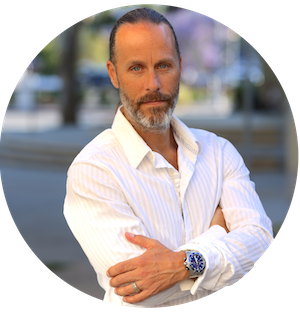
Kevin Anthony is a Certified Sexologist, Tantra Counselor, NLP Practitioner and a Sex, Love & Relationship coach. For over 10 years he has worked with men, women, and couples to have the relationships of their dreams, and the best sex of their lives! He is also the host of “The Love Lab Podcast”, creator of the popular YouTube channel Kevin Anthony Coaching, and creator of the popular online course series “Power and Mastery” as well as other online courses for both men and women.