Last Updated on November 18, 2024
What You’ll Learn In Episode 240:
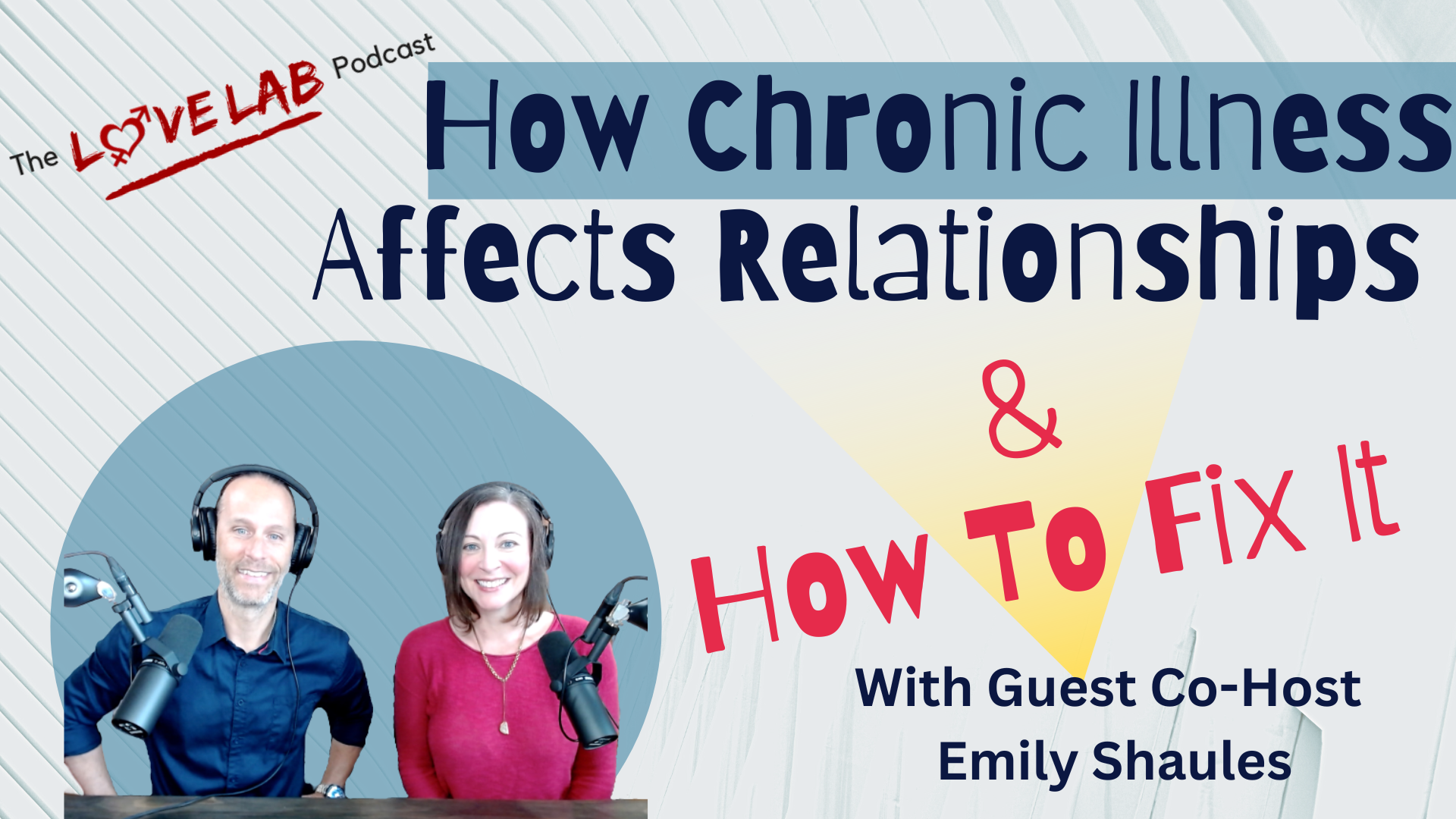
Do you or your partner have a chronic illness that you deal with? Are you dating and not sure how to bring up your chronic condition? Are you afraid that your partner will leave you or that no one will want to date you? According to the US CDC, 6 in 10 adults have a chronic disease. In this episode, Kevin Anthony talks with guest co-host Emily Shaules about how to deal with a chronic condition while still maintaining a happy and fulfilling relationship. Chronic conditions can wreak havoc on your relationship, but they don’t have to. Find out how to keep your relationship happy and sexy as well as how to date and be intimate if you are single.
Links From Today’s Show:
To Find More From Emily, Click The Link Below:
❤️ FREE EXCLUSIVE CONTENT ❤️ The Passion Vault → https://www.kevinanthonycoaching.com/vault
🔥 BECOME THE ULTIMATE SEXUAL ROCKSTAR 🔥
https://www.powerandmastery.com/sexual-mastery
👉🏼 COUPLES COACHING WITH KEVIN ANTHONY
https://www.kevinanthonycoaching.com/sex-coaching-couples/
👉🏼 OUR HAND-PICKED PRODUCTS FOR YOU
We have hand-selected some great products to help support your Health, Sex Life, and Relationship! Purchasing products from us and/or our affiliates helps support the work that we do and ensures we can continue to help as many people and couples as possible! → https://www.kevinanthonycoaching.com/products/
👉🏼 MAKE HER WEAK AT THE KNEES
If you are ready to make big changes and finally become the man you have always wanted to be, then Unleash Your Inner Warrior Program is for you → https://www.kevinanthonycoaching.com/go/warrior
Kevin Anthony 0:11
Welcome to the Love Lab podcast a safe place to get real about sex. Whether you’re a man or woman single or a couple, this is the show for you.
Céline Remy 0:20
We are your hosts, Kevin Anthony and Céline Remy, and we are here to guide you to go from good to amazing in the bedroom and beyond.
Kevin Anthony 0:27
All right, welcome back to the Love Lab podcast. This is episode 240. And it is titled how chronic illness affects relationships and how to fix it. So we’re going to be talking a lot about people living in chronic pain. And there’s a reason why, which we’ll explain in a moment. But I don’t want you to view this episode only from the perspective of someone experiencing chronic pain, because this really has to do with any sort of a long-term chronic illness that can potentially affect your relationships.
So, you know, the viewers, and listeners of this show, obviously know that I dealt with this with saline, which is why she is no longer here. So I do have personal experience with this, as does my co-host today who I will introduce in a moment, who also has personal experience with this and who helps coach people through this. Now, you know, this is something that affects far more people than I think most people realize. And so, you know, one of the things I always try to do on this show topics that, you know, appeal to a large number of people. And so I try to stay away from things that are really super niche down like things that are really like, wow, there’s only a handful of people who have to deal with that specific thing. Because I’m trying to just, you know, help as many people as possible.
But like I said, this affects way more people than you realize, and it can be a lot of different health conditions. And unfortunately, you know, we have seen massive increases in the last couple of years. There are some specific reasons for that which we will not go into in this show. But you know, when we see things like 400% increases in excess mortality, we know that something is happening. And so I have a feeling that this topic is going to be affecting more and more people as time goes on. And therefore it’s going to be more and more important for people to figure out ways to manage it and to still have healthy, amazing, beautiful relationships while they are going through these things.
For some people that may be a short period of time for other people, it may be the rest of their lives, and they’re going to need to know how to handle it. So that’s going to be today’s show, I think it’s going to be really interesting. And I think it’s going to help prepare people for something that could very well be the most challenging thing they’ve ever experienced in their life. But before we get there, a short message from our first sponsor, which of course is me, then you want to join the secret club of men who are great in bed and check out power and mastery. It’s the most complete sexual mastery training for men, whether you want to have harder erections, last longer, or increase your sexual skills. There is something for you at power and mastery.com.
As you know, this is the men’s sexual mastery course that Céline And I created. And it is truly life-transforming. I mentioned this last week on the show, and I did this ad but I actually got I mean, I get, you know, feedback and response from people all the time in regards to this course. But the most recent one I got was from a guy who said he was dependent on Viagra for a decade. And after taking this course he no longer needs it. I mean, if there is a better testimonial out there, I don’t know what it is. So power and mastery.com. Go check it out. And of course, that’s not the only thing it will teach you. There’s tons and tons of other stuff in there. Okay, so as you might know because I’ve already sort of mentioned it and if you’re watching the video on YouTube, you see her sitting here next to me. I have a special guest host with me today, Emily, who is going to help us dig into this topic. So Emily, first of all, say hello to everybody and tell them about yourself.
Emily Shaules 4:37
Hello, everybody. I’m so happy to be here. My name is Emily Shaules and I am a coach that works with women primarily who have an invisible illness. And that’s the as we’ll get into pretty much anything that’s a chronic condition, whether it be physical, mental, spiritual, or emotional, but I’ve had a lot longer and varied career path, I started off as an attorney myself before my own health crashed. And then really, for the first time ever got into natural health, things like that. And so went on to become a professional actress, I started my own energy bar company. And now I’m the executive director of a Wellness Center here in Southern California. So I’m kind of got the Nine Lives of careers going. But my heart is with coaching because it’s affected my life. So personally. And so I know that if I can, if my experience can help someone else feel better in any way, then it was worth it.
Kevin Anthony 5:42
All right, yeah, that’s quite an interesting life you’ve had so far. There are multiple iterations of you apparently.
Emily Shaules 5:49
Yeah, like Madonna.
Kevin Anthony 5:50
You keep reinventing yourself. I know a little something about that.
Emily Shaules 5:56
Chronic illness actually plays a part in that if you are in chronic pain, or have an illness that doesn’t allow you to fit into the kind of the pre-molded capitalists to like 40 Hour Workweek, you have to get creative as how do you provide for yourself, and take care of yourself if your body doesn’t allow you to necessarily do what most other people are doing to make money?
Kevin Anthony 6:21
Yeah, well, first of all, the 40-hour workweek died a long time ago. It’s more like 50 these days, but I would also say that you know, some of the things that we’ll talk about some of the strategies and things even if you’re not suffering from chronic illness, and you are in one of those, you know, 50, 60, 70, 80 hours like this will help you also loosely, so that’s important. So we want to start with just a few statistics. And the statistics here are really focused on chronic pain, because that’s more of your expertise. But we could have made a massive list of other statistics if we wanted to incorporate other types of illnesses. But just this is just to sort of give you the tip of the iceberg, so to speak. Right. So the first one is The CDC estimates that 20% of all Americans experience chronic pain. So for this one condition alone, chronic pain, up to 20% of the population suffers from it.
Emily Shaules 7:22
Yeah, that’s 50 million people. That’s a lot.
Kevin Anthony 7:25
Yeah. So and the point here is, is that you know, again, talking about the idea of this affects a lot of people, I mean, 20% of the people are affected just by this one thing alone. Now you throw in people who maybe have disabilities due to numerous different things, all the people who are going through cancer journeys, or you know, any of that stuff you realize, there are a lot, a lot, a lot of people and a lot of couples who are struggling with how do I manage this and still have a relationship? Absolutely. So why don’t you read the next one on the list here?
Emily Shaules 8:02
Oh, yes, women are more likely to experience chronic pain. The technical percentage is 38%, as opposed to 30% of men. But I’ve heard statistics, it’s, especially for fibromyalgia, which with a chronic pain condition of up to 80 to 90% are women. And they haven’t been able to figure out my own personal theories, of course. But it’s when I got into coaching, and I thought about who is my audience, I thought of chronic pain. But then I came across the term invisible illness because I felt like that encapsulated more of people who have not only chronic mental conditions, things like that, but it’s for those people who we quote, unquote, look normal. So people treat us exactly how they treat everyone else, not realizing they’re in pain every single, possibly every moment of every single day. But yet they look like there’s nothing going on.
Kevin Anthony 9:03
Yeah, you know, we don’t really have time to cover it on this show. But I would love it maybe when the show is over. I’m very curious to hear your personal idea as to why that is. And one of the reasons I bring that up is because, you know, as somebody that has lost a partner, I am now meeting and talking to a lot of other people that have lost partners. The majority of them are men who have lost their wives. And it’s not just because I’m a man, that’s just like a lot of people reaching out to me that they’re also men and it’s just interesting. There is definitely something going on in our society that is targeting women and I think there are multiple something’s going on in society that are targeting women so curious to hear your theories on that but that is not for this show that’s a whole other rabbit hole. All right.
Emily Shaules 9:54
Let’s see might sneak it in there.
Kevin Anthony 9:57
You can drop hints. That’s fine. I love to drop little truth bombs on this show. Yes. All right. Last statistic more than eight in 10 patients with chronic pain experienced severe depression. Absolutely. And, you know, I would say, again, this goes for any sort of long-term chronic condition. I mean, even going through the journey with saline, like, a huge part of my job aside from the day-to-day stuff, was just trying to keep her positive and motivated because it wears on. And it’s like if you think about it, really, anything else that’s going on in your life, like, let’s say, you have a bad day, at your job, like your, your boss was giving you a bunch of shit, and you know, you come home, and then you know, a lot of people tend to take that out on their families, right? They don’t mean to necessarily, but they do. And so you realize that you know, when you when your mental state when your emotional state is not in a good place, it’s really hard to then show up in your relationship, the way that you want to show up and the way that you need to show up. And it’s hard to, yet to nurture that relationship and really have it. So it’s important to understand that when people are going through these journeys, they are often experiencing things like depression.
Emily Shaules 11:19
Absolutely. And it’s not just, I mean, obviously, if you if you’ve been in pain for 5, 10, 20 years, in, in some cases, of course, you know, it’s almost logical that there would be some depression there. But there are also physiological and biological reasons that link those two. So if your, say gut biome is, is completely off, and that’s what’s causing the physical pain, guess what that also is going to cause depression. And so it’s they go hand in hand. But there have been clients of mine and me myself who have, at times, almost wished that we have it a more acute, almost more dangerous illness, so to say, just so that would be over, or that it would be something that we could pinpoint and say, Oh, that’s it. Okay. So now we have a protocol that we can go down instead of just, oh, I literally had a doctor when I was 25, tell me, you’re going to be in pain the rest of your life get used to it. What do you do with that, like, not helpful.
Kevin Anthony 12:23
What you do it as you throw it out the window because doctors have no idea what they’re talking about when a doctor tells you anything like so, you know, I don’t want to rip on doctors, because there are some really great doctors out there. But you have to understand that the doctor can only give you an opinion based on their limited knowledge and experience. Yes. And so when it comes to something like this, all they can tell you is I don’t know what’s going on, I don’t know how to help you. And therefore you’re just going to suffer with this for the rest of your life, according to them.
That doesn’t mean that you can’t find somebody else or some other Protocol, or do you find your own thing that could potentially help you? I mean, there are so many stories out there about dogs that you have six months to live, and the person like 10 years later, Doc, I think you are a little wrong on that one, right? So they tell you these things based on their limited knowledge and perspective. And although some of them like to pretend they know everything, they really don’t know. All right, so those are just a few stats to sort of give you an idea of how prevalent this is, and, and how, you know, so one, how many people are potentially dealing with something like this and to like we talked about with the depression, how it leaves the realm of just the physical thing and starts to get into the mental thing.
So I think you probably have a pretty good idea, at this point, at least, how pervasive it is, how serious it is, and how difficult that can be. So, okay, how to deal with it if you’re already in a relationship, and that’s probably going to be the main crux of the conversation today is like, because this isn’t always true. But most, most of the time, when people get together, they’re not dealing with something, you know, really difficult and big like this. And then as time goes by things happen right? Now. If let’s say you got married, right? If when you got married, you did those sort of traditional vows and you did this you know, till death do us part in sickness and in health. Unfortunately, in today’s society, people say those vows, until stuff gets hard.
Yep, one or the other cuts and runs right. And so did they really mean that? I strongly suggest you don’t say those vows or take them unless you really mean them. And then at some point when this happened It’s like, this is when the rubber hits the road, right? This is when you really have to step up, right, and live up to the vows. So, so I think that’s how it happens. A lot of times people get together if they’re young or healthy or whatever. And then life goes on and things change, right? So now they’re in a situation where they’re in their relationship with someone they’ve been with for at least a significant amount of time they’ve developed depths, maybe they’re married, maybe they have kids, maybe they have businesses together, and then something happens to one person, how do you deal with it?
Emily Shaules 15:35
Right? How do you deal with it without creating a field of resentment or bitterness around the situation? That’s the big thing, because people can grit their teeth and get through, you know, 50 years of marriage, but are they miserable? Are they happy? Are they actually helping their partner? Or are they sitting there blaming them for what’s not going on with their own life because their partner is sick. So there are a lot of that’s it’s not necessarily even actions, it’s the intention, and the energy behind the action that makes such a difference was no, you know, it’s what you talk about?
Every, every episode. So, specifically in this dynamic, to be able to assure your partner that you’re going to be there for them in a loving way, no matter what happens. If someone who is dealing with a chronic illness, and especially doesn’t know what it is, doesn’t know how to it doesn’t know, if they’re going to have it for the rest of their life, they are used to people leaving of hitting their, their, their threshold, and saying, I can’t deal with this anymore, to be able to actually say, like you just said, I’m not going anywhere. In and of itself can relax their nervous system, their body, everything, because now suddenly the biggest fear, which is usually behind, I’m going to be in pain, the rest of my life, their biggest fear is I’m going to be alone and in pain the rest of my life. And so to take that out of the equation is, is medicine in and of itself.
Kevin Anthony 17:19
Yeah that is a very valid fear, right? And that’s, you know, from, from day one, when we got the diagnosis, it was the first thing I said to her, it’s, we’re in this together. So you have to do that. So that was step one, assure your partner that you are there for them and that you will be there for them. So what comes after that, what do we do next?
Emily Shaules 17:44
Develop together developing a strategy for how you’re going to deal with it, and this, your life is going to change. If your partner either you know already has an illness or has contracted an illness in your life, you have to accept the fact that it’s going to change the relationship dynamic. And like I said before, you can either go into resentment or bitterness over that. Or you can say, hey, something changed. And so now what, how am I going to live my life from this moment on instead of going back constantly to Oh, it was so much better before it was so much better? Because it’s in the past? There’s, you can’t you have no access to it anymore.
Kevin Anthony 18:27
So that is true. Whether you want it or not. Exactly. And you know, the tendency, so much in today’s society is the grass is always greener on the other side, like, hey, everything was great. And it was awesome. But now that it’s not great, I want to just bail and go find great again, right? But that’s just not the way life works.
Emily Shaules 18:48
And if you if you’re doing that, then you’re constantly in a breadth versus depths situation where if you can the jewels and the gifts of going deep with someone through dark times through hard times through the worst of times, it builds such resilience in your partnership, they know, I mean they’re they’ve done studies of couples who have lost children, and it’s pretty flat, it’s pretty 50/50 it either destroys the relationship or it makes it stronger. And a chronic illness can do the same thing. And so it’s really just a decision, you as the partner who maybe doesn’t have the chronic illness needs to make like am I going to stay and dig in and really be here for this person and accept all the beauty and the gifts that this relationship and the situation have for me and for us, or am I gonna go look somewhere else? You’re gonna take yourself with you.
Kevin Anthony 19:50
Wherever you go there you are booked by Jon Kabat Zinn and we’ll talk we’ll get to a few more Ideas towards the end of this list here to help you deal with that. But the main point that you’re making there is, life has changed. And you’re gonna have to accept it. Right? And, there are ways, especially if you think outside the box, to have whatever meet needs that are not being met, that doesn’t mean you have to break up or move on or disappear or whatever it is that that you do, which, which we’ll get to.
Emily Shaules 20:29
Absolutely.
Kevin Anthony 20:31
All right, so next one on the list. This one is something that Céline And I definitely talked about quite a bit as well, which is bringing in additional resources to help you manage both the condition and the day-to-day tasks.
Emily Shaules 20:43
Yes, this is huge, because there are so many resources out there for people with chronic pain, whether it’s, you know, a pillow for different positions during sex, whether it’s having someone come in and help out with some household chores, or switching up, you know, routines with regard to that. There are so many different resources, if you really get creative, that necessarily don’t even cost money. But it, what it does is it sends a message to your partner who is suffering with a chronic illness that they are worth you getting creative, and you changing up your routine and you doing things that you might normally not do. They’re worth that. And I think, you know, going into the whole depth of why women maybe suffer for this more is that those deep underlying feelings of unworthiness that we have, and I mean, everyone has those, but it’s a human condition. But to be able to say, hey, let’s switch it up and make it fun. Like how do we get creative with this, so that it’s not a chore, that it’s not you watching your partner, like, suffer through all these changes? Again, it’s what is the energy, the intention that you’re doing these things with? That is going to send the message to the partner that you’re worth it, I’m happy to. To do this, we’re going to more I’m we’re in this together. And we’re going to make this fun. I like
Kevin Anthony 22:15
that idea of letting them know through that type of action, that they’re worth it that that’s something actually I wasn’t necessarily even thinking about when reading that I was thinking a little bit more practically in my mind about like, because, you know, especially, it depends how much care the person really needs, you know, like, how functional are they in the day to day and, and with Selena and I in the last two months, she was not very functional at all. And so it required a lot from me. And so that’s when the discussion started coming in about how do we get some help. Because how do you? How do I run two businesses, take care of her, make all the meals, and take care of that? There aren’t enough hours in the day to do all that. So you got to come up with strategies, you got to figure out ways to make things easier.
Emily Shaules 23:04
Yeah. And there’s such a range, like you just said, which is why I don’t necessarily in this conversation go into so many examples. Because so many lives are different. I will say meal delivery services. I’m the biggest proponent of if you can find one that works, whether it’s you know, you preparing some ingredients that they send or them sending you pre-made stuff to take the shopping, cooking, cleaning out of the equation can be such a gift, especially if it’s, you know, an organic, really healthy meal service. Because now suddenly, you don’t have to worry about oh my god, you know, my naturopath told me, I need to get this, this, this, and this into my diet somehow. And I’m already at my limit. And now I just go in order. You’ve got to buy food anyway. So like there are ones that are affordable. But it’s a huge thing, especially if you have a partner who works outside of the house, who doesn’t want to have to come home from a job and then go into meal prep for that. If you’re having a bad day to have things that are already pre-made is a godsend.
Kevin Anthony 24:12
Yeah, that’s a great idea. There are quite a few services. We never did that I made all of the meals but what we did do, you know Céline loved to cook, and she loved to go shopping for groceries. Yeah, for a lot of people, groceries having such a chore. But she wanted to be able to select everything because she was into cooking and the ingredients were important to her. So she was really sad that towards the end, she couldn’t actually physically do it. So we found a service where you go online and you still get to choose everything that you want. And they actually have a physical shopper in the store who’s communicating with you in real-time, while they’re picking things and asking you questions. Do you want this instead of this or this or that? And so we did that for months in order to because I just feel like I simply don’t have time like, yeah, when am I going to get to the store? Are you kidding me?
Emily Shaules 25:02
And that’s a perfect example of working around what you want out of this, like, I’ve never wanted to cook it’s just something I’ve been into. But if Céline was then to find that service as opposed to a meal delivery service, creative, wonderful, and got the job done.
Kevin Anthony 25:23
Yes. All right. The next one on the list, make sure intimacy is still a priority. Okay. One of the things that we would always hear from people not dealing with these types of things, is how hard it is to find the time right to do all of this stuff. And yet, we would always say, okay, look, you know, that’s, that’s really, that’s an excuse. Absolutely. You just need to make time for it. And so, I can only imagine if regular people who aren’t dealing with something like this are having problems. Yes. Like, what’s going on? For somebody that is dealing with this? So yeah, maybe? Um, do you have any? I have a few things that, you know, we did to share, but I’m wondering if you have something you could share?
Emily Shaules 26:13
Yeah, I mean, again, it’s really based on communicating with your partner and seeing what their experiences on a day-to-day basis so that you can find solutions that work for them specifically, for example, I still have chronic pain, and my pain gets worse as the day goes on. So like Nicki Minaj, I am a huge fan of morning sex, or Cardi B, sir. And so because I feel good, then I feel like I can be at my physical best, whatever that is, as opposed to, you know, a lot of times we kind of society’s kind of programmed us like, you know, sexy time is at night, and it’s like, at night, I’m in pain, I’m exhausted, I’m, it’s usually not the time for me that I’m really feeling like, I want to be intimate with someone.
And I’ve had partners that they don’t really get that they and it’s so ingrained of, well, no, you know, I’m gonna take you out for dinner, and then we’re gonna have sex. And it’s like, well, if you could break out of that pattern, and realize that, like, morning would be awesome for me, and then I’m going to be in such a better mood, and it’s going to be such a better experience. That’s one example. You know, again, noting that if someone has limited energy, in intimate time, that might be like, a big, that might be like, their only big activity of the day, you know, so maybe having it on a weekend or something where they don’t have to worry about kids or, or work or something like that. It’s, again, it’s hard to find a blanket statement since people deal with so many different conditions. But it is more about asking questions, and just being curious as to, you know, what would work for you? What would work best for you? Let me try that.
Kevin Anthony 28:16
Yeah. So number one, of course, is you have to make it a priority. And this is true, whether you’re dealing with, you know, a chronic illness or not, or you just have to make intimacy a priority. But I love the piece that you share, too. And this is definitely one of the things that that we were making sure, you know, later on, on the journey is exactly what you said, which is, you have time you have energy like now. And honestly, I recommend that for people that are not dealing with chronic illnesses as well, because so many of our clients would say stuff like, well, I want it to be spontaneous. And, you know, I want it to be this and I want it to be that and they put all these parameters around how it has to be and then you sit there and go, Okay, how’s that working out for you? Exactly. How many times have you actually had sex?
Emily Shaules 29:08
We don’t live in romcoms. Like as much as we want to. It’s not that’s not real, all the time. And so too, and especially when you’re dealing with a condition that affects your mental health, or can you know, through depression or anxiety, getting those good chemicals in your brain, the oxytocin, like all the things that being intimate can create, it’s, I would argue it’s more important for people who are chronically ill to have intimacy. And what I love about what you guys have taught is not having a finish line. Not having an idea of an expectation of where this has to go that this has to end in intercourse or this has to end in orgasm, or this has to end in mutual orgasm at the same exact time where we’re gazing into each other’s eyes. Like just think 30 minutes of whatever feels good. That’s enough.
Kevin Anthony 30:06
Yes. So you beat me to it because that was no, that’s great. I love that you brought that in. But that is one of the things that I was going to bring up is, first of all, to make it a priority. Second, make sure you take advantage of the moments when you do have the energy and the time. And then the third one is to not have expectations about how it has to be or how it has to look or what it has to end up in. Right. Just appreciate it for what it is in that moment. And sometimes it will be that amazing lovemaking multi-orgasmic experience. And other times it will be Hey, at least we connected a foot rub. Yeah, we connected, and we embraced each other. We cuddled, we did a foot rub, and we maybe touched some genitals a little bit or something. But we interacted in that way to keep the intimacy alive and going in, it’s so important when you’re dealing with something like an invisible or chronic illness, that you’ve got to stoke that fire from time to time, otherwise, it will go out.
Emily Shaules 31:04
Absolutely. And what you’ve said, in previous podcasts of people who don’t have chronic illness completely and even more so relates here of that warmup time that stoking that fire, because you have to realize that if someone’s in chronic pain, their pain signals and pleasure signals are offline, so to speak, there’s something wrong there. And so to know that it probably will take a little longer to get someone fire-stoked than it normally would and be okay with that. And not because again, that’s one more reason that someone with chronic pain would be like, I’m not I know, I’m, I’m bad, I’m not worthy of this, I’m, I’m broken, if you can be patient with someone and say, Hey, we got all night, like, we’re not turning on Netflix tonight. So we’ve got three hours. And we’re gonna take three hours, you know, to just do whatever, again, will just cause the nervous system, which is, you know, the root cause of a lot of these issues to calm down enough that they can rise to the occasion in whatever way that means.
Kevin Anthony 32:19
Yeah. That’s super, super important. I will also suggest that again, even if you’re not dealing with a chronic illness, you turn off Netflix, yeah. And you take three hours. Absolutely one of the keys to having a great sex life.
Emily Shaules 32:38
And this, you know, again, I mean, I think we could preface every statement with this doesn’t have to be necessary for everyone. But especially with chronic pain, especially if the woman is in the partnership with the one with chronic pain, knowing that there could be some emotions that we have to get through in order to get to that place where there’s openness, that there could be, you know, the anger of, I just want to sit and watch TV I gotten, I’ve gotten no other energy for anything else. That might be a layer that you have to allow to bubble up and dissipate before something else can happen. Instead of saying, Oh, well, you know, you, you turn me down, I’m leaving. I’m mad, you know? Well, so
Kevin Anthony 33:27
this is something we talked about on the show all the time about the difference in time that it takes for, you know, like, oh, god, yes, men just see some visual stimulation, and they’re like, I got an erection. Let’s go right. And women are like, I’m nowhere near right. So imagine that difference, right? And now you’re dealing with some sort of chronic illness times that by 10 or 100. Right, you know, and realize that you got to just slow it down that that much more. Okay. Next, I assume it will take someone with credit. Oh, we just talked about more time and attention to relax.
Emily Shaules 33:59
Yes, yeah, that’s, I mean, it’s key. Because if you walk around all day, feeling like you are different, and you are not as good as other people, because your body is having these reactions. You’re going to take that home with you. You can’t and so it’s anything that your partner can do to just assure you. I’m here for you. I’m here for you specifically with whatever issues you’ve got. We’re going to make it work because I’m with you.
Kevin Anthony 34:31
Yeah. All right. Next on the list is use props, toys, etc. So this is what I was talking about earlier. Were finding other ways to get your needs met. So if your partner maybe is not capable of participating in intimacy, the way they used to be able to, what are other ways that you can get those needs met, so maybe you can use some toys? Maybe you can use some props. Depending on how open you are in your relationship, you might even be able to bring in other people to help that whether with the two of you or getting your needs met elsewhere. side, just be careful with that, because one thing I do know is that when somebody is dealing with a chronic illness, they feel very vulnerable.
So, you know, even in a regular situation, people tend to feel a bit vulnerable and like, Ooh, you know, I’m gonna let him have a date or have her let her have a date, you know, outside, like, there’s some kind of jealousy and that kind of stuff that can happen normally. Absolutely. As you know, people in the policy world in the open relationship world spend a lot of time and energy just dealing with that. And they’re not dealing necessarily with any sort of chronic illness. But when the chronic illness part is factored in, then you realize that they feel even more vulnerable. Is that what you were saying before? About? What if they leave, right? What if I’m alone and in this situation, right? So you have to tread lightly on that, but know that in the right relationship with the right communication and the right reassurance that that is something that you could possibly do, like if your partner is basically no longer able to have sex with you, right? And he or she knows that you have this need because you’re still a human right? Then they may be willing to allow other ways for you to get that need met.
Emily Shaules 36:29
Absolutely, the biggest thing is to really just go within and try and get your ego out of it. Whatever is being asked, like, you know, I’ve had partners that were so against using toys, because they thought it’s somehow, you know, implicated them that they weren’t bad enough, you know, and it’s like, No, dude, I just get you there, it would be, you know, really getting any resentment and bitterness out of the equation. And really focusing on your love for that person. Instead of maybe, you know, any, like, hurt that might be personally affecting you focusing more on them and their needs and your love for them. And, you know, a noncodependent way, of course, but there’s a key right there. That’s a whole other. It’s like five podcasts. But, but it’s, yeah, I think I’ve made my point.
Kevin Anthony 37:27
All right. So I will just sum that part up with just be open to new ideas, and new ways to potentially get your needs met. Because if you don’t, then there’s a tendency for resentment, which you mentioned earlier to build up, it’s like, wow, I’m putting all this time and energy in all this work to help. I mean, I love this person, and I’m doing all of this stuff. And yet at the same time, my needs aren’t being met, right? The only way especially if it’s going to be a long-term thing, you know, if it’s, you know, short term, few months, a year, two years, whatever, you can kind of suck it up and get through it, right. But if you realize this is going to be a longer-term thing, you got to take care of yourself too, because essentially, you’ll burn out and you won’t be able to care for the other person. So you need to figure out ways that you can get your needs met in a way that doesn’t harm the relationship. If you can do that, it will likely actually help.
Emily Shaules 38:19
Oh, God without question.
Kevin Anthony 38:22
Okay, so, before we go on to the next bit, we need to take a short break for our second sponsor, which is me again. Are you a couple are your relationship and the sex life where you want them to be? Are there changes you would like to make but just don’t know how maybe you think there is nothing that can be done, I challenge you to make 2023 the year that changes if you’re not 100% happy with where your relationship or sex life is, then get help today and change your life go to Céline remy.com/sex-coaching-couples, I know that’s a mouthful, I did not create a shortened link is in the description. Don’t worry, all you got to do is go there and click on it.
When you do that you can schedule a strategy call with me to figure out how I can help you get your relationship love life, and sex life back on track that is Céline remy.com/sex-coaching-couples link is in the description. All right, so we’ve covered some statistics, and we’ve kind of laid out the scope of the problem. Now we talked about if you’re in a relationship, how do you deal with it? The next thing is, let’s say you’re not in a relationship. Just because you have a particular condition doesn’t mean that you have to be single for the rest of your life. And in fact, it would probably be a whole lot better and easier for you not just because somebody can help you. But because of the physical intimacy in the way that will help you mentally, emotionally, and potentially physically as well to be in a relationship with somebody. So then the question comes up well, how do you date when you have a chronic illness like this,
Emily Shaules 40:14
I’m so happy you asked since I’m currently in that situation. Very good. real-world experience with that, for me, and for many of my clients, that is the situation because chronic pain can be isolating, and you can self-isolate and realize that I don’t have to be under percent healthy in order to add value to a relationship. I don’t have to wait until I’m healed to begin looking for a partner.
That in itself is a block that a lot of people need to get over. But then when you’re on a date, is that something you bring up on the first date is that something you wait until you’ve made a connection with someone? For me, I’m, and this is just my own personality, I’m pretty much an open book. And so I will say little things in the beginning, letting people know because I don’t want to go down a path with someone who might not be able to handle it and have us both connect and develop feelings for another one another, and then suddenly, the whole situation is apparent, and that person can’t handle it. I’m much more of a be honest, but I don’t think you necessarily have to give you know, a huge explanation of your entire health history on the first date. Because I think that’s really off-putting. And you’re also you’re not there yet, I think it’s a time to really listen to your intuition. Really listen, like do you have compatibility?
Otherwise? Do you have things that are in common? Do you want the same things in life? Do you know if someone is truly wanting like a triathlon buddy? Yeah, I, you’re probably gonna want to swipe left on that one, you have to be honest with yourself there, because especially here in Southern California, you know, on dating apps, there are a lot of men who are, it’s like, it’s all action shots. It’s all like mountain climbing and hiking, and all of this stuff. And you have to be realistic with yourself, that if they if that’s what they’re looking for a partner to do those things with, and you’re not able to do those things. Save yourself that trouble and look for someone, whose lifestyle, yours can mesh with easily.
Kevin Anthony 42:36
Of course, chronic illness or not, you need to look for somebody whose lifestyle will mess with yours. Even more important in this one, and I would say I agree with you, you don’t have to go into like a whole health history in the beginning. But it is something important because it is a major part of your life. And so I do think it would be a good idea to bring it up in the first date. Absolutely. But all you really have to say is, hey, here’s something that, you know, is part of my life that I have to deal with. And here’s basically what I can and can’t do. And like you don’t have to go into a whole list. But like, you know, you could just kind of broadly say, hey, you know, I’ve been dealing with chronic pain since I was 25. I have my protocols for managing it. And my life kind of looks like this, like, I’m okay doing this and this, but probably spending three days on a mountain climbing, you know, expeditions, probably not going to work for me exactly right. So you don’t have to go into a lot of deep detail, give them the whole story, but at least give them an idea of like, hey, if we did date, what would life look like?
Emily Shaules 43:45
Exactly? Like, for example, a previous partner of mine who was very much into mountain biking would go for like 30-35 mile mountain biking rides. But he actually didn’t want anyone to come with him. That was his like a lone spiritual time. So it actually worked out perfectly. He would go on those, I would be at home and then he would come over and we’d have dinner and watch a movie and you know, relax and I wouldn’t have to go mountain biking. So there are ways. You know, I’m a big believer that the universe or whatever you call God has ways of bringing you what you want. You don’t have to say, Well, if he’s a hardcore athlete, that means he’s off the table on I am doomed to be in a relationship with a couch potato the rest of my life. No, there are creative ways you can make things flow.
Kevin Anthony 44:35
Yes, and not every hardcore athlete wants their partner to be a hardcore athlete. Some do but some don’t. And interestingly enough, if they really are hardcore athletes, that means they spend a lot of time invested in whatever sport it is or sports that they do. So that might actually be a good fit because as someone dealing with a chronic illness, you’re going to need more time for yourself just exactly So there is a possibility that it could line up such that, you know, when he’s out doing his things, you have your time to do your thing.
Emily Shaules 45:07
Absolutely. And the biggest thing I just want to say is when in terms of dating, and when you bring it up and how you bring it up, I don’t think there’s a person on the planet who’s going on a date that doesn’t have some like, big, dark, scary thing in the back of their mind that they feel is going to take them out of contention to be in a relationship, whether that’s chronic pain, whether you’ve got a kid at home, whether it’s you’re not doing well financially, at the moment, whether it doesn’t matter. We all have the big, dark, scary thing that makes us feel like we’re destined to be alone for the rest of our lives. This just happens to be yours. So just do it, as you would do with any other big, dark, scary thing. Get it out in the open and talk about it. And most likely, it’s not going to be as scary as you think it is.
Kevin Anthony 45:52
Yeah. And of course, you also know that the sooner you do that, the sooner you can find out whether or not this is a fit and move on rather than investing weeks, and months, and years in a relationship, only to find out later on that there’s some major incompatibility. Yeah. It’s funny that you said it. Because when Selena and I knew each other for a few years before we got together, we always knew that there was a sexual attraction there. But we kind of figured our lifestyles were so different, that it probably wasn’t a good fit for partnership. That’s because we had these preconceived ideas in our, in our heads about, you know, who the other person was.
And so I didn’t have anything to do with, you know, physical illness or, or, or depression or anything like that. But I had parts of my lifestyle that I assumed was just were not going to work for her. Yep. But I knew enough, at least anyway, to just get all that stuff out pretty early on. And I was truly amazed that every time I sort of let her into a new part of my world that I thought that she was not going to like, she was like, Oh, that’s really cool. I love that too. Right? So that can be like you said, Everybody’s got their stuff that they’re holding back. And you’re holding back because you think the other person isn’t going to like that part of you. So one, just know that there’s a significant chance that they will go, oh, yeah, me too. That’s cool. Yes. And too, if they’re like, Whoa, no way, then you want to know that right from the start?
Emily Shaules 47:21
Yeah, and I mean, the gifts that come with chronic illness, I don’t I mean, I know that’s kind of an oxymoron. But, you know, the women that I know, especially men as well who have a chronic illness are some of the most resilient, dedicated people I’ve ever met. I mean, they really have the strength that it takes to live in our society, under constant pain is extraordinary. I can’t really describe it. And so to know that someone has that inner strength and that resiliency within them, that is a gift to bring to a relationship. That’s not a detraction. And so it is to not think of yourself as this broken thing that’s looking for someone to take care of, you know, you are a fully functioning beautiful, worthy human being who’s got gifts to bring to a relationship just like any other person does.
Kevin Anthony 48:17
Yeah, that’s a beautiful point that you made, I think, I think that is probably often overlooked. People don’t realize, you know, maybe they weren’t that strong beforehand. Maybe they weren’t. But by going through that journey, if you stay on the journey, and you don’t check out of this world, the only way you can do that is to get stronger. That’s, that’s the only way. So maybe that’s something a lot of people don’t realize is the inner strength that is really there. Okay, so that’s kind of how, how do you date? How do you bring it up? Let’s take it to the next step now. So now you’ve dated you’re dating somebody? How do you then start to bring in the intimacy?
Emily Shaules 49:00
Yes. That’s a whole other layer because, I mean, again, it always comes back to communication in my book, I think we have this idea that you are just gonna walk into a room with someone and you’re immediately going to know each other and what they like and what they don’t like. Stuff like that. And I remember watching I forgot who it was but a gay man and he was like, Man, you straight people you really need to learn from gay people, because that’s exactly what we do when we start an encounter. It’s like what works for you and what doesn’t What do you and we just go through entire questions and most straight people don’t they literally just start kissing and then do things that they did with previous partners and hope it works and cross their fingers.
Yeah, and it’s just not realistic. It’s just not like the best intimacy comes from communication like obviously, that you’re not communicating the entire time but like a little, a little In the beginning, but especially if you have a chronic illness because it’s just to, it’s going to save so much trouble. Once you go down that road, if you know, from your own body that a certain position does not work for you let your partner know so that they don’t put you in that position. And now suddenly, like, you’re not responding, so they think they’re doing something wrong. And then I mean, it’s just this whole chain of pain that can be avoided from some communication early on. Yeah, communication.
Kevin Anthony 50:30
Huge, always huge, right? I highly recommend this in any, you know, sexual encounter or intimacy, whether you’re dealing with, you know, a chronic illness or not, you gotta communicate like, what do you like? What do you don’t like? What are your yeses? What are your nose? What are your boundaries, all that kind of stuff you need to be doing. But it’s even more important, obviously, in this situation. I would also say before we move on to the next one on the list, to just slow down. Oh, god, yes. Is that something that we didn’t either of us put on the list, but it’s coming to mind right now, which is just slow down, like don’t expect that this is going to be like the last, you know, one-night stand date that you went on, where all of a sudden, things just went from zero to 100 miles an hour. And that was that right? That’s probably not going to happen in this situation.
Emily Shaules 51:17
And from the female perspective, waiting for the white knight, who knows your body perfectly knows exactly what to do. I know you guys have talked about this. It’s a fantasy. It’s an absolute fantasy because you are your own individual. And you need to take ownership of your own pleasure and know that that’s something that you need to be able to communicate with someone. And if you can’t, for whatever reason, whether it’s religious programming, or you don’t, you’ve never even experimented, and you don’t even know what you like, that’s your job, you need to do that well before you can bring someone else in and expect it to be a, you know, a desirable outcome.
Kevin Anthony 51:59
Indeed. Next, we kind of talked about earlier in the show, which is taking advantage of the right moments when they arise. So focus on good communication, slow down, and take advantage of the moments when they arise. We also talked about using props or toys that are also here. And then we have to stay open-minded. So yeah, maybe the things that you’re used to doing the things that you’ve always done with previous partners before. Maybe they’re not going to work this time, or even with this particular partner.
Emily Shaules 52:30
Yeah, something might change.
Kevin Anthony 52:32
Something might be you know, this is something we say with women all the time, like from sexual encounter, to sexual encounter, and sometimes moment to moment, like what was working just three minutes ago, is not working anymore. This is why in coaching men, that’s why I spend so much time on what we call visual acuity and just like paying attention to all the little signs, what our eyes doing, what do her lips look like, what’s the color in her cheeks. You know, what is your vagina doing? Is it swollen? Is it not? Is it changing colors? Is it opening up? Is it closed? Like she’s squinting, all these things that can potentially be happening to get an idea of where she is at.
Emily Shaules 53:12
Just been present? Instead of going on autopilot is the word present doing the thing that you always do, because, again, there might be a time when you’ve maybe had you’re in the middle of a lovely encounter, and it’s been great. But now suddenly, your body is telling you, you need to stop like it’s done. Even though no one’s orgasm, no one’s done it, you know, and to be able to have the courage to be able to say that to your partner, and not have someone take that take offense to that is huge. And again, if you’re you are the one with chronic pain, knowing yourself that you don’t wait until that last second when you need to stop so that maybe you have some gas left in the tank so that you can take care of your partner in another way, like toys or whatever, so that they feel satisfied because the worst thing is, you know, feeling like my partner isn’t getting what they need because of me. So how do you communicate and get creative so that that situation doesn’t happen? Because that is a huge breeding ground for resentment.
Kevin Anthony 54:17
For sure. And the last one on this list is laughter and humor is important. This is also really, you know, something that I used to say all the time with any sexual encounter at all, to just you know, be light-hearted about it like to tell people don’t be afraid to fail. Like try all the crazy stuff and if you fall over if you hit your head if you fall out of bed, just laugh about it. Go Okay, that didn’t work. What else can we try?
Emily Shaules 54:43
I feel like any great sexual encounter needs to have at least one good belly laugh about like, it’s just, they’re human bodies. They’re just so weird.
Kevin Anthony 54:54
They make funny noises.
Emily Shaules 54:56
They do strange things, you know, not a big deal. Everyone’s done. As a former partner of mine, I literally would just be like, they’re just bodies. It’s just a body. And it literally that statement just took so much judgment off, of that I had been putting on my own body for so long. And it’s just, we take stuff way too seriously.
Kevin Anthony 55:19
Yes, yes, we do. And not just when it comes to sex, but with everything else in life as well.
Emily Shaules 55:24
Remember laughter just like an orgasm, floods your body with really good chemicals that reduce pain and inflammation and things like that. So it is, it is good for you to laugh.
Kevin Anthony 55:38
All right, so we have covered, let’s see how to date, right, then how to start the intimacy. And then the next level after that is to go back to the beginning of the show. And then review all the stuff on how to handle when you’re already in a relationship because you’re dating, you’re intimate. Now you’re in a relationship. Now you go to kind of that step. So it kind of comes full circle that way. A few last quick things just to go over here, we have some additional considerations as the relationship grows, right? So be open to change, because this may change.
Emily Shaules 56:14
Absolutely right.
Kevin Anthony 56:17
Prepare for how to deal with resentments. We’ve kind of talked about that a little bit throughout the show already. Come up with alternative strategies for getting your needs met. Something else that we also covered a little bit. And make sure to reassure your partner about your commitment. Yes. We literally started the show with that one. And we’re ending the show that way. Because it’s so so important.
Emily Shaules 56:44
It is it’s as much as every human being needs that reassurance, including those of us with chronic pain. It’s just, it’s such a gift that you as a partner can give, give it.
Kevin Anthony 56:59
Indeed, okay, so the last thing here is you know what to do if you need help with this if you’re really having a difficult time managing this because it can be quite challenging. Let’s be honest. Hopefully, you’ve learned some skills from listening to this show. But maybe you need more support, what else can you do?
Emily Shaules 57:18
I mean, you can always hire a coach, that’s someone whether you are in a group coaching, or in a one to one something, someone that you trust that knows what you’re going through, can give you some really good insights and ideas that you might not have thought of yet.
Kevin Anthony 57:36
Yeah, so you can hire a coach, which is a great idea. Especially, you know, somebody like you when your coach has personal experience in the thing that they’re coaching, which honestly, they always should, regardless of what they’re coaching, right? But if you can find somebody like that, like you’re gonna get way better than just, here’s what the textbooks say, here’s what the psychological books say that you should do. You know, here’s what really works.
Emily Shaules 58:00
I have had all of my partners to date have been healthy, for the most part. And they have all told me like, as much as I even live with you, and I see you and I talk with you every day, I still do not understand what it feels like to be you to have what you have, there’s no way any of us can step in the other person’s shoes truly and feel that. And so yes, to have someone who knows, what it is that you’re going through is an invaluable resource.
Kevin Anthony 58:33
Some other things you can do you can seek a support group, there are support groups out there usually more around specific conditions. Yes, right. But those are great places to go. Absolutely. And are there any other support options that people might have other than that?
Emily Shaules 58:49
I mean, truly, I always point people within because the body is just a reflection of your mind. I mean, there are some things that are biologically based, and no matter what their genetics like you there’s no mind-body connection. But I would say the vast majority of things are connected to your thoughts, and your spiritual beliefs, like how you are in the world. And so start diving into some of those aspects of yourself that you might have been ignoring up until this point any personal development resources that called you any books. Because as you start learning more and more about yourself, your body will reflect that. Like Yes, I still have chronic pain. I cannot tell you the difference between when it started and now it is night and day of me being actually able to be a productive member of society and a happy person. You know, like it’s it. You can still have a very happy fulfilling productive life with chronic pain. And that’s the thing that I tell everyone because I can’t guarantee anyone that they’ll ever feel better. I don’t have any control over that. That’s, that’s them. That’s their body, but I can help them become a more joyful person with the pain.
Kevin Anthony 1:00:19
Yeah. All right, fantastic advice. Why don’t you tell the listeners where they could find more from you if they were interested in potentially working with?
Emily Shaules 1:00:29
Yes. So my website is just my name, Emilyshaules.com. And I’m sure you’ll put a link there, there is a link in the description. My last name is weird. And then also, on Instagram, shift.yourself is where you can find me.
Kevin Anthony 1:00:47
Awesome. Well, thank you so much for coming on the show. That was a great conversation, some really great tips in there. So if anybody is dealing with anything like this, I really hope that you learn something from it. And, you know, when we do these shows, we do our best to give you as much as we can. And we know that in an hour show, we can’t give you everything right. But hopefully this kind of, kind of at least prop the door open a little bit for you to go, oh, there are other ways to handle this. There are other things that can be done. Absolutely. And so yeah, if it’s piqued your interest, and this is something you’re dealing with, for sure, dive in deeper and learn as much as you can about it, because it doesn’t have to be the end of your world or the end of your life or the end of your relationship. Absolutely. All right. Thanks for being on the show again, Emily. All right, everybody. That’s all the time I have for this episode. And I will see you next week.
We hope you liked this episode of the Love Lab podcast. If you enjoy this show, subscribe. Leave us a review and share it with your friends.
Céline Remy 1:01:53
And for more free exclusive content. Join us in the passion vault at Céline remy.com forward slash vault. That’s c e l i n e r e m y.com forward slash involved.
Kevin Anthony 1:02:07
Thanks for listening.
Céline Remy 1:02:09
And remember, you’re amazing!
We hope you liked this episode of The Love Lab Podcast. If you enjoyed this show, leave a comment and share it with your friends.
RATE & REVIEW THE LOVE LAB PODCAST
—> LEAVE A 5-STAR REVIEW ON APPLE PODCAST
ASK A QUESTION FOR THE NEXT EPISODE
—> Click here to leave a message directly to Kevin and Céline to be answered on the air.
Thanks for listening and remember you are amazing.
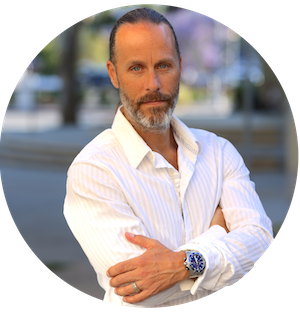
Kevin Anthony is a Certified Sexologist, Tantra Counselor, NLP Practitioner and a Sex, Love & Relationship coach. For over 10 years he has worked with men, women, and couples to have the relationships of their dreams, and the best sex of their lives! He is also the host of “The Love Lab Podcast”, creator of the popular YouTube channel Kevin Anthony Coaching, and creator of the popular online course series “Power and Mastery” as well as other online courses for both men and women.