Last Updated on November 18, 2024
What You’ll Learn In Episode 241:
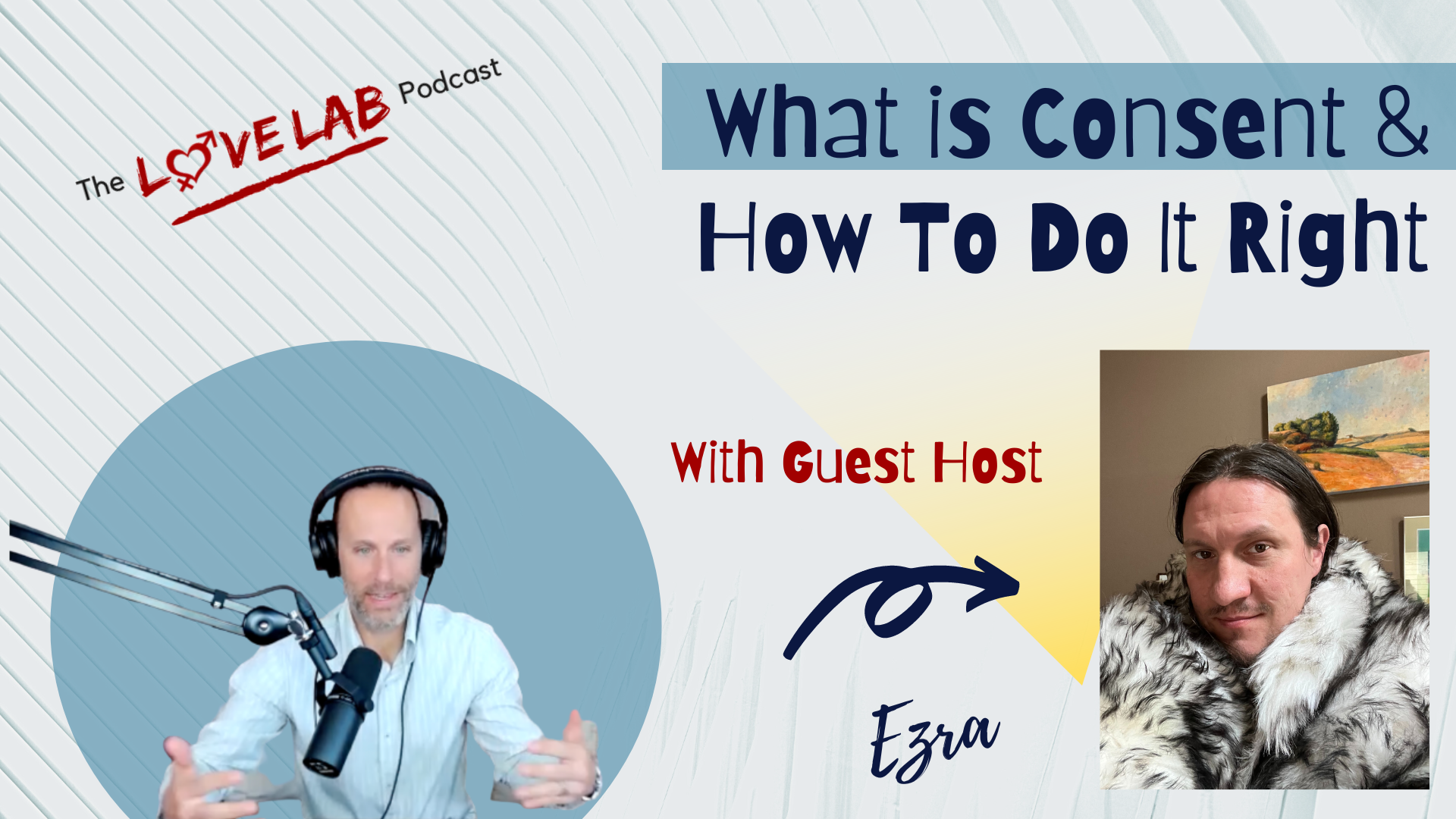
In the post “50 Shades of Grey”, Me Too, Weinstein, and Epstein era the topic of consent is a big one. It seems simple, but is it really? In this episode, Kevin Anthony discusses consent, the good, the bad, and the ugly with guest co-host Ezra. They go far deeper than just do you need consent. This is a must-listen-to-discussion for anyone who wants to interact with another.
Links From Today’s Show:
To Hear More From Ezra, Click The Link Below:
https://podcasts.apple.com/us/podcast/ask-ezra-intimacy-coaching-podcast/id1596818577
❤️ FREE EXCLUSIVE CONTENT ❤️ The Passion Vault → https://www.kevinanthonycoaching.com/vault
🔥 BECOME THE ULTIMATE SEXUAL ROCKSTAR 🔥
https://www.powerandmastery.com/sexual-mastery
👉🏼 MAKE HER WEAK AT THE KNEES
If you are ready to make big changes and finally become the man you have always wanted to be, then Unleash Your Inner Warrior Program is for you → https://www.kevinanthonycoaching.com/go/warrior
👉🏼 COUPLES COACHING WITH KEVIN ANTHONY
https://www.kevinanthonycoaching.com/sex-coaching-couples/
👉🏼 OUR HAND-PICKED PRODUCTS FOR YOU
We have hand-selected some great products to help support your Health, Sex Life, and Relationship! Purchasing products from us and/or our affiliates helps support the work that we do and ensures we can continue to help as many people and couples as possible! → https://www.kevinanthonycoaching.com/products/
Kevin Anthony 0:11
Welcome to the Love Lab podcast a safe place to get real about sex. Whether you’re a man or woman single or a couple, this is the show for you.
Céline Remy 0:20
We are your hosts, Kevin Anthony and Céline Remy and we are here to guide you to go from good to amazing in the bedroom and beyond.
Kevin Anthony 0:28
All right, welcome back to the Love Lab podcast. This is episode 241. And it’s titled, What is consent and how to do it right. This has been a huge topic in the last couple of years. It should have always been a huge topic. But more recently, because of, you know, things like the Me Too Movement or Harvey Weinstein, which was kind of all wrapped up in that or, you know, the Jeffrey Epstein stuff like all these things that have been happening in the world that have been showing up as wow, people are abusing power, they’re abusing boundaries, they’re not getting permission, all that kind of stuff. Because of all that, it’s been a really huge topic. 50 Shades of Grey, was another one that really brought consent up to the general public in the world. So it’s an important topic.
We are we have so much to share on this topic. Today, we are going to do our best to get as much information in as we can. That might mean we move a little faster at different times throughout this show or not. We’ll see. And if you’re watching the video, you’ve already seen that I have a guest host on today who I’ll be introducing in just a moment. But before I do that quick note from one of our sponsors, do you want to join the secret club of men who are great in bed and check out power and mastery it is the most complete sexual mastery training for men, whether you want to have harder, erections last longer or increase your sexual skills, there is something for you at power and mastery.com.
If you’re a longtime listener of the show, you know, that is the men’s sexual mastery course that Céline And I created. We have had amazing, amazing success with this course, not just in selling it, but the success that people have who go through it. I mentioned this in the last two shows, and I’ll mention it one more time just because it’s so amazing to me. But I had a student in one of the courses, email us as we often do, and we get great feedback on the courses. But what he specifically told me was that he ended a 10-year dependence on Viagra after going through our course. And that is a major, major life-changing situation. So I can’t talk highly enough about it, I highly recommend you go check it out power and mastery.com. Okay, so now that that’s over with, I want to welcome and introduce to you all Ezra, you may remember him he was on the show once before. Well, welcome to the show, Ezra. And please tell the audience about yourself.
Ezra 3:06
Hey, thanks for having me. And my name is Ezra, I run the ask as your intimacy coaching Podcast. I’m the Director of Education at sanctuary studios, and also the author of the book mind fucking mindfully. And yeah, I’m really happy to be here.
Kevin Anthony 3:24
Awesome. Well, as I mentioned at the beginning, here, we have a lot to cover. Because, as you pointed out, when we were discussing this topic, and we were working together to create this outline, it’s a bit more complicated and nuanced than most people realize. And so we don’t want to make it too complicated. Like we don’t, we don’t want to make it so complicated that people go, Oh, fuck this, I can’t do it. Right, you know, yeah, so we want to try to simplify it. But at the same time, we want to make people aware of those nuances and why they’re important. So let’s just jump in and start with like, the most simple, basic definition of consent.
I literally just went to Merriam-Webster dictionary and just pulled the standard definition, because it’s just a place to start the discussion. So the definition to give a cent or approval to agree to be in Concord, in opinion, or sentiment, okay. All right, I think we all pretty much understand what that means. However, that doesn’t necessarily mean that that’s what consent means to everybody else. So that kind of brings us to, you know, consent is often described as something that is simple, but can be very complex. And there are a lot of paradigms around it. And so this is where kind of I want you to sort of step in and talk about how that is different to different people and then we’ll get into some of those different paradigms.
Ezra 5:01
Yeah, absolutely. And, you know, in case anybody’s confused by the Merriam-Webster definition that is consent in all spaces. And when we’re talking about sex and intimacy and relationships, we’re talking about activities, right? We’re talking about consent, to do specific things with each other to each other, you know, at the same time, separately in the same room, whatever, right? And I think that it is really easy to paint it in a black and white way. And that really, there is subtlety. And that is, as many people who are bad actors, unfortunately, most of them, most of it comes from miscommunication and misunderstanding. And the vast majority of it, I would say, and that’s because there are these different paradigms of consent.
And one person’s operating in one paradigm and the other person is operating in a different paradigm. And they just don’t understand that they have different expectations, right? So, and most of our understanding most of our paradigms of consent come from either law or research or the medical field. Right? So that’s where these things have had to develop. So we can talk about implied consent versus explicit consent, or express as another way of saying that, and the difference there is explicit consent is you must say, Yes, I want to do that thing, right? Or no, I didn’t want to do that thing, or I went through everything, but this thing, whatever you’re having that conversation, implied consent is based on location or presentation. And you might say, Oh, well, that’s just whole hog. Wrong. Right. But then, you know, you hear about parties where there’s a dark room, right? A room with all the lights off. And if you’re in that room, you’re participating, right, and there’s nothing ethically wrong about that, necessarily, it may be more vulnerable to mistakes or misunderstandings. But, you know, as long as everyone involved is operating in the same paradigm, you know, then it’s, it’s game, right? It’s good, it’s okay, right? But if somebody walks into that space, expecting to have a conversation before somebody touches them, they’re going to have a bad time. Right?
Kevin Anthony 7:26
Yeah. So I want to first go back to that point you made about people not really being on the same page, right, like having different understandings of what consent means. Because I think that’s a really important point. We do this, and not just in the consent world. But we do this in so many other ways. We have our own understanding of what a word or an idea means. And we assume that everybody else has the same understanding. And then, of course, everybody else is doing the same thing, they all have their idea, and assume that everybody understands it, too. You know, interestingly enough, I learned this lesson really well, simply because, you know, Céline, was, you know, English as a third language, really not even her second language.
And so when you have a close intimate relationship with somebody who’s not a native speaker of your native language, or vice versa, you realize that definitions and meanings of words and phrases suddenly become a whole lot more important. Because when you grow up speaking a language, there are all these implied meanings of things, right? That the other person doesn’t learn, because they didn’t grow up speaking that language. And so for us, it became really clear to define what we mean by specific words, you know, and there was one that we used to joke about all the time because I would often say things like, Well, yeah, I’ll be there in a, you know, in a few, like, I use the word a few minutes or, loosely, very loosely, right. And sometimes, you know, like, she would have this thing, but there’s only two, you know, she’s like, why didn’t she say to, you know, as, like the number two, as opposed to a few because a few will apply. But that’s just one of those subtleties of the English language that we just kind of throw around. Yeah, few, this few that few, whatever, right?
Ezra 9:20
Yeah, yeah. No, I’m, with her, you know, and as far as I’m concerned, you’re wrong. A couple is two, three is a few. And four is several.
Kevin Anthony 9:30
Yeah, well, technically that is correct. And that’s what happens is, yeah, you know, she’s when she’s learning English, you know, more in a, you know, kind of academic way, as opposed to just the sort of colloquial slang type stuff that we pick up when we’re natives. You can see that there are differences. That’s just one example to illustrate to the audience. How these things can happen, right? You can have one definition of consent. And what that means to you, and what the rules of that consent are. Whereas somebody else because of their background and how they learned it might have a completely different idea of what that means. And so that piece you mentioned about communication is huge. So when you’re going to embark on this journey of consent, especially around to doing things to and with, and, you know, whatever, other people, you got to be on that same page, and that’s really important.
Ezra 10:29
Yeah, yeah. Well, and they think that it’s, it’s really easy to paint an implied consent as like, these people are evil or trying to do bad. But then I want you to picture being in an intimate setting and having somebody say, Can I touch you here? Can I touch you there? Can I kiss you here? Can I kiss you there? It’s gonna get exhausting. And so it’s really typically a mixture, right? It’s not me, we can talk about these paradigms as theoretical, but they don’t exist in a vacuum. And they don’t exist as pure entities. It’s typically a mixture. And so like, Another example might be like, Okay, well, you have to ask me to touch my butt. But once you’ve asked me to touch it anytime you want, right? Or once you’ve asked me, you can do that as long as we’re in a private setting, right? Don’t touch my butt in public whenever, right? And so that’s just an example of how you might use that. Yeah.
Kevin Anthony 11:27
And we’ll definitely dive more into more examples and all of that. And I’d like to come back now to the paradigms that you were talking about. Yeah. And the first thing I want to talk about, because you mentioned the paradigms already, although we’ll touch on them again. But an interesting point that I wanted to get into, which is you started to mention, sort of where these paradigms came from. And the thing is, they weren’t born specifically for relationships and sexual encounters. Right? Yeah. And so using a framework that was designed for other instances, and we’re trying to apply it here, which may or may not work without some fine-tuning. So maybe you could talk a little bit about that.
Ezra 12:13
Yeah, absolutely. A great example of that is passive versus active consent. And that comes from research. So with passive consent. Everything is a yes. Until it’s a no. And with active consent, everything is a no until it’s a yes. Right. And again, it’d be really easy to paint anybody who’s interested in passive consent, as you know, an evildoer. But it’s just a different paradigm. Right? And it can be kind of tricky. In research, too, in terms of the ethics of the situation. It’s like, oh, well, you didn’t say no to it. So you know, but at the same time, you know, I think passive consent was really the dominant paradigm, culturally, until the 70s. And so, really, you know, it’s petting turns into heavy petting turns into sex? And if there’s not a no along the way, it’s been a yes, the whole time.
Kevin Anthony 13:11
I think that’s still how a lot of people operate, like your average person who maybe wasn’t involved in, you know, a poly community or BDSM community or conscious sexuality community or second party community where those things are taught and really important. What I see out in the dating world is that’s kind of the mode that most people are operating in. It’s like, a try little here. If I don’t get to know I keep going. And if I don’t get to know I keep going, and if I don’t get it, no, I keep going. Right?
Ezra 13:38
Yeah, try it and see what happens, right is the mantra of passive consent. And I think that works for a lot of people, but especially for people who are, you know, recovering from trauma or are particularly sensitive, that’s just a no-fly zone altogether. And I think that’s probably why in BDSM, we’re so specifically focused on active consent, because, number one, the things we’re doing may be dangerous. And number two, a lot of us are dealing with, you know, past experiences, which were negative and made us more sensitive.
Kevin Anthony 14:12
Yeah, you know, and this whole idea of active and passive consent is, I think, really important in a lot of ways, not even just in relationship ways. But, you know, you’re right, in a sense that that has been sort of the well, that meaning the passive form of it has been kind of the dominant way. And you see that all throughout society. I mean, the government does this all the time, right? The government just does stuff until you complain about it and say no, right?
Ezra 14:41
So dangerous. A dangerous turn to take. LOL!
Kevin Anthony 14:46
Yeah, well, we don’t need any better examples than the last couple of years on how that played out. But, the reason I bring that up is that I think those are good examples of how dangerous that can be. Right? How dangerous it can be to go down the road, potentially of passive, right? And just doing things until somebody objects, right? Because that can that can create a lot of problems. But the other thing is, and you mentioned this a little bit too. Neither of these paradigms is necessarily wrong or bad. It’s all about what you’ve agreed to. So yeah, and therein lies the problem is that if you’re not agreeing to passive consent ahead of time, then you’re likely to run into trouble.
Ezra 15:37
Yeah, so let’s, let’s take an example of hetero couple, male, female, the men, they’re going to follow standard gender roles. So the man is the one who is, you know, taking action right now. He might say to himself, oh, I should ask before I kiss her. Right? Sounds fair. Now, if he asks to kiss her every time that he wants to kiss her, she may go, This guy’s a loser. This guy’s a weenie, he can’t take action. Right? And so it’s because of this expectation that passive is okay, after active, which I think happens a lot.
Kevin Anthony 16:21
Yeah, so this is a great discussion because this is something that a lot of men struggle with. Because in today’s society, men that have done some work, some form of internal work, they’re like trying, right, they’re trying to have better relationships. They’re trying to work on themselves, whether they’re at the beginning of their journey or not. They realize to some extent that they need to ask permission, they need to get consent, but they struggle with, where is that line? Right, that line between? I’m asking too much, and I’m not asking enough. Right. So maybe you could speak to the audience a little bit? Like, how does a guy navigate that? How does he find out where that right place is?
Ezra 17:08
Yeah. So I mean, I’m, I’m fully in the active consent camp. Right? And so I think that there is, there is wiggle room there is like, Okay, I’m gonna be a little bit more passive with this person because that’s what they require. But for me, personally, I’m not going to be able to go way over into that passive camp, right? If somebody’s like, oh, well, I don’t want to talk about anything, like just try stuff. I’m pretty much just gonna bail because that’s just not for me. Right? I need a little bit of reassurance that what we’re going into, you’re okay, with, especially if what we’re doing is dangerous, right? I’m not gonna, I’m not gonna do these some of these BDSM activities without like, a yes, I want to do that. Right. And then there’s a further conversation about, like, in what context to what end, right?
You know, what, if it goes wrong, what are we going to do, I talk about everything. And that can be totally sickening to some people, some people just get totally turned off, if you have to talk about it, you know, and again, those people are valid, but they don’t align with me. And they just, it wouldn’t be an option for me. And so I think that there’s some amount of alignment that’s necessary. And then you can move back and forth. But for me having a meta-conversation, having a conversation ahead of the conversation almost and to say, hey, you know, I’d love to touch your butt. Do you need me to ask every time? Or are we okay, can I feel it out? If you know, in this context, can I touch your butt in public? Like, I want to have all of that conversation so that I can have none of that conversation in the moment. Right. But I think that that’s a hurdle that not everybody’s able to overcome. Right. That’s a lot of conversation.
Kevin Anthony 18:59
Yes. And I think, you know, there are different situations where different levels of this conversation may be appropriate, right? So like, when you’re talking about, you know, getting into the BDSM world and doing things that may be dangerous. I mean, 100% agreement, like you got to talk about everything. And you know, okay, this How about this? How about this? What happens if this goes wrong? There’s all that stuff that you just said, but what if, what if it’s not something that’s dangerous? What if it’s just you know, two people on a day and it’s like, Can I kiss you? Can I put my hand on your leg? Can I touch your shoulder? Can I rub my fingers through your hair? Like at what point does that get annoying? ridiculous because you mentioned that earlier in the show that point she’s just gonna be like, the fuck is wrong with this guy? So he’s got to figure out you know, when is it right to ask and then when is it too much? Right?
Ezra 19:57
Well, I don’t know if we can say that like quote unquote, vanilla sex is less dangerous because you can have a baby and that shit is fucking dangerous.
Kevin Anthony 20:06
Very true. Very true.
Ezra 20:08
You could end up married oh my god.
Kevin Anthony 20:10
It’s just a different kind of danger. LOL!
Ezra 20:13
Yeah, no, I think it’s, it’s challenging. And I think it really depends on the person. Right? Like, I think if you can imagine somebody who has a really hard time trusting, and they’re gonna, they’re gonna want more questions, they’re gonna want more concerns. Other times it’s going to be more that person is going to feel more secure. And the person is going to have more, more of an ability to say no, in the moment, right? Whereas somebody who maybe isn’t as able to say no, in the moment, like the situation gets overwhelming, and they can’t voice words, like, then you really have to have the conversation ahead of time. Because in that moment, they’re just gonna freeze. And then given you’ve got regret, right? And I don’t think anybody goes into this wanting to have regret.
Kevin Anthony 21:03
Yeah, no, nobody goes into it wanting to have regret. And you are right, that some people do freeze in the moment. And what’s interesting is, you know, if you’re listening to this, and you’re thinking about, well, yeah, okay, sure. If somebody’s you know, tying me up to a cross and is about to, you know, do whatever to me, like, yeah, maybe I would freeze but, but that would never happen in a normal scenario. But yeah, it does. And it does all the time. You know, quote, unquote, normal, right? I mean, whatever. But the idea is that it can happen just on a first date, right?
When somebody wants to kiss you or touch your butt, or whatever it is. And in that moment, you freeze up, and you don’t set the boundaries that you really wanted to set. And then you’re like, Why did I let him touch me there? Why did I let him do this? So it’s just important to know that that can happen in a wide range of scenarios. It doesn’t have to be anything, you know, crazy or dangerous. Like he’s just even in simple situations, sometimes people don’t feel comfortable or able to voice it. And so having those conversations ahead of time is really important. Because you want to have those conversations when you can, right? When when when the pressure is numb when you’re not in that moment when you can actually talk about it rather than in that moment when you freeze up.
Ezra 22:19
Yeah, absolutely. And again, I mean, different people have different capacities. And so I don’t think it’s unethical for somebody to say, well try it and see what happens. Right? If that’s what you agree to, then that’s what you agreed to. Right?
Kevin Anthony 22:34
Well, yeah, but the whole point is, you got to have that conversation.
Ezra 22:37
Yes. So I wouldn’t say that to, you know, somebody to go and try that with the partner they haven’t had that conversation with, but, but I think that if a partner, if two people are having a conversation, and the partner says, you know, I’m not sure how I feel about it, but if you try it out, then I’ll tell you how I feel about it in the moment. Right. I think that’s appropriate, even if it isn’t active consent in the same way.
Kevin Anthony 23:03
Yeah. So you know, I think back to that question of how does a guy find the line? I think, really, you got to have the conversations up front, you know, what, what feels good for you? What would you like, right? And then obviously, let the person know that whatever you discuss or agree upon, in that initial conversation is open to change if it’s not working as you go along, right? So in other words, as a guy, you might say, hey, you know, I’d love to have a discussion about you know, consent, you know, is it okay, if I asked you for this or this and, and once you know, we reach a certain level, is it okay, if I don’t ask as much. And then of course, letting them know that, hey, if at any point, this agreement isn’t working for you, you need more asking you need less asking whatever it is, just speak up, just voice that so that I know what you need, and then I can adjust to that.
Ezra 24:00
Yeah. And I think I think that there’s a barrier of the of like self-confidence. I think that sometimes asking can sort of imply a lack of confidence, right? And the way to overcome that is to reframe the conversation as you are taking charge of the consent conversation, right? Yes. Because now you’re, you know, your partner wants you to be in charge. And now you’re doing that you’re having that conversation. And I think a lot of people feel like it’s a buzzkill. Like it’s a boner killer, but this can be a very sexy conversation.
Kevin Anthony 24:39
Yeah, that is a criticism that we hear a lot like, oh, it’s not spontaneous. It takes us out of the moment. And it’s, it’s a boner killer and it’s not fun. But how much of a boner killer and how much is it going to take you out of the situation in the middle of this amazing moment? Your partner for reeks the fuck out because you did something that they didn’t like. Yeah. And I think and then how much worse is that with the trauma and the lack of trust that will create?
Ezra 25:11
Yeah, well, and I think that’s why I want to front-load the conversation. I don’t want to have any conversation during the experience, besides maybe some check-ins, right? But I’ve asked all the important questions ahead of time. So that once we get into it, I can focus on being present and reading body language and, you know, connecting with my partner, right? Yeah.
Kevin Anthony 25:34
I always find it weird. When I hear that, you know, that excuse from people about well, it’s not spontaneous, or it takes me out of the moment. Because they’ll use it not just for consent issues, they’ll use it for a lot of conversations that you should be having in the beginning, you know, when you’re first dating somebody, and of course, all along the way, but it could be anything from like, Well, what do you want to get out of this relationship? Right? Why are you here? What are you looking for? Right? And these are all things that people just want to completely ignore and not have those conversations because they’re difficult. Maybe they don’t want to admit what the actual answers are. And so that just avoid having those conversations. But the reality is, is, let’s say I meet somebody new.
And what I’m really looking for is, you know, a sexual playmate, as opposed to a long-term relationship. Let’s say I don’t voice that, and I just kind of, you know, let it play out as it plays out, then we end up with, oh, there’s bonds being formed, there’s attachment being formed, and now somebody gets hurt, as opposed to hey, what if I just took the time to discuss that in the beginning, like, Hey, here’s what I’m looking for. Here’s what works for me right now, in this moment, are you okay with that? Now, that doesn’t guarantee that you’re not going to have attachments, and someone’s gonna get hurt, but it’s going to significantly reduce that right. And so the consent conversation is similar in the sense that you should be having this conversation right up front in the beginning so that everybody is at least on the same page to start with, and then you can readjust as you go along.
Ezra 27:10
Yeah, I’m, I’m totally on board with you. And it’s tough because I think the expectation of having that conversation is not always there. And you know, we talked about these BDSM spaces, sex-positive spaces, polyamorous spaces, where there’s the culture, of expecting that conversation. But when you’re going into a relationship, and they don’t have that experience, it can be a little jarring to be like, Hey, I brought my 22-page sexual interest survey to date. Number one.
Kevin Anthony 27:43
Yeah, you know, it’s interesting, I’m gonna just use an example that has nothing to do with sexual relationships. But it sure it’s going to sort of explain what illustrate what I, the point I want to make, which is that, you know, I used to do a lot, a lot of rock climbing is really big in the rock climbing world. And when I was climbing, a lot of climbing all over the world, I was climbing at a really, really high level. And so what happens when you are climbing at that sort of high elite level of climbing, you completely lose touch with what it’s like for beginners. Right? So you’ll see this a lot with guys that put up routes that bolt routes or create new routes, right? They’ll give it a rating. And the rating is usually two or three grades lower than what it actually is. Because in their mind, it’s just so yeah, it’s just easy. It’s that simple thing and they have no concept of what it means for somebody new coming up who’s just starting to get on. And so the reason I bring that up is because this conversation we’re having, it’s like, in my mind, because I spent so many years, you know around polyamorous and sex-positive communities, it’s sometimes hard for me to imagine that this would be that difficult for people that this would blow their mind. Like if somebody showed up with a 22-page sexual interest survey on the first date. I’d be like, Oh, this is probably gonna go well. Right? we’re
Ezra 29:11
Yeah, really gonna find what meshes Yeah, exactly.
Kevin Anthony 29:13
But you’re right. That is a completely different paradigm that would blow most people’s minds, right?
Ezra 29:19
Yeah, absolutely. And, it does, it does. I see it a lot, right, because I do have a 22-page survey. That is 590 items.
Kevin Anthony 29:30
That’s, that’s a lot. Do you send that to them ahead of time? It’s like my naturopathic doctor’s 30-page thing you have to fill out before?
Ezra 29:41
No, no, that’s I think that’s a terrible strategy. This is like date three kind of thing. Like if you’re serious, if you really want to get weird, then, you know, let’s talk about it. I think, you know, handing that to them on the first date, I would have a much lower success rate.
Kevin Anthony 30:03
That’s pretty funny though.
Ezra 30:05
Listen, I want you to know this, this relationship is gonna be a pain in the ass just like this paperwork.
Kevin Anthony 30:09
So right now we’re not starting out on the best foot there with that one. Oh my god. Yeah. 22 pages reminds me actually of another funny story with Celine and I. So when we first agreed to go out on a date, and we hadn’t been on an actual date yet, like, I don’t know, four days or something before we’re supposed to go on the day. She sends me a message. And she says, We need to talk. Right? And you know, you know, that classic like, the woman comes to you and says, We need to talk. And I read the message, and I went, we need to talk. We haven’t even had a date yet. What do you mean, me already? We’re already in that. We need to talk already in the doghouse. We even had a date. Yeah. And of course, it turned out to be something totally fun that, you know, she just didn’t want to write in a text message.
Ezra 31:03
Yeah, the language barrier. Yeah, absolutely.
Kevin Anthony 31:07
But it’s just funny, like that whole thought. Because you’re saying that if you gave them that 22 Page survey on the first date, they’d be like, what? Like, what is going on? That nobody wants to hear that we need to talk or the, you know, fill out my 22-page thing before the first day?
Ezra 31:24
Yeah, you got to find out how awesome the person is first. Yeah. And you know, it’s worth the work. There you go.
Kevin Anthony 31:31
Let’s talk a little bit about, since we’re talking about what sort of what consent is, all the different paradigms and all of that. One of the things that you put in the note was Planned Parenthood’s I guess they call it fries acronym for consent. Yeah, I’d love that step through that. Because I think it’s it’s actually really good and people should know it.
Ezra 31:54
Yeah, absolutely. And I do believe that they came up with it. Planned Parenthood came up with it, but they don’t officially take credit. So I wonder, but it’s fries, F r i e, s, and F stands for freely given. R stands for reversible. I stands for informed. E stands for enthusiastic, and S stands for specific. So I think that is does a really good job of capturing the current sex-positive culture of consent.
Kevin Anthony 32:26
Yeah, so freely given, right? So you shouldn’t be coerced in any way into giving your consent. It should be something that you give freely reversible, which is what we’ve talked about several times already about sort of renegotiating as things go on.
Ezra 32:40
Like oh, you can take it away, right? I said I was okay with it. But now that we’re trying it, I don’t like it. I’m done. And if it wasn’t reversible, your partner might say, Well, too bad. You already said yes. And that’s, that’s not cool.
Kevin Anthony 32:53
No, no, that’s really cool. That is really nice. And that’s the idea of, you know, sometimes you don’t know what you don’t know when you start something, right? This means you might agree to something because you think in your mind that that will be just fine. And then later on, you realize, ooh, that just doesn’t work for me. So you have to be able to reverse it or renegotiate it or whatever term you want to use. Informed that’s an important one. Not to get too far down the government rabbit hole, but this is one government doesn’t understand at all. In other words, they don’t ever actually inform us properly. And they expect us to make decisions without having the actual information at hand to make a responsible decision. So that’s not something that you want to do so by informed right, what we’re talking about is you have all of the information you need to make a good decision.
Ezra 33:50
Yeah. You know, and I, you know, that’s the one I get pushback on when it comes to the mind fucking education. So there is this. People like surprises often, and so how do you maintain a surprise when you’re asking, you know, can I do ABCD? and E? Right, you can ask for a through z, and only plan on LMNOP. Right, and then it becomes a surprise.
Kevin Anthony 34:18
Yeah. So there are other ways to do that while still getting the consent part in? Yep. Enthusiastic, yeah. Well, you should be, yeah, for lack of another term, but enthusiastic about it, you should be happy to give your consent. You’re freely given reversible and informed consent. And then, of course, the last one is specific. This one is hugely important. If you’re not being specific, you know, people can go well, I thought that’s what you meant, or I thought you agreed to that.
Ezra 34:51
Right? Yeah. Yeah. And that can be that can look like you know, do you want to have sex, and then what exactly sex is or What activities are on the table are not discussed. Right. If that was absent, then I should say to that there has been a little bit of pushback around enthusiastic, specifically, because some people are, you know, through life experiences or medications or whatever kind of conditions just incapable of enthusiasm, right? And so they proposed an alternative as embodied. And so the question is, like, are you ambivalent is part of you saying yes, and part of you saying no, or is your whole body thing?
Kevin Anthony 35:29
Yeah, that’s the key right there. And that’s why, in my, in my mind, I was searching for another word than enthusiastic. But I just, couldn’t come up with one quick enough. So I just kind of moved on from it. Yeah, it doesn’t mean that you have to be jumping for joy. But it is what you just said. You have to be a full Yes. Like your whole body has to be in agreement with what you’re actually saying and agreeing to.
Ezra 35:55
Hmm, yeah. And, you can be ambivalent. It just kind of means you’re not done with the conversation.
Kevin Anthony 36:02
Well, yeah, you can be ambivalent, but you shouldn’t move forward from a place of ambivalence, right? You take more time.
Ezra 36:10
I mean, you can even go into say, Look, you know, I’m not I don’t know if I’m gonna like that. I’m, you know, I’m willing to try it. Let’s do it. I do want to try it. But, you know, I really don’t know if I’m gonna like it. And as long as you’ve got reversible consent, you know, then it’s kind of okay.
Kevin Anthony 36:23
You’ve Oh, yeah. So I would say you are enthusiastic about trying it. Right. Sure. There you go. Yeah, I’m enthusiastic about trying this. I’m just not guaranteeing that I will like it or want to continue doing it. Yeah, exactly. All right. We are a little over halfway through the show. I want to take a quick break for our second sponsor. And then I want to get into why is consent important. We’ve touched on it, but I wanted to like really clearly lay out why this is super important.
We want to talk about what is an empowering Yes. and empowering. No. Maybe get a little bit more clarity on the difference between implied and explicit consent. Although we’ve covered that a bit. Yes, we want to talk about things like blanket yes is and consensual nonconsent, that that’s another interesting one, and a few other things. So like I said, we got a lot to cover in this show. So we’re trying to get through it as best we can. All right. Second sponsor. Hey, guys, do you know what makes a man great, you know, the kind of masculine man that women are irresistibly attracted to? And want? Is it money, job title, his physical body? Is it been great in bed, a big penis, great pickup lines?
What if you don’t have those or only have some of them? What if you’ve had a string of failed relationships are embarrassed by your bedroom skills, doubt whether you can rise to the occasion worry about lasting long enough or are always stuck in the friend zone, then I can help you if you’re ready to make bigger changes and finally become the man you have always wanted to be, then this is the program for you. This is my Men’s coaching program. And you can find it at Célineremy.com/go/warrior. The link is in the description. That’s Célineremy.com/go/warrior. We discuss all kinds of things from sexual skills and how to be better in bed right up to exactly what we’re talking about today, which is consent-type stuff. Believe me, men. The beginning of that ad says You know what makes a man Great. One of the things that makes a man great is knowing what he wants, having respect for women asking for it, and communicating it clearly all of these, what we sometimes call soft skills, these things women absolutely love, and they will respect you, and they will crave you when you show up as that kind of man.
Ezra 38:41
Absolutely. I get. The most common question I get is How can I be sexier? How can I help? You know, how can I be more attractive consent? It’s and it’s two things. It’s self-knowledge and communication.
Kevin Anthony 38:54
Yep. Great stuff. All right. So let’s get back into the consent conversation. And let’s just cover a few of the points that we put down here for why consent is important. So you want to start with that one? What, what’s number one on that list? Not that they’re necessarily in any order.
Ezra 39:15
But yeah, we don’t want to force anything on one another. Right?
Kevin Anthony 39:20
Yeah very, very important. So number one reason why consent is important is that we don’t want to force anything on anybody. We want all of the interactions, we have to be consensual. And that’s how we avoid misunderstandings. That’s how we avoid creating trauma. That’s how we avoid you know, breaking actual legal laws and things like that, right? Like we want to make sure everybody is in full consent to everything that we do. Next on the list is we don’t want to abuse any involuntary power imbalance. That’s an interesting one. Now, there’s a very obvious physical power imbalance between men and women. Right? So that’s what typically, typically not always, but typically, but that’s also not the only potential power imbalance. There are others, right?
Ezra 40:09
Yeah, absolutely. If one partner is exceptionally more attractive than the other or has more resources than the other or is more experienced than the other, then those all can have a power influence on the relationship. And I think it’s unreasonable to expect somebody to have a total power neutrality relationship like that just almost never happens, right? So there’s gonna be some power imbalances. And so how do you be mindful of that and make sure that you’re not taking advantage?
Kevin Anthony 40:41
Yeah, so some power imbalance, which sometimes we could maybe even refer to as polarity in a relationship is okay. But yeah, anything that is in what we would say, an involuntary or too great of an imbalance can potentially be a problem. So, hence, consent comes in. If we have consent. It mitigates a lot of that.
Ezra 41:03
Yeah. I mean, you mentioned physicality, you know, if one person’s six feet and the other person’s four feet, you know, then maybe the six-foot person should read, you know, reassure the other person say, hey, look, there’s gonna be no, you’re not in any physical danger, despite how easy it might be for me. Absolutely. You will negotiate you hold this knife. And out.
Kevin Anthony 41:29
Yeah, well, there’s another discussion that we will not go into in this show. But there is a reason why we have certain rights in this country. And fixing power imbalances is one of those reasons. That’s all I’ll say about it for this show. Oh, okay. Next on the list, we want everyone to be a fool. Yes. To all the activities.
Ezra 41:55
Absolutely. Yeah. We don’t want ambivalence we don’t want, you know, because that means they might be might end up regretting something. So you want everyone to be fully into it. And also, if this happens, a lot of this like, Oh, I did it to you. Now you have to do it to me. So anytime you say have to, you’re pressuring somebody, and you’re not getting voluntary consent, you’re not getting freely given consent, you’re getting coerced consent.
Kevin Anthony 42:19
Yeah, absolutely. This is, you know, this is something unfortunately, I see in a lot of just regular plain heterosexual relationships with men and women where, you know, the guy’s like, well, I did this to you. Now, you got to do this to me, now you got to finish me or whatever. But we try everything we can to unteach that to unlearn that from people. Because no, there’s never any I did this. So you have to do that, that that doesn’t actually exist. Next, neither you nor your partner will have regrets. So that’s what you just said, you don’t want people where there’s nothing worse than having an amazing, you know, sexual encounter. And then the next day or a week later, or a month later, having the person say they regretted it. Like, you never want people to walk away feeling that from any encounter that you’ve had with them.
Ezra 43:12
Yeah. And I think you can’t eliminate that as a possibility. We don’t We can’t tell the future. But, you know, establishing fully informed consent and all of that, and it’s going to minimize it.
Kevin Anthony 43:23
And you’re right, you absolutely can’t, I mean, I can remember years and years ago, I was at a sex party, interacting with two women and one of them literally grabbed my hand and shoved it down her pants and like, wanted me to touch her. And I was like, Well, okay, I mean, we didn’t actually verbalize, you know, is this, okay? But her grabbing my hand and shoving it down there. It’s a pretty good sign that that’s what that she’s okay with that. But, you know, a week later, she calls me up on the phone. And it’s like, you know, I wasn’t really okay with that, which at the time, and this is many years ago. So I didn’t have the same framework, you know, and knowledge and experience that I have now. But I was kind of blown away by it, because I’m like, but, but you’re like, you’re the one that grabbed like, you right, you know, so you’re right. We can’t actually make sure that that’s not going to happen at all, but what we’re trying to do is absolutely minimize that for sure.
Ezra 44:21
Yeah, this next point is really big. Sex without consent is illegal.
Kevin Anthony 44:28
Yes, yes, it is. I believe they have a term for that. It’s called rape.
Ezra 44:37
He said it folks, the R word.
Kevin Anthony 44:39
The R word.
Ezra 44:42
Yeah, no. And I’ve heard jail socks.
Kevin Anthony 44:48
Yes, it does and you know, aside from that, I mean, again, it’s like this is something that somebody in the sex-positive poly community here in Southern California once said. They said something one time at the intro to a party that I really liked. And but the point he was trying to make was this was that you know, if you’re a partner, let’s say you’re there with a partner, or let’s say you’re there and your partner is at home, and you want to do something, but you’re not sure if it’s okay. Like, let’s say, there’s somebody that showed up at that party, you went to the party, and your partner said, Yeah, it’s fine, go to that party, have all the fun you want, you know, but I can’t go this time because of whatever, I gotta watch the kids whatever.
And then you get there, and somebody shows up at the party that you really want to have sex with, but you didn’t actually negotiate with them that that was okay. So the point he was trying to make is, hey, they’ll always be another party, they’ll always be another opportunity. Don’t feel like, oh, this has to happen right now. Or it’s never going to happen, or I’m going to miss the opportunity, or this or that, right? So when we’re talking about sex without consent is illegal. Keep in mind that they’ll always be another like, there’s never a need to force anything. You’re always better off just erring on the side of caution and saying, You know what? We’re not I’m not going to go there. I’m not going to do that. I’m not going to course I’m not going to do this. Because, one, it’s wrong to hurt somebody. Three, it gets illegal, whatever. But they’ll always be another opportunity for it to happen in the right way.
Ezra 46:28
Yeah, as long as you don’t spoil the pot, so to speak,
Kevin Anthony 46:30
Right? Which, you could do by trying to force it and then having it not actually happen anyway. And now you’ve just ruined any chances that you potentially have. Yeah. Last one on the list. The best sex is fully consensual sex. Yeah. This is always an interesting one to me too. Because I always think to myself, like, why would you want to have sex with somebody that doesn’t want to have sex with you, or that isn’t into having sex with you? Like, they’re just, it’s not even fun to me at that point?
Ezra 47:00
Well, and I think maybe even if it’s like a question, like, are you really gonna be able to get into it? If you’re not sure if your partner is into it?
Kevin Anthony 47:09
Yeah, yeah. And, you know, this is something I’ve talked about this on the show, and Céline has talked about it on the show as well, about, you know, like, when you’re younger, especially as a guy, you know, you’re younger, you’ve got massive testosterone raging through your body, you’re horny, you want to have sex all the time. And, you know, the act of having sex is a little bit more important to you maybe, than the actual connection with the individual itself. And so when you’re younger, you’re more willing to have that kind of sex that’s like, super unattached or doesn’t share the love or the consent or that kind of stuff. But as you get older, as a guy, you have less and less desire for at least most men do. And that’s not true for some that haven’t really matured and grown up. But as we get older, the connection with the person becomes more important than the actual sexual act itself. At least it has for me, and I know it has for a lot of other men as they age as well. So the idea of having somebody who’s not a fool, yes, suddenly becomes like, really not very interesting. It’s not even something you really even want to do.
Ezra 48:21
Yeah, I’m all over this next one here. Do ya empowering a yes. And empowering a no. So I previously in my last life was a salesperson. And they always want to tell you empower the Yes, empower the Yes. You want to have a good time, don’t you? Do you want to have a great podcast episode today, Kevin, don’t you now? And I’ve got you to say yes. Right. So I’m almost like priming the pump of Yes. Now in sales. They never say anything about priming the pump for now, but you really ought to. Right. So we don’t want to have a bad time today, right? No, of course not. We don’t want to offend anybody.
No, we don’t want to offend anybody. Right. So like, I’m asking the simple question that sort of helps you say no. And it doesn’t even have to be so tricky. Right? I can say, Kevin, I really want you to feel empowered to say No, today, I’m going to ask you a silly question. And you’re going to tell me no, you can practice telling me no, can I feed you? Gummy worms? No, yeah, there you go. Awesome. Great. That’s not even what I was interested in. And now we can have our conversation. And so, you know, I think that’s really important is to make sure that that person can say no, and sometimes they can’t. If they can’t say no, then you’re going to have to find other ways to communicate. Right? You’re gonna have to find say, Okay, well, if I don’t get a solid, yes from you, I’m assuming it’s enough.
Kevin Anthony 49:45
Yeah, right. And so that’s exactly what’s written in the notes. You’re right. Yes. means yes. No means no. And maybe means no. So if you don’t get that hard, yes, you just have to assume it’s a no. lot of
Ezra 49:59
Yeah, well, because some people struggle with no’s. They could say maybe. And for those people, no means maybe means no. And if some people feel differently then they can tell you otherwise.
Kevin Anthony 50:12
I think probably everybody has had some experience with that where they’ve been not necessarily even in a sexual context, but where they’ve been asked like, do you want to go here? Or do this or like, you want to come out to this thing? And you’re like, Ah, maybe, but what are you really feeling inside your head? You’re really feeling a No, I don’t really want to go to that thing. But I don’t know. I don’t want to disappoint them, whatever it is. So then you give them this wishy-washy, maybe answer, right? So I think everybody can kind of relate to how that feels.
When you say maybe when what you really mean is no. Now for the person asking. They can’t feel what you feel inside when they hear you’re maybe, right. Maybe if they’re really intuitive in their tune, they might be able to feel it, but they don’t feel what you’re feeling inside when you will. Maybe. Right. So for them, they have to assume that that may be is a no. All right. I think since we’re getting kind of long in the show, I think we’ve already done a pretty good job of covering the difference between implied consent and explicit consent. So I’m going to skip that part of the notes here. And let’s talk about two other things that are part of the consent conversation that maybe don’t get talked about that much that I think people should be aware of. So the first one is, blanket yes is.
Now the reason why I want to bring this one up is that you will often see things happen that appear that the people are not getting consent when in reality, they’ve already negotiated it. And they’ve already got these what we call blanket yeses. So you’ll see this a lot of sex parties where somebody would go, Well, I’ve watched those people and they didn’t do the thing that you said we’re supposed to do. Right or them over there. They didn’t do it. Right. Well, maybe because they’ve already talked about it. And they have what we would call a blanket. Yes. So maybe you could explain to people what a blanket Yes, is?
Ezra 52:17
Yeah, and I think we all do it, right? Because again, you know, you’re not necessarily expected to ask if you can kiss somebody forever. Right. So now you’ve got consent. A blanket, yes, for that. But it’s less explicit, I think, oftentimes, we will have these conversations of, you know, again, can I touch your butt? Great. Can I always touch your butt? Can I touch your butt? In private? So you can get consent to do something under specific circumstances, under all circumstances, whatever. As long as that’s what you all have agreed to then you know, that’s, that’s blanket consent.
Kevin Anthony 52:58
Right? And so how that will often go is like, yeah, you’ll ask to say, Hey, can I kiss you just as a simple example, and somebody in you know, the person will say, yes, and for the future, you don’t have to ask me again, if you want to kiss me, you can kiss me right now that may be negotiated between two people who aren’t actually partners. And now you see them in a public context that a play party or just even a regular party, and he walks up and kisses her without asking or doing anything, and you’re going, Oh, I see how it is around here. It must be okay to just walk up and kiss a woman that you think is a beautiful woman right? Like, no, you have to understand that there may be what we’re calling a blanket. Yes. Which is a pre-negotiated, Hey, I’ve already given you permission for this. And that permission stands until or unless I say otherwise.
Ezra 53:48
Yeah, I mean, and in other examples, I had a partner who did not want to hear, let’s have sex, just could not just it was a total turnoff to have to start the conversation like that. Right? And so they were like, Oh, just initiate, just start. And I’ll tell you if I’m not in the mood. Right. And so that was a blanket consent, and it was in a relatively vanilla relationship.
Kevin Anthony 54:12
And again, the important part is that you communicated that you discussed that you understood what those boundaries are. But yet, now if somebody were viewing that from the outside, they might get the wrong idea. And so that’s why it’s kind of important to understand the blanket. Yes, thing is, one. It’s a tool that you could potentially use. So you want to know it, but you want to understand that what you might be observing from other people and environments might not be a lack of consent but might already be a blanket, yes, or some pre-negotiated consent. Why don’t you talk about consensual non-consent.
Unknown Speaker 54:53
I love it. Of all the topics we have left, you pick the edgiest one.
Kevin Anthony 54:56
I know and we have no time to cover it.
Ezra 54:59
I get it. did well and I want to the first thing I want to do is normalize consensual non-consent, rape, fantasy force, fantasy, whatever you want to call it is the most common fantasy across cultures. Right? So every culture surveyed on what the common fantasy is, that was number one. Number two was gang rape. So kind of number one and number two, right, so head and shoulders above the rest. It is a really common fantasy. And having that fantasy doesn’t mean that you want to be sexually assaulted. It doesn’t mean that you want to sexually assault somebody is that that fantasy is arousing, right?
So got that out of the way. So consensual non-consent is when we play with the idea of not consenting. Right? So if my partner wants to say no, stop, don’t. But they really mean yes, that’s great. Keep going, then that’s consensual non-consent, right? And we talked about safe words a lot. And safe words are for consensual non-consent, because in a situation where no does not mean No, right? You can have a conversation ahead of time and say, Look, I want to just say no, the whole time, right? That’s consensual non-consent, even if your partner is like, no, no, no, you know, but they’re actually having a great time and they’re into it, and they want to keep having fun. That’s consensual non-consent, you can also have one where the person is like pushing, right, sort of like pushing you back, pushing you away.
And then that sort of plays into that role-play of this is unwanted. And I think one of the things that makes it so attractive. Number one, it plays with a very real fear that I think we all have of you know, losing our agency and losing control of our bodies. But it also plays with this concept of freedom to have that desire, the right freedom to have a fantasy, like let’s say, you know, I want my feet licked. Right, but I’m ashamed of it. And I can’t I have a hard time asking for it, or I have a hard time, sort of lining my sense of self up with that activity, right? But if I say, Okay, now I want you to hold me down, and pretend it’s nonconsensual, and force, you know, tie me up and, and then lick my feet. Like, I’m like, I don’t I’m not consenting to it. Now it gets sort of frees me from that narrative that might play in my head that prevents me from really enjoying the experience.
Kevin Anthony 57:36
Yeah. And so I think the keyword and consensual non-consent is the very first one, which is consensual. So I love the way that you describe that I think you did a great job of it really explaining what it is, and the different ways that it can show up. So I don’t need to really say any more about it than that. I really just wanted that to be introduced to the audience, in case they haven’t heard of it before, so that they’re aware that such a thing exists. And again, if you are watching something, right externally, and you see that happening, it’s easy to misinterpret what you’re actually seeing. And so it’s important to understand that such a thing, like this, actually does exist. Okay, there’s still so much more, but we really are out of time. The last thing I want to cover is,
Ezra 58:29
I’m just gonna say you just gonna have to have me on again, that’s all.
Kevin Anthony 58:32
Yeah, there you go. It’s been a great conversation. So yeah, I would, I’d be happy to do that. I want to just leave the listeners with a bit of a framework for consent. And it’s the very last thing on the notes here, which starts with having a conversation before the activity starts, where you can map out what your yeses nose and boundaries are, right? So everything on this list that we’ve talked about already, but what we’ve talked about in separate little pieces. And so now I want to bring it all together and kind of lay it out real clearly like here’s your sort of step by step. So the second one, create a contract or agreement. And it is a good idea, especially if you’re dealing with some very nuanced boundaries. To write it down. Write it down in black and white where both people can read it and then make sure that you both understand the meaning of the words that you used when you wrote that down. Next on the list is have a safe word, something that you briefly mentioned, but we didn’t really explain to people maybe you could talk real quick about the safe word.
Ezra 59:42
Yeah, yeah, I was gonna say I think that it did. You know, we just talked about how defining language is important, right? So a safe word is something that means to stop the activity entirely, right? So if I say pineapple, no matter what we’re doing, we stop All right, no matter how far how deep we’ve gotten into it, we stop. And many people use a second safe word, that means like, ease up or switch spots, or give me a second, right? And so the most common is the traffic light system. So green means go, red means stop, and yellow means proceed with caution.
Kevin Anthony 1:00:23
When it comes to safe words, it’s a good idea to have an unusual word that wouldn’t normally come up in the context of what you’re doing so that it really stands out. When you hear it, you know exactly what it means.
Ezra 1:00:37
My safe words are more and keep going. That’s a joke.
Kevin Anthony 1:00:43
So long as you’ve negotiated that they’re not. Right, next is all partners agreed to stop immediately, for whatever reason, no matter how deep you’re in, if any partner calls for it, that’s really, really important.
Ezra 1:00:58
Yeah, and if no means no in your setting, and there’s no ambiguous stuff. You don’t need a safe word. You can just say, stop. I’m done. Yeah, but it may be helpful because things are so crazy, that, you know, things can get crazy. And then to hear read, okay, we know that means stop. There’s no confusion. So you may want one anyway. Yep.
Kevin Anthony 1:01:19
And then lastly, on the list, when in doubt, ask, communicate, super important. If you are unsure about what something means or whether you should continue or whether you should stop, you need to just ask. All right, so any last things you want to say as we’re before we wrap up here?
Ezra 1:01:40
Yeah, I want to tell people to check out the ask as your intimacy coaching podcast, you know, we think we’re around 40-41 episodes deep. So check that out. Also, sanctuary Studios is reopened in its new location in Los Angeles. So if you’re a local listener, and you’re interested in a dungeon experience, check out sanctuary lax.com. And, yeah, I’m also doing a research project. I know I didn’t talk about it hardly at all. But it’s called Radical sexual acceptance. It’s a new coaching intervention. And if you’re interested, you can, you can volunteer. And for the mere price of doing a couple of surveys, you can, you can get four hours of free coaching.
Kevin Anthony 1:02:26
Awesome. Well, thank you so much for being on the show, Ezra. And for really going into that topic in a really good way. I think we went just deep enough to give people a good framework and just know that this conversation can go a lot deeper. And if you’re interested in that working with somebody like Ezra, or even myself, it’s a great way to go deeper into that conversation.
Ezra 1:02:48
Fantastic. Thank you so much for having me, Kevin.
Kevin Anthony 1:02:52
All right, everybody. That is all the time we have for this episode, and I will see you next week.
We hope you liked this episode of the Love Lab podcast. If you enjoy this show, subscribe. Leave us a review and share it with your friends.
Céline Remy 1:03:10
And for more free exclusive content. Join us in the passion vault at Célineremy.com/vault. That’s c e l i n e r e m ey.com/vault. Thanks for listening. And remember, you’re amazing.
We hope you liked this episode of The Love Lab Podcast. If you enjoyed this show, leave a comment and share it with your friends.
RATE & REVIEW THE LOVE LAB PODCAST
—> LEAVE A 5-STAR REVIEW ON APPLE PODCAST
ASK A QUESTION FOR THE NEXT EPISODE
—> Click here to leave a message directly to Kevin and Céline to be answered on the air.
Thanks for listening and remember you are amazing.
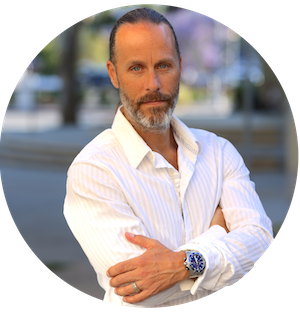
Kevin Anthony is a Certified Sexologist, Tantra Counselor, NLP Practitioner and a Sex, Love & Relationship coach. For over 10 years he has worked with men, women, and couples to have the relationships of their dreams, and the best sex of their lives! He is also the host of “The Love Lab Podcast”, creator of the popular YouTube channel Kevin Anthony Coaching, and creator of the popular online course series “Power and Mastery” as well as other online courses for both men and women.