Kevin Anthony 0:00
Welcome to the Love Lab podcast, the place to be for honest and real talk about relationships and sex, whether you’re a man or woman, single or a couple, this is the show for you. I am your host, Kevin Anthony, and I am here to help you have the relationship of your dreams and the best sex of your life.
Kevin Anthony 0:26
All right, welcome back to the Love Lab podcast. This is episode 364, and it is titled, What is performative masculinity, and is it hurting your relationship? Masculinity a big topic these days that you see out there in the interweb spaces, everywhere, somebody’s talking about masculinity and what it means, and how to really be masculine, and what you should do and what you shouldn’t do. There’s a ton of information out there, and you know, some of it is good and a lot of it is just complete nonsense, in my opinion. You know, I won’t mention any names of influencers out there who are saying certain things. I will also say that some of these influencers have some of it right, and then some of it really wrong. And that’s where it gets confusing, right?
Kevin Anthony 1:15
Because you might hear them say something that’s like, yeah, totally like. That resonates with me. I get it that works. I’ve tried that, and then you hear them say something else, and you’re like, Oh, you mean, I got to do that too, right? And it’s like, well, no, not necessarily. So I’ve done numerous episodes on this show about masculinity, because I’m trying to put better information out there. I’m trying to get this clearer so that men can understand, you know, what it is to truly be a healthy, masculine man in today’s day and age, because it’s different now than it used to be. And yet, there are some things that never change, right? So that gets a little confusing for modern-day men, and so we’re trying to help clear that up. So today, specifically, we’re gonna be talking about performative masculinity. And I know you probably don’t even understand what that means yet, because honestly, I didn’t know what that meant till I asked my guest either, but having had a pre-conversation about this. I thought, okay, yeah, this is definitely something that happens, and this is definitely something that is important to talk about, and it’s different than the ways that I have approached talking about masculinity on this show in the past. So stick around, because I think it’s going to be a fascinating conversation. And you know, I always say too, most of the content that I do on this show is really designed for both men and women, even if the topic is specifically more about men. So in other words, when we’re talking about masculinity and performative masculinity, yes, a large portion of this is going to be helping men recognize when they’re doing performance, performative masculinity, and what they could do that’s better, right? But at the same time, ladies, it’s important that you listen too, because you will get to learn what the signs are that he is being a performative masculine, right? So that can help you make better choices about, you know, choosing the right man. It might also help you recognize how you can help support your man in becoming a better version of himself. So, you know, I think this will be interesting for both men and women to listen to.
Kevin Anthony 3:30
Before we dive right in and I introduce my guest, a couple of short ads from the show sponsors. Ladies, did you know that the overwhelming majority of men consider receiving oral sex a must in their relationship? Of course you did, because men have been asking you for it your entire life. But do you feel confident in your ability to give great oral sex if you tend to avoid it because you don’t feel like you are good at it, or if you feel you are pretty good, but want to get even better, then my new blow job mastery course is for you. I have teamed up with the amazing coach, Ry Duong of Eterna Love, to bring you a practical and easy-to-follow course that is guaranteed to increase your confidence and skill when giving oral sex to your man. In this course, you will get all the secrets to mastering the art of oral sex with step-by-step instructions and multiple live demos. Go to https://www.sacredfemininearts.com/bjmastery. That’s https://www.sacredfemininearts.com/bjmastery.
Kevin Anthony 4:23
I created that course because I did a video on my YouTube channel about what men consider a great blow job. And it kind of went viral, at least for my channel. It went viral. It blew up. It’s one of my most-watched videos of all time. And the comments I got on that video were primarily from women talking about things like, I had no idea that’s what men wanted. So I was like, okay, there. There must be a need here. But obviously, I’m not the right one to teach that. And so until I found somebody, a really beautiful example of a feminine woman who was willing and able to teach this, I wasn’t able to make it. But I found that person, and I’ve made this course, and I literally I love it. Over the weekend, I got the most beautiful email from a woman who took the course, didn’t tell her husband that she was taking it, and proceeded to tell me about how he couldn’t stop talking about, you know, this blow job that he’s received all weekend long. And of course, she’s greeting from ear to ear, so go check that out. https://www.sacredfemininearts.com/bjmastery.
Kevin Anthony 5:28
All right. My guest today is Brianna Bass, and she is a therapist, board-certified clinical sexologist, and former corporate executive. She helps high-functioning, emotionally intelligent individuals and couples break patterns, heal relationships, and transform their lives through direct, no BS therapy. Her work bridges emotional insight with real-world impact, tackling everything from modern dating and burnout to intimacy, ambition, and identity. Welcome to the show. Brianna.
Briana Bass 6:00
Thank you. Thank you for having me.
Kevin Anthony 6:03
I have to say, having read your bio, you’ve got that line in there about no BS therapy. And I can, I can already tell, just from the little bit we’ve talked, that that is absolutely true. You’re definitely a No BS kind of person. Oh, but I think that’s great. I love that. I think, I think part of the problem with a lot of therapy is that they’re not direct enough. They spend way too much time just letting the person, over the next 10 years, try to figure it out on their own. And I really love it when people can be direct. No, Bs, call it like it is. So I think that’s a good quality to have.
Briana Bass 6:43
Thank you.
Kevin Anthony 6:45
All right, so we’re going to be talking about performative masculinity today, and as I mentioned in the intro, even I didn’t really know what that meant. So I’m wondering if you could take a little bit of time to explain to the audience what we’re talking about when we say performative masculinity.
Briana Bass 7:04
Yeah, performative masculinity essentially means we are interacting with the world, and I’m speaking of males for the sake of this conversation, with a social mask, rather than authentic expression that sounds kind of fluffy, but more literally, it’s playing the role of the ideal man instead of living as yourself. So for example, a guy is into playing the guitar or poetry or bird watching, but perhaps never leans into those hobbies or discusses them, because his relationships revolve around sports or talking about women or going to the gym, and he’s going to his day job, and kind of just feeling burnout, stuck in that, and perhaps he sees some of those sides of himself as overly soft or weak, or maybe even catches himself speaking about women or hookups, locker room talk right when he doesn’t even actually enjoy it or feel that way, but what he knows and what feels natural and comfortable is operating in that ideal man state, especially, of course, we see this in any kind of relationship.
Kevin Anthony 8:16
Yeah, when we were talking in the pre-interview, the note I wrote down when you were explaining that just for me to understand it more was what men believe they have to do to attain certain things, that was, that was the note that I wrote down based on what you were sharing with me. So it’s this idea that this is what men think they have to do in order to be masculine, versus, you know, what else is potentially really masculine, right? So, like, yeah, the example you just used is, you know, locker room talk, right? Like everybody thinks, oh, you know, real men, you know, they talk about women and they talk about, you know, grabbing them by the pussy and blah, blah, blah, or whatever, right? Like, like, that’s supposedly masculine behavior, and some men might engage in that simply because they think that’s what is they’re supposed to be doing, when, in reality, that’s not really masculine at all and potentially even harmful.
Briana Bass 9:10
Yeah, you’re exactly right. And I think a key note of something I said was that it’s natural, it’s second nature, because I don’t want people listening to this and thinking that doesn’t apply to me because they’re not having a conscious sort of dialog, inner monologs with themselves. Why am I saying this thing out loud when I don’t even really feel that way? It’s far more covert. So you could be behaving this way your entire life, for 20 for 30 years, like I said, being burned out, going to the job, doing the things, keeping your emotions suppressed, staying silent, suffering in silent, all these different ways, where it’s actually in the quiet is that performative masculinity and some of those hidden costs. So don’t be confused about the fact that you’re not out there screaming from the rooftop. Something really outlandish. It can be far more subtle than that. Yeah, but still have the same kind of consequences.
Kevin Anthony 10:02
Yeah, and that’s a perfect segue into my next question, which is really, how does it show up? So what types of behaviors are associated with you started to mention some of them. I wrote a list down from our previous talk about them, but share with us a little bit of how this shows up. What are some of the behaviors that you know men might do that are more performative?
Briana Bass 10:23
Some of the behaviors that men might do that are around the whole performative masculinity thing could be like stoicism, right? Stoicism has gotten so buzzy, and it’s really important for me to educate people, especially my male clients, on what stoicism is, because it’s entirely celebrated, and honestly, it should be. Stoicism is awesome. It really is great. And if you want to go back in time and study some of that, it’s a beautiful thing, but it’s misunderstood in today’s society as being emotionless. That’s absolutely not what stoicism is. Stoicism is perceived as, okay, you know, I’m the calm in the storm, but that’s it. No, you’re still layered. You still have all the same emotions as somebody else. However, your ability to communicate them to maybe be a little bit less hyper-reactive. That’s what stoicism is. So that is just radical masculinity. How intoxicating to have a man in your life who is calm, can be emotionally regulated and things like, and has the spectrum of emotions, though, but knows how to show up and deal with them, communicate about them, speak about them. So, not the popular definition of stoicism.
Kevin Anthony 11:31
Before we go to the next one, I really want to talk about this one a little bit more. I’m glad you started with it, because it is one I really wanted to talk about, because you’re right. I think the classic definition of stoicism is, yes, like, basically, you know, no emotion sort of. But I think the way that is often interpreted is that you suppress the emotions. You don’t actually have the emotions. And that is not actually healthy stoicism. Healthy stoicism is that you have the emotions, but as you said, you’re able to regulate them so you’re not having emotional reactions. You’re still the rock, right? You’re still the calm and the storm. But that doesn’t mean that you’re suppressing those emotions and shoving them down and letting them tear you up from the inside, or it doesn’t mean that you don’t express them. It just means that you express them in appropriate ways at appropriate times, right? And I think that is a huge misconception about stoicism.
Briana Bass 12:27
Yeah, you’re completely right. And I hate how that definition got popular and has kind of taken over. So I’m glad we’re having this conversation, also from an education standpoint, a couple of key points when I talk about stoicism and with males in particular. One, yes, you’re right, not the repression of emotions you have and experience the full spectrum is how you interact with them and how you communicate with them, absolutely not the lack of two, a word I used earlier, which was very intentional, which was, we’re not hyper reactive. So again, we feel the emotions, but we’re not at their mercy in a way where we’re not still in control.
Briana Bass 13:02
Okay, another key part to think about stoicism, when we’re using the correct definition of the word, is, I receive an input and I’m going to have a point of delay until I deliver my output. So we’re in the office. You come into the office and you say something upsetting or concerning, or you introduce a problem. I could start right in leading with emotion, concern, fear, insecurity, upset, and interact with you on that, or I could have a point of delay, a small point where my brain, okay, we pause, we process this, and we choose to react in a way that’s a little bit more calculated. We still had those emotions. They weren’t absent. We just had that point of delay, so you’d be a little bit more poised. And really the word is regulated, emotional regulation. And it’s so funny that ironically, what women, I promise you, find the sexiest, like oozing sexy in men, is that emotional regulation. And women love it when men talk to them about their emotions, and when they can connect with them on a really deep emotional level. That’s what it is that makes a woman just completely head over heels for you, that would require emotional regulation and not being hyper-reactive, which is stoicism, so totally not what you know the popular definitions can be. It’s quite the opposite, actually.
Kevin Anthony 14:18
I completely agree. Let’s go. I know there are several more here, at least there are several more that I have on the list. I’m going to just start with one in particular that I also really want to talk about, and that is dominance. Talk a little bit about how that can be performative, and maybe what some of the problems with that are.
Briana Bass 14:40
Yeah, dominance is another one that can be artificially performative in that it’s the need to control the situation, needing to feel competitive, also across a number of scenarios that don’t necessarily warrant that. So, for example, if we go back to the relationship. Conversation. I see a lot of my partners get into competition with each other. They get a little tit for tat. You didn’t show up for me the other night in that way. Well, guess what? I’m not going to show up for you in this way, or you didn’t do the dishes the other night, and I feel now like you’re indebted to me, and I feel a little bit of competitiveness, and who’s carrying their weight more? So I think that’s also a flex of this performative masculinity, sort of keeping score and dominating. I’m dominating my household, maybe I’m dominating my partner, or, you know, other places.
Briana Bass 15:33
Of course, it makes more sense, like in the workplace, sometimes you do need to show up in a way that commands the room. That’s not necessarily dominance, though. So dominance is, is, is we’re taking it too far with a desperate need to control situations in my environments so that I feel safe, because being a man is being dominant, and that’s the only way I can feel safe, is if I’m in that type of seat and in that type of power position. But guess what? Life does not work like that. You cannot show up in an array of environments and be dominant. It’s not gonna work. You’re gonna fail at that, and people are not gonna like you, and your partner’s not gonna like you.
Kevin Anthony 16:08
Yeah, and I think much like when we talked about stoicism, we talked about the definition seems to have changed. And I think that is a similar thing that’s happening here with dominance. Because if you go out there in the manosphere and listen to everybody talking about what it means to be a dominant male, you get a very different definition than what we’re actually talking about here. And I think that’s confusing to a lot of men, right? And they’re like, Oh, I gotta go out and be dominant. Like, I gotta, I gotta rule with the iron fist. I gotta be the one that takes charge. I gotta be the one that you know. And as you’re saying, you know, there might be some times or places where that’s appropriate, and there are places where that’s not appropriate. And to think that you have to approach every situation from the point of view of I need to be as dominant as I can possibly be is not going to help you in many of those situations.
Briana Bass 17:02
Yeah, it’s not. There’s a lot of things wrapped into the topic that we’re discussing today that are ironically counterproductive, like it might be the topic when I think of various topics that I work with, like the number one, as far as the items within it, are, ironically, very counterproductive, like the very thing I see so many of my male clients trying to achieve, or the laws of life, or personal ethics and personal brand that they want to live by. They’re following these external noise that we’re all hearing these rules, and they’re hitting these walls, and I don’t know how we’ve got, you know, so far from what actually is effective and will actually or what will actually get them there, but it’s really what you and I are talking about today.
Kevin Anthony 17:48
Yeah, and I don’t necessarily blame them, because it is a very confusing space out there with all of the noise and all the things that people are talking about. But I just think it’s really important for men to understand that there’s nuance here, right? And, you know, I think too. You can tell me what you think about this, but I feel like in previous generations, I feel like men sort of already knew what they needed to be like they had better role models. Maybe, I don’t know, but it’s like today, I just feel like they seem lost. And because they seem lost, they’re going out to, you know, I’m kind of jokingly called it the manosphere, because that’s what other people call it, but, but they’re, they don’t really know what to do, and they they seem to have lost their inner guidance around it, and so now they’re going out externally, trying to find answers from other people, and now they’re getting all of this mixed information. I mean, what do you think about that idea?
Briana Bass 18:53
There’s so much mixed information for males. And yeah, I also can have empathy for this. So yeah, I’m not a male hater over here, just because I keep talking about today on because of our subject matter, about, you know, kind of what’s not working. No, I have empathy for that. I get it. There is a lot of noise, and I can appreciate the beauty and the desperation to go out and seize resources, listen to them, and review them. Awesome, however, and unfortunately, it’s not entirely reliable. You know, women are more independent than ever. They’re more at peace being single than ever. Our relationship, our child, birth rates, all that stuff, are all different than they used to be. So I think men are especially in a panic right now. Of like, why is this relationship thing not feeling as natural as it used to feel 10 years ago?
Briana Bass 19:43
As far as getting into one, I’m talking about dating and things like that, or we’re into it, and it’s, it feels clunky, it feels it feels off. There have been so many shifts, societal, cultural, women have had, like, remarkable shifts, right? But if the male sort. Messaging and things are all states have all stayed steady and haven’t evolved with the current climate. And they’re operating still from that primal, that sort of think of like Neanderthal type of caveman type of mentality, because that’s what our brain does. It’s not going to fit. It’s not going to fit. So they’re going to pick up on that. Their spidey senses are going to go, Hmm, I’m not crushing this the way I used to seek out resources, seek out information, tick, tock, online, whatever. And so much of it is going to be contradictory, confusing, things like that. So I got it too. It makes sense to me that the guys are feeling a little bit lost right now.
Kevin Anthony 20:37
Yeah. I mean, some of them are definitely coming from, as you put it to Neanderthal way, but, but I what I see mostly, and you know, this might have to do with, you know, the type of people that are attracted to, you know, working with me, but what I’m seeing more in in the men that I work with, they’re not so much coming from that place. They’re literally coming from a place of, I don’t, I don’t even know what it means to be a healthy man anymore, because I’m told that all of the old ways are terrible and we’re not supposed to do that anymore, but the new ways aren’t working for me either, right? So they just, they literally don’t know what to do, and this is why they go out. And I think kind of what I was saying was, I feel like they’ve lost some of their inner guidance. You know, it never used to be that difficult, like a man just knew who he was and he knew what he needed to do, and he knew how to show up for the most part. I’m not saying it was always perfect, because it definitely wasn’t, but there was more of that, and I feel like today’s men have really kind of lost that, and they really just don’t know even what it means anymore to be a healthy man.
Briana Bass 21:38
Yeah, I certainly agree with you. I had conversations like this, though, that are certainly part of the solution. This is starting to get more attention. I’m doing what I can on my own to promote it, and obviously so are you. So this is a solid start. Mental Health, right? Has also taken a societal shift where that was embarrassing. Talk about masculinity that wasn’t seen as masculine, that was seen as weak, going to someone talking about the challenges you’re facing, processing things past baggage, trauma, getting help with your relationship or your career, etc, I have seen a shift in that culturally, therapy is starting to become cooler, more of a badge of honor, right? I have a therapist. I think of every celebrity you know, they’ve got a few probably on call, right? So I have seen a shift in that I am getting younger males, 22, 23 ,25, 26, and I do see a generational difference from my 50s, 60-year-old clients that maybe still feel like therapy isn’t quite for them, or again, is that weak lack of masculinity thing to do. I do think generationally, there’s coming, there’s there’s, there’s a shift that’s trending a little bit in the direction that you and I are hoping it is, which is to embrace masculinity in a way that’s really healthy and is in the male’s best interest.
Kevin Anthony 22:54
Well, I’m happy to hear that. I’m glad that you’re seeing that, because it’s something that is desperately needed. And I get, you know, I’ve been sort of, it’s been going through my mind. We’ve been talking about all of this stuff. I know what’s going to happen when this show releases. I’m going to get at least a handful of comments from guys who are going to be like, Man, this is the most beta BS I’ve ever heard. I know it because I get it every time I do a show on something to do with masculinity, right? No matter how much I try to tell people, like, you know, I use the term integrated masculine, where I talk about how you take some of the classically masculine traits, right, and then you incorporate some of the new skills that I think men need to have in order to function in today’s society. And you, you bring them together. So I call it the I always get feedback from a couple of those, those dudes, I’m gonna call them dudes who are like, Yeah, what a bunch of beta BS. Inevitably, that’s gonna happen.
Briana Bass 23:55
Which is so crazy to me, because I am not crazy. I mean, I get it, I get it, I do, but yeah, so wrong, because a lot of what I do, the entire point is to get the guy to win the be in the relationship, have more intimacy, be better in the bedroom, and get promoted at their career. Like when you think of results, what I am working towards, if it’s what the client desires, is all the things that the beta dude that’s messaging you wants and would see as the ideal or hopeful outcome to how they navigate life in a masculine way. And I’m implementing what you and I are talking about as, which is the different form of masculinity, so that they can get results. If I thought for one second this wasn’t it, and it was what the beta dudes were messaging you, well, then I’d be implementing that, because I need my clients to get results. And the results are coming from this stuff, what we’re talking about today, like period. So if you want to win the women, if you want the better partnership, if you want to want you more, if you want to. Have more bedroom activity. This is it. This is the stuff.
Kevin Anthony 25:05
I completely agree. I generally laugh at them when they make those comments. And I would say, you know, any men that are listening, you know, definitely tune that noise out. And, you know, I agree with you, results are what speak most. And you know, if these are the things that you want to achieve, then don’t hesitate. And, you know, it’s kind of like, kind of like I was reading that ad at the beginning of the show, right for the course for women that I created and and I mentioned that the woman had, you know, just taken the course. She didn’t tell her partner that she was doing it, and she just started implementing the things that she learned, and was seeing positive results. If you’re a man out there and you’re listening to this and you’re worried about being judged because you’re going to be called a beta or whatever stupid shit that some of these guys will say, you don’t have to tell anybody you’re doing it. Just show up. Work with somebody like Brianna, work with somebody like me, apply the techniques that you learn, and then watch the results happen. And then everybody can say, I don’t know what you’re doing, but whatever you’re doing, it’s working, right. And you can just grin and say, thank you.
Briana Bass 26:14
So true, so true. None of the things that we’re talking about today, or that I would speak with a client about, are, yeah, yeah. They’re not on billboards. They’re not something you wear on your chest. You could implement all of them pretty much in almost silence, and no one would clock that you were going through some sort of like, let’s try this on for size and do things differently, et cetera, yeah. Let the movement. Let the way people respond to you interact with you; let your colleagues at work be the testament to what I’m talking about and what you’re talking about, as far as it being effective and the way to do it.
Kevin Anthony 26:48
Absolutely, it works. It’s the exact same thing I tell women too when I’m working with women and I’m helping them, because, you know, a lot of women struggle with being super in their masculine all the time, and so do a lot of work around helping them be able to really embody their femininity and learn how to switch back and forth when when needed. And I see the same thing all the time. Just, just go out there and do it, and watch how men start to change the way they react towards you.
Briana Bass 27:13
Yes, yeah. And that’s, I know we’re not talking about that subject today, but that’s such a great subject, too. So again, I’m not being a male hater. We could switch it and do the women, and they’re being too much of their masculine whatever, and the conversation would be about how women are getting it wrong.
Kevin Anthony 27:28
Exactly. Okay, so we talked about stoicism and dominance. Are there any other ways in which this performative masculinity shows up?
Briana Bass 27:39
Yeah, I think one. I’ll mention it intentionally, because we were talking about the kind of males and stuff like that. So one way would be just grinding through, right? We just grind through if we have a very narrow way of seeing masculinity, and it involves keeping our head down and going through the motions, getting work done on a day-to-day basis, getting the job done, coming home, doing X, Y, Z, right? That’s it. Then we look up in five years, perhaps we hate our job. We’re totally burnt out, we’re exhausted, and then what we feel ourselves getting irritable, we’re short with people, and just honestly, more simply, you’re just unhappy, you’re just unhappy, you’re unfulfilled.
Briana Bass 28:21
So I think some of that performative masculinity is that grind, that this is what I do, and I got to do it no matter what, and I don’t share with anybody that I’m hating it right now or that I’m miserable. And a lot of times, guys, if you think of like a traffic light, just because I can’t think of anything right now, that’s like green, yellow, orange. There’s no yellow. But you know what I mean? Guys often will say something in the darkest red. Women will often say something when we’re like, lightly yellow. And this has a radically different result, right? So if men would communicate, which is very masculine, because it’s back to like, the regulation and stoicism that’s assessing a room and knowing what strategy I should implement?
Briana Bass 29:04
And that’s strategy, I’m going to start to pipe up about something in the yellow, or this train is starting to get off its tracks. I’m going to address it in the yellow, not when it’s dark red, because I found out that I either couldn’t do it alone, or it’s now cost me the consequence of being very disconnected from my partner, or there’s some incredible consequences at work. So I think that grinding through head down, go through motions, Groundhog Day, get after it, get after it, get after it. On the phone all day and night, computer, whatever, that gets us into the dark red eventually, and we just get so burnt out. And that’s absolutely performative masculinity.
Kevin Anthony 29:39
There are two important points on that one. The first one is that it can be tricky, because, to some extent, as men, there are times when our masculine role demands that we push through things, right? Sure, because that’s, that’s what we do, is as masculine men. However, if we’re always. Is pushing through and always sacrificing ourselves and not taking the time to actually take care of ourselves, that can then start to have the opposite effect, right? And so I think it’s tricky for some men, because, like, well, I thought, you know, like, I’m the provider for the family. Like, if I’m not working all the time, how do I make sure my kids have what they need and my wife has what she needs, but then they do it too much, and, like you said, they end up, you know, being, you know, like, snappy with their wife all the time and hurting the relationship, or not spending enough time with their kids, or when they are with their kids, they’re yelling at their kids all the time because they’re just stressed out to the max, right?
Kevin Anthony 30:40
So I think that’s important for men to realize that, yes, there’s a part of that that is sort of your responsibility as a masculine, but it’s also your responsibility to take care of yourself and do it in a way that’s healthy. So I think that’s kind of an important point, and I think that’s why that gets seen as being masculine, that idea that you have to push through all the time. But as usual, they’re not given the full explanation of what that really means and how to do that in an effective way.
Briana Bass 31:12
Yeah, you’re right. That is a very critical nuance. And if someone maybe just heard the sound bite we just said, they would still be left confused, because they’re going to wait. But I’m also supposed to be that rock, like we talked about, well, how would I do that without pushing through stuff? So you’re right, it can get very confusing. So to be a little bit more distinct, it’s burning the candle at both ends. Wearing that like a badge of honor. I am that I think it’s sexy. I think it’s cool. I’m sort of proud of the fact that, like, I’m so burnt out, I worked until three in the morning, or I’m doing this and I’m running to X amount of things throughout the week. So, so that’s where we’re tipping the scale from, right?
Briana Bass 31:56
We’re showing up in a way that is important, because we’re pushing through stuff and we’re delivering. We’re taking care of house and home, let’s say, in whatever way that applies to you, even if you’re a single male. But then we get into a territory where, back to my, my sort of traffic light example, we’re in the dark red, and we’re just speaking up, so saying something in that yellow. It’s not that you’re you’re bed rotting, it’s not that you’re quitting, you’re not giving up, you’re not flipping a desk and saying, I’m not going to push through this anymore. No, no. It’s the communication about it. It’s how you deal with it, in doing it before the dark red, that is the critical piece. And then the other thing would be, I think it has gotten trendy. It has gotten cool and sexy and be seen as masculine, that burning the candle at both ends, that thinking, look at me. I am working in the stock market, and I’m doing it all day and all night, and I’ve got 10 screens, and it’s my whole identity, success, success, success. And we’re on this treadmill that’s too far.
Kevin Anthony 32:54
Then the second, the second piece that I’ve mentioned is exactly what you were saying, which is, we definitely, as men, tend to not speak up until it is way, way in the red zone, like way in the red zone, and I have been guilty of that myself, for sure, not really speaking up until things are really, really bad. And you know, the one hand, it’s like we have as men this enormous capacity to be able to hold all of this, which is great, but sometimes we hold too much of it to the point where the dam literally explodes instead of, yeah, exactly, exactly, and that, that is not good, because the people on the receiving end of that explosion generally tend to get hurt, which could be your spouse, could be your kids, could be Close friends, whatever.
Briana Bass 33:42
I work with a lot of my couples where it’s common, there’s a little bit of a gender divide between maybe the woman is expressing herself, and it can turn into nagging, and it can turn into all of that right, natural fare over time, right? And on the guy’s end, he’ll withdraw, and he’ll suffer in silence, and then he doesn’t and he explodes, and there is a pressure cooking that’s happening there in shrapnel that’s going out. Now, the issue has not even become about whatever that original issue was. It’s about the damage that was done in the explosion. So now we’ve completely lost track of what we even need to fix at the core. Now she’s hurt by comments you’ve made that maybe you didn’t mean, etc.
Briana Bass 34:25
Now the attention is on the fact that he punched a hole in the wall, or he exploded, or he sent me a really ugly text message, and I, as soon as I start hearing that, I do immediately know. Okay, wait, so were you? Silent, silent, silent, silent, silent, and then not. What if we released that valve, we loosened it and had some of the pressure go out over time? I wonder if we would avoid the explosion. And almost always, it’s incredibly effective. But back to the masculinity conversation. They think I’ll say something when it’s at the darkest red.
Kevin Anthony 34:58
I think personally. That it is a master skill to know where your boundaries are, where your limits are, right. Like, if we want to talk about masculinity, let’s quote one of the all-time masculine role models of Hollywood, Clint Eastwood. There’s that classic line where he says, in one of the movies, a man has got to know his limitations. And I think that’s really important. In other words, when we don’t speak up until we’re in the red, right? And then we explode, and we hurt people and but we say, Oh, this masculine we got to hold all that stuff, you know? And it’s like, I personally think it’s more of a master skill. It shows that you’ve got more skill and more control, if you can say, before you get to that blow-up point, you know what? I am maxed out. I don’t have any more bandwidth. I need to take time for myself. I need to draw a boundary, that idea that you can draw a healthy boundary as a masculine man, rather than trying to contain it all and then exploding it out when you can’t contain it anymore, I think actually shows you’re more of a man than the guy who bottles it up and then explodes.
Briana Bass 36:10
Yeah. And if we want to think of an even more juvenile or elementary terms, and to the point of your your the beta males emailing you, think of respect, right? Think of, think of like men in your life, and the ones that people really respect. When you have the pressure cooking, male who’s silent, silent, explodes, goes off on everybody, or, you know, and that’s on a spectrum, right? It doesn’t have to be as dramatic as maybe I’m making it sound, right? That guy is not nearly as respected as a man who does, who you’re saying, communicates, the boundaries, sets them along the way, all of that, just from a just think of like colleague, someone like, not even from a partnership standpoint, those are the guys that everyone’s drawn to. We find them to be magnetic. We’re who they speak to, and we’re like, head nodding, naturally, that’s that kind of guy.
Kevin Anthony 37:04
Yeah, we’re a little bit more than halfway through the show. We could probably spend the rest of the show just talking about some of the other ways in which this shows up. But I do, I do want to move on and talk about a couple of other things that I think are really important, that I don’t want us to skip in the show. So let me just take a short break for a sponsor ad, and then when we come back, I want to talk about, you know, what are the needs that men are seeking by doing this performative masculinity? Because I think if we can understand what the need is, then we can identify healthier ways to get that need met, which, of course, then leads us into the next thing, which is, okay, men were telling you that some of these patterns of behavior are what we’re calling performative masculinity, and are not serving you or your partners. What is a better way to deal with this? So that’s what I want to talk about when we come back.
Kevin Anthony 38:01
All right, men, are you tired of falling short in both the bedroom and in your relationship? Do you want your woman to respect you and crave your cock? Do you want to be the man she secretly brags about to all of her friends? What if you could become this man? What if you could not only master your masculine sexuality but also be the dream man who shows up for his woman in all the ways she desires? What if you could become so irresistible that she becomes addicted to you? If you are ready to become that man, then go to https://www.kevinanthonycoaching.com/men/. That is https://www.kevinanthonycoaching.com/men/. That is obviously an ad for my Men’s coaching program. This is where we get to actually work on all of these things together that we’re talking about today, and, of course, so much more, but that’s all incorporated in that program. So check that out. Kevin Anthony coaching comm forward slash men, and at the end of the show, as always, I will give my guest, Brianna, an opportunity to talk about where you can find her and work with her. You know, I say this basically almost every time I have a guest on the show.
Kevin Anthony 39:02
But by now, you should understand that what I really, truly care about most is that people get the help that they need. So if you are listening to Brianna and you’re like, I really resonate with her message, and I would like to work with her, please go do it. I want you to work with the person you want to work with. It does me no good for you to come and work with me, and when you don’t really want to be doing so because you’re not going to get the change that you want. So yeah, check out my program if that feels right for you. And if you like what Briana is saying, we will share where you can work with her at the end of the show.
Kevin Anthony 39:35
All right, so we were talking about how this performative masculinity shows up. We talked about stoicism dominance. We talked about just sort of grinding through. We didn’t necessarily cover suffering in silence or hiding emotions, but those are some other ways that they show up. So let’s talk about now. You know, when men do these things, they’re obviously a strategy. Strategies, right? There are strategies to accomplish something, right? So there are needs that need to be met. There. Could you talk about what some of the needs are that men are trying to get satisfied through this performative masculinity?
Briana Bass 40:14
Belonging? Belonging is, is the biggest one. You know, in my PhD program, it drove me nuts. We repeated it constantly that the number one driver of human behavior was the need to belong to a group. And I see that a lot with this performative masculinity, there is a need to be whether it be accepted at work, in our relationships with strangers at a grocery store, but innately within us driving is this need to belong, historically, right? Male survival depended on being accepted by the tribe, and the brain still treats exclusion as a threat, a threat to life, a threat to right, you’re going to end up alone. You’re a loser, you’re a failure. That negative talk track. That’s the brain doing its job of trying to get you back on that belonging route.
Kevin Anthony 41:06
So that’s a big one. That is a big one. I consider myself so fortunate that I have never felt this need to belong to a group. I don’t know why. I’ve always kind of been like the loner, even in high school, I didn’t belong to any one group. I had friends in all the groups. Like, one day I might be hanging out with the popular jocks, and the next day I’d be hanging out with the metal heads, you know, I mean, it was the 80s, 90s. I’ve just never felt that desire, and it was hard, you know, when I was younger and growing up, because I never really felt a part of any particular group, but as I’ve gotten older, I’ve really come to appreciate the freedom that that has given me, because I didn’t specifically go out and do things to try to fit in.
Kevin Anthony 41:55
And yeah, but I can see that a lot of people do, and if what’s interesting is, what I’ve experienced personally is, you know, other male friends who are trying to get me to, you know, belong to the group all the time, trying to say that it’s somehow in my best interest is massive projection. It’s just because it’s what makes them feel safe, you know. So they’re like, You got to do the same thing. So I see it a lot, and I’ve experienced it from that point of view, but fortunately, I’ve never really experienced it the other way, but I can understand it because I see it.
Briana Bass 42:29
Yeah, yeah, I gotcha. And you know, it has its pros and it has its cons. Right back to our conversation about nuance, isolating ourselves, not good either, but being driven in a way where the reason for wanting to belong is more so about us feeling like we’re worth it, like we’re enough, because that’s how we get that feedback, that’s how we find corroboration. Either way, right? I’m rejected, so I know I’m a loser, or, oh look, I’m being desired, I’m being wanted, I’m belonging, I’m fitting in here, corroboration for like, Okay, I’m worth it. I’m interested. You know, people want to be around me, so it’s that external validation, and that really gets us in a rut.
Kevin Anthony 43:15
So we have a belonging to the group. There are some other needs. Often, I know that was a big one, but there are some other ones. Talk about some of the others.
Briana Bass 43:23
Meeting societal expectations, similar to belonging, but still kind of different, right? So the cultural script and what that says, which is, stay strong, stay silent, stay capable, and let others know about your capability, which might be that whole burning candle at both ends and grinding, grinding, grinding through trauma, through work, anything, right? Even though monks are incredibly tired and exhausted, they think women want. That’s a big one, right? They think this is what women want. This is what women think is sexy or desirable. This is how I get the girl is through these things that I consider to be masculine, but like I said, are a little bit actually counterproductive to that exact goal that they’re going for. So I think that’s a big one.
Briana Bass 44:12
Many men believe that, okay, I’m going to misread these female attraction signals through a primal lens, and that primal lens is going to tell me they want strength, they want resources like money, etc, and protection, but not understanding that it’s emotional safety and that type of perfection protection that’s especially intoxicating and attractive to the Female. So they underestimate, I think, wildly, the modern female desire for emotional connection and emotional safety and protection, and misread it for more of the physicality and the resources piece of it.
Kevin Anthony 44:51
Why do you think they misunderstand that so much?
Briana Bass 45:00
Yeah, a cliche answer, but I’m, I’d have to say I think that is what’s promoted, right? Movies, TV, media, it’s what sells, and it’s also what was the talk track generationally for a long time, right? I mean, I can speak for myself growing up. I’m sure you could speak to that as well, growing up. Your dads were saying, you know, get yourself up, dust yourself off, and move on, buddy. Like, no, we don’t cry. And then when we saw the girl, you know, little girl, we would say, How are you feeling about that? You’re strong, you’re capable, you can do this, right? We’ve kind of been investing in women in this way that makes them more regulated. And with men, it was like, we’re not going to regulate these emotions. We’re just going to tell you to cut it off. Cut it off, right?
Briana Bass 45:46
You’re going to look weak and you’re not going to be popular, and people aren’t going to like you. So if you were in high school, you know, over 10, 15, years ago, like most of us, I guess, yeah, you got a different lesson. So those are all still with us today. These are things that were said in our formative developmental years. That means they are hard-coded. Hard-coded. This is a challenge to undo years or decades of messaging and scripts, and fundamental beliefs. That’s a heavy task and confusing, and your brain is going to fight that. That makes sense. It should be doing that. It’s doing its job. But this is what evolution is having these conversations and rewriting those scripts. The good thing about the brain, right?
Briana Bass 46:27
You talk about plasticity, right? It’s very malleable. You just need to reform your neural net so you just have a few positive experiences, let’s say, with women or in your workplace. Under these new sorts of guidelines that you and I are discussing today, you start getting those positive results. That’s all it takes. Now you’ve got new connections formed, and you can start to do that moving forward much more naturally, and you won’t be fighting yourself, but at first, yeah, your brain is going to be telling you don’t do these things. Don’t do these things. You were bullied in high school, or whatever the case may be, don’t do these things. If you show her how you really feel about something, she’s not gonna like you anymore.
Kevin Anthony 47:05
Yeah, I agree. A lot of it comes from society. A lot of it is programming from society, whether it’s from, you know, parents, or from movies, TV, whatever it is, a lot of it definitely comes from there. And I think part of it too is, you know, I say this all the time when I work with clients, and you know, as you know, being a therapist and working with people, you know that a lot of people’s deeper issues, like when you get past the surface level, are basically, you know, traumas that happened when they were children, right, or ways that they learned to cope with, you know, a family dynamic or something that happened when they were children. So one of the thing that I often tell clients when I’m working with them, because, you know, they hold a lot of stuff, like, whether it’s internal anger or whatever, towards their parents for the way that, you know, that went down, it’s one of the things I tell them all the time, is, yes, they may have done some things wrong.
Kevin Anthony 47:59
Yes, they might not have taught you, you know, this piece or this piece or this piece, but just remember that they were working within the limitations that they had. In other words, they couldn’t teach you what they didn’t know themselves, right? And I think that’s a big part of what is also happening here with masculinity, which is, you know, I said earlier, that part of the way I like to teach it is like we take the classically masculine traits that are good and we pair them with more modern things, like being able to communicate at a high level, like being able to talk about your emotions. We bring that together with being the protector, being the provider, some of those classically masculine traits. The problem is, though, is I think that there just hasn’t really been anywhere for men to learn the new skills that they need to incorporate, right?
Kevin Anthony 48:49
So it’s like, you know, there’s, there’s, you’re getting the signals from, you know, society that says you got to do it this way, but you’re also not getting signals from society about some of the positive things that you should be doing, and I think those two things together make it very difficult for men to really know what they’re supposed to do, or where to even find what they’re supposed to do, right? Because there’s so much noise out there.
Briana Bass 49:15
Yeah, you’re completely right. There’s certainly a disparity between what we’re often talking about, which isn’t working. This isn’t working. Do this differently, but we’re not equitably talking about so to do this instead and being very literal about that and very specific about that, and we need the noise to also be around that. And yeah, you’re right. We’re kind of stuck in this place for most of the media and most of the content that people are seeing.
Kevin Anthony 49:40
Which, of course, is the perfect time to talk about what? What could men what should men be doing? How do they learn in 2025 and beyond, how to be a healthy, integrated, masculine man? What are some of the things that they should be doing? What kind of skills do they need to add to their you know, set of skills, what new tools do they need for their toolbox?
Briana Bass 50:11
Authenticity is, is big. I know that feels a little bit vague, but it really shouldn’t, but the fact that it does probably feels quite vague as part of the issue, right? When I think of myself being authentic, I can go immediately to what that means. So that’s a little bit of a signal for you. If the males are listening and they’re like, what does that mean? How do what? How do I behave in authentic way? Well, that right there says that it’s not second nature. It’s not totally natural, but that authenticity, which is saying what you mean and meaning what you say, versus changing what you say to fit the belief of what you should say. That quote, ideal man, so it’s still being protective.
Briana Bass 50:56
Don’t get me wrong. Keep your ambition, keep those things, keep working out, keep doing whatever it is that you do, but do that while integrating emotional intelligence and nervous system regulation. I think a big takeaway from today that’s that’s quite literal, quite tangible, was our pressure cook conversation, right? If you’re noticing, I suffer in silence, I suffer in silence, and then there’s a moment, and it all comes out. Try loosening that and releasing some of that pressure more in micro steps along the way. And I wonder if that macro inciting big event won’t happen, or at least the can will be kicked further. The other thing I would talk about, or think about, if I were the males, you know, from takeaways and the alternatives were, you know, the neural net that I talked about, right?
Briana Bass 51:44
That understanding that some of the ways you act or you feeling disconnected has been that way for decades for you, this is something that’s going to have to be experiential in that you’re going to have to start making decisions to act in spite of and try that on for size a few times to allow your brain to create new neural pathways where it redefines how we can feel safe. So we tell her how we really feel about X, Y, Z., Let’s say we speak up. We’re in that yellow zone and not the dark red. What will happen is that nothing will burn down. There won’t be some grave consequence. I bet you a million bucks. Your partner likes you more. You guys feel a little bit more connected, if not. Maybe you’re not with the right partner. That’s a conversation for another day. But you do that a few times, and then just like anything, it starts to become, oh, this is safe. This is fine for me to do. I’m not going to be left. I’m not going to be a loser and a failure and all by myself, right?
Briana Bass 52:36
So some of that, I think, also understanding the neurochemical imbalance and the consequences on the body and testosterone levels when we’re operating in a way that isn’t entirely authentic. So I think that’s motivating for males sometimes. So you know, if they feel like we’re being too, woo, woo, too, like therapy ish, right. Well, okay, it’s hurting your testosterone levels if you’re operating under the sympathetic nervous system all the time, which is fight or flight, which would be triggered by wondering, how am I being perceived around or how am I being perceived by everyone around me? That’s fight or flight. That’s survival mode that absolutely kills testosterone. So there’s some like real world, like tangible, this isn’t just like fluff, consequences to your body that will happen if you’re operating in that inauthentic state and leaning towards that performative masculinity?
Kevin Anthony 53:27
Yeah, every time we talk about that, the lyrics from the Pink Floyd song pop into my head, hanging on in quiet desperation is the English way. But that is the old way of seeing things, right? And so, you know, I want to encourage men who are listening to this, you have the opportunity right now to redefine what it actually means to be masculine in today’s day and age. You have the opportunity to be something better, to step up to an even higher level than what has happened thus far, and so all of those things that you were just talking about, right? Which is, yes, keeping with, you know, the provider and the protector and all that, but also incorporating emotional intelligence and things like that. That’s where I think men today really have an opportunity to show up and redefine what it means to be masculine.
Briana Bass 54:30
Yeah, I agree, and the consequences are grave if they don’t. I don’t mean to sound dramatic at all. I just see it every day. So my bias? Yes, I’m absolutely biased. So you know, what am I doing? I’m having these conversations all the time with men. So maybe for me, it feels more prevalent or more serious, heavier. And I’m probably getting them right when they’re in the dark red, so they’re coming to me, they’re like, oh shit, so yeah, and I’m helping them get the relationships back on track. Or, you know, deal with dating. You know, swipe right dating, my goodness. So. There’s a lot that goes into that. As far as performative masculinity, it is hard for them to break out of that. I am showing up in a very rehearsal, rehearsed kind of way, and they’re having a couple of dates, and she’s out; she vanishes. And they’re like, What is going on here? I feel like I’m saying the right things, doing the right things, looking the part, etc, right?
Briana Bass 55:22
And I’m like, What do you think those parts are? Like, what does that look like to you? And we’ll kind of strip back some of those things and maybe take a different approach and see if we get some results going at it, going about it at a different angle. So, yeah, this stuff is real, very real. And you’re right. You know, the guys they do have an opportunity today and take it firsthand. I’m empirically speaking that I see couples come in falling underneath what we’re talking about today. And again, the woman has a whole litany of issues. We just weren’t talking about them today. And then when these changes are implemented by the male, that connection thrives. Bedroom life, so much better. Career. I see it every day,
Kevin Anthony 56:03
And so do I. So, yeah. I highly encourage men, you know, you want to be masculine. Here’s the here’s your first step. Take action. Take action, right? And that might mean working with Brianna, that might mean working with me, that might mean reading some books, that might mean trying some of these things and seeing you know what the effects are, but yeah, her first step is to take action. Take action to become the best version of yourself you can become. So, Brianna, tell the listeners if they are interested in working with you, where they can find out more about you and your work.
Briana Bass 56:37
Yeah, just my website. www.brianabass.org. Super easy. One N in Briana, but yeah, just my name.org.
Kevin Anthony 56:46
And that link, of course, is in the description, so please go check that out if you are interested in that. And Brianna, I want to thank you for coming on the show and talking about this. It is an important subject that needs to be talked about. I get really passionate about this topic. I’ve been trying to contain myself today, but I just think, if we are going to move forward, you know, with healthy relationships between healthy masculine and healthy feminine, we need to have these conversations.
Briana Bass 57:16
We do and we need to start having as many conversations about what to do and what solutions to implement instead of just what’s wrong, but what’s wrong was really important. We had to lay a foundation to get some attention on this, to get some ears to perk up, but I certainly agree that we need to also put as much emphasis on Okay, well, what do I do with this? Then, what do I do? What do I change starting today? What do I work on over the next month?
Kevin Anthony 57:39
Yes, absolutely. That’s why I wanted to end the show with some of the things that men can start to do, right? Because I don’t want to leave people with just great, everything’s effed. Now what do I do? Right? It’s like, okay, we understand what the problems are. We talked about that. Now, what do we do to solve it? So hopefully we accomplished that goal today, and one more time, I just want to thank you for coming on the show and talking about it.
Briana Bass 58:07
You’re so welcome. Thank you for having me.
Kevin Anthony 58:10
All right, everybody, that’s all the time I have for this episode, and I will see you next week.
Kevin Anthony 58:21
I hope you like this episode of the Love Lab podcast. If you enjoy this show, subscribe, leave me a review and share it with your friends, and for more free exclusive content, join me in the passion vault at https://www.kevinanthonycoaching.com/vault/. That’s https://www.kevinanthonycoaching.com/vault/. Thanks for listening and remember, as Celine used to say, you’re amazing!
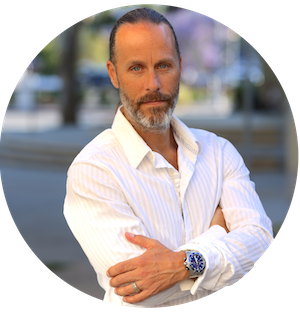
Kevin Anthony is a Certified Sexologist, Tantra Counselor, NLP Practitioner and a Sex, Love & Relationship coach. For over 10 years he has worked with men, women, and couples to have the relationships of their dreams, and the best sex of their lives! He is also the host of “The Love Lab Podcast”, creator of the popular YouTube channel Kevin Anthony Coaching, and creator of the popular online course series “Power and Mastery” as well as other online courses for both men and women.