Kevin Anthony 0:05
Welcome to the Love Lab podcast, the place to be for honest and real talk about relationships and sex, whether you’re a man or a woman, single or couple, this is the show for you. I am your host, Kevin Anthony, and I am here to help you have the relationship of your dreams and the best sex of your life.
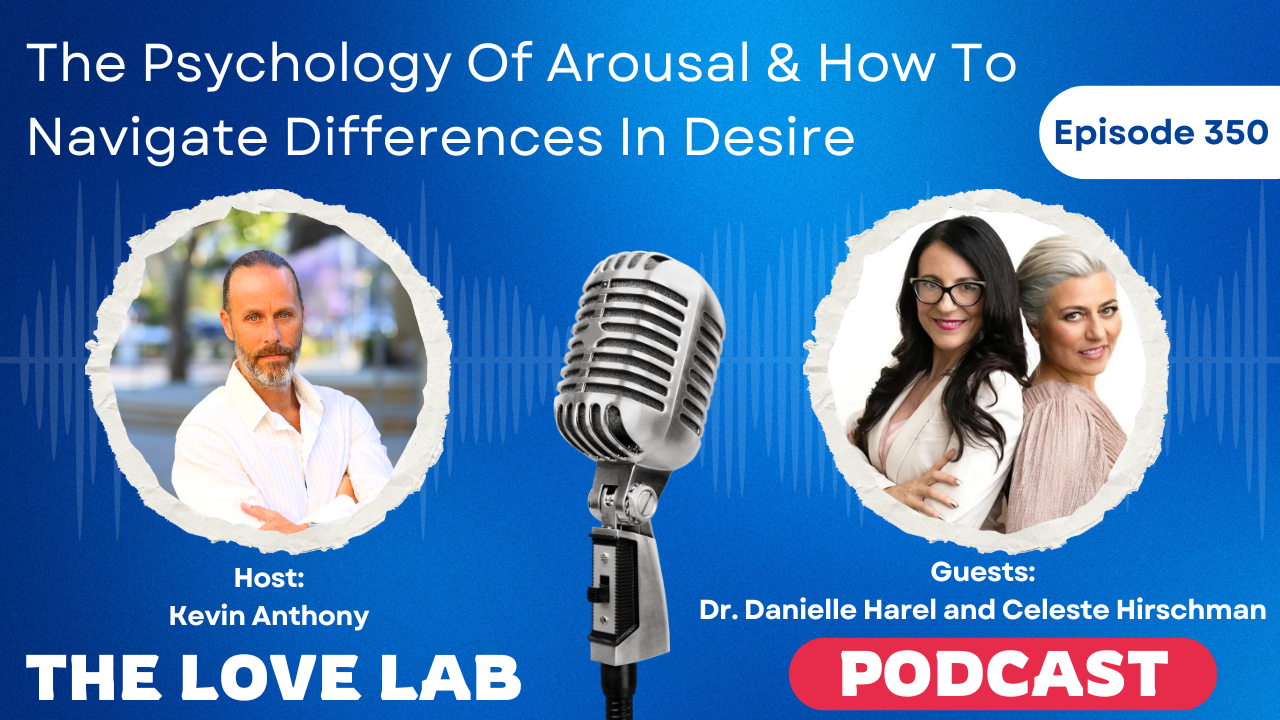
All right, welcome back to the Love Lab podcast. This is episode 350 and it’s titled The Psychology of Arousal and How to Navigate Differences in Desire. That’s a lot to talk about in one episode, but I think it’s going to be a really great episode. I have been excited to have this conversation for a while, because if you’re watching on YouTube, you can already see that I have two guests with me, and these guests are actually the authors of one of my favorite books that I often recommend to my male clients, which is this one here, confidence, I would put it in as far as books that I regularly recommend, it’s probably in the top three books that I often ask my male clients to read when I’m working with them. I think it’s an excellent book. It’s not, by the way, what they’re here to promote today.
I’m just mentioning that because that’s one of the reasons I’ve been excited to have this conversation. I think it’s a fantastic book. Apparently, though, Amazon made them change the title and the cover, so if you’re looking for it, I believe it’s called Confidence now, and it has a different picture, but it’s still a fantastic book. We may or may not talk about stuff that’s in that in this episode, but we are going to cover the psychology of arousal. So you know how desires, like where they come from. I don’t want to give too much of it away, so I stuttered on how to how to say that, but like where our desires come from, how they affect our relationships? What happens when we have different desires with our partners, all kinds of stuff around that, which really is a very popular topic, because it’s something that I often hear from clients and potential clients, about this mismatch in desire. So we’re gonna, we’re gonna talk about all of that.
But before we do, a short word from my sponsor, Power and Mastery, 3.0. Power Mastery. 3.0 is the latest version of the popular men’s sexual mastery course, if you are struggling with erectile dysfunction, premature ejaculation, or simply want to increase your skills in the bedroom, then power and mastery is for you join the exclusive club of men who have taken their sexual performance into their own hands and become sexual masters. Mastering your sexuality is a key component to becoming the man she has always dreamt of and craves. Don’t leave your sexual performance up to chance or the throw of the dice. Become a sexual master today by going to powerandmastery.com. And joining the exclusive club of men who have taken their destiny into their own hands. That’s powerandmastery.com.
Okay, my guests today are Dr Daniel Harel and Celeste Hirschman, and they co-founded the somatica Institute with a shared vision to revolutionize sex and relationship coaching through experiential learning with backgrounds in human sexuality, psychology, social work, and embodied somatic practices. They recognized a gap in traditional talk therapy, one that required a more interactive, real-time approach to intimacy and connection. By creating the somatica method, they developed a coaching framework that allows clients to practice emotional and physical intimacy in a safe, structured and transformative environment. Their work has empowered 1000s of students and clients to heal shame, claim desire, and cultivate deeper, more fulfilling relationships. Welcome to the show. Danielle and Celeste.
Celeste Hirschman 3:48
Thank you so much.
Danielle Harel 3:51
Thank you. Excited to be here.
Kevin Anthony 3:52
All right. Well, let’s just dive right in then. So we’re talking about the psychology of arousal, and when we were speaking in the pre-interview, you were mentioning that desires come from our wounds. I’m wondering if you could take a moment to talk about that. What does that exactly mean?
Celeste Hirschman 4:11
Well, you know, I think we think about wounds as like this big, scary thing, but honestly, in our childhood, we all have things that are kind of missing for us, like we don’t have, you know, perfect parenting, perfect social experiment experiences in our childhood, and because of those experiences, there’s sort of like this missing pieces or these longings that we have, like the longing to be seen or to be desired, which can be sort of like the reparation of those wounds. Maybe we were ignored, or we were, you know, ridiculed, or something like that. And then sometimes we want, like, the same experience that we had as a child, but we want to have it over again, but with our own agency. So the desires come from the wounds, but the experiences that we have as adults are very arousing and agentive, yeah.
Kevin Anthony 5:03
Yeah, it’s such an interesting thing when we’re talking about psychology and where a lot of this stuff comes from, because so much of our psychology and the way we think and the way we act and show up in the world really does come from those very early formative years, like we talk about this a lot when we talk about attachment styles, right? And how all that stuff is formed so early on. And I think people are starting to get it now, but for a long time, it just, you would tell people that, and they just couldn’t wrap their minds around, what do you mean? I was a child then, right? I’m an adult now, like they’re almost two different people.
And the reality is, is that no who we are is, you know, has been formed by all of those experiences we had, and many of those experiences happened when we were too young and not developed enough to even understand what was happening. So I just think it’s interesting and important for people to understand that you might have a desire for something in, you know, your sex life or your relationship that you think is it’s, oh, that’s just how I am. But it may have come from an experience that you had early on, which, when you realize that you realize, well, maybe it’s not hard-coded in, maybe it’s possible to change, if you’re willing to change or wanting to change it.
Danielle Harel 6:21
Yeah. So I think actually, there’s something very interesting about, like, you, like the end of your sentence, like, wow. Like, maybe it’s not wired in, maybe we want to change it. I was like, Wait, if we gotta have those impacts that started really early on and really kind of like embedded in us in some way. What would it be like if we actually didn’t worry so much about trying to change it? They weren’t focused so much on trying to change it, but instead, we would focus on accepting it and celebrating it. Because what we see a lot is people struggle, struggle with shame around those desires, and that understanding that they are not. We did not choose the desires. They were formed really early on, and instead of trying to fight them, maybe we can just, like, accept them and say, like, how we can celebrate it, because they’re very wise. Those desires are an attempt to play with those materials that we’ve been like, kind of, you know, kind of like simmering in us since really early on and trying to get some sort of resolution or playing with it in a way that feels very agentive to us. So it is actually a powerful experience to accept them and play with them.
Kevin Anthony 7:40
Yeah, well, that’s an excellent point that you made. I wasn’t trying to say that, you know, you should always want to change them, but I was thinking in terms of when people are coming to me with dysfunctional type stuff, you know, and they’re like, I don’t know, you know what to do about this. It’s just how I am. And so that that was sort of my reasoning with that, because I wanted people to understand that, no, it’s not just how you are like you could potentially change it if you wanted to, but as you say, you make a very good point that there are desires there that are formed early on that there’s absolutely nothing wrong with and we don’t need to change them. But you’re right. Society has placed a lot of shame around them, or maybe our families put shame around, or whatever it is, and so, yes, learning how to accept it and potentially even fully embrace it would be a very powerful thing to do.
Celeste Hirschman 8:30
Yeah, because we can definitely play with those experiences in ways that are safe and consensual with other adults. I think that’s one of the things that the BDSM community has taught us so helpfully, is that there are all sorts of different fantasies that could be quite taboo, that people can be very ashamed of, and say, like, Oh, why am I having this? Or even this is just the way I am. And it’s like, yes, it is just the way you are. So let’s find a way for you to play those out with other people who are enthusiastically consenting to playing with whatever you want, and they’re adults and they’re interested, so that you don’t have to feel like, Oh, this is a part of myself that I have to put away or hide, or even if it’s something that you don’t want to play out in real life, that you’re allowed to fantasize about it during sex, and so that you get these highest levels of arousal. And they were shaped in our childhood. We don’t get to choose them. I actually don’t think they’re quite, very easily changeable, to be honest, the fantasies, but we can decide what behaviors we want to engage in. We can make sure that they’re safe and consensual and with people who are really interested and excited about sharing them with us.
Danielle Harel 9:33
And I also want to add to this that sometimes people feel like really challenged by the desires they have, and I do want to say that they can be a different route, if we like, say, hey, let’s not think about our fantasies and desires. People focus more on sensations. It’s like a different route for arousal that’s more focused on sensations and like touch and being in the body. But then, like. Like, not necessarily relying on fantasies. And then the place that we kind of talk about desire, we talk about it like, what happens with those fantasies that kind of like they the one that, like, many times, created the most turn on, but for some people, the most fear and shame and like they don’t know what kind of relationship to develop with those desires. I just want to say the other routes as well. If people say, I never want to think about my desires because they’re horrifying.
Kevin Anthony 10:30
Yeah, and those, those are really valid points. I agree that if you focus too much on the fantasy itself, it can actually be distracting from the experience. And that’s something that I see when, say, men get too into porn, right? They get super into porn. They become addicted to porn, and then when they’re actually in, you know, a real life situation, they’re just stuck totally in the fantasy of it, and they can’t be present with their partner. So yeah, this idea of like, don’t hold on too much to the fantasy, but focus more on the sensations and the experience, I think is good, Celeste, you also mentioned that you may have these fantasies or these desires, but you don’t necessarily want to actually live them out in real life. And I think that is something that’s really important that I’m always telling men, look, when your woman comes to you and tells you she has a fantasy about X, it doesn’t necessarily mean that this Friday night she wants you to make that happen, right? Like, sometimes she just wants to fantasize about it, right?
So we know that, like, the number one fantasy for women is a rape fantasy, but women don’t actually want to be raped, right? It’s more of a power control kind of fantasy that they have. And so it’s important to understand that, you know, the idea of I have this fantasy or this desire doesn’t necessarily mean that I want to do it in real life, but I also like that you brought in and that you’re right. The BDSM community is a perfect example of this, where they have done an excellent job of creating a safe space and really good boundaries around how you can experience these things in a way that is healthy and safe and not necessarily creating more trauma.
Celeste Hirschman 12:17
And I think maybe I can relate to these men that you’re talking about who have a very strong bend towards fantasy, because my, you know, fantasies are very important to me in my sex life, and I haven’t tried to stop fantasizing, but instead created more of a multitask. So I move through thinking about my dirty thoughts, many of them that I don’t want to happen. And then I have my partner connection. I look in their eyes, I kiss their lips, and then I have to go into like a deep sensation, just like focusing in on the spot inside of my body that’s being pressed to get to my orgasm, right? And I’m moving through those different experiences, and I feel very connected to my partner in all of those moments. So I think it is possible. I mean, I’ve certainly had sex with men where I felt like they were so in fantasy porn land that they weren’t really there with me at all. And that is disconnecting. But I do feel like it’s possible to, like, incorporate the fantasy and come into the connection, like we don’t have to choose. We just have to learn how to be more fluid moving through those different spaces.
Kevin Anthony 13:21
Yeah, absolutely agree. I mean, and that’s when I, when I do end up working with men who are in that, that’s exactly what I tried to help them do, because the whole sort of like quitting cold turkey thing never really works for them anyway, right? So the idea is to try to get them to, okay, how can you be in fantasy but still be present? And exactly what you said, like, keep your eyes open, look into their eyes. Be paying attention to what’s happening in the real moment while you’re also fantasizing. This is also a place where things like role play can come in, so that you can be in the fantasy but still present in what you’re doing. So yeah, completely agree with that. While we’re talking about desires here, and where they come from. I’m curious to know how do these desires tend to affect people’s relationships. Right? So somebody has these desires. They were formed in childhood. Maybe they have shame around them. Maybe they don’t. How does that impact the actual relationship with their significant other?
Danielle Harel 14:20
Yeah, so I think, unfortunately, many times people don’t talk with each other about their desires very openly. So then there is a lot of, like, being in the dark around that, and they hope for some, some interaction to happen without getting to the bottom of, like, what is it that turns you on? What is it that turns you on? Because, like, if people don’t develop conversation around it, we just think that there’s, like, one way of having sex, which is what we see in the media, kind of like, you know, like, spontaneous, quick, it’s supposed to happen. And we know each other. We know exactly what to do, which is, actually, doesn’t really happen in definitely not long-term relationship, but not even always in short-term relationships.
So the first step is. Actually, to start to have this idea? Well, we actually want to talk and explore, because we might have very different kinds of core desires. We might have different kinds of feelings that we want to feel. They might be compatible. They might not be compatible, but let’s explore what it is. So starting the conversation is really important, because otherwise there can be a lot of, like, confusion. People come in with, like, low desire, or like, they stopped having sex. So these are kind of like the issues that people come in with because they don’t know what’s what went wrong. And include, like, court desires and start exploring them. A lot of the secret sauce is right there, and exploring the differences and what turns each person on.
Kevin Anthony 15:48
Yeah, it’s so interesting. When I started doing this work, I would whatever the problem was, you know, I would listen to people and I’d say, Okay, have you had a conversation with your partner about this. And the answer that would come back, you know, nine times out of 10 was, well, no, or well, sort of, I mean, I kind of maybe alluded to, you know, some, some version of that, which really indicated no, they hadn’t really had a conversation about it. And so that pattern became really clear. And I started to realize that in so many aspects of our sex, love, and relationships, the beginning to solving the problem is always the ability to sit down and have a really emotionally mature conversation with your partner.
Now, granted, obviously, you know, talk therapy isn’t necessarily going to solve every problem, but it’s like, it’s where you’ve got to start. Like, let’s start and sit down and talk about it. Because you’re right. So many people have not shared their fantasies, their desires, their needs, their wants, with their partner, which is kind of crazy to me. You know, when I think about it? Because it’s like, if you’re committing to be in a relationship with somebody, wouldn’t you want to know what they need, what they want, what they like? I certainly want my partner to know that. I don’t want my partner guessing all the time about what it is I need or what it is I want. I want to do my best to communicate that to them. But I do understand that these conversations are difficult, and a lot of people don’t want to have them because they are difficult.
Celeste Hirschman 17:26
I think it’s not only that they’re difficult, it’s that people don’t even know what the conversation is that needs to be had. That’s why we created these classes, so that you can actually kind of go step by step, like, what turns you on and why? How do you have the conversation? And then I love that your show is called the Love Lab, because we talk about the relationship lab and we say, like, you know, you’re not just going to have the conversation, then you’re going to actually go into practicing with it, either in connection with your partner, if you’re following along with one of these classes that we have, or sometimes we bring the relationship lab in with our clients, and They’re practicing with us to try out these different experiences and fantasies and more deeply understand who they are as erotic beings, how to talk about it with partners, how to listen with empathy to their partners, even if they maybe don’t want to engage in everything that their partner wants to do so the relationship needs to have like content and structure.
It’s not just like go sit down and talk about sex. Nobody even knows what conversation to have, and so it’s really, really helpful to see like, how do we get to the bottom of what turns us on? How do we share that lovingly and empathetically with our partner? How do we practice like, like a class as opposed to like? Let’s just jump in bed and hope everything goes well after we’ve had the conversation. No, we actually have to break it down and teach each other how to give us, you know, to give each other the kinds of sexual experiences that really get to those psychological and physiological arousal buttons.
Kevin Anthony 18:52
Yeah, you know, I did an episode recently called, Why is sex so taboo? And it was, it was just a topic that came to mind with dealing with YouTube and getting demonetized yet again for talking about this stuff. And I was just like, Why? Why is it such a problem in our society? And so I went and did a bunch of research on, you know, what the experts say, why this is so taboo? And one of the things that came up in that research was exactly what you just said, which is that people don’t actually even know what conversations or what topics to even talk about around sex. So, whether it’s with their partner or in that research, a big part of it was like, how did we learn about sex when we were kids? Right? Our parents were supposed to teach us because, you know, the school systems have completely let us down in that area, but then the parents themselves don’t even know what to talk about or what to say. So that’s a very good point that you brought out, is that, yes, the conversations may be difficult, right? And people may avoid it for that, but they may also just not even know what to talk about, or sometimes even though they should have a conversation.
Danielle Harel 19:56
Definitely. And I feel like many times, people jump into talking about the act. They want to have. And it’s actually much easier. It’s not easier because it’s really kind of not common to go to what actually motivates us around sex, because what actually motivates us around sex are not the acts but the feelings that we want to feel from those acts. So again, we really break it down in the classes, especially the core desire classes, we have like, what turns you on? And that’s what really helps people understand, like, how do I figure out what really turns me on? Because people don’t know how to translate from touch or from experience into feeling. And we give like, lots of options for people to see, like, wow.
Like, maybe I want to feel wanted, or I want to feel degraded, or I want to feel like I’m an extraordinary lover, or I want to feel like I’m totally in control. Maybe I want to feel overwhelmed. Or there are so many options, and helping people really narrow it down can make the conversation more effective, because then they don’t get so triggered around the acts. People, many times, get very kind of, like, overwhelmed by the acts, and they’re not ready to do different kinds of acts, but sexual acts. But then, like, Oh, why wait? That means that, like, it’s connected to some feeling. So they get more curious, and then it makes a conversation much more connected, and then people start to move to be on the same team around it.
Kevin Anthony 21:29
Yeah, I mean that. That’s excellent advice, because you’re right. When somebody comes to you and says, I want to have this experience, meaning the act, right, often the other the other partner, if they’re not into that act, can’t understand why you would possibly want that, because you’re not getting to, you know what you said, which is the feeling underneath it. So this actually really leads me into the next question that I have, which is, you know, how can couples navigate these differences, right? Because if somebody shows up and says, I want to do this act, and the other person’s like, Oh my god. Why would you want that act that may be a difficult situation to resolve, whereas if you approach it from here’s the feeling that I want out of that act, then you might be able to work together and say, Well, how can we allow you to experience that feeling, but maybe not with that specific act? So I’m just wondering if you can talk about some ideas or strategies that couples can use to navigate these differences.
Celeste Hirschman 22:27
Yeah, I think it can be as simple as you think. You know, a couple comes into our office, and one of them is like much more passionately based, and the other one’s more romantically based. And so the one who’s romantic wants to feel like precious and adored and taken care of, and the one who’s more passionate and wants to feel like animalistic and like, you know, bite and scratch and claw, and the one who’s wants to feel precious is like, why are you biting me? And the one who feels, who wants to feel the animalistic passion, is like, why are you so like, held back, right? There’s like a lot of judgment and misunderstanding, but if we get to the bottom of it, and one of them says, Well, I just want to feel like, really precious, which means, like, I want, like, gentle touch and softness. The other one’s like, I want to feel like eaten alive and taken and, you know, consumed.
And it’s like, oh, okay, that makes sense why you would want to start biting. So it’s, you know, it seems like a simple example, but really, people come in with a lot of, like, frustration and animosity, like, why are you doing those things that don’t feel good to me. And then when we have the deeper conversation, there’s a lot more empathy and understanding. Oh, that’s what you want to feel. Okay, so how do we like bridge that like, you know, can we do some maybe I’ll bite you, but you just nibble me while you whisper in my ear how beautiful I am and how good I smell. And then there can be, like, a combination of those, you know, fantasies brought together, or maybe there’s a little bit more turn taking, like, let’s start really soft and, you know, sweet and sensual, and then just like, go after each other. There can be that, you know, that kind of trajectory, but we need to get to the bottom of what turns people on to create those more compatible experiences.
Kevin Anthony 24:01
Yeah, there’s something that I’ve noticed, and you can tell me if you’ve noticed this in your work as well. So it’s kind of in that idea of somebody wants something like, for instance, somebody wants to be, you know, devoured alive, as you said, right? And so then they tend to basically do what they want for themselves, for their other partner. And this is something that I see a lot, which is a lot of people approach not just sex, a lot of things in life, but specifically sex by giving to their partner in the way that they themselves want to receive, without being conscious of the fact that their partner may actually want something different than they do. I wonder if you could speak to that a little bit?
Danielle Harel 24:39
Yeah, definitely. That’s very common, because we know what we like, and then we kind of act on it because that’s what we want. So that’s our play field, and that’s why we need to, many times, slow down and kind of see, like, what does my partner want? You know, like, and that’s the place of like opportunity, because we do tend to kind of do what. We think is good based on what we like?
Kevin Anthony 25:04
Yeah, I mean, and I’ve noticed that I’ve seen a lot, I help a lot of couples with understanding that difference and at the same time, you know, from my point of view, in my own personal experience and in my own sex life over the years, I’ve never seen it that way. And I think for me, like, you know, I’m a heterosexual male. So my partners have always been heterosexual females. And when I look at them and I think about, you know, love making your sex, I never assume that they want the exact same thing I do. Because I’m like, I’m a guy. I want guy-type stuff, you know, like, and I just, I always have looked at my partners and thought, the chances of them wanting the exact same thing I do probably aren’t that good. So I should probably ask. But I realize that not everybody necessarily does that, because I see that mismatch a lot. One of the things that I would hope that people would get, you know, among many of the things that we’re talking about today is, if anything, they if they get anything from it, it’s that, you know, always understand that your partner is their own unique individual with their own unique needs and desires, and that you need to have these conversations to figure out what those things are.
Celeste Hirschman 26:17
Yeah. And one of the challenges, I mean, I think, as a bisexual woman who’s had sex with a lot of women, I have asked women sometimes, and sometimes they don’t know. And there can also be a lot of pressure on men to just know without having to ask, because of, kind of, like, the fairy tale. And so I understand sometimes why men don’t ask, or even, like, still, even if they ask, I’ve definitely like, can’t even tell you how many times I said, So what turns you on, or what would you like? And they’re like, just do what you want, and then you are kind of shooting in the dark. So, you know, I mean, I think that’s why we wrote confidence, and that’s why, you know, we really tried to help populate the menu of like, the different kinds of erotic experiences that you might bring to someone, and then learn how to like, attune and see, like, what are they responding? Because you might not get the information you need verbally. You might actually have to read those signals as a man, and that’s tough, you know, I’ve been there.
Kevin Anthony 27:11
Well, you’re right. This is very common. A lot of times, women one of two things: either they don’t actually know themselves because they haven’t taken time to really experiment and figure out what they want and what they like. And the other area there is that even though they may know, sometimes they may not necessarily feel comfortable vocalizing it, or know how to vocalize it, right, like actually speaking up for what it is that they want or need in there. So that leaves men in this interesting position of trying to figure it out. But this is, this is where I tell men all the time. Okay, first of all, you should be checking in. You should be having these conversations, and you should be asking these questions, but if you don’t get clear answers, then the next step is to say, Okay, if you’re not really sure, then let’s create some agreements or boundaries around the ability to explore, right?
So you know, it might be something like, if you’re not really sure what you like, I’m going to try some things, but maybe I’ll stay within these boundaries so you feel safe, like I’m not going to go off into hardcore BDSM or anything like that, right? So, so that way you’re because I hear this from men all the time, it’s like, it’s almost like I’m walking on eggshells because I don’t know what to do, and I’m afraid I’m gonna hurt her, or she’s gonna get mad at me, or she’s not gonna want to have sex again, right? So I think even if she doesn’t give you that feedback, rather than, still, you know, like covering your eyes and throwing darts and hoping you hit the board, maybe you could create a little bit of structure around it that allows for exploration and play within a safe environment. What do you think about that idea?
Danielle Harel 28:42
Yeah, I think, I think, you know, it, it’s, it’s, it’s awesome, and it’s also complex, because it depends on what level the relationship is, right? So the different levels of like, how is this like, date number two, or is this like, are we married for 30 years, right? So it’s a great on a different conversation. So if it’s like date number two or three. We we definitely even one. We definitely talk about escalation with ongoing consent, which is like a way to check in where the other person is before leaping, but also holding this erotic energy in the connection and keeping this, you know, like kind of you go for what you want, because that’s what you have, right? You don’t know exactly how to start asking, because you’re not doing this at the beginning, right, but you’re creating and bringing this erotic energy into the mix. So, for example, if I were the initiator, I would be like, looking at you and like, starting with, like, wow. Like, Kevin, your eyes are so gorgeous. And then wait for a reaction.
Kevin Anthony 29:46
I try not to have too big a reaction to that one. Try to be professional here. But you can’t hear that and not smile.
Danielle Harel 29:55
That’s what we do. That’s the professionalism that we bring. Right? So. And then I can, like, move. And we can practice with clients too, if they don’t know exactly how to do it. Or we we also demonstrate different kinds of in our classes, like, and then I can learn, or we can talk about different things as well and keeping the erotic energy. Or then I can, like, lean a little bit and just touch your arm. But before I touch your arm, I can say, like, your skin feels so soft. Kind of just like, touch your arm so you kind of check as you go, and not just like, jump in and then say, oh my god, the other person’s completely frozen. What happened, you know? So there’s, like, the escalation with the ongoing consent. And if people are, like, in a long-term relationship, they need to have a little bit of a meta conversation and create opportunities to workshop different things. Because, again, like all of this, is kind of new information. Want to give people some credit that they don’t know. You know, you can start now. It’s never too late.
Kevin Anthony 30:58
Oh, absolutely. It is never too late. I like that idea of ongoing escalation. And I think an important part of that ongoing escalation is another thing that we can take away from the BDSM community, which is, you know, if I’m going to tell my partner, okay, maybe you don’t necessarily know what you want. Let’s experiment a little bit. Maybe we’ll work within these bounds. The other important part is that we have to have really good communication during all of this experiment. So, you know, in the BDSM world, when it comes to consent and safe words and things like that like, they’ve got a really good formula for how to keep that conversation going and not necessarily go past the boundary. And I think that’s something that, all you know, couples can utilize as well. So, you know, you’re in this ongoing escalation, and if you hit a point where you’re like, Okay, well, I need time out, whatever you’ve got the ability to do that, you’ve got the words to use, and you’ve got, you know, some way of communicating with your partner that, okay, we’ve hit an edge, or no, all this good keep going that sort of thing. Is that something that you also would include when helping somebody through that process?
Celeste Hirschman 32:11
Yeah, we teach an exercise called escalation with ongoing consent, as Danielle was saying. And, you know, I think it is so important, especially if you’re going to start to bring in maybe more, you know, hardcore or intense experiences. I mean, you want it throughout, you know, you want to pay attention. You want to ask if you’re uncertain, whatever you’re doing, if you’re just, like, moving from touching the full body to touching breasts, or, you know, if there’s going to be some kind of penetration, right? Like, to start to think, you know, are you ready? Just asking. I’ve noticed, especially with the younger generation of men, that they’re much more likely to ask before those kinds of experiences. And I’m like, Yay, something’s working here. I’ve got a good sex education going on around that.
But I remember I was having sex with a guy for the first time, and he was trying to spit in my mouth, and I thought, wow, that’s something that I would need to talk about beforehand. And this is the first time we’re having sex. I don’t feel that level of intimacy with you. And I was sort of, like, shocked and very turned off because it was way too much too fast. And so I think it is really important to be, like, checking with a partner about especially for kind of going into experiences that might be like, not things that you normally see, you know, on a romantic movie or passionate movie, and to really see if your partner is ready for something like that.
Kevin Anthony 33:34
Yeah, I completely agree. I honestly, even, even as a guy I would not be okay with that the first time I was having sex with somebody.
Celeste Hirschman 33:44
And I was like, hello, I don’t even know you that well.
Kevin Anthony 33:50
But you know, it’s interesting, right? Because, you know, here you are, you’re a professional in this field, right? So that means, like, if somebody’s made it to your bedroom, they’ve already gone through some screening, right? Like you’re not taking Joe Schmoes off the street, right, you know. So it just goes to show that even even you know somebody that has, I’m sure you’ve had conversations beforehand, or, you know, whatever, these things can still come up, right? So, yeah, there’s still a possibility that these things can happen. And no matter how good you are at expressing your needs, your desires, your wants, there are still situations that happen that would require this sort of communication.
Danielle Harel 34:29
That’s yeah, because, like, we are ever changing. You know, even if we’re, like, in a relationship for like, however many years, we’re still changing. I’m not in the same mood today as I was yesterday. I’m not as warmed up today as I was yesterday. I don’t feel like doing the same things I did before. So this, like a habit of talking about things, is really important. And talking doesn’t have to be like, you know, sitting in the kitchen, talking. It can be sexy, it can be arousing. It can be like part of the dance. Yeah. And again, like when people just, and I’m all about talking about sex all the time, so definitely, you can do it in the kitchen as well, too. But there’s something really important about realizing that it’s not like whatever I want is going to look exactly the same all the time, and my level of, you know, like arousal is gonna be available for that thing that I might want at the end of the game, when I’m close to orgasm. So, like, getting into the habit of talking about it in a sexy way is really, really important.
Kevin Anthony 35:37
Yeah, I completely agree. I am always telling people to make it fun, like nobody wants to hear we need to talk, like it doesn’t matter if you’re a man or a woman, your partner comes to you and says, We need to talk. You’re like, oh shit, oh no. I don’t want to have this conversation, right? Nobody wants that. Nobody wants to have that kind of conversation. So I don’t make it fun. You know, sit down on the couch, you know, have a glass of wine, if that’s what you do, and like, let’s play, let’s have fun with it. Like, what would it be like if we tried this or this? It’s just having total fun with it. There are a couple of other sex educators out there who’ve created little card games. You know, I’m sure you’ve seen them and know who they are, where, where. It sort of makes it easier to ask those types of questions, right? So I recommend that all the time, too. Sit down and play it as a game and have fun with it. Don’t make it some horrible, difficult thing that you don’t want to do and you avoid, right? Have fun with it.
Okay, I really need to take a short break. When we come back, I want to talk about what we started talking about in the very beginning, about sort of the wounds, and how our desires come from those wounds. But I want to just slightly come back to that and talk about how working with those may be able to help us reclaim our sexuality. We’ve kind of been talking about it already, but I want to talk a little bit more specifically about it when we come back from the break.
Okay, are you a couple? Are your relationship and sex life where you want them to be? Are there changes you would like to make, but just don’t know how? Maybe you think there is nothing that can be done if you’re not 100% happy with where your relationship or sex life is, then get help today and change your life. Go to https://www.kevinanthonycoaching.com/couples/ and schedule a strategy. Call with me today so we can map out a strategy, get you where you want to be, so that you can have it all your way. That is https://www.kevinanthonycoaching.com/couples/, and book your strategy call today.
Obviously, that is a short ad for my couples coaching program. If you’re a listener of the show, you already have a sense for you know how I teach and my style and all that. So if that resonates with you, great if. And of course, at the end of the show, my guest today will give you where you can get hold of their work and potentially work with them. If that resonates with you, go work with them. I tell in every episode I have guests on, I tell people, go work with the people that you resonate with the most, and that’s why I like bringing diverse viewpoints and different people on the show, because my ultimate goal is I just want people to get the help they need. That’s the important part. So if you like what I do, https://www.kevinanthonycoaching.com/couples/, if you like what my guests do, they will tell you in a little bit where you can find their work. Okay, so let’s come back to this idea of working with wounds and how that might be able to help people reclaim their sexual energy. I wonder if you could just talk a little bit about that. What does that even mean? How would they potentially do it?
Celeste Hirschman 38:36
Well, I think one way that we help people around working with their wounds is that sometimes people are sort of unconsciously playing out their woundings in relationships, and they’re just like, going through these same old patterns where they’re like, you know, feeling rejected or put down, or, you know, whatever it is. And maybe there’s some peace in that that is part of their arousal, like, if they feel kind of rejected, but they are able to, like, get somebody to want them, then they feel triumphant. And what they want to feel insects is triumphant. So we help them become conscious of those patterns and the fact that the wound is kind of running the show in their daily life.
And then we think, How can we move to that, to the bedroom as a form of play, as opposed to play it out unconsciously in your relationship, so that you know and working directly and sort of having people be aware of what’s driving them psychologically to go after, maybe people who are not available, or, you know, people who put them down, or something like that. It’s like, oh, maybe, you know, like, I had one client who he just really wanted me to put him down as an erotic act. And I was like, okay, you know, you can do that with somebody who loves you and who’s kind to you and who cares about you, and then just in the bedroom, you’re playing with that. Or you can just like, go, keep having that happen in your relationships and kind of feel bad and and, you know, sort of get that like, kind of hangover and re wounding, if we’re not really conscious about what we’re doing. So. That’s one way that we work directly with people’s wounds to help them reclaim agency and do it for fun and erotic arousal and excitement, as opposed to do it in a way that sort of gets them feeling not good about themselves in their real world.
Kevin Anthony 40:16
Yeah, that’s really interesting point that you made about doing it in a way that doesn’t basically keep creating more trauma, right? So doing it in a way that allows them to actually heal it, versus just repeating the pattern and creating more trauma and more problems. But what would be an example of maybe a method or a modality or a way that you would work with somebody that would do that? Because it might seem a little confusing to somebody, like, if this pattern is creating trauma, how, how could I possibly work with it and not create more trauma? Like, how can I turn that into a healing thing?
Danielle Harel 40:52
Yeah, that’s why we created somatica, just for that. That’s the method that we’re working with in order to help people.
Kevin Anthony 40:59
I know that. That’s why I asked the question.
Danielle Harel 41:03
We created somatica. Like, that’s one of the motivations, really, like helping people to experience and really, even if you know, we all have different kinds of wounds that we started. And like trauma, empowerment is a big thing that leads us to help people start separating, because our nervous system has been trained to be like, Okay, I’m like, excitement equals anxiety, you know, like, if trauma is involved, and for many of us, like, part of the excitement is driven from wounds, right? That’s what we’re talking about. So helping separate those pathways and starting to see, as Celeste said, like, How can we live life in a wonderful, empowered way, and then in the bedroom we can, like, play it, play those things that we want to kind of resolve or work with this content. And it just really takes time and like, processing in order to start separating those pathways and creating different experiences?
Kevin Anthony 42:05
I wonder. It’s sort of a different way of asking the same question, but maybe, maybe it’ll come out a little bit differently. One of the things that I’ve noticed, I don’t personally do, like somatic based work with clients, but I know a lot of sex, you know, coaches, educators who do and every once in a while, I will come across a client where I’m like, This is what you really need, right? Like, you need some sort of somatic type work. And when I say that to people, a lot of times you get the deer in headlights look somatic. I don’t understand. What that is, so I’m wondering if maybe you could talk a little bit more about, you know, you’ve created something called the somatica method, which obviously means it’s got to be based at least somewhat in, you know, somatic work. Wondering if you could explain to listeners, kind of what that means and what that might look like.
Celeste Hirschman 43:02
Yeah, I think it’s really important to think about the body as a wealth of information. You know, there’s sort of all of these messages that we get out in the world. This is the way you’re supposed to have sex, this is the way you’re supposed to be relational, all those kinds of things. And that’s a dis those are disembodied voices from the outside, and then there’s a voice inside of ourselves that says, like, Oh, when I when this happens to me, or when I go after this, I feel open and alive and excited. And when this happens to me, or I go after this, I feel clenched and shut down. And my physical body does not get aroused or feel energy. So, to start to tune in to the body as this source of wisdom is the foundation of somatic work. And then our work is also very experiential. So in order to develop erotic energy or confidence, those are embodied experiences. Those are not just thoughts. Those are sensations that we have when we walk around the world and, you know, our chest is held high and we’re like, oh, I’m people want to be with me, and I have what people want to you know, like, I can offer people what they want, you know, like, those are confident feelings that are embodied sensations.
And so learning how to bring the body into all of those experiences is really, really important. And you know, I mean, there are lots of different kinds of exercises that do that, just starting with the breath and bringing in our pelvic floor and connection there, but also practicing with, like, flirting. And, you know, that’s a somatic experience, flirting, feeling arousal in the body, where you’re connected to someone else, no matter what you’re talking about, right? That’s what flirting is. But we don’t really break it down in that way. So coming to a very somatic space gives you the opportunity to see, like, what are the step-by-step physiological and experiential tools that I need in order to really engage emotionally and erotically with people?
Kevin Anthony 44:51
Yeah, and I like the way, oh, please add to that.
Danielle Harel 44:53
Sorry, Kevin, just to add to that, because there’s another component that’s also very powerful, and this is the. Relationship lab, because you know those wounds created in relationship, in attachment, relationship and like being in relationship with someone who you can be yourself, bring yourself, bring your arousal, and see how it lands, and they like resonate with you in a very limbic, somatic way, you kind of start to imprint different things in your nervous system. It’s like, wow, my desire that I might not feel comfortable about actually turning someone on. So there’s this feedback loop is also creating this like resonance in the somatic, in the body.
Kevin Anthony 45:36
Yeah, and I’m glad that you both defined somatic the way that you did, because I noticed that this might have a little something to do with, you know, being based here in the Southern California environment. But often, when you say somatic work to somebody, the first image they get in their minds, if they understand it at all is, you know, basically a practitioner who’s going to do some sort of Yoni clocking or mapping or physical hands on, you know thing, which often, for the average person, scares the crap out of them, right?
And so I like the fact that you define that in a way that is no it’s a range of practices. Some of what you were describing, I actually will do with clients. I do a lot of stuff around mindset, because I’m also trained in NLP, which is Neuro Linguistic Programming, right? So that idea of that attitude that you were talking about, embodying that attitude, but I don’t necessarily use the term somatic in that sense, right? But I love that you have the way that you define that is, it’s broad. It’s a lot of different potential things that you could be doing. And I think you can correct me if I’m wrong, but like in your definition of somatic, it’s just more about bringing things physically into the body, as opposed to specifically doing something physically to your body.
Celeste Hirschman 47:08
Oh, completely. It’s our own experience of our bodies. And you know, sometimes we don’t want to be touched by anyone else. We want to have more of like a bubble of safety around us and say, like, No, I’m I want to be in my somatic connection with myself, and sometimes we want to share with other people, and all of those are, you know, important experiences to cultivate.
Kevin Anthony 47:28
Yeah, completely agree. So we are getting very close to the end of the show. I had a whole bunch of questions around relationship roles and all of that stuff. There’s no way we’re going to be able to really get into that conversation today. But what I would like to do is give you an opportunity. If there are any last things that you want to share around what we were talking about today, anything that would be important for people to know about this topic, about their desires, their wounds about you know, the way that you work, somatically, please do.
Danielle Harel 48:11
Yeah, I feel like we really just started to touch this topic. It’s a very vast topic, of course, and it has so many layers. And I think, you know, like we, we created our classes on learn.somatica.com and I think the first place to go would be like to go to somatica.com/cd core desires. Core desires to kind of start to delve into, like, the arousal, the psychology of arousal. Get lots of examples of what can turn people on. You’re going to hear people talk about their desires and talk about, like, how they share the desires. You’re going to see Celeste and me having a conversation about sharing desires. So it really is educational and helps people kind of have an idea of where to start. And we have more classes there about, like, what’s on the menu? Like, what’s your homosexual movie? How can you talk about it? And lots of ideas and examples of how to have those conversations with your partner. And then, if you want to see a coach, we have sex coaching.com and you can find dot and you can find a coach right there that’s somatica trained.
Celeste Hirschman 49:23
Yeah, I think I just want to add that, like we have this amazing body, we have this amazing psyche, there’s so much pleasure potential in it. And you know, all we want to do with somatica is help people have more pleasure and arousal and joy in their lives, and lower the levels of trauma and trigger and so that life just gets more delicious and exciting and loving and full and securely attached every day.
Kevin Anthony 49:49
Fuck yeah, that’s all I can say to that. I mean that that is the goal, right? That is the goal. It’s like when I did my mid-roll ad, it was just. Like all I really want is people to be healed and to have better experiences in their relationships and sex life, whatever it takes to make that happen, because I also know that by doing that, not only are they healing themselves, but they’re also helping heal the world in general, right? The world would be a whole much better place if everybody were able to heal these things and be themselves in their relationships and their sexuality. So it’s a big mission, and there’s plenty of room for all of us to be working in it, which is why I do not mind having lots of people who do similar things to me on the show. I think, I think we’d actually all be more effective if we could all share with each other and help get this message out there. So I appreciate you coming on the show and sharing your message.
Celeste Hirschman 50:47
Thank you so much, Kevin.
Kevin Anthony 50:51
All right, everybody. That’s all the time I have for this episode, and I will see you next week.
I hope you like this episode of the Love Lab podcast. If you enjoy this show, subscribe, leave me a review, and share it with your friends, and for more free exclusive content, join me in the passion vault at https://www.kevinanthonycoaching.com/vault/. That’s https://www.kevinanthonycoaching.com/vault. Thanks for listening and remember, as Celine used to say, you’re amazing!
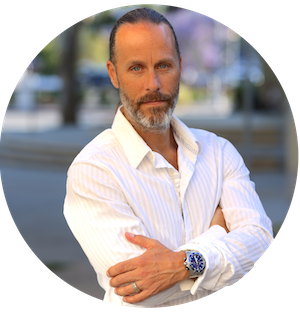
Kevin Anthony is a Certified Sexologist, Tantra Counselor, NLP Practitioner and a Sex, Love & Relationship coach. For over 10 years he has worked with men, women, and couples to have the relationships of their dreams, and the best sex of their lives! He is also the host of “The Love Lab Podcast”, creator of the popular YouTube channel Kevin Anthony Coaching, and creator of the popular online course series “Power and Mastery” as well as other online courses for both men and women.