Kevin Anthony 0:05
Welcome to the Love Lab podcast, the place to be for honest and real talk about relationships and sex, whether you’re a man or a woman, single or a couple, this is the show for you. I am your host, Kevin Anthony, and I am here to help you have the relationship of your dreams and the best sex of your life.
All right, welcome back to the Love Lab podcast. This is episode 351 and it is titled Unaddicted To You: How To Break Relationship Addiction. If you’ve been listening or watching this podcast for any length of time, you will immediately notice that I am in a new studio. So I just want to speak to that right away before all the comments come in about what’s going on and blah, blah, blah. Yes, I moved both my home and my studio. I’m in a brand new studio space. So I’m curious what you think. It’s pretty different from what I had before. So if you want to leave in the comments what you think about it, or suggestions, or anything that you think I might want to add to the new space, please do so.
Okay, with that out of the way, today we’re going to be talking about relationship addiction. And you know, addiction is a strong word, and in some cases it is what you would think of as an addiction, but in other cases, I think there are going to be things that we talk about today that you wouldn’t necessarily think of as addiction, smaller, more subtle, things that show up in relationships that are problems, per se, that could be considered, you know, relationship addiction, but that you wouldn’t actually think of as relationship addiction. So we’re, if that’s confusing, don’t worry about it. We’re going to get into it a whole lot more in this show. But what we’re going to do also is not just talk about, okay, here’s the signs of, you know, you’re addicted. Great. What we really want to talk about is, how do you shift those patterns. And so I have a whole bunch of questions around, what is relationship addiction, and why do people get into those types of situations? You know? How can you solve it? I got soulmate stuff. I got all kinds of interesting questions to ask the guest today, so I’m excited to have this conversation when I met the guest, who I’ll introduce in a moment in the pre-interview. I really enjoyed the connection, and so I’ve been looking forward to this for weeks now.
Okay, but before we dive in, a short word from my sponsor, Power and Mastery 3.0. Power and Mastery. 3.0 is the latest version of the popular men’s sexual mastery course. If you are struggling with erectile dysfunction, premature ejaculation, or simply want to increase your skills in the bedroom, then power and mastery is for you join the exclusive club of men who have taken their sexual performance into their own hands and become sexual masters. Mastering your sexuality is a key component to becoming the man she has always dreamt of and craves. Don’t leave your sexual performance up to chance or the throw of the dice. Become a sexual master today by going to powerandmastery.com and joining the exclusive club of men who have taken their destiny into their own hands. That’s powerandmastery.com.
Okay, my guest today is Dr Etel Leit. She is a prominent figure in the field of psychology, education, and entrepreneurship, and the founder of Sign Shine Beverly Hills. Dr Leit, holds a PhD in psychology and earned her master’s degree in leadership and education from Pepperdine University. So welcome to the show.
Dr. Etel Leit 3:51
Thank you so much, Kevin, and congrats on your new studio. I love first times, so we are now congratulating your first time in the new studio. So humbled to be here. It’s beautiful.
Kevin Anthony 4:03
Etel, are you saying this is our first time?
Dr. Etel Leit 4:08
Don’t tell.
Kevin Anthony 4:12
All right. Well, thank you. I appreciate the positive feedback on the new space, so let’s just dive right in. I mean, I mentioned in the beginning that addiction is kind of a strong word. I’m wondering if we can start by having you kind of describe to the listeners what are we talking about when we say relationship addiction. What does that mean?
Dr. Etel Leit 4:37
Such a great question, but I want to actually speak about what is an addiction. Right? Because people tell me, like, you know, like everyone is a deal. Why am I addicted? So what is an addiction? Addiction is when you consume or do something. It’s a behavioral addiction or a consuming addiction when you still do it, although that they are you. You repercussion, heavy repercussions, and you know them, for example, mentally, health-wise, physically, financially, and socially. So let’s take an addiction like drugs, okay, or like alcohol, let’s, let’s do the alcohol. So some people can drink alcohol socially, right? I can drink socially. I’m not a big drinker, but I can drink socially. How do you know when someone is addicted to alcohol or someone is addicted to alcohol, right?
So let’s go back to this. You know, the definition that I have if someone is drinking and they cannot stop, even though the repercussions are big, so physically, their liver, right? Or their mood, or their body, or their weight, socially, their family, their friends, their relationship, are getting hurt, right? Emotionally, they’re going into the loop. As you know, I won’t do it, or I’ll do it only on Thursday at five o’clock, or I’ll do only vodka, or only red wine, or only financially. You know, drugs, alcohol, that costs money, trigger, it costs money. So when you see that you have these repercussions and you cannot stop, or the person cannot stop, that’s an addiction. Does it make sense?
Kevin Anthony 6:20
Yeah, absolutely. And that’s a great distinction of, you know, because alcohol is a perfect example of you can use it responsibly or you can use it irresponsibly. And how do you tell the difference? Because it’s not always easy. So I think that is a great place to start. And I think next you’re going to now sort of draw the parallel with how that looks.
Dr. Etel Leit 6:40
I also wanted to talk about gaming addiction before we go to the relationship. Same thing, some people can just game and have fun with it, and some people go in the spiral of, I want to stop, or somebody wants to stop, and it goes and it flows on everything, relationships, money, finances, they cannot work, etc. So what is a relationship addiction, right? And I love it because, you know, our society is all about I’m addicted to you. Or, you know, there are so many songs with addicted to you. This is why I named my third book, Unaddicted to You. This is a serious thing. This is not just the thing that is funny to hear in songs, because when someone is addicted to a person, and here, because we’re talking about a romantic relationship, we’re going to talk about addiction in a romantic relationship, it the repercussions can be really heavy.
So when I’m in connection with someone, when I have this relationship with someone that I know that is not good for me, but I’m still in this relationship, although that the price that I’m paying is really high, and again, health, wise, financially, socially, emotionally, I would say, even spiritually. And I’m still there, red light this. This is an addiction. This is when I put my higher power, my someone who can decide over me, right? And, of course, I wouldn’t be able to speak about it unless it were my story.
Kevin Anthony 8:16
Well, since you have mentioned that, I mean, let’s talk a little bit about your story. Let’s talk about, obviously, you were in a relationship where you felt like, you know, you had this addiction going on. How did that look for you?
Dr. Etel Leit 8:30
Oh, I’m gonna start way back. And you know, we are both seeing people in our clinic, in our therapy. It really starts way back. I would say even the day that I was born, I was born to parents who were madly in love with each other, but not only in a good place, like madly in love with each other. And I could say that my mom was definitely addicted to my dad. My dad is an amazing dad. I have great relationship with him today, but he was not a good husband, and my mom literally wasted all of her life to chase after my dad, to prove him wrong, to prove him right, to prove their love and exactly what I said the five ways that it hurt her, Personally, that’s this relationship. It hurt her, mentally, physically, emotionally, anyway, my mom just, but you know, who was really hurting? My mom, not the relationship itself.
Because, like any addiction, we can blame other people. We can point fingers, but my mom was going to that. I mean, she didn’t know otherwise. And guess what I did as I grew up? You know the things that you don’t want to do that you promise yourself you’re not going to do, you really get there. So my dad was my dad, just loved women. I should say that he loves women until today, and that’s why my mom chased him. And I promised myself that my men. Man will never cheat. My men will never have, let’s call it as its name, women addiction, right? Never. So I chose an amazing man who was a great provider, you know,a beautiful soul, and he did not have a woman addiction. But guess what? His addiction was different. He was addicted to, I’m not going to, you know, say, because it’s his dignity, and he’s an amazing dad to our kids. And guess what happened to me? I lost myself by trying to save him, trying to prove, trying to do something, and I got addicted to her human being, just like my mom, who knew, right?
Kevin Anthony 10:42
Well, it’s very interesting that you share that, right? Because the very next question I had was, what are some of the reasons behind relationship addiction? And one of them that you just mentioned was a pattern that you learned from your mother. I have a really close friend who’s very dear to me, who I’ve known for many, many, many years, and she has struggled in all the years that I’ve known her in making good decisions about men, basically, you know, just having difficult time picking the right man and and, you know, I’ve known her for many years, even before I was doing coaching work, and, you know, I would try to help her solve this problem, like, make better choices and things. And then one day, we’re having a conversation, and she starts telling me a little bit about her mother’s story. And her mother’s story is like an absolute mirror reflection of her story.
And that’s when the light bulb went off. In that moment on, like, Oh, now I understand the root of your issue. Now I know how to help you with this, right? But it was, it was, I mean, and this happened many, many years ago, but it was, it was really a light bulb moment where I was like, Oh, my God, okay, now I get it right. So I share that simply as an extra illustration for how these patterns can be learned. Right? We’re young. We are taking in all this information. Our parents are our primary role models. They are basically teaching us, whether they realize it or not, how to be in this world, and so we can pick up those patterns from our parents. So that’s, that’s one reason, and that’s the reason that you ended up in there. But what are some other reasons that people end up in a relationship, addiction, right?
Dr. Etel Leit 12:33
And I kind of like want to emphasize it, because when you tell people, oh, it’s the parents, your parents’ story, immediately they go into the No, no, no, no, no, I’m not going to be like my parents. Or they go, Oh, this is a cliche. So there are other reasons. It’s not automatically, oh, you become addicted to someone, and you’re chasing this love or chasing this need automatically. Your parents were like that. This is just a partial of my story, you know, with all of my you know knowledge, and all of my you know school and what I knew, and again I repeated exactly what I didn’t want to do, right? They say history repeats itself. Okay? Other reasons for someone who becomes addicted to someone else, I think, it’s really not accepting who they are. I can tell you that instead, and I have it here. I love showing it in every therapy and every podcast that I am on. I have a magnifying glass and a mirror. It was easier for me to pick up the magnifying glass and look at my partner instead of looking in the mirror and looking at myself, I’m honest.
I always say, and that’s a chapter in my book, put down the magnifying glass and pick up the mirror. I didn’t know how to pick up the mirror. The mirror scared me. It’s not that I didn’t, you know, it’s over. You know exactly. Love yourself. I did. Of course, I loved myself. You know, I was working out. I but the inside, I was afraid to actually look at the mirror and see who’s inside, not because I didn’t love myself. I mean, this is, I want to say it again and again. It’s because I thought that other people are not going to accept me. And today, with the Society of AI and social media, and who do we want to be, and what do we want to be like? This is sitting there. People are not going to accept the me, the funny me, the crazy me, the sad me, the sweet me, so I need to be somebody else that is hard to find who we are. So much easier to pick up the magnifying glass and go tell other people, oh, you’re doing this wrong and you’re doing that wrong and whatever it is, isn’t it that easier? Right?
Kevin Anthony 14:48
Oh, absolutely. And this is, this is what most people do. If you’ve done relationship coaching or therapy for any length of time, you have seen this over and over and over again, especially. When couples come to you, right? Because it’s usually one person in the couple who is driving the couple to come see you, right? And in most cases, like they show up and they go, Okay, well, we’re here because he did this, or she does this, or blah, blah, blah, and I want you to fix them, right?
Dr. Etel Leit 15:17
No, I call it we talked about it before. I call it monkey talk. They come and they do the, he right. He did. He did. He did. Or she, I call them. They come with monkey talk. They have this, like, you know, magnifying glass, he, she, right. I’m like, Okay, let’s, we have a lot of monkey talk here.
Kevin Anthony 15:37
Exactly. And one of the hardest things to do, usually, is to get them to refocus and see what their part in this issue is. So yes, you’re right. It’s absolutely easier for people to take the magnifying glass and, you know, look at their partner and find all the things wrong than it is to really look in the mirror. But the reality is, is that, and even if your partner does share some of the blame, which they most likely do, right? Even if that’s the case, you really only have control over yourself and your own actions, right? And so looking in the mirror, which, by the way, your little pink heart mirror is very cute.
Dr. Etel Leit 16:17
A lot of pain here.
Kevin Anthony 16:23
But looking in the mirror and taking responsibility for your part in it, and then doing the work to become the best version of yourself, will shift the relationship, even if the other person doesn’t do anything at all. Now, granted, if they do the work, you’re going to get more shift, right but, but you will get at least some shift if you are looking in the mirror and doing the work. So that is a huge point that I really hope the audience gets: everything starts from within. There’s always something that you can do, that you can work on to better yourself and become a better version of yourself, which will always help your relationship. The other thing is, of course, the flip side of that is, you know, the magnifying glass, and that is trying to help people. Okay, yes, you shouldn’t be necessarily using the magnifying glass, but the idea is, like, don’t use it to nitpick everything about the other person, right? So it’s fine to see where there are opportunities for the other person, but people get overly critical, I think, with the magnifying glass.
Dr. Etel Leit 17:33
Oh, yes. And, you know, we were sold. Really great stories. Kevin, when we were kids, it wasn’t only our parents, but we were sold Disney stories and all this, you know, beautiful comedy, you know, love dramas on TV. We were sold the story that when you’ll find your lover, when you find the one, they’re happily ever after, that’s it, right? I have single clients here who, all they want, they cry. They’re, you know, I just had a client this week that was crying so much because, like, I tell, I do the work for so many years, and still he’s not coming, right? That’s the idea.
But guess what, when you actually meet the one, when it’s the one. And I can tell from experience, because I’m in this beautiful, loving relationship today, after a lot of work that I did, do, you know what he does all the time to me, every time, in a beautiful, sweet way, he’s my mirror, because I am ready without defending, without attacking, without shaming myself without feeling this horrible little kid. I’m okay with it when he shines on things that I need to work on. The way that he does it, it’s not like, no, no, no, you’ve been a bad girl, or like my mom did, like, please me, please me, please me. Otherwise, I’m going to collapse. I’m going to be sad. He does it in such sweet, loving way every day, every day.
And that’s how I become a better person for myself. And therefore, this relationship can flourish. So all this nonsense about, wow, look at my neighbors, and they have a great relationship. And look, that’s work. Relationship is a lot of work, but the work comes in, I would say, you know, when you’re clean and you know, because you just moved, it’s dirty work. It’s a lot of work, you can do the inner work without being ready to expose and be in the dirt.
Kevin Anthony 19:39
Yeah, absolutely. And you made a point like, Oh, I wish we could be like our neighbors. You have no idea what goes on behind those closed doors. And you know, I will say that when my wife was alive, we had that sort of fairy tale relationship that everybody looked at. And. Like, I want to have a relationship like that. And while it was very easy for us, it was only easy for us, because we met late in life, and we spent years before we even met each other, doing the work so that we could show up in a healthy relationship. So to others, externally, it looked like, Oh, my God, they’re just soul mates, and they’re amazing, and it’s just so easy for them.
And it’s like, no that took decades of work, and we both had our patterns that we admitted to that, you know, like one that comes to mind is, you know, one thing that I absolutely loved about her was there was never any criticizing, like she never criticized anything, even if she didn’t like the way I was doing something or felt I should do it. Another way she had positive ways of bringing that up, right? But the thing is, is, you know, she told me early on in our relationship, when I commented on that, I’m like, I really love how, you know, you do this. And she’s like, Oh, it wasn’t always like that. You know, she got married when she was 20 years old, and she would tell the story about how she would give her first husband a ton of criticism and grief, to the point where one day he was just like, Look, if you don’t stop this, right? We’re done. And that was a wake-up call for her, and she learned how to change that behavior, right? So this idea that, like, you just meet and we’re going to talk about soul mates later, believe me.
Dr. Etel Leit 21:33
Yes, I got the soul mate. I know what you’re talking about.
Kevin Anthony 21:37
The idea that you’re just going to meet the one, the soul mate, the twin flame, whatever it is, and everything’s just going to be easy and it’s all just going to work. That’s just not the way it works. This is another reason why, you know, people think they get really into astrology, and they’re like, looking at, you know, the matchups and all of that, it’s like, yes, there is some legitimacy to the, you know, traditional astrology. However, the reason why a lot of people will look at it and say, well, these two are supposed to be, you know, in alignment, but they’re always fighting, or they’re not. It’s like, yeah, because you haven’t done the work, right? It’s skills. These are skills that you need to learn and that most of us were never taught.
Dr. Etel Leit 22:24
Of course not, and when we were born in a home that nobody, I mean, I always say I wish in school they would teach alphabet, math, and how to be in a relationship. I mean, this is, this is who we are. This is exactly who we are. We are humans. Humans need relationships. And we’re going to talk about in a second. And you just brought something so important, you said she never criticized me. So there are three things you heard me say a lot of, like acronyms. There are three things that I think that when you have it between the couple, it’s the beginning of, uh oh, you know, just, let’s do the work. I call it the rocks. It’s resentment, criticism and sarcasm, you know? And I’m not talking about a fun, humorous sarcasm. When there is resentment, criticism, and sarcasm between couples, this is when there is a big lie to say, we need to go and, you know, do a little bit more work, more inner work.
And by the way, it’s like the like, I when my parents were young, like going to a therapist or a coach for a relationship, that was like, something is wrong with this person. I have a couple who see me every week, and sometimes they come and say Etel, everything is great. And then we do some, you know, exercises about how being a couple. And they love it when they just told me last like, this week, on Tuesday, I meet them on Tuesday, and they said, et al, when we don’t meet you, this is when it’s not getting no it’s the safe space to talk about things. It’s a safe, safe and you know when. And they’re very young. Like you said, you and I met our soul mate or the the partner that is really good for us when we already evolved in a way, and did the work.
But they’re really young, so sometimes you need the help of having a safe space to be able to get these tools, because your parents didn’t teach you and learn how to grow together. I’m going to say it again. One tool skill you cannot skip is grow together with your partner. Yes, that shows as I grow by myself, we grow together. I grow by myself, we grow together. I’ve seen so many couples, and that’s the cracks, right? I don’t know about you, but I know that the cracks for me, it’s like I started growing in a different way, and my ex didn’t, didn’t match, right? That’s usually it. One is growing in some way, the other one that doesn’t match, and then there is, like, a big crack. So I grow, I love. Allow the other person to grow without having this arrogance. There’s virtual ego, and say, Oh, I grow. You should. And together, we grow together, only in a space.
Kevin Anthony 25:10
Absolutely. What do you think about this idea? Because here’s, here’s a sort of an idea I’ve had about this growth, right? So you’re absolutely right, that when you have a couple and you see, one is really growing and the other is really not growing. That creates some pretty big problems, right? However, growth for anybody is never a linear process, right? Exactly, right? And so the idea that I had, and this is what I’ve been teaching couples for a long time, is that, because sometimes couples will come in and they’ll say, Well, you know, I’m growing in these ways, and he’s not growing in these ways, and it’s a problem. And it’s like, okay, hold on. Maybe it’s a problem. Maybe it’s not. Let’s take a look and see, he is growing? Is he taking steps, right? Is he, you know, trying to become the best version of himself?
But does it maybe just look a little different than the way you’re growing, because if that’s the case, it’s not necessarily a problem. So because it’s not linear, I don’t want couples to think that they both have to constantly be growing like this, like together, in the same ways, at the same rate, all the time. It’s going to be like this and it’s going to be moving around. But what I think is truly important is that both members of the couple are actively engaged and hopefully excited about the growth process and that they’re both evolving in some way, absolutely.
Dr. Etel Leit 26:34
And it’s like, like, my best friend, do you know what? I love her so much, and I know she’s going to hear it. I mean, she does such amazing work on herself, and she pushes me every time that I do work on myself, and sometimes I do it. And she is always there, the cheerleader. She is my true cheerleader. So it doesn’t mean that her and I doing the work at the same level, the same time, or the same route or the same but she’s there to see. She’s there to observe and tell me, Wow, I notice, instead of being, you know, a little bit, and that’s what women do, you know, women sometimes go into the Oh, my God. You know she’s changing, and that scares them, right?
But my best friend is always, always there to reflect, to say, I saw that. On the other hand, I saw that it’s hard for you, and that’s the beautiful thing in a relationship, which, like you said, it’s non linear growth when it’s hard for my partner, I can see, I don’t come and say, oh, you should do that, or how, like, I know I saw, and he actually told me the other week, he said, Wow, I really appreciate it. You just noticed. You just noticed. And that’s the magnet to allow someone to grow in their phase, in their level, and just be there and notice that’s part of the growth. So as I said, you can’t you know we’re not pandas. I think I spoke about it before. You know when you and I spoke, we’re not pandas. Pandas are soulless animals. That’s it. That’s what they do.
I love to go to the zoo and ask questions to the zookeepers. Once I went, there was the Panda, which I thought is so cute, and he told me, pandas live by themselves, on their bamboo alone. You know, it’s time to mate. I go down. They mate the you know, the female panda is pregnant. She’s giving birth to the panda up to, I think, nine months, let the panda baby go and that’s it. No more interaction. No more. Can you imagine if we did? I mean, slowly, slowly, we’re getting there, living by ourselves. But we do need a human connection. We need that. Yeah, so how do we do that?
Kevin Anthony 28:51
Absolutely essential. We are social creatures, as humans. And I personally think a lot of the problems that we have in our current society are because we are so isolated. And one of the things that’s so ironic about our isolation is that today, we have all this technology that supposedly brings us together. We can call from anywhere, anytime in the world, right? Because we have cell phones, we’ve got social media, right? We can send messages via a dozen different messaging apps and video calls, and everything else. We’ve got all this technology that’s supposed to bring us together, and yet we are more isolated than we have ever been. We are really meant to be in tribes. Yeah, but instead, we’re isolated in our little, you know, tiny homes or apartments or whatever, connected only, you know, virtually.
Dr. Etel Leit 29:51
Also greatly, because when we were with the tribes, the men were with the men, they went hunting, and the women were with the women. I. Okay, we can call it feminine energy, or masculine energy, whatever. And then that was the dynamics. It wasn’t just one-on-one. I had a really amazing friend. She used to tell me, look at the 21st century. That was before even AR way before years ago, she told me, Look at the 21st century. They took a man and a woman, lock them in the box and say, Get along.
Kevin Anthony 30:27
Get along. Don’t kill each other.
Speaker 1 30:31
Really, we need not only you know the relationship, the human relationship of a man and a woman, which is so beautiful, but we also need the community. One of the courses that I teach, I teach psychology to PhD students, is positive psychology. And you know, what’s number one? Number one, two. If our audience is like, you know, listeners are curious, two main reasons for happiness are the factors for happiness. Come on.
Kevin Anthony 31:06
I thought you were going to answer them, but if I were going to answer them, I mean, connection, obviously, connection would probably be number one.
Dr. Etel Leit 31:13
Yeah, community, community, connection, without just like I said, we’re not pandas. We need this community, would need this connection with other people, right? And the other one is purpose, right? Like, you know, you and I do a work you just talked about before the show that we absolutely love. I love what I do. It’s the sense of purpose that brings you happiness, right? So, I mean, there, there is a list, but these two are so important. So for a couple, please go on a date with other couples. Why do you know what the research shows for couples that go on a date with other couple of couples? The best thing about the date is, what driving back home? Why? Because you gossip about the other couple.
Yes.
Did you see how he treated her? I’m bad, you know, it’s the sense of like this, you know, the men competition, right? Or did you see this couple? So the best thing about dating other couples is the drive home, going back home, being in bed on like this conversation about the other couple. We are humans. We need that we live in tribes. So please bring the tribe in you and do less isolation and find your tribe. Find your tribe.
Kevin Anthony 32:31
Yeah, absolutely, which is becoming more and more difficult in society these days. Even where I live here in Southern California. Obviously, I know you’re in Southern California too, but in San Diego, where I’ve lived for 24 years now, we used to have a very defined, close-knit community. Even though we lived kind of all over the county, there was a group of people, actually several groups within a larger group, that really, you know, did events together, and, you know, socialized relatively frequently.
But over the years, I really watched that change as people have aged, as life has changed. COVID was a huge piece that really just decimated that social structure, because it created massive division amongst people, it propelled people to be more isolated, and honestly, it still hasn’t recovered from that. It’s still very fractured here in the community that was so tight for so long. And so it is really getting much more difficult, I think, these days, to create that tribe, that community, but it is a worthy endeavor. If you don’t have one, go out and build one.
Dr. Etel Leit 33:54
Yeah, I call it, find your glue. Find your glue. I mean, we can, even before COVID, we can, you know, argue of, you know, I’m using PC and using Mac, right, for example, and I can’t convince anyone. It’s the notion of, like, I need to convince somebody about something that they do not agree with me. I can’t, you know, I’m not a pizza and I’m not ice cream. Not everybody’s gonna like me, but I’m gonna find my glue, my best friend, or even my we don’t really agree on everything, but we find our glue. That’s what makes you happy to find people that you feel safe enough, and that’s also in partnership to express yourself without attacking and without defending. This is me. This is really me. You know, I remember one of the biggest workshops that I’ve ever gone to, it was hard for me to really accept myself.
And I think here we really can conclude, if you want addiction to a relationship, I didn’t see myself as me. And. And I remember, in the end of this weekend workshop, I literally I told my best friend, this is me, this is me, accepted on what I am me, you know. And I repeated it. And she reminds me that until today, was like this moment, which now seems so trivial, like, Oh, of course, this is you, but I truly owned it. I felt it. I was like, wow, I don’t need to be I don’t need to be ice cream pizza. I don’t need to be anything. I need to be me and to own it. And since that moment, I became this magnet to what is so good, and my glue and less of like the frictions of the world is so and I can tell you my clinic bribe, like today I have like, three months, you know, waiting list, which is crazy.
And as I shared with you, I’m going to speak at a TEDx, very, very soon, and I’m so super excited about it. Yesterday I received news from the LA Times. I’m one of the recognized founders here in Los Angeles, which is another surprise. So the more I own my voice and who I am, and just, you know, without shame, without blame and without concentrating on other people’s work, but on my work, the magnet is just really, really freely coming into me.
Kevin Anthony 36:18
Yeah, so I need to take a break, but when we come back, I want to talk about this more, because this is a huge piece. You mentioned it earlier, and then we kind of went down a different path, and I really wanted to come back to it, so I’m really glad that you brought it up again. I was just doing, I do these weekly group coaching calls for women. It’s all around relationship, and I was just speaking with this young woman yesterday who, you know, she basically has an avoidant attachment style pattern. But what we got to after talking about it for a little bit, what’s underneath that is this idea that she doesn’t really have self-worth. She doesn’t own who she is, and therefore she’s got this abandonment fear, which is, once they find out I’m not this, that or the other thing, right, they’re going to leave me, so I’m going to leave them first, right?
That’s the pattern that we uncovered in that call. And so it’s something that I see fairly regularly, that idea of not really owning the self. And when we come back, I want to discuss that a little bit more, because I want to hear how you were able to do that. You just told me you were able to do it, and what the results are. I want to know how you were able to do that, and what advice you might have for people who are struggling with that and who are struggling with stepping into really claiming who they are and being in their power. So I want to talk about that when we come back.
First, a short break for my sponsor, which, of course, as usual, is me. Are you a couple? Are your relationship and sex life where you want them to be? Are there changes you would like to make, but just don’t know how? Maybe you think there is nothing that can be done if you’re not 100% happy with where your relationship or sex life is, then get help today and change your life. Go to https://www.kevinanthonycoaching.com/couples and schedule a strategy. Call with me today so we can map out a strategy to get you where you want to be. That is https://www.kevinanthonycoaching.com/couples/. That’s where we get to work on any of these things, these patterns that show up that we’re discussing today, and so, so much more.
You know, I loved it at the beginning, you were talking about this couple that comes to see you, and you know, they see you every week because they just want that safe space and to be able to work with somebody. I just like to tell people that, yeah, when I’m when I’m pitching, sort of my coaching programs, it’s not just for we’re having a major issue and we’re on the verge of breakup, like there’s so much more that we can do and work on to make, you know, what is even probably an already good relationship even better. So just want to throw that out there.
Dr. Etel Leit 39:03
It amazes me when some couples say, you know, we don’t have the money, right? Like, that’s number one, we don’t have the money to invest every week. Like, wow, you do have the money. Let’s say, God forbid, God forbid, something will happen to your family member, right? And you will have to come up now with, like, I don’t know, 80,000 something, you will come up with this money in a heartbeat. But unless it’s acute, you don’t really think about it. So why waiting until it’s acute? Why waiting until you have to pay this money to a lawyer, I mean, my story, or to, you know, to a therapy that is already like, you know, when it’s too late? Why not to invest in this. We talked about the first things in the beginning. In so many couples don’t even take a trip. Do you know that? I mean for maybe for you and I, it looks trivial, because we live in this, you know, humanity, we like we are curious. They don’t go to the trip. And then comes the excuses, work, kids, money. Need to do it, you know, spend the time on you now, put it in your budget. What do you do for yourself? What do you do as a couple super important it’s not only about nails and hair, which I support as well.
Kevin Anthony 40:13
Absolutely. Yeah, very well said. Okay, so let’s get back to what we were talking about before, which is this idea of really owning yourself, really stepping into your power. It’s a self-worth thing really, right? It’s believing in yourself and knowing who you are and really being your own sort of advocate or champion, right? So how were you able to do that? How were you able to go from not being in your power to really claiming it?
Dr. Etel Leit 40:48
Such a beautiful question, and I want to, kind of like even share with the listeners that I was, if you would see me when I was young, when I was a little girl, I was what they call today, an introvert. It’s not that, you know, I had lots of friends, and my friends love me, and I’ve loved them, but I rather read books and not interact with people, because interacting with people would force me to share what’s going on at home, which was crazy land. So I didn’t want to be vulnerable, right? So for me not to be vulnerable, I read books. I mean, thank God today. You know, reading books got me to where I am, because I still love books. And I wrote five books, which is great, but back in the time, that was my defend mechanism, I didn’t want to be vulnerable with my friends, and that carried me as an adult, I didn’t want to be vulnerable because, oops, if I would be vulnerable, they can find out the little things that I’m not proud of, like it was my fault.
My parents were fighting right. I wasn’t, but I was afraid and I was ashamed, and that grew up to be learning to be ashamed and afraid to share with people things that seem not right. One chapter in my book is called we are crazy as our secrets, right? The more secrets you collect, the more how you know how to lie, the more clothes you become, the more shamed you become, and the more making up, right? So you’re some people. They look like. They really accept themselves. They’re big, but inside there is a lot of no’s. The real acceptance is not about going and shouting. It’s not about being the loudest. It’s being more accepting. So the moment that I I literally found the people that I can be vulnerable with. And it started with my really good friend, and it started with a partner, and obviously my unbelievable for me, I do have a therapist, which I love.
Yes, therapists do have therapists, and I allowed slowly, slowly, you know, it took time, because many people hurt me before, and trust was a huge issue, and I found my safe space to be more vulnerable and open more and open more and open with myself. This is when I started claiming it. Because, guess what? They didn’t run away. I didn’t run away from myself. I was still there loving myself. And there are nights Kevin, that I cried and I held this little girl, which is me, and I said, I see you. I’ll never run away from you. I do a lot of inner child. Work with hypnotherapy at my work with couples and alone, to have adults meeting with their inner child. So what we do the inner child is so hurt that we run away from the inner child because, you know, we don’t want to be that pain.
And the more we don’t want to be that pain, we that’s the story we had, or that’s the, you know, you know, when I was a kid, the minute that we hug this little girl, we say, we see you. I see you. You know, it’s healing. And then I can reclaim myself, because I’m I can, I can be for I can talk. Remember in the beginning, you said, wow, you know, you start with the story. Yeah, I start with the story. It’s not my Oh, God, I’m such a victim, I feel this sorry for myself. That was my story, because of this amazing story. This is where I am today, and I freaking love it.
Kevin Anthony 44:11
Yeah, that’s beautiful. And I just, I kind of want people to know that it’s a journey, right? And it’s difficult and it takes time. It’s not the sort of thing where one day you’re going to wake up and go, Ah, I get it. I lost them, right? Like that could happen, but probably not, most likely it’s going to be a process. So I’m always telling people you know, for you, got to forgive yourself for the mistakes that you’ve made in the past.
Dr. Etel Leit 44:41
Change is not a light switch, right? Like you said, it’s not like cling light. It doesn’t go dark light. It’s a dimmer, you know. And the dimmer goes up and, you know how sometimes you want to, you know, you put the dimmer up and little down, you want to get it into this, like, that’s the journey that you’re talking about. It’s not like a. One fixed thing, going to the coach, being vulnerable with it’s a journey, and allowing you know, the one word that I use in my therapy all the time is allow, allow to feel, allowed to experience, allowed to make those mistakes, allowed to say no, allowed to hear no, allowed to yourself to feel allowed to cry, and that comes the beautiful, beautiful journey, and then in the end of it, in the end, you will be, this is me.
Kevin Anthony 45:34
Yeah, you know, I think one of the things that makes this difficult for so many people is that in our society today, everything appears to be sort of perfect. In other words, you look around through social media, you know, through TV, movies, whatever it is, your pop stars, that you listen to, whatever everything, everybody seems so perfect. And so we’re always comparing ourselves to this idea of perfect. And the reality is, if you really understand how any of this stuff works behind the scenes, you’ll know that most of it is fake, like the overwhelming majority of it is fake, like when you see your pop star dancing on the stage, doing these incredible dance moves and singing and being perfectly in key and never missing a note. It’s because they’re not singing, they are lip syncing to a pre-recorded track that has been massaged by some of the world’s greatest engineers to sound that way, right?
There’s been a big scandal. I’m a guitar player. I you know, I’m a musician. I play guitar, and I do some drum as well. But there was a big scandal recently in the Guitar World with one of these online, you know, guitar guys who has a channel, and he’s known for doing these amazing guitar pieces. But it turns out, not only are they not his original pieces that he wrote, that he stole them from other musicians, but he also can’t play them. He uses sort of production magic to make it look like he’s playing them properly. The basic of it is, is he plays them at like half speed or slower. So he plays them very slowly, and then he speeds the video up to the actual speed it’s supposed to be played. So it makes it look like he’s amazing. His fingers are flying all over the fretboard, right? Just one example of so much of what you see in the world isn’t the way that you think it is.
And one of the things that I think is amazing about the last year is so many of those illusions have been blown up everywhere that you look, right? And I think that’s important for people to understand. When you’re going through this process of forgiving yourself, right, and, you know, loving yourself and really stepping into your power, it’s important not to compare yourself to a false reality that you see outside, because if you do that, you’re going to make it so difficult, because you’re always going to feel less than.
Dr. Etel Leit 48:05
Yes, absolutely and the other way around. Stop comparing your partner to also this illusion outside, yes, not only yourself, but your partner, because you want your partner to look like what you saw outside. And then comes all the god social media help me is gas lighting, paper clipping, kitchen sinking. I keep hearing all these terms which are not even from some of them are not even from psychology world, or even if they are, it’s like 1% like narcissist and people making a whole, a career, a career, from being a narcissist coach, one to 2% are people. I mean, in a way, we’re all narcissists. Otherwise we would die as a kid. One of the attributes that every child has is to be a narcissist, to cry when they are hungry, to cry when they’re hurt so they can call for help. That’s it, right? But we are doing it, and we put such a bad name on it, the narcissist worlds, and then we start to compare, right? Oh, he’s a narcissist. I had so many couples come to me and then ask me, is a narcissist? Right? No labeling, no labeling.
Kevin Anthony 49:22
I’m glad you brought that up. I actually had that as a question, and I skipped it because we kind of went in a different direction, but I had that as one of the questions on here, because you’re right. The research shows it’s like one, you know, one and a half, maybe 2% of the population. But as a coach, I can’t tell you how many times I’ve heard a client say my partner was a narcissist, or I have a history everyone I’ve ever dated turns out to be a narcissist, and I’m like, you then have to be the unluckiest person on the planet.
Dr. Etel Leit 49:54
No, most likely, I would go and fill in the lottery. I mean, for. Yeah, hitting the 1% of the population every time.
Kevin Anthony 50:04
The chances of that are not very good. So, yeah, that’s kind of an inside joke. In the coaching world, everybody’s a narcissist.
Dr. Etel Leit 50:12
And that brings all the comparisons we talked about, right? So there is the Wow, the perfect that everybody needs to be. On the other hand, there is like the completely terrible, unbelievable. And then we start comparing myself into this illusion of the selfie, right, and then my partner into No, you should be to do, to do, right? And then blaming, shaming myself, blaming and shaming my partner, on and on and on.
Kevin Anthony 50:41
Yeah, that’s that is kind of a vicious cycle. So hopefully people can recognize that and avoid it. And if not, you know that’s, that’s where seeking help really comes in. We’ve got only a few minutes left, and there’s a couple things that I wanted to cover one of which we we talked about, and I said at the beginning of show we would talk about more. So I just kind of want to introduce, let’s not introduce it, because we already talked about a little bit. I want to talk about a little bit more, which is this idea of a soul mate, because this is something that comes up a lot. You see with people, and they’re basically, they’re either like, I’m I’m not happy until I find my soul mate. So that’s like, one camp, right?
Like, it’s like, every guy I date is a narcissist, blah, blah, blah, I’m still looking for that soul mate. So they’re in this constant quest of churning through people, trying to find the one, the soul mate. Okay, that’s, that’s one camp. The other camp is I found my soul mate right. And therefore, regardless of how terrible this relationship is, right, we have to stay in it, because this is my soul mate. And these are two myths that I love to blow up all the time. But I was curious what your take on these.
Dr. Etel Leit 52:00
And then they call, by the way, this other tribe you call, they call it the twin flames. Yes, now it’s from the soulmate into the twill flame and like, so first I’ll start with, I do not like labeling, right? When people come to my and that’s different than the way that I treat people and other therapists. I don’t do labeling. I was labeled many, many times I told you, like, introvert, like, whatever it is, I was labeled. I see children are labeled today. I’m not an introvert, right? And the labeling oftentimes is really the problem, right? So now let’s talk about soulmate or twin flame or whatever.
By the way, I do have an amazing course. It’s an e-course with nine videos and an e-book, and it’s the name of it is, Manifest Your Soulmate. Manifest your soulmate. So if you are ready to manifest your soulmate, it’s coming very soon. My course manifests your soulmate. So it’s interesting. I do believe that there is not only one soulmate in your lifetime, right? There are so many soulmates, and it’s not necessarily a romantic soulmate, right? I can tell you that my brother, 14 years apart, he is my soulmate. He is my soulmate. I mean, we have this joke that you know we know each other. There is this sense of learning and growing with each other. Constantly. He supports my growth and I support his, not even with words. There is this sense of connection, as I told you, my best friend, I know she’s my soul mate, and she knows that as well.
So when there was, like, this really deep connection, which is unnecessarily sexual connection, or this, like, wow, we know she was the best sex, so he was the best sex. Because usually this is where people go to with this, you know, physicality, when it’s the inner thing, when you allow yourself to be and someone is like, pushing you to be someone better, and you can do the same thing. So it’s almost like that’s a soulmate. So find your soulmates. It could be a sibling, it could be an aunt, it could be a best friend, it could even be an ex that used to be a soulmate, and their world is over because you learn the lesson from them and now you’re better. I can tell you, probably my ex-husband was, in a way, maybe my soulmate, because I needed to learn something from this. And today I have unbelievable soulmate because I am different. So the soulmate that I’m bringing today to my life is in a completely different level than it used to be.
These two souls come here together, right? You know, and I know I’m going deeper, but I do believe that their souls, we’re physical, you know, the physicality and the Soul, sorry, they’re coming together in this, you know, agreement to create some change, to benefit each other or the community.
Kevin Anthony 54:57
Yeah, I was going to say in some spiritual truth. Traditions believe in the idea of a soul family, as opposed to the soul mate. And that’s basically what you’re describing. Is that there are different people, different souls, that at different periods of time in your life are there to help you grow, support you, whatever it is. So it’s very similar to what you were saying, this idea of soul family. The other thing that I always like to point out about soul mates is that, you know, okay, yes, there might be, you know, specific souls that you’ve made, you know, agreements with. You know, wherever else exists outside of, you know, this physical world that we live in, right?
And you come in to contact in this lifetime, but it still takes work. In other words, you know, just because this person is supposedly your soul mate doesn’t mean that it’s necessarily going to work out or be smooth or be easy, right? Like it takes work. And just because you meet somebody and it’s not smooth and easy in the beginning, doesn’t mean that this person isn’t potentially a soulmate. It just means that one or the other or both of you has some work to do in order to be able to truly bring that connection with your soulmate to fruition. Right? It’s like I was explaining with my wife earlier, if we had met when we were both significantly younger, would we have looked at each other and said, Oh my god, we’re soul mates. We get along like everything is so amazing. There’s a high likelihood that wouldn’t have happened because we hadn’t done the work that we needed to do yet. So I think that’s an important distinction to make because too many people just think there’s one and only soulmate, and when you find them, you know, and everything’s just going to be perfect and easy, right?
Dr. Etel Leit 56:49
Exactly like I started. It’s the happily ever after, right? And usually, it goes with when I think someone is my soulmate from the beginning, it’s a transactional relationship. I want to get from this person, something Okay, versus a reciprocal relationship, which has nothing, you know, nothing, but unconditional love, right? So we are living in a world of transactional relationships. What do I get from you? What are you going to get from me? What do you get from you? What do you get from me, especially in big cities, like, you know, LA, Miami, New York, so a lot of like this, right? And your true soulmate, it’s reciprocal. There is no if, then that’s one clue that we can give, you know, to the listeners, to because people ask me, like, so how do I know he’s my soulmate? Or, how do I know she’s my soulmate? So think about is thata transactional or reciprocal relationship?
Kevin Anthony 57:43
Yeah, that is fantastic advice, right there. That is really, really that was worth the price of the admission, right? Is it because you made it just so simple? Look at your relationship. Is it reciprocal or transactional?
Dr. Etel Leit 57:58
Yeah, and I’m sure, I mean, I don’t, I don’t know your I didn’t know your wife or your relationship with her, but the way that you talk about it, it was very reciprocal.
Kevin Anthony 58:07
Oh, yeah, absolutely it was. You know, we were speaking about growth earlier, right? And we were talking about how we should allow the space for our partners to grow. Yes, that is true. And I think also that, you know, we should have a vested interest in helping our partner grow.
Dr. Etel Leit 58:25
Oh, yes, absolutely. And that goes into the unaddicted to you book, and addiction in relationship, the addiction any in any addiction, I get something from that. It’s this, you know, transactional. You know, as long as like, boom, I’m living it. It’s reciprocal. There was no addiction. So for any listener here who was wondering, Am I addicted to the relationship, or is my soulmate, ask these questions: my doing the self-work to really, really work hard, and my partner is supporting it with words or just being there. Am I having this high expectations of, give me, give me, give me. Give me love, give me sex, give me money, give me beauty, give me prestige, give me, give me. Give me because, if not, I’m nothing. Or is it reciprocal? I can look at my partner, be myself, with all of myself, and support this person in front of me, and then creating this beautiful, intimate, deeper, authentic connection, which is love.
Kevin Anthony 59:32
Yes, and what a beautiful place to wrap up. I mean, it’s just such a beautiful note to end on, which is this idea of, you know, mutually supporting each other and creating love. I mean, what more is there? So until I want to thank you for coming on the show and sharing all of your knowledge and. Wisdom, and I want to give you an opportunity to tell the listeners where they can find you your work, your books, anything else that you want to promote.
Dr. Etel Leit 1:00:08
Thank you. So it’s easy. It’s Dr Etel Leit you can Google, you can Instagram, you can TikTok. You can soon go to TED Talk and find my talk there. It’s going to be in August, so you know, probably a little bit after my books are on Amazon again with my name, and please, if any listeners, I always do that. I always, always do that. If any listeners here have a question, they’re curious about something that I said, I am available so you can email media@drleit.com and they will forward it to me. My crew is going to forward it to me, and I promise you I will answer your question. That’s the little gift that I give in every podcast to everyone. I will personally answer your question.
Kevin Anthony 1:00:59
That is amazing. I try to do the same thing. I get a lot of either comments on, you know, YouTube or emails, and I really, actually do my best to try to personally respond to everyone. It sometimes takes me a while, you know, it might be a couple of weeks if you email me before I get back to you, but I do my best to try to answer everybody. And it’s really cool that you do the same.
Dr. Etel Leit 1:01:24
Same here. You know, if someone just found this podcast and heard us and have a question, I can be over, I can promise now, but I can be available and answer it, and I promise I will.
Kevin Anthony 1:01:36
Yeah, I think that is such an amazing thing, because, you know, in today’s world, when you see your average celebrity, like they’re there, you can’t, you can’t contact them. They’re just, they’re on the screen somewhere. There’s, there’s no interaction that you can really have with them. So the ability for people to, you know, email you and have you, actually, you not an assistant answer questions is really amazing. So that’s beautiful.
Dr. Etel Leit 1 1:02:04
You’ll be amazed that not so many people do this, and that’s why we’re available. It’s, it’s amazing when you open the door, and some people that’s, that’s what, who am I? Can I do that? Can I really ask this question? Yes, you can try it.
Kevin Anthony 1:02:18
Well, you know what it shows you know, both of us have said on this program that we love the work that we do, and that’s, that’s really it shows because we want to help as many people as we can, even because, you know, you have any idea how time consuming it is to sit there and answer all of these comments and all of these emails. It’s super time-consuming. I make no money from that whatsoever, right? But I do it anyway, because I genuinely want to help people, and it sounds like you do the same. So that’s increased love.
Dr. Etel Leit 1:02:48
That’s it. We increase love. Yes, yes.
Kevin Anthony 1:02:52
All right, thank you once again for coming on the show. It has been a pleasure. Thank you, Kevin. All right, everybody. That’s all the time I have for this episode, and I will see you next week.
I hope you like this episode of the Love Lab podcast. If you enjoy this show, subscribe, leave me a review and share it with your friends, and for more free exclusive content, join me in the passion vault at https://www.kevinanthonycoaching.com/vault/. That’s https://www.kevinanthonycoaching.com/vault/. Thanks for listening and remember, as Celine used to say, you’re amazing!
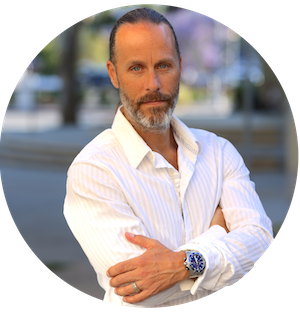
Kevin Anthony is a Certified Sexologist, Tantra Counselor, NLP Practitioner and a Sex, Love & Relationship coach. For over 10 years he has worked with men, women, and couples to have the relationships of their dreams, and the best sex of their lives! He is also the host of “The Love Lab Podcast”, creator of the popular YouTube channel Kevin Anthony Coaching, and creator of the popular online course series “Power and Mastery” as well as other online courses for both men and women.