Kevin Anthony 0:05
Welcome to the Love Lab podcast, the place to be for honest and real talk about relationships and sex, whether you’re a man or a woman, single or a couple, this is the show for you. I am your host, Kevin Anthony, and I am here to help you have the relationship of your dreams and the best sex of your life.
All right, welcome back to the Love Lab podcast. This is episode 348 and it is titled, Why is sex so taboo? So the idea for this episode comes from the fact that something happened to me personally recently that got me thinking a lot about this subject. And what that thing is is that recently, YouTube had completely demonetized my entire channel because of what it said was sexually gratifying content, which is not sexually gratifying content is, you know, like only fans doing things that around sexuality that are specifically designed to turn people on or give them sexual pleasure, which is not at all the content that I do on this channel, the content that I do on this channel is educational. It is designed specifically to help people have better sex lives, and, in turn, better relationships, and when people are having great sex and they’re having an amazing relationship, everything is better. Their parenting is better. How they show up in their job is better. The whole world becomes a better place when people are having good sex and great relationships, or great sex and great relationships.
So that’s always been the goal of my content, and it’s really to educate people. And so it got me thinking, why is it so difficult to do education around the topic of sex? Let me just give you a few examples, because that’s not the only thing that has happened in the years that I’ve been doing this. I have had the traffic to my website throttled back significantly. I’ve been prevented from running ads on social media for any of the work that I do. I’ve been shadow-banned on social media. I’ve been shadow-banned on YouTube. I’ve had videos taken down, which I always appeal, and I always win. And then, of course, as I mentioned, I had my entire channel recently demonetized, so it makes it really difficult to put good information out there and to help people. Now, I want to assure you that this entire episode is not going to be about me complaining about, oh, poor me. Look what they did to me. That’s not the goal of this at all. The goal of this is to explore why sex is considered so taboo. What are some of the negative implications, what are some of the benefits if we can shift that, and then how might we shift that, individually and as a society?
Because I really think that this is something important that needs to happen. We need to shift sexuality out of being something that is taboo, forbidden, wrong, shameful, or whatever other word you want to use, and shift it back into something that is a normal, healthy part of the human experience. So I have a whole bunch of research here. I have a bunch of different articles that talk about some of the reasons behind it being so taboo. We’re going to talk about those. We’re going to talk about what would be some of the benefits if we could talk more openly about sex, and then we’re going to talk about, how do we remove this taboo. So that’s what we’re gonna do on today’s show. I hope you find it interesting. I think that you will be surprised by some of the reasons listed here.
But before we do that, a short word from my sponsor, power and mastery 3.0 Power and Mastery 3.0 is the latest version of the popular men’s sexual mastery course. If you are struggling with erectile dysfunction, premature ejaculation, or simply want to increase your skills in the bedroom, then power and mastery is for you. Join the exclusive club of men who have taken their sexual performance into their own hands and become sexual masters, mastering your sexuality is a key component to becoming the man she has always dreamt of and craves. Don’t leave your sexual performance up to chance or the throw of the dice. Become a sexual master today by going to powerandmastery.com. And joining the exclusive club of men who have taken their destiny into their own hands. That’s powerandmastery.com. I’ve been reading that ad pretty much at the beginning of every show since I started, you know, almost eight years ago. That is my men’s sexual mastery course. It is fantastic. If you’ve ever been thinking about, you know, solving some of your problems, whether it’s erectile dysfunction or premature ejaculation or you simply just want to become the best lover that you can be. That is the place to go, powerandmastery.com.
Okay, so why is sex so taboo? And it’s really it’s interesting in the West, it’s very taboo in the United States, where I live, it is very taboo, a bit less so say in Europe, where Celine was from, and where some of my family well, all of my family is from, but some of my family still is. But even when you look at other cultures all around the world, you see massive, massive taboos around sexuality. And it really got me thinking, Why? Why is this such a problem? Well, there are quite a few reasons. I’m going to start with some of the reasons that quote, unquote experts say are the reasons. And then I want to talk a little bit about some of my own personal ideas of why this is so. I’m going to start first with psychology today. I often get good information from them around topics of sex and relationships. I quote them often on this show. I have two different articles here about sexuality and why it’s taboo.
So the first one I’m just going to I pulled a couple of quotes from the article. First, according to cultural anthropologist Ernst Becker, sex is such a problem because it reminds humans of their basic core animal nature. Basically, humans deal with mortality concerns by embedding themselves in cultural symbolisms, beliefs, values or immortality beliefs, heaven, animalistic physical behaviors threaten the very things we use to confront our mortality fears. That is fascinating. When I was thinking about this subject, that was not something that ever popped into my mind, this idea that, because it’s such a physical animalistic behavior, that people may, therefore, for whatever reason, think that somehow takes away from the fact that we are also spiritual beings. And so that’s, that’s what’s amazing to me, something I never would have thought of before, is that sex reminds people just how much of animals we actually are.
And it’s crazy to me that people would not want to look at that, or not want to believe that right, like we are, while we’re in physical bodies, we are physical animals. But that’s not all we are. We’re also spiritual beings, and so the integrated approach, because I’m often talking about the integrated approach to things, especially when it comes to sexuality or masculinity or femininity, whatever the integrated approach recognizes and appreciates both of those aspects. But according to Psychology Today, you know, they’re saying that a lot of people can’t handle that. They don’t want to be considered just a physical animal. They want to think that there’s something bigger, and therefore they have to shun somehow, the physicality of the experience of being human. That just kind of blows my mind, and I find it very interesting. But wait, there’s more. Put somewhat differently, Otto Rank argued that procreation via such a physical act is a direct threat to the idea that we are spiritual beings. Wow. I mean, honestly, I have to say, if you are threatened by that, the issue is absolutely all yours, right? In other words, there’s. Some inadequacy in yourself that you can’t deal with that forces you to split those two. And it’s interesting, though, when we talk about this, right?
Because if you really think about how most religions treat sexuality, this makes perfect sense. They do everything they can, to shun it, to shame it, to control it. And it makes sense if you realize that they are organizations that are their whole thing is about being spiritual. And if this threatens spirituality, well, then you can understand why they suppress it so much. I think there’s another reason which I’ll talk about, but I just find that really fascinating. The article goes on to say, so why is sex so taboo? Our primal animal sexuality ignites fears that are of our own mortality. Only when it is embedded in a uniquely human context, like love and romance, is this not the case. Boom. My brain just, I won’t say it exploded because it wasn’t really that big a deal. That was a bit hyperbolic, but I just never would have thought of that. That has not been my experience in this lifetime at all, but I do have to be open to understanding and realizing that that is other people’s experience.
So it’s something that we need to look at. I want everybody to know who’s listening to this that sex and spirituality are not mutually exclusive. You hear me say that on this show a lot. I did an entire episode titled, are sex and spirituality mutually exclusive? And the premise of that show is, no they are not they can coexist perfectly together. And when you look at certain systems, you know, say, like the system of Tantra, and remember, tantra is not just about sexuality. It’s a whole system, right, of how to live a life that includes your spirituality and your sexuality, your physicality, right, all of those things. The whole of what it means to be human is encapsulated in the system we call Tantra. But Tantra sees that they can co-exist. Tantra, spirituality, and sexuality are together in that system, but there are very few systems in this world that see it that way. But it absolutely can coexist, and it does if you allow it to, which is something we’ll talk about later.
Okay, let’s talk about Article number two from Psychology Today, I have a couple of quotes from that one as well. First, it’s essential to recognize that cultural norms that influence our understanding of sexuality. These norms often stem from long-standing societal beliefs and practices that dictate how we perceive sex, gender, and relationships. However, these norms do not necessarily reflect individual desires or identities. The key is to identify these ingrained beliefs and understand how they impact our perception of sexuality. Okay, so what are they saying here in Article Two? What they’re saying is that our cultural norms. They’re they’re basically saying that, you know, we’ve created these cultural norms over this long period of time. They’ve been ingrained into us, and we just stick with them, even though they don’t necessarily reflect our individual desires or identities. So as humans living in 2025 our individual desires, and our own identities don’t reflect these, you know, outdated ways of looking at sex, and yet our culture is still so influenced by them.
That is something that I find really interesting too, because when we talk about how we shift this. It’s it’s going to make more sense, but there shouldn’t be that dichotomy. In other words, if we as a society, as individuals, were able to change that, because that’s not who we are, that’s not what we believe anymore, we should be able to shift the overall culture as well. And you know, some people will argue we have when you see that sex is used in every single advertisement to sell every product you can think of when porn uses rampant? You know when sexual deviation is rampant? Right?
Because I know I have quite a few people who listen to my podcast, and who watch my videos, who are deeply spiritual, religious people, and you know, they will struggle often with the way sex is portrayed and used out in the world. And I understand that. I’m not saying that we need to get rid of everything and just have it be a giant sexual. Free For All right, that is not what I’m saying, and that has never been what I have said about sex. But I do suggest that there is a, there is a meaty happy medium place in that right, where we can be more open and free and talk about sex, but do it in a way that is appropriate, say, age-appropriate for children, or, you know, just at appropriate times, in appropriate places, in appropriate ways. So I think we can strike a good balance there that frees up some of that sexual energy, takes it out of the taboo, makes it normal, and takes the shame out of it without degrading it in a way that it is often degraded and used in society today. I do believe that is possible. I know it’s possible.
So, yeah, I thought that was kind of an interesting take on it as well as the fact that we’re stuck with old cultural Morales that are not serving us today. And I know by saying that, if I didn’t give all that explanation beforehand, you know, a lot of people would say, Well, the problem with today is that we don’t stick to the old Morales. Well, yes, to some extent, that’s true. And we’re also bringing along with the good old morals some bad ones as well. So we need to be able to adjust. We need to be able to look as Ken Wilber, the philosopher, said, You know, he had a whole thing called transcend and include right, which means we can transcend the past of who we are, but we also include it in a sense that who we are today, whether it’s as a society or as an individual, we’re not the same person we were before, the same society we were before, but who we are today is made up of all those past experiences. So we’re including those past experiences, but we’re also transcending those experiences as well. So yeah, I know that that is possible to do.
All right. I got more. I got more because I was so fascinated in this, I just wanted to keep reading articles about it. I have another quote from modern intimacy.com which I thought was interesting. It says, that as adults, people may not feel comfortable talking about sex because they never had the chance to discuss such topics growing up. They don’t know what should be discussed, or even what questions can or should be asked on the rare occasion that sex is discussed, people may assume that the person talking about sex wants to sleep with them. When someone discusses topics that aren’t frequently discussed. People often do not know how to respond appropriately, just so everyone is on the same page. Talking about sex does not equate to interest or consent. So modern intimacy. What are they saying here? It’s like, well, people are uncomfortable about it because they’ve never they’ve never been taught it. They’ve never had the opportunity to really talk openly and comfortably about it. They don’t even know what should be discussed or what questions can or should be asked, right?
So because it has been so repressed, right? People feel really uncomfortable to talk about it. So I think that’s another part of what’s going on, obviously, you know, that is coming from these sort of societal Morales that we were talking about earlier, right? Because we have all these, you know, hang-ups and taboos around sex. We don’t talk about it, we don’t teach it properly, right? Then, you know, children and young adults grow up to be adults who still are awkward, still don’t have the knowledge, still don’t know how to talk about it, still don’t know what questions to ask. So that’s yet another issue that is going on.
I got another one from a website called Getmaude. Never heard of it before, but I thought they wrote a really great article on this, and you’re going to hear another common theme, one that I talked about earlier. So the quote from that article is in short, it’s because sex reminds us of our basic animalistic natures, and since we humans generally like to think of ourselves as evolved spiritual beings, be that in a religious or more universal sense, the primal act of procreation tends to feel somewhat anathema. In many cases, we even attach shame to such urges, often because of what we are taught as kids. So they’re kind of summarizing both of the things that I just said, right? That idea that somehow we’re not spiritual because we succumb to these animalistic urges, right? And the fact that we weren’t taught properly, right? And so we weren’t able to have a healthy relationship with it because we weren’t taught it, because our parents didn’t have a healthy relationship with it. Their parents didn’t have a healthy relationship with it.
So, yeah, all right, I got one last article I want to talk about here. This one came from a very surprising source. This one actually came from a website called Latter Day Saint mag.com It was written by a woman named Laura M Brotherson. She’s a Licensed Marriage Family Therapist and a couple of other acronyms as well. But I thought it was really good. I don’t know a whole lot about the Church of Latter Day Saints. I don’t want to offend anybody either way, but I thought it was a good article. Nonetheless, what I pulled from it were some of the reasons that sex is such a taboo subject within families, and that’s specifically what she’s talking about here. And again, you know, we can talk about sex being taboo in the context of culture, in the context of the family, in the context of, you know, just individuals, but they’re all important to talk about. And again, when I talk about, how do we shift this? It really becomes important to understand, you know, why it’s taboo in certain places.
So, number one, parents often feel if we talk to our kids about sex, they’ll just go out and do it. I don’t understand how people still believe stuff like this, right, because it’s like anything that you suppress. Any parent knows this, and hopefully, you can remember back to being a child yourself, anything that you were told not to do or that was repressed. What did you want to do? Instantly you wanted to go out and do it, right? They said you shouldn’t do that. This is bad for you. All right. There must be something cool about that. I should go try it, right? I mean, that’s what that’s what most kids do. So the more you suppress it, the more likely they are to do it. If you sit down and you have honest, real conversations with them about the good, the bad, and the ugly, all of it, right? A lot of times their curiosity will be satisfied, at least for a period of time. So my personal take on that is, if you’re really honest with your kids about sex, it either won’t persuade them, more or less, in either way, or it might actually put to rest a little bit of that curiosity for a while.
Number two, parents are embarrassed. This is something we just talked about earlier, which is they never learned. They don’t know what questions to ask or what to teach. Parents have negative conditioning, right? So this is that that cultural and social stigma and shame that was given to them parents were not taught by their parents. This is an interesting one, and I almost didn’t put it in the list, but then I realized, Okay, I gotta put it on the list, and then I gotta explain it a little bit. Number five in this article was parents have let Satan dominate the subject of sex. Now, obviously, this is an article that was written by the Latter Day Saints, so it’s coming from a religious organization, so it makes perfect sense that it would be in there. The reason why I almost didn’t include it in here is because I didn’t want to get into a whole, you know, topic of, you know, Satan versus God, that sort of thing. But then I realized I needed to leave it in, because whether you call it Satan or you call it something else, maybe even just say that it’s just, you know, corporations who want to make a lot of money. Whatever it is.
I left it in there because I did need to acknowledge the fact that sex is used in negative ways in our society for whatever reason that is. Maybe it’s Satan. Maybe somebody just wants to make money. Some of you would say that’s the same thing. I don’t know. Whatever the point is, is that, because we see sex used in such negative ways all over the world, that stigma carries over into sex itself. But I want to make the point that anything used the wrong way can be bad. So for instance, you know, let’s, let’s take alcohol as an easy example. You can have a couple of drinks and have a great time with your friends. No problem. You can abuse alcohol and harm your body, harm others by maybe getting into a car accident, killing somebody, right? Just simply fighting because you’re drunk, whatever it is, right? It could be used either way.
To use, maybe a less obvious example, water, right? Water is something that you know is necessary for life. If we don’t drink it, we die. You. Yeah, and yet, if we were to drink too much of it, we could die. Also, water is also used as a form of torture, right? That’s just an extreme example, they literally use water to torture people, like prisoners and stuff. I’m saying those things to make the point that anything can be used in a positive way or negative way. Doesn’t really matter what the thing is. And so once you understand that you can see the negative places where sex is being used, you know, in maybe a harmful or negative way, and realize that it’s not about the sex itself, that it’s just the way that somebody is choosing to use it, and that you can you choose to use it in a healthier way. All right, number six, children are embarrassed, so parents don’t want to have conversations when children are embarrassed. But children are embarrassed about all kinds of things. That’s just part of being a child, and eventually, they learn to not become a bear. So that, honestly, is not a very good excuse to not have good sex education.
The parent-child relationship is weak. That’s a good possibility too. You don’t have the kind of relationship with your children that you need in order to have really good conversations about sensitive subjects, and then parents don’t know what to teach, when to teach, or how to teach which, you know, the part of that simply comes again from the society. You know, when Celine was alive, she has talked about this on the show several times in the past, but she grew up in Switzerland and in Switzerland, they had a very different approach to sex education. When she was very young, she got age-appropriate sex education. They had books that had, you know, drawn pictures and, you know, information in them. It wasn’t suppressed, it wasn’t hidden from them. It was given to them in doses as they got older, right in age-appropriate doses, and it was never suppressed or hidden from them at all. And because of that, she never had any of the stigma that comes along with sex that most people have now.
That doesn’t mean that everybody who grew up in Switzerland had the same experience. I’m sure many of them still have issues around sex, but at least she had the opportunity to have a healthier association with sex growing up than most of us did, and she absolutely says that that was a huge part of her being able to not only have the healthy association with sex in her own life but to be able to do the work that she did for so many years in helping other people have a healthy association to sexuality. So yeah, those are some more reasons from that article as to why sex is so taboo. Okay, now we’re going to leave the articles for a minute here, and we’re going to come into a different discussion that comes from my own personal feelings about why sex is so taboo and so suppressed. I’ve talked about this on the show quite a lot. I’ve done whole shows on sexual energy. Just did one recently, supercharge your life with the power of sexual energy. And the whole purpose of that was to explain and describe that we have but one animating life force, energy in our bodies. We call it a bunch of different names. We call it sexual energy. We call it universal energy, Qi, Jing, prana, whatever, all the systems have different names that they use for this, and the point of that was to show that there really is only one.
So here’s the thing, if your sexual energy is the same as the rest of the energy that flows through you, the same energy that you use at your job or to create things in this world, right, to stand up for what’s right, that same energy, if that’s all linked to your sexuality, then you can absolutely see why certain individuals, groups, organizations, governments, religious organizations, etc, etc, would have a vested interest in controlling your sexual energy. Because if they control your sexual energy, they control you period. It’s that simple. So by shaming it, by putting a negative stigma on it, by creating all kinds of rules around how and what and where and when, and you know with who and all that they are literally controlling you. And so I think that’s a big part of why sex is kept in the shadows. Now, in modern times, you will see huge pushes to have blatant sexuality out in people’s faces, and people are not happy about this when they’re seeing things like, you know, drag shows in, you know, young children schools when they’re seeing age-inappropriate books in certain schools, people are outraged.
And so when you’re listening to me talk about how we need to bring sex more into the norm of the culture. I don’t want you to misunderstand me. I don’t want you to think that I’m for just blatant over inappropriate sexuality anywhere, anytime, because I am not because as a sex educator, I understand how powerful sexual energy is and how it can be misinterpreted, misunderstood, and misused. From that perspective, I would like to see it in society in a healthy way, in an appropriate way, and what’s appropriate depends on the situation. I don’t think it’s appropriate to have certain types of shows in schools, but I do think it’s appropriate to have age-appropriate books and education in schools, right? And then, of course, that is the whole debate about what is appropriate. You know, education well.
This is where the people of the community should be able to decide what they as a whole, believe is appropriate. And then, you know, you can, of course, set a sort of minimum baseline, and then you can leave it up to parents to do the rest if they feel more is necessary, right? It’s a complicated discussion. I’m not saying I have all the answers for how to implement that, but I just really want to make sure that you understand that just because I believe that we shouldn’t suppress or control sexuality doesn’t mean that I’m just for a giant free for all of any kind of sexuality goes anytime, anywhere, any place. That’s not the case. You know, I’m a huge supporter of the Second Amendment, and I believe in the right to keep and bear arms Absolutely. But that doesn’t mean that I believe everybody should be running around the streets shooting guns off everywhere, right? So we have to really be clear when we’re talking about these things because otherwise it will be taken out of context and misunderstood.
Okay, enough of that. The point I really wanted to make here is that I do believe that one of the reasons why sex is so suppressed is because it is deliberately used to try to control our energy. People want to either suppress our energy so we’re not a threat to them, or they want to harness our energy and use it for themselves and not use it for ourselves. I think that is a really big piece as to why this is so suppressed, and so one of the keys, I believe, personally, to enlightenment is being able to free your sexual energy. And by free, I mean, stop suppressing it, come into a healthy, right relationship with it. Use it appropriately. We see this kind of suppression all the time. We see it by governments. We see it by religious institutions. We see it by cultures in general. And I do think that a lot of it is done very intentionally, but you do not have to agree to go along with it. You are an intelligent person in and of yourself, and you have the ability to make your own decisions about what you think is right or not.
And I will tell you this also. I did an entire episode, and I mentioned it earlier in the show are sex and spirituality mutually exclusive. In that episode, I really went through the major Western religions, and I did a bunch of research to try to find everything that they talked about when it comes to sex, like in the actual texts themselves, the Bible, right? That was the main one. But I also pulled some stuff from the Torah, if I recall as well. The point is, they don’t say very much. They give you a few basic rules, you know, like, incest, bad. Okay, good. You know, don’t have sex with you know, your brother’s wife, your father’s wife, whatever, like, okay, good, yes. But in general, that’s about all they really say. And so this idea that this control is inherent in these belief systems, well, it is, but only because man put it in there, right?
But it’s not necessarily inherent in the original teachings themselves if you really get back to the core of the teachings. So those are, I think, some of the main reasons why sex is so taboo and so suppressed in our society. Potentially, it reminds us of our mortality when we’ve got these long-ingrained cultural norms. We didn’t get a good education, so therefore we feel super uncomfortable with it. We don’t know what to do about it. We see it used in really harmful ways, and that makes us uncomfortable on the subject as a whole. And there are active people, forces, energies, whatever, that are deliberately suppressing it and making it taboo for their own personal gain. So those are the reasons that I see there might be more if you’ve got some more, if you’re, you know, listening to this on the podcast, my email is in the thing. Send me an email and tell me what you think if you’re watching this on YouTube. Drop a comment in the comments and let me know other reasons why you think it may be so taboo, so suppressed. All right, when we come back, I want to talk about the benefits of reducing the taboo, of bringing it more into the light, and I also want to talk about some ways in which we can do that.
But first, a short break from my sponsor, are you a couple? Are your relationship and sex life, where you want them to be? Are there changes you would like to make, but just don’t know how maybe you think there is nothing that can be done if you’re not 100% happy with where your relationship or sex life is, then get help today and change your life. Go to https://www.kevinanthonycoaching.com/couples/ and schedule a strategy. Call with me today so we can map out a strategy to get you where you want to be so you can have it all your way. That is https://www.kevinanthonycoaching.com/couples/ and book your strategy call today. The link is in the description.
You know, one of the things, one of the pieces of feedback that I have consistently gotten in all the years that I’ve been doing this show has been my ability to speak so freely about these topics. And people tell me all the time they’re like, man like you, make it easy for me to talk about it. So when they hear somebody like myself or other sex educators out there speaking in a clear, rational voice about these subjects, it makes it easier for them to have those conversations. And that has always been a goal of mine, is to make these conversations easier. Whether it’s just easier in the context of your relationship, maybe it’s easier in the context of your parenting, maybe it’s easier in the context of society as a whole, whatever it is, we need to make it easier to talk about these subjects, because once we bring it from out of the shadows and into the light, right then we can have a healthy relationship with it.
All right, I already started going there, but let’s just talk about what are some of the benefits of talking more openly about sex. It helps promote safer and healthier sex practices. I mean, absolutely, we’ve seen this with a number of things, you know, to bring alcohol in as an example. Yet again, what happened during Prohibition, right? We suppressed it. We created huge black markets, which created, you know, increased gang and mob activity and all kinds of stuff like all these negative consequences to suppressing it, rather than just simply legalizing it and putting some restrictions around it, like you can’t drive when you’re drunk, right? You need to be a certain age to be responsible enough, right? That sort of thing.
So you know, promoting talking about these things will help people have better conversations and healthier sex practices. So let’s say, if you have a lot of shame and guilt or whatever it is around sex, you’ve never really talked about it, and you don’t even know how to bring it up. Now you’re dating somebody new, it’s early on in the relationship, and you don’t know how to bring it up. You don’t know how to have a conversation about it. You don’t need to. You don’t know how to speak up about your needs, right? And what, what it is that you need in order to, you know, be sexual with somebody, and so maybe because you didn’t voice it, you just go along with whatever the other person did, because, well, they didn’t say anything beforehand either, because they weren’t comfortable talking about it. This is how bad practices end up happening. So it’s definitely going to promote safer and healthier sex practices.
It absolutely decreases the shame that comes along with it when you realize that sexuality is simply a normal, healthy part of being a human on this planet, in this body, in this world that we live in, Why would anything be shameful about that you? Know, especially people who you know, believe in a God. Any God doesn’t really matter which God, if you believe that God created you, for instance, in the Christian religions, is God created you in His image and likeness, right? So if you really believe that, then how could any part of your body be wrong in any way, right? And if God created you in the way that he created you, was that a man and a woman have to come together sexually in order to create more humans, how could that possibly be bad, wrong, shameful, or anything like that, right? So yeah, bringing it out into the open, talking about it, realizing that it is part of who we are as humans, and it is a normal, natural, healthy part, that’s definitely going to decrease the shame. It promotes improved self-image and sex positivity.
So the more we talk about it, the more positive we can be about it again, if we’re talking about it and we’ve removed the shame, well, if we no longer feel shameful about our sexual desires and our needs and the way our bodies function, then obviously we’re going to have a higher self-image or more self-esteem, because we’re not shaming ourselves for something that’s totally natural to who we are. If you’re removing the shame, if you’re having better practices around sex and you’re not making you know, mistakes, if you have a better self-image, more sex positivity, that’s going to equate to better mental health overall, it also helps remove the perversion from it, right? So one of the reasons we have so much sexual perversion is because we have so much sexual oppression. And any place in the world where you have a high degree of sexual repression, you also have a high degree of sexual perversion.
And I’ve borrowed this analogy from another famous media person. He used it in a completely different context, but it works here as well, and that is the beach ball analogy, which is like you ever tried to hold a beach ball underwater? Right? Like you can only hold it there for so long, and it’s constantly trying to find a way to get out. It’s trying to move over here or over here, over here, and eventually, it’ll pop out one way or another, right, usually in a direction where it winds up hitting you in the face. But the idea is you can only suppress it for so long. And the same thing is true with sexuality. So when you live in a really highly repressed sexual culture, that sexual energy usually comes out in perverted ways. So you’ll see more, you know, incidences of rape. You’ll see more incidences of, you know, sexual perversion or flashing, or, you know, masturbating outside people’s whatever it is because there’s no safe, healthy outlet for that sexual energy or that sexual expression.
But if you create a society where there are healthy ways to move that and to express that, you will decrease it. Will you ever get rid of it? No, there are always crazy people out there that are going to do stuff, right? But you can definitely significantly reduce it. So that’s another major benefit to talking more openly about sex. And lastly, it promotes not only better sex but better relationships. Every study that they have done on relationships, everyone I’ve read anyway unless they just don’t talk about sex altogether. But, the majority of them, when they’re talking about what makes a truly healthy relationship, they always mention an active, healthy sex life as an essential component to a successful, long-term, healthy relationship. And it’s absolutely true.
I mean, doing this work, coaching people for so many years, I can tell you that people will come to me and they’ll be on the brink of of separation, divorce, whatever. And when you talk to them, they’ll be like, well, you know, he or she really is great, and they blah, blah, blah, this, that and the other thing. But they haven’t, you know, had sex in like, 10 years, and they’re not interested, and they’re not even willing to, you know, entertain it, just for you know, my sake, or they’re not willing to even allow me to get that need met somewhere else, right? And people are, they, will end relationships over this. It creates resentment. It leads to all kinds of other dysfunction in relationships. But when you see relationships where they have a healthy, active sex life, that is frequent, you know, and then the frequency varies, of course, depending on the couple.
But they tend to also have a much more healthy, successful, and long-term relationship, you know, outside of just the sexual part. So there are a lot of reasons why being able to talk about sex openly in a way that’s not shameful, in a way that is not embarrassing, just benefits you in so many ways. So then the question becomes, well, how, how do we do that? You know, how do we remove this taboo so that it’s easier to do these things? Number one, we have to stop suppressing it. So, you know, you might say, Well, how do we do that? If you know the government suppressing it, and religious institutions are suppressing it and other organizations are suppressing it, you have to stop either supporting those organizations, or you have to support people within those organizations who understand the value and the benefit of removing this taboo.
And yeah, in some cases, you might just need to say, we’re not going to support you at all until you change your stance on this, right? In other cases, it’s like we’re going to get in. Going to get in there. We’re going to change this organization from the inside out, right? So we need to stop suppressing it. We need to do it whatever we can. We need to do our part to help stop the suppression of it, and we need to start talking openly about it, the more that we as ourselves, as individuals, can talk openly about it in healthy ways, by the way, the more we empower other people to do it. It’s exactly what I was saying earlier about me getting on this platform and being able to talk about it, which empowers other people to do so as well. Selena and I, when we were together, every party we would go to, every dinner party or whatever, the conversation would always come around to sex. Some people would be uncomfortable. Others would absolutely love it. But we were leading by example. We were having healthy conversations about sex with our friends, relatives, peers, whatever because we wanted people to understand that this was okay and to demonstrate to model it.
I think that we also need to show healthy sex in TV and in movies. Mostly what we see on TV in movies is unhealthy versions of sexuality, whether overly sexualized, deviantly sexualized, or just bad relating, bad sex practices, one night stands, and poor sexual health practices like that’s a majority of what we see. But wow, what an impact it would have if in movies we saw healthy expressions of sexuality, age-appropriate, of course, right? You know, you can show more in the you know, more R-rated movies and less in the in the you know, movies that are, you know, maybe PG 13, none in the G’s, most likely. But that idea of being able to role model through our culture healthy expressions of sexuality would be great.
And I remember being in Europe a long time ago, probably close to 20 years ago, and I was there with my girlfriend at the time, and we were at her grandparent’s house, and it was around holidays, and we were sitting there talking with her grandparents, and there’s the TV is on in the background, and there’s some classic movie, I don’t remember what it was called, classic French movie being played in the background that they apparently play every year in the holiday time, or at least they used to. And all of a sudden, I look over and there is a naked man and a naked woman showing full breasts on public broadcast television. They weren’t necessarily having sex, and we didn’t see penetration, but we saw a healthy expression of sexuality in nudity. And nobody in the room thought it was a big deal. Nobody even noticed it. I noticed it because, you know, I grew up in the US, and that was not something we would see on public television. But that moment has always stuck with me about, you know, what could be done if we really wanted to next? We need to teach our kids age-appropriate sex. We need to stop treating it as something that’s wrong, shameful, gross, disgusting, whatever other you know ways in which we treat it.
And we need to say, Okay, at this age, here’s what’s appropriate for you to know. You get the birds and the bees discussion right. But then we. You’re a little older, you get this piece, and when you’re a little older, you get this piece. But all of it should revolve around healthy versions of age-appropriate sexuality, as they are coming of age, as they’re discovering their bodies, as they’re realizing that, you know, portions of their body are not just for peeing, right? We need to have healthy discussions with them. And, you know, we don’t need to give them all the details, but, and we just need to talk about it like there’s nothing wrong, yeah, like here, matter of factly, here’s what it is, here’s what it’s for. As far as you need to know right now, as I talked about earlier in the show, we really need to come to the understanding that sex and spirituality are not mutually exclusive. Not only can they coexist beautifully, but they actually do coexist beautifully.
And when you start to see sex and sexuality as a spiritual practice, that’s when things really shift in a dramatic and positive way for you, for your sex life, for your relationship. And then lastly, the last thing I want to say is that it starts from the inside, and I talk about this all the time, if you want to try to improve your relationship, it’s not all about what your partner’s doing wrong, right? Yes, they may be doing some things wrong, and they may need to learn and change some habits and behaviors, but it starts inside with you, and it’s the same thing here. If each and every one of you can shift your relationship towards sexuality, then you’ll start to see the culture itself shift right?
So it’s always an inside job. Start with yourself first, if you notice you have shame, if you have guilt, if you have difficulty talking about sex, if any of that exists, start by working on yourself, and then from there, a role model that out to your partner, to your children, to your friends, right, to your relatives, to the world. That’s how we shift it. That’s how we get from sex being suppressed, being considered taboo, right? That’s how we go from, you know, suppressing educational content that helps people and bringing it into the light so that it can actually help people, Alright, everybody. I hope that you learned something from this. I hope that it maybe questioned at least a little bit how you feel about sex. Maybe it’s made you think a little bit and maybe you might approach it just a little bit differently. Alright, everybody, that’s all the time I have for this episode, and I’ll see you next week.
I hope you liked this episode of the Love Lab podcast. If you enjoy this show, subscribe, leave me a review and share it with your friends, and for more free exclusive content, join me in the passion vault at https://www.kevinanthonycoaching.com/vault/ That’s https://www.kevinanthonycoaching.com/vault/. Thanks for listening, and remember, as Celine used to say, you’re amazing!
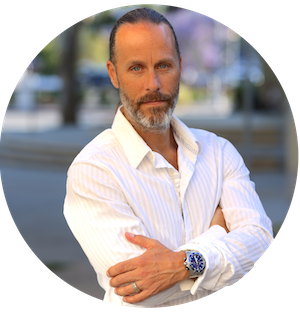
Kevin Anthony is a Certified Sexologist, Tantra Counselor, NLP Practitioner and a Sex, Love & Relationship coach. For over 10 years he has worked with men, women, and couples to have the relationships of their dreams, and the best sex of their lives! He is also the host of “The Love Lab Podcast”, creator of the popular YouTube channel Kevin Anthony Coaching, and creator of the popular online course series “Power and Mastery” as well as other online courses for both men and women.