Kevin Anthony 0:00
Welcome to the Love Lab podcast, the place to be for honest and real talk about relationships and sex, whether you’re a man or woman, single or a couple, this is the show for you. I am your host, Kevin Anthony, and I am here to help you have the relationship of your dreams and the best sex of your life.
Kevin Anthony 0:23
All right, welcome back to the Love Lab podcast. This episode is 373, and it is titled How to Master Forgiveness. You know, I wasn’t really sure when I was trying to come up with a title for this. You know, is this something that my audience is really going to resonate with, and I really hope that it is because it is such a key component to having healthy relationships. Obviously, this show is based around, you know, intimate relationships, but I think forgiveness is one of those things that will help you master any relationship that you have. And so I just felt it was so important. And I was like, I hope my audience connects with this. I hope when they read this title, they go, I want to know more about that, because I really do think it’s that important.
Kevin Anthony 1:14
So we’re going to talk about forgiveness today. We’re going to talk about what most people think forgiveness is. We’re going to talk about maybe a new definition of forgiveness that you’ve never heard before, and we’re going to talk about how to actually do this correctly. I’m really curious to hear what my guest has to share today. Just from the little bit that we’ve talked, I feel like there’s going to be some new things here around forgiveness that maybe most people aren’t really aware of. So I’m really excited to have this conversation, because I want to learn what my guest has to share with us today.
Kevin Anthony 1:50
But before we do that, a couple of words from my sponsors, ladies, did you know that the overwhelming majority of men consider receiving oral sex and must in their relationship? Of course you did, because men have been asking you for it your whole life. But do you feel confident in your ability to give great oral sex? If you tend to avoid it because you don’t feel like you’re good at it, or if you feel that you are pretty good at it but want to get even better, then my new blow job mastery course is for you. I have teamed up with the amazing coach, Ry Duong of Eterna Love, to bring you a practical and easy-to-follow course that is guaranteed to increase your confidence and skill when giving oral sex to your man. In this course, you will get all the secrets to mastering the art of oral sex with step-by-step instructions and multiple live demos. Go to https://www.sacredfemininearts.com/bjmastery, that is https://www.sacredfemininearts.com/bjmastery.
Kevin Anthony 2:38
And of course, Power and Mastery 3.0, which is the latest version of the popular men’s sexual mastery course, if you’re struggling with erectile dysfunction, premature ejaculation, or simply want to increase your skills in the bedroom, then power and mastery is for you join the exclusive club of men who have taken their sexual performance into their own hands and become sexual masters. Mastering your sexuality is a key component to becoming the man she has always dreamt of and craves. Don’t leave your sexual performance up to chance or the throw of the dice. Become a sexual master today by going to https://www.powerandmastery.com/sexual-mastery. That’s https://www.powerandmastery.com/sexual-mastery.
Kevin Anthony 3:16
Okay. My guest today is Dara McKinley. She is a forgiveness expert who defines forgiveness as a spiritual healing modality that makes pardoning, letting go, ceasing anger, and having compassion potential results of forgiveness, not the acts of forgiveness. She possesses a master’s degree in contemplative psychology from Naropa University and has studied psychology and spirituality for over three decades. Welcome to the show.
Dara McKinley 3:48
Thank you, Kevin. Thank you for having me.
Kevin Anthony 3:52
All right, we just got to dive in here and talk about what the four main definitions of forgiveness are, because in the intro, I said, Oh, you have a definition of what forgiveness is, and that differs, I think, from what most people consider forgiveness. And so let’s talk about sort of the four main definitions. First, what do most people consider is forgiveness?
Dara McKinley 4:18
Having compassion for others, for your adversaries, letting go of the past, pardoning others, and ceasing anger. Those are the four main definitions that float in mainstream consciousness. My definition is a spiritual process that heals, and one way to understand my definition versus these other definitions, the four that are mainstream can be defined as interpersonal forgiveness and meaning that those four really show up within relationships where people can really have healthy conversations. With accountability and making amends. And you know, in those very special and important but often, too often rare opportunities where you have this really nice converse, can have this really nice conversation with somebody, these mainstream definitions can flow.
Dara McKinley 5:21
However, for a lot of people, you’re not able to have those conversations with someone who’s done you wrong, like, what if you’re what if the person that you have a lot of strong feelings about is a narcissist? Or what if they have passed on, or, you know, you know, there are many reasons why we can’t have those healing conversations where pardoning can come to fruition. And so that’s where my definition comes in, and that my definition operates whether or not you can have a healing conversation with another person or not.
Kevin Anthony 5:59
So basically, what you’re saying is the four sort of main definitions. There’s nothing wrong with those, right? And they’re generally good things when you can actually do them. But there’s also another aspect outside of just those, which is what your definition is trying to encompass, all of that, right? So it’s like, how do we use the four things? There’s another component to it, and how do we do this, even if the person’s not available?
Dara McKinley 6:27
Yeah, and I wouldn’t say that there’s anything wrong with those four definitions, but I would also say that they’re putting the cart before the horse. That, you know, there really is this directive out there? It’s very strong. I see it and read it all the time of just pardon, just let it go, you know, just have compassion. And that has been able to do one of these, or just stop being angry, what being able to do one of these four things will bring the person peace. And there’s people who’ve written books about this, people who have survived atrocities and wars, who swear that when they pardoned, let go, had compassion, and stopped being angry, they were filled with a sense of peace.
Dara McKinley 7:13
And I believe these people. I believe that those definitions worked for these people. And I think there’s a huge demographic that those definitions work for. I also very keenly observe that there’s another demographic that doesn’t work for, and these people struggle, and they also then start judging themselves as forgiveness failures. So I think it’s really important to start, or be helpful or beneficial, to begin to scrutinize forgiveness and potentially look at it in a more user-friendly way.
Kevin Anthony 7:50
What do you think is the difference between those who were able to do it and those who struggle with it?
Dara McKinley 8:00
I think that the ones who struggle with it have an emotional component, or a somatic component, that needs attention first, and once that part of themselves gets the attention that it’s that’s needed, then they can move forward. But I think if there’s a part of you that is needing to be tended to, and you’re just trying to bypass it and, you know, launch into pardoning, you’re going to loop back. It’s not going to work.
Kevin Anthony 8:37
Yeah, it’s interesting listening to the way that you define, you know, the main definitions, and then this, this other demographic, because, you know, as a coach, inevitably, when I’m working with somebody, you know, because we’re always looking to get to the root cause of whatever their issue is, right? And it’s often something that happened very young in childhood. It’s often related to things that you know their parents did, whether consciously or unconsciously. I mean, it’s just common, right? Like anybody working in the field of psychology or coaching understands that that’s very common. So when you do come up against those things, one of the things that you always end up working with is, how do we forgive them for doing what they did? Right?
Kevin Anthony 9:20
Like, that’s a big part of it. And I can honestly say I don’t know. I know it’s possible, because I’ve seen some people do it, but in my experience coaching, I’ve never actually seen anyone say, you know, I just let it go and it’s all good. Obviously, they we, you know, we wouldn’t be working on whatever we’re working on if they were able to just let it go. But I bring that up just to say that even though the demographic of people I’m working with might be skewed by the fact that they’re coming to me for coaching, the fact is, is that I think that demographic that you describe, that you’ve keenly observed. It is bigger than most people realize. In other words, we’re constantly told, just let it go, just have compassion. But you know what? People do fucked up shit sometimes, right? And it’s not that easy to just let it go.
Dara McKinley 10:13
Right. That’s been my observation. I 100% agree, yeah. And I want to say out there, so if you’re resonating with what we’re saying right now, and there’s nothing wrong with the fact that you can’t let it go, that there’s actually, in my experience, actually like a treasure chest of goodness in the fact that you can’t let it go, it’s really just about changing your perspective.
Kevin Anthony 10:40
Oh, that’s interesting. Let’s talk a little bit more about that. What type of treasure might be there?
Dara McKinley 10:47
So I think when you can’t let something go, it’s a call, you know, inside. And I think when people become, you know, well-versed in how to investigate their inner experience. There’s immense guidance in there. There’s, you know, that’s that’s the big one, actually, that I, my number one thing that I love is that when I actually examine my inner experience, not only do I get to release and tend to the part of me that needs attention afterwards. I also have crystal clear intuition.
Dara McKinley 11:26
And I think our inner realm and the intuition that we have inside us is the antidote to scarcity, to a lot of fear, to, you know, being reactive and or to being heavy, what’s a way to say this, like not being so dragged by the emotional world, is to be able to access that place. So I actually think when I think that when we can’t let something go, that’s a portal, and that’s a doorway into ourselves. And I think when people get really masterful at traversing, you know, what’s inside us? There’s a lot of gold there.
Kevin Anthony 12:05
So another way to say that would basically be, you know, everything’s an inside job, right? Like, when you’re having difficulty forgiving somebody, it’s letting you know that there’s something else inside that needs to be worked on. Now, that doesn’t mean that it’s all your fault. I want to make that clear, right? Like, I don’t want people to think that, oh, because this person did something wrong and I’m trying to forgive them, that somehow, you know, my own stuff, it’s all my fault that I feel this way. I don’t want people to think that. But just know that if you are having a challenge with it, that it’s likely, as you’re saying, showing you that there’s something else within yourself that does need to be worked on, right?
Dara McKinley 12:47
And what that is, is very valuable. Like, once you actually have the courage to go check it out, you will find that it was a very worthy cause.
Kevin Anthony 12:58
Yeah, and because so many people struggle with forgiveness, I think it’s kind of a cool or positive message to let people know that it’s not just about forgiving the other person, but that there might be some value in it for them as well, for going through this process.
Dara McKinley 13:15
Yeah, I would say it’s a two-for-one, quite honestly, or at least the way I teach it, is a two-for-one one meaning that, if you so, you know, one of the main things that I teach people is how to apply unconditional love in a very practical way. And I define unconditional love. This unconditional love is another thing that, in the mainstream, has a lot of confusing definitions, in my opinion, that really trip people up. I define unconditional love as a spiritual love, and I think it comes through the human experience and through a lot of things, like I think a lot of people would experience it in nature. They experience it in, you know, families. There are a lot of different ways that it travels into the earth realm, into the human realm.
Dara McKinley 13:59
But I think fundamentally, it’s a spiritual love, and I think all human beings have access to it in one way or another. And so I teach people how to apply it. And when you get really good at applying it, you can apply it towards anything, and you can apply it. And when I teach people how to forgive specifically, I begin with, okay, let’s apply it to yourself first, because if you feel really full with it, then of course, it’s going to be much easier to apply to a circumstance that was really rough. So that’s always step one, how do I use the words like, how do you saturate yourself? How do you infuse yourself? How do you sometimes get like, how do you infiltrate yourself? Like, I use military words, which a lot of people really like, you know, they like that. Like, unconditional love can be an arsenal. It can be a protective force, you know, can be something that you can use when the circumstances, the external circumstances, are very harsh.
Kevin Anthony 15:00
Yeah, you bring up such an interesting point about the term unconditional love and how it’s used. I would love to just explore that for another moment, because you’ll hear this a lot in relationships, right? You’re supposed to love me unconditionally. And I mean, if you take those words literally, unconditionally means like, no matter what happens, no matter what you do, no matter anything, right? There are no conditions on that. And I think the problem with that definition is that it’s an unrealistic expectation for any person to live up to, you know, this idea that you know, no matter what, like, you’re never gonna have any sort of you know thing to say about it, like, you know, you brought it before narcissist. Like, what if this person is absolutely abusing you, you know, and you’re just supposed to be in unconditional love? I just think that what that does is it, like I said, it sets too high a standard that people are trying to live up to, and then and then, when they can’t do it, then they feel bad about themselves. What do you think about that?
Dara McKinley 16:10
So I don’t believe it’s possible for us to love each other unconditionally. I do think that one of the greatest expressions, or the closest possible thing that we can get to it, is typically the love between a child and a mother, or a child and a parent. And I think the Earth realm is a conditional place. I think that is just like foundational to what is happening on this planet. It is a planet of conditions, and those conditions operate within relationships. And sometimes when I think of people saying, Oh, you’re supposed to stand by me unconditionally, like, you know, I’m a trained therapist. So when I hear that, I often think that it’s quite likely that they did not get the unconditional love that they should have gotten when they were kids or and so they’re still, you know, wanting to get that from some external source.
Dara McKinley 17:11
And when I say this, like I’m in the human realm, also, I have sought unconditional love from other people, like, I’m always working myself, working with myself, and watching this phenomenon of like what I expect from others. And you know, so I just want to say that I’m in this mess with everybody else. I am not going to make myself exempt from this phenomenon. But it is a human phenomenon that we all, not we all. I’ll say a good majority of people really do wish they could be loved unconditionally by another person. And it’s not reality. It’s just not reality, but we can give it to ourselves. And so that’s the great news. And so it’s so you know, that’s what I have to say about that. I hear you with a lot of people struggling with that and thinking that that’s what the ideal, most amazing aspect of being in a relationship is, that you get to be loved unconditionally. But I’ve never seen it play out that way.
Kevin Anthony 18:18
You know, honestly, I would not expect my partner to love me unconditionally if I were treating them badly, just I don’t know, it just wouldn’t even occur to me to expect that you know you, what you expect is somebody you know you’re in this relationship. You’re growing this, you’re building this together, you’re treating each other with emotional maturity and love and respect, and in that, you know scenario, yes, you would expect your partner to really love you, but you know, if circumstances change and one partner is treating another one, you know poorly, or something like that, you don’t still have that same expectation. At least I wouldn’t have that same expectation.
Dara McKinley 19:02
Right. In life, very stressful things happen in life that, you know, bring out difficult parts of our personalities. And you know, life’s a life’s an up and down roller coaster, you know. So I completely agree, and with that said, like when two people are in a relationship and they’re both taking responsibility for unconditionally loving themselves in the relationship. Think about how much goodness that liberates between the two of them, right? It’s like, oh, like, I get to have pleasure and joy and fun experiences and cuddles and, you know, all these great things that relationships can bring, you know, but when all is said and done, I’m responsible for unconditionally loving myself, not you. And I think that’s hot. That’s the kind of relationship I want to be in.
Kevin Anthony 19:49
So I completely agree. I think you need to unconditionally love yourself first. I. Definitely. Now, when it comes to okay, maybe I can do that, or at least I can do it somewhat well. And now I’m in this situation with another person where I need to forgive them. There are two things I want to talk about here. One is, okay, you know, sort of, what are the steps for? How do we do that? But also, you know, some of the questions I had written down from our previous conversation were like, you know, what are the components that are necessary from what we termed the offender versus? What are the components that are necessary for me? So, like, this is a, this is a co-creative process between the two of us. Something’s happening here, and forgiveness needs to happen. What are the things that need to be there, say, from, you know, the person that, for lack of a better term, the offender, the person that we want to forgive. Is there anything that we need to be there from this person in order to make this process happen?
Dara McKinley 20:56
Well, so, right? So I just want to make clear that we’re talking about interpersonal forgiveness, and then the type of forgiveness that I teach, which does come into play with interpersonal forgiveness, but I call it intra personal forgiveness, and so my what I teach is interdependent, or operates no matter what, whether or not you’re having the healing conversation in interpersonal forgiveness, which is what you’re bringing up right now. I think that having honest conversations that take accountability for what happened are key. Like, they are foundational to the repair. I also think what we were just talking about, like, obviously, if something, a rupture, a really strong rupture, happens, there are going to be young parts of ourselves that are affected by that. And if those parts aren’t tended to, and really, you know, loved up in those moments, those parts are actually, I mean, it’s quite dramatic, the damage that kind of like our younger selves can do in an adult relationship.
Dara McKinley 22:07
So I think that, like that’s foundational, you have to take care of that part of yourself in order to move forward into the repair process. And I’m a huge fan of apologies and of making amends and rebuilding trust. Like, I think all these very practical things are key to truly having a new beginning and truly feeling like, okay, I can pardon what happened. You know, again, there are so many scenarios it’s so easy to pardon the little things; it’s easy to pardon getting cut off, you know, in traffic. And it’s easy we use, we use the word, Oh, forgive me, I’m late. Oh, forgive me. It’s we use it all the time in English. And it’s very easy to pardon the small things. But when things are huge and something really big was lost, like trust, that takes work, and both people really need to show up for it. And if one person doesn’t show up, I don’t know what to say in that situation, you know, like, I think you then you really have to dig deep, if you can, you know, move forward where someone is not willing to do the work of repair, I don’t know. So this is, you’re the relationship expert. What do you think?
Kevin Anthony 23:25
Well, that’s yes, but I always like to hear other people’s opinions on things, which is, doesn’t mean I don’t necessarily know the answers to the questions, but I like to hear other people’s opinions of it. I was just curious, you know, what you might share with that? And I do want to come back to this distinction between intrapersonal interpersonal, because I do have some more questions on the interpersonal as well, but I kind of just wanted to start with that, because I think most people you know in their day to day life are in a situation where they are faced with, you know, opportunities to do intrapersonal, right? So something’s happened with their partner, they did something they didn’t like, they’re upset about it, and now they need to go into this forgiveness sort of place.
Kevin Anthony 24:04
And so that’s why I kind of want to talk about that a little bit. And you mentioned some of the things, some of the notes that I had here on that, which is, you know, is there a willingness to repair, right? Is there a willingness to sit down and say, okay, you know, I messed up, or you messed up, or whatever, and how do we fix that? And then you also mentioned it, did they attempt at least to make amends, right? So that’s always a big piece is, you know, if you, if you do screw up, which everybody does from time to time, own it first of all, right? And then do whatever you can to make amends. You might not be able to fix everything, but at least you can try. You can show that you’re willing to try to fix whatever happened, right, right? And then, of course, there’s, there’s the willingness to do that. So, yeah, I think those are some of the essential components you mentioned, the ability to have. Have conversations like, not just a conversation, but an emotionally mature conversation,
Dara McKinley 25:07
Right, where there’s no, there’s no blame that you’re in, you’re speaking from I and you’re and you’re talking about your experience, and letting people talk about their experience without getting defensive.
Kevin Anthony 25:17
Exactly, so there’s, we don’t have time to go into it in this, you know, conversation. But, you know, there’s, I have a handout I give to clients when I’m working with them, that I call the communication best practices. And it’s basically, it’s all of that stuff. It’s everything from, you know, how do you do, how do you listen properly, right? And then how do you set the container for it, and, like, how do you manage your reactions, and how do you speak in i and we statements and all of that kind of stuff. So all of that needs to be part of that conversation when you’re working on that, right? One of the things that I so, all right, let me just pause and take a break, because I don’t want to interrupt this next part that we’re going to talk about, because I got a bunch of questions to ask you about it.
Kevin Anthony 26:07
So Okay, let’s just pause for a quick break when we come back, I want to talk more about the interpersonal side, and I also really want to talk about because this comes up all the time, and I kind of mentioned it earlier in the show, this idea where you need to go through a forgiveness process, but you don’t have access to the other person anymore for whatever reasons, right? I really want to talk about that, because that comes up a lot.
Kevin Anthony 26:31
Okay, okay, are you a couple? Are your relationship and sex life where you want them to be? Are there changes you would like to make, but just don’t know how? Maybe you think there is nothing that can be done if you’re not 100% happy with where your relationship or sex life is? Then get help today and change your life. Go to https://www.kevinanthonycoaching.com/couples/ and schedule a strategy call with me today so we can map out a strategy to get you where you want to be, so you can have it all your way. That is https://www.kevinanthonycoaching.com/couples/. That is obviously an ad for my couples coaching, where we get to work on a lot of this stuff. So you know, if you’re, if you’re sitting there and you’re thinking, I don’t know how to navigate this, that is one way to do that. And of course, you know, I have a great guest on today who specializes in this. So if you’re really struggling with, you know, going through some sort of forgiveness process in your relationship, and you need somebody who is an absolute expert on that. At the end of the show, of course, I will give Dara an opportunity to tell you where you can find her and her work. So I always recommend that as well. Okay, let’s talk about this idea of the interpersonal, which is more, I think, your area of expertise?
Dara McKinley 27:44
No, mine is intra. Oh, it is intra, yeah, interpersonal is the one where it’s relational, and the intra is when it’s you’re on your own.
Kevin Anthony 27:54
Okay, I had that backwards apparently. Okay, that’s okay. Let’s talk about intra then, and this idea of, you know, like, how do you do this process? Let’s just start with that. Where does one start?
Dara McKinley 28:11
So I begin with teaching people how to feel unconditional love in their bodies, and once they have a really strong experience of that, then I work to teach them how to apply it in a practical way. So I’m very spiritual. I was born, you know, from my earliest memories, I experienced myself as a very spiritual little girl, and I essentially, when and what I mean, I was very spiritual. I was born with a felt sense of unconditional love, and this doesn’t mean that I had any clue what to do with this felt sense that I had. I still was, again, a very messy human just doing my best in life and making tons of mistakes and but when I decided to figure out how to forgive and I had the thought like, oh, how do I saturate this horrible situation that I’m in right now, which I can, you know, illuminate, you know, the moment that I came to the forgiveness path, how do I saturate this horrible situation that I’m in right now with unconditional love?
Dara McKinley 29:18
When I had that thought, I was like, I it was a very easy reach for me to access unconditional love, because for whatever reason, I was a person born with feeling it all the time. So I understand that not everybody has this experience. A lot of people do, though a lot of people do have a felt sense of unconditional love, and some people don’t, but I do believe it’s showing up for everybody in some way, whether it be again, like, I think when people, some people, when they’re with their families, they really have a strong feeling of it. Some people, when they’re in nature, have a very strong feeling about it. When they’re, you know, when they’re by water. You know, we go to nature and water, because there is this very sacred whole. We feel that we’re not getting in other places. Some people feel it when they’re in the theater, right, like with the drama and and then some people, some people feel it when they meditate, like yoga.
Dara McKinley 30:15
So I say there are a lot of different ways to feel it, and so it’s a matter of identifying that and really getting like, oh, okay, here’s where it is. Here’s where I feel this feeling that there’s something bigger than this existence happening. And I would say, on a very base level, that’s what it feels like. But meditators, if you talk to people who’ve had near-death experiences, and meditators pretty it’s pretty ubiquitous that all these people say that it feels like an immense, warm ocean where everything becomes one, and so that’s kind of like the ultimate experience of it. But you don’t have to have the ultimate experience of it in order to use it. You just really need to be in contact with a love that is bigger than what’s happening in this human realm. And I believe all beings are wired to have that experience. So, last place, some people, another important place where I think people feel it is when they go into holy spaces. I think holy spaces really do like old churches or places of temples, places with cathedral ceilings. I think that’s another place where people can come into contact with it in a very strong way.
Dara McKinley 31:23
So once you have that, that’s a medicine that’s not just like, oh, let me meditate for two hours and have this experience of unconditional love, and then go back into my day like there’s a much more practical use for accessing that experience. And so they can be applied. It can be applied to these things in life that are extremely difficult. And when we apply it consistently, consistently, it’s a natural medicine. It’s like a bomb. And when I say bomb B, A, L, M, though, if you want to see it as A, B, O, M, B, that works too. You know, like I tell people, however your soul needs to use it is totally fine, just as long as it’s getting used. And so I then, and anyway, I believe it is in my experience that accessing it is an experience of the right hemisphere of the brain. And so I teach people how to use the right hemisphere of their brain, and then I teach them how to create, create a scenario of like, what is that thing that’s making you cringe wince? What is that thing from the past that it just haunts you? Right?
Dara McKinley 32:35
So it’s a matter of like, taking this medicine that you now have and uniting it with this harsh memory. And if you do that consistently, I have yet to have a person do this and not have an immediate sense of relief upon doing it. And then when you do that consistently over a short period of time, I teach people to do it for three weeks, and it takes like, you know, one to three minutes a day to do that harsh experience with all the rough edges that you wish had never happened that you can’t believe, happened that lives inside you and comes and visits you in nightmares All of a sudden starts to dissolve, and when, not only does it start to dissolve, but as again, I love the intuitive piece of all of this, once it starts to dissolve, it reveals something. And for every person, it’s different, but it reveals information that’s important about your life’s journey. Obviously, being very spiritual, I believe in reincarnation. I believe that, you know, we come here, we go, not here, but we come to some creations over and over and over again.
Dara McKinley 33:47
And I think a lot of things that people are dealing with in this life are from previous lives, as or what we consider karmic. And when I say karmic, I don’t mean the debt. I don’t mean like you’re paying some horrible debt in this life. I mean that, like for whatever reason, this is the curriculum that you have in this life. You know Liz Gilbert, who wrote Eat, Pray, Love, she calls this earth school. So this is the curriculum that you have in Earth school, for whatever reason, you’ll never know, probably, in this life, why you have it, but you just have to play it out. And you know, there’s a lot of information. Should you look at life this way? There’s a lot of information to be gathered about how to walk the path as skillfully as possible. Okay, so that was a mouthful, yeah.
Kevin Anthony 34:34
So basically, what you’re saying is, what if you’re in a situation where you need to forgive somebody, is to get in touch with that, what we were calling unconditional love, and that people can get in touch with that in many different ways, right? So, some people find it in nature. Some people find it in meditation, you know, some people find it potentially, you know, in a church or someplace like that. So. So if we make that into something tangible that somebody can use, let’s say they have a situation, there’s some argument, there’s something that happened in the context of the relationship. They need to have a conversation about it. Do you suggest that you know, they first find a way to tap into that? And if that’s the case, would it potentially be okay for them to say, Okay, now is maybe not the right time to talk about it. Why don’t we, you know, talk about it at this point in time, and then they would have an opportunity to go attempt to connect with that before they have the conversation. Would that be something worth doing?
Dara McKinley 35:45
Yes, yes. Like, absolutely, absolutely. I think it can be very useful. And, you know, I don’t think, like, as you said earlier, like if you’re in an abusive relationship, you’re in an abusive relationship, and you can’t think that unconditional love will lead you out of that relationship, is what it’ll do. You know, you can’t stop another person from, or you can’t make another person change, until they want to change. But when you’re in a relationship and you’re just coming across like the normal, natural provocations of being in an interpersonal relationship, what you just said is a beautiful use of it, and it really does take us out of our reactive mind and puts us more into our creative minds.
Dara McKinley 36:27
And so, you know, to give an example, I was, I’m in, I’m in a very stressful aspect of my point in my life right now, and had a significant relationship, and I started to see myself not be skillful at all. And so I went and did this practice with myself, and then was able to say, Hey, these next few days are going to be very turbulent. How about we just be as kind and patient with each other as possible? And it completely changed the game. Whereas, previous to that moment, with me, like removing myself and saying, What is, what needs this medicine right now, inside me, I was going into a competitive place of like, No, you are doing this. You are, you know, starting to point fingers. And it took me out of it.
Kevin Anthony 37:14
Okay, so step one, then, if need be, pause right, go through your own process, find a way to connect to that unconditional love and then come back together with that person, once they’ve done that, and they show up now, and it’s like, okay, I can feel some of that, and I’m ready to have This conversation. What’s the next thing they should do?
Dara McKinley 37:40
Well, when you know when you need to tell somebody what your experience is, of course, as you mentioned, it’s like then, then speak from I, and I guess I would love, like I’m just imagining for myself. I would love to have an agreement that if it started to become blaming or heated, that space is taken. I once listened to a therapist say that she and again, this is an ideal world, but I really think this is so valuable, like when we go into these difficult conversations, or prior to going into the difficult conversation, to ask the other person, Are you resourced right now? Are you in a place that can even have a difficult conversation? Because think of like, every human right now is juggling everything right. When we lived in a tribe, we all delegated specific things to specific people. But now every human is juggling every aspect of life, right so really finding spaciousness, you know, to have conversations, and ensuring that the spaciousness is there before you enter into the conversation. Like, to me, that’s like kind of half the journey, right?
Dara McKinley 38:52
A lot of times, we enter into conversations when people are feeling a mountain of stress already, and then, where is that going to go? So, so I, and then if things get heated, it’s like, okay, take space, take a timeout. You know, again, I think unconditional love is medicinal, so use it as ever; however, you need to use it in order to bring yourself back to your highest self. And then, you know, I always think, like, what is it that wants? What is going into the conversation? Knowing what you want to create, right? Like, what do you want to create? Understanding, do you want to create an agreement? Do you want to create? You know, again, you’re the relationship coach. So, is that how, like, having more of a creative mindset, I think, is always going to be a winning strategy, right?
Kevin Anthony 39:43
Yeah, that’s all good stuff. Yeah, I was just what I’m hoping that people can take away from this, like, at least a couple of tools or things that they can do to help them with this forgiveness process. Us. So, you know, I share all the time. You know, how do you have good conversations? And, yeah, how do you work out all that kind of stuff? So my audience should be fairly familiar with those aspects of it, which is why I’ve been sort of leaving it a bit more open-ended in the questions that I’m asking you, just because I kind of want to bring out a little bit more of like, how f do I do this forgiveness thing? I’m struggling with it, right? Like, what? How does this even work? Right? You know, when I’m so angry at this person, what do I do? So we’ve already covered some of that, right? Which was, you know, connecting to the unconditional love, taking time if you need to, finding out if somebody is resourced enough, having this emotionally mature conversation. Are there any other sorts of tips that would help somebody with the process of forgiveness?
Dara McKinley 40:55
Well, I just think the way I use what I teach relationally is I do everything I can to make sure that my inner world is tended to. So I use forgiveness on myself primarily. And once I use it on myself primarily, and the other person shows up in a way that really wants to make amends and move things forward, and really have a positive relationship with me. Pardoning just happens. Letting go, just happens; having compassion, just happens. So that’s what I mean. Like it’s the result of forgiveness more than it is the act of forgiveness, like it all of a sudden, just naturally, I’m not angry anymore, right? I’ve taken care of myself. My partner really does want to show up for this and create something beautiful with me or my friend, or, you know, whoever, and as long as I’ve taken care of myself, like, yeah, as you said, forgiveness is an inside job, and pardoning when you do that inside job, the rest flows.
Kevin Anthony 42:09
Well, that’s a good segue into the other piece that I really wanted to talk about, which is, you know, I mentioned earlier in the show that you know, often when working with clients, you know, we find some pattern or behavior and we’re looking for the root cause of it. We go back far enough, we often find out, like you mentioned before, well, maybe they never got that unconditional love from their parent, right? There’s, there’s a ton of stuff that happens in those early formative years that, you know, puts these sorts of imprints, these patterns on us that then we play out later on. So sometimes those things need to be forgiven, right?
Kevin Anthony 42:47
And one of the challenges that people have is, well, you know, my parents aren’t alive anymore, or I haven’t talked to them in 20 years. Or, you know, this, this person I had a relationship with 20 years ago, like I don’t even know where they are in the world now, like I have no contact with them, no way to get a hold of them, and yet I’m holding on to this stuff, and I need to find a way to let go of it, to forgive them. So I, of course, know that this is possible. I have my own story on how, you know, I did this sort of accidentally once, and the amazing impact it had. But I’m just curious, from your point of view, how does one go about forgiving somebody for something when they don’t that person isn’t even around to be part of this process anymore, right?
Dara McKinley 43:39
So if you have something to let go of, there is somewhere in your body that’s holding on to it. And so it’s a matter of finding what the spot is, what the area is, or areas, often, of the body that are holding that memory or that experience, right? And then we all have, I say, we all have an operating system within us that I say is like Photoshop, like it brings up the files, right? We all have our mind’s eye, and our mind’s eye can bring up those files. It can bring up that thing that’s stuck within us, and once we can see it in our mind’s eye, then we have the opportunity to apply the medicine, as I would say. And so I believe in, you know, of course, all of these would be categorized as part of the emotional experience of being a human being, right? So the human experience has the mental experience, it has the physical, practical experience, it has the behavioral experience, and it has the emotional experience. And when we can’t let something go, that means that’s in the emotional arena of being a human being.
Dara McKinley 44:57
So emotions like. All anatomical systems are meant to circulate, and when they don’t circulate is when they start to create problems for us. Again, just like all anatomical systems, when they don’t circulate, they create problems. So I teach people in a very, again, practical, straightforward like this is not does not have to be a big deal. All human beings are faced with this task of like, how do I take care how do I see my emotional realm and take care of it and circulate it so that it’s working for me and not against me? And so I believe that that’s a foundational piece to forgiveness. In other words, it’s not all about love and light and applying unconditional love, and all you have to do is apply the unconditional love, and then everything will be better. You have to know what needs the medicine. If you don’t, can’t identify what needs the medicine, you’re not going to apply the medicine on the thing, on the wound.
Dara McKinley 46:01
So it really is a matter of being able to see that. And again, we’re so, you know, from the gate, we are trained to look outside ourselves. That’s what the entire, you know, Western academic system is training us to do, is to look outside of ourselves. So this is like reversing that momentum of the Western mind and going, Okay, wait a minute. Let me look inside myself. Find in my body where I’m feeling this tension. Give it some space and air and and then apply this medicine. So that’s why you can forgive anything. You can forgive people who have left the planet or who you’re never going to see again. You, as long as it’s inside you and you want attention, it can be forgiven.
Kevin Anthony 46:51
Yeah, and I think that’s a really important point to make, and it’s one that I’m often having to say to clients of mine, because when we do uncover those things, it comes up all the time now. Well, you know that person isn’t with us anymore, you know? So I guess I’m just stuck with this stuff. And of course, I’m always telling them, No, you are not stuck with it. You don’t even need them to be present in order to heal this. And that blows most people’s minds, because they’re like, I never thought about it that way, because everybody thinks about forgiveness in the context of, okay, you and I are going to sit down, we’re going to figure it out, we’re going to talk it through whatever, and get to a place of forgiveness, and they don’t realize that, you know, as you have said, that it really is an inside job, and that you can actually go through that process on your own. But that leads me to one last question that I want to ask you, which is, okay, let’s say that the person you want to forgive actually did something that was really wrong, like, really messed up….
Dara McKinley 47:54
The happens all the time.
Kevin Anthony 47:57
Yes, it does, but the challenge that people have is, How do I forgive them for doing something that was really wrong? Because in their minds, they equate that like I’m forgiving them for it, almost as a if it was okay that you did, right? So let me, I’ll let you answer that first, and then I’ll tell you my opinion on that, right?
Dara McKinley 48:22
So forgiveness does not excuse bad behavior. And then this is my favorite part of the whole thing. So when I came to one of my favorite parts of the whole thing is that when I came to the forgiveness path, I really could not pardon the people. You know, I was forgiving multiple people, and what I what had happened, in my estimation, was so, so wrong that I really had nothing in me to pardon these people. And so that’s when I had the thought like, oh, do I have to do it, or is there something I can enlist to do it for me? And so, that’s when I reached for this felt sense of unconditional love that I was born with. I was like, Oh, I can’t love these people. I can’t pardon them. I can’t give them anything good from inside me.
Dara McKinley 49:16
But there’s this thing I have access to that I know can and so that’s how I really what, what I really teach, try to get through to people and teach them in my course, is that forgiveness is a delegation, ultimately, that I think when people have really felt or been subjected to really harsh circumstances and then start to put the pressure on themselves, to unconditionally love, or to just stop being angry, to let go all the things that we mentioned, you know, that’s just adding more emotional stress onto somebody. So I want to say to everybody out there who’s listening, it’s like you don’t have to be unconditionally loving to something that’s betrayed you or traumatized you or some huge right?
Dara McKinley 50:00
Rapture. You know, that’s, I think, too tall of a human task. But you do have access to something that can do that, and so you’re really delegating it out to, you know what? Again, I say unconditional love is a very spiritual force. You’re really delegating out the loving, and I wouldn’t even call it that you’re you have to love what happened. But unconditional love is a medicine, and when we saturate whatever happened with that medicine, and that medicine happens to be a loving force, but who, whatever you know, whatever works, then you will start to see a dramatic shift in how you’re living with that experience. So yeah, so that’s what I want to say to people you don’t have to forgive. But my friends joke around that I’m the unforgiving forgiveness teacher, and I wear that name proudly. Quite honestly,
Kevin Anthony 50:58
I always draw a distinction with people when we are dealing with this process between the act that occurred, the behavior, the thing, and the person, right? So, you know, I often tell them, forgiving them is not condoning the behavior, but it’s seeing the person for, you know, the flawed individual that they are, and potentially the circumstances that let them do it. So, for instance, I deal with a lot of stuff around, you know, parental issues with clients, right? And they say, Well, you know, my dad was like this, or my mom was like this, and, blah, blah, blah. And they say, okay, yeah, what they did really wasn’t right. There’s no like. There’s no way we can say that what they did is actually right. They shouldn’t have done it.
Kevin Anthony 51:48
But now let’s try to take a moment to maybe understand why they did what they did, and then it often comes down to they were abused by their parent, right? Or they, you know, they were in the middle of a divorce when you were four, and you had no idea what was actually happening, right? And they were under massive amounts of stress, and things like that. And I think people have an easier time connecting with that unconditional love when they realize that the person who harmed them in whatever way was themselves struggling with something difficult.
Dara McKinley 52:27
Yeah, I completely agree. And I love that. And so right, like, let’s say someone was forgiving their father. And their father had a very difficult childhood. You can create what I call a forgiveness scene where you bring up an image of your father as you as the person experienced them in their childhood, and you can bring up an image for this very difficult childhood experience that this man had, and you can integrate both those things in your forgiveness process and that, And I agree that that would move things along very a lot quicker, you know, when you have that comprehensive understanding of the individual.
Kevin Anthony 53:08
Yeah, and, you know, in some cases, you’re not really going to know for sure, right? But, but you can generally get to, you know, a version of the truth that’s close enough, right? So, right? Somebody will say that, you know, well, you know, my dad did this, that, and the other thing, and he was this raging alcoholic, and he was always drinking, and that’s why he did all these things. And it’s like, okay, well, why was he drinking, right? And then we get to the root cause of that, and suddenly they go, Oh, I had no idea. That’s what he was going through again, it doesn’t make the behavior that he did, right, but you can have some understanding. And once you can do that, then you can start to have some of that unconditional love for them, right?
Dara McKinley 53:50
And you bring up a very good point. I know, I know we’re at a time, but I just want to throw this in that some people have had, let’s say, childhood experiences where there’s so much that happened, that they look back on it and they think, where would I even begin to forgive that that’s too much has happened. It’s too overwhelming. It’s unforgivable, right? And so I just want and so I call this the epic timeframe. There are three timeframes of forgiveness, and the epic one is when you’ve been in a 30-year marriage with a narcissist, or when you had a really difficult childhood, something went on for a long time, and there are many, many transgressions.
Dara McKinley 54:27
And so for anyone listening who might find themselves thinking that, I just want you to say it is forgivable, and I know that seems daunting, but it is, because even though what what that person did, or what your experience was right now, as in this moment is a present moment experience in your body and so, and that is always, always a forgivable thing anyway. So I, again, I for people who, anyone in that boat, like I definitely teach more about exactly how to do forgive something that is con. Considered mammoth, but I just want you to know that it is possible.
Kevin Anthony 55:04
Yeah, indeed it is. And in a lot of that, you know, something we haven’t necessarily spoken about, but like we talked a little bit about the inside job, but a lot of it really is realizing that, you know, I guess the best way to put it is, don’t take it personally, right? So in other words, like your dad was an alcoholic, like I used that before, and maybe he beat you, right? And like, you can’t forgive the beating, because that’s just that’s when I say, can’t forgive. I mean, there’s no excusing that behavior. It’s bad behavior. It shouldn’t have happened. So we’re not saying that, but what we’re saying is that behavior might not have actually had anything to do with you. You just happen to be in the wrong place at the wrong time, so to speak, right?
Kevin Anthony 55:47
So what I’m getting at with that is this idea of like being able to sort of look past the behavior, see the individual for who they are, realize that this might not have even had anything to do with you at all, which then makes it, again, a little bit easier for you to, you know, see them as the flawed individual, and, you know, bring in that unconditional love.
Dara McKinley 56:08
Yes, yeah, absolutely. And to not and not to hammer yourself with, I’m not worthy, or I’m not lovable, or exactly,
Kevin Anthony 56:18
Thank you for adding that, because I was struggling a little bit to put that into words. But that’s, that’s kind of the idea is that you don’t take it on as if you were bad or you were wrong, or, you know, you deserved it in any way, right? You realize it, actually, this didn’t have anything to do with me. It was all their stuff, right? Right, right. Okay, hopefully, we did a good job of helping people with this. It is, it is a little bit of a tricky subject, and it’s, you know, it’s not necessarily the sort of thing where you can just say, step one, step two, step three, step four, and everybody follow the same process and it’ll all work out fine. So because of that, it might, might be a little bit trickier to, you know, get that across to people. You know what the process is, that they could potentially go through. But I think we at least got some good pieces out there that people can take and that they can use.
Dara McKinley 57:14
We made people think, yeah, which is always, always my goal.
Kevin Anthony 57:21
So tell people where they can find out more about you and the work that you do.
Dara McKinley 57:26
So I teach a course called How to Forgive, and so you can go to how to forgive.com, and it’s always available. And when you take that course, you have email access to me throughout the course. So if you need advice or are struggling with anything, I’m here to help you out, and it’s a five-week course, and it is, it is very step by step I because I’m coming with a very new perspective on it. It’s definitely a lot for people to wrap their minds around at first, but if once people really get like, oh, okay, you know, I can really do this on my own. I really aim to give people a straightforward step-by-step process, because that’s what I wanted. The night I realized I needed to forgive, I jumped online. This is in 2012, and I was like,
Dara McKinley 58:15
Okay, I’m gonna figure this out. And what are you? What is it when anyone wants to figure something out? What do we do? We get online and we type in and we type in how to forgive. So I typed in how to forgive, and 99% of what came up again, this is 2012, was why a person should forgive, and nothing about how, or the teeny bit that I could find about how, said you just do it. So I’m such a practical person, I give me the list, give me the step-by-step. And so I realized that night and again, never thinking I was going to be teaching this, just really wanting to get myself out of a hole. I was like, Okay, I need to come up with my own step-by-step. So that’s the lens I’m coming from. Like, I really want to give people a practical experience about forgiveness, because, considering how much discourse there is about it, a very practical step-by-step is something that is still very mysterious to most people. So that’s my goal.
Kevin Anthony 59:13
Awesome, and I’m kind of amazed that you were able to get the domain how to forgive.
Dara McKinley 59:19
2014, it was like sitting there waiting for me. And 2014 is when I realized I was like, I need to teach what I discovered that night. And typed in how to forgive.com and there it was. And so I definitely took it as a sign.
Kevin Anthony 59:33
Yeah, all right. Well, that is the place to go find out more and to get maybe a clearer step by step is to go to how to forgive and take that course. Dart, I want to thank you for coming on the show and talking about forgiveness with us today. Like I said in the beginning, I I feel that this is really an important part, not just for our relationships, but as you have pointed out throughout this discussion. How important it is for ourselves and for our own healing.
Dara McKinley 1:00:05
Thank you, Kevin, thank you for having me. I really appreciated the conversation, and yeah, it was an honor to be here.
Kevin Anthony 1:00:11
All right, everybody, that’s all the time I have for this episode, and I will see you next week.
Kevin Anthony 1:00:23
I hope you liked this episode of the Love Lab podcast. If you enjoy this show, subscribe, leave me a review, and share it with your friends, and for more free exclusive content, join me in the passion vault at https://www.kevinanthonycoaching.com/vault/. That’s https://www.kevinanthonycoaching.com/vault/. Thanks for listening and remember, as Celine used to say, you’re amazing!
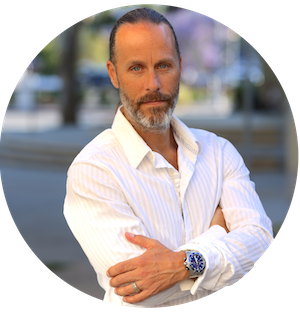
Kevin Anthony is a Certified Sexologist, Tantra Counselor, NLP Practitioner and a Sex, Love & Relationship coach. For over 10 years he has worked with men, women, and couples to have the relationships of their dreams, and the best sex of their lives! He is also the host of “The Love Lab Podcast”, creator of the popular YouTube channel Kevin Anthony Coaching, and creator of the popular online course series “Power and Mastery” as well as other online courses for both men and women.