Kevin Anthony 0:00
Welcome to the Love Lab podcast, the place to be for honest and real talk about relationships and sex. Whether you’re a man or a woman, single or a couple, this is the show for you. I am your host, Kevin Anthony, and I am here to help you have the relationship of your dreams and the best sex of your life.
All right, welcome back to the Love Lab podcast. This is episode 342 and it is titled How increasing self-awareness and emotional intelligence will significantly improve your relationship. Now, I’ve had some guests on in the past to talk about emotional intelligence, and everybody has a, you know, their own sort of take on what emotional intelligence is. And what I find interesting is that I feel like I’ve done a lot of material on this, and yet still, over and over and over again, I hear people telling me I don’t really understand what emotional intelligence is. I don’t really get what you’re talking about here. So I think it would be a good idea to cover it again, and we’re gonna also add in the element of self-awareness, and this is something that I really want to talk about as well.
I’ve never actually specifically did a show on like self awareness, but having done this work for a long time, and I imagine my guests will probably agree, we’ll talk about it after I introduce him, but I have found that literally, the key to everything is self awareness, and it almost doesn’t matter what you’re talking about, relationships, your sex life, how you cohabitate, your work relationships, whatever it is, without a pretty deep level of self awareness, you really never have those truly harmonious relationships and connections with people. And so I really want to dive into that today and explore what does that even really mean. You know, how does one recognize if they’re, say, lacking self-awareness, what could they potentially do to increase their self-awareness and similar questions with emotional intelligence? So that’s what we’re going to dive we’re gonna dive into in the episode today.
But before we do a short word from my sponsor, power and mastery, 3.0 power mastery. 3.0 was the latest version of the popular men’s sexual mastery course. If you were struggling with erectile dysfunction, premature ejaculation, or simply want to increase your skills in the bedroom, then power and mastery is for you join the exclusive club of men who have taken their sexual performance into their own hands and become sexual masters. Mastering your sexuality is a key component to becoming the man she has always dreamt of and craves. Don’t leave your sexual performance up to chance or the throw of the dice. Become a sexual master today by going to powerandmastery.com and joining the exclusive club of men who have taken their destiny into their own hands. That’s powerandmastery.com.
Okay, my guest today is Dr Greg Stewart. He lives in Rockwell, Texas, and is currently a full-time telehealth counselor, executive coach, and consultant. He has a BA in organizational leadership, a master’s of divinity, an MA in counseling, and a PhD in counselor education and supervision. His dissertation was the relationship of emotional intelligence to job satisfaction and organizational commitment. He is the author of i three unlock the inner strength behind your negative emotions. And I three for couples facing our negative emotions to build intimacy in marriage. He is currently working on his third book, I three for leaders, which will be available fall of 2025, so welcome to the show, Greg.
Dr. Greg Stewart 3:36
And thank you, Kevin, for having me. The pleasure is mine, sir.
Kevin Anthony 3:39
All right, let’s dive in and let’s start with emotional intelligence. Just in case anybody listening hasn’t heard one of my previous episodes or hasn’t really dove into this subject before. Can you start by explaining what emotional intelligence is?
Dr. Greg Stewart 3:57
Okay, so emotional intelligence is separate from IQ. The book that popularized it is Daniel Goldman’s book Emotional Intelligence. Why can it matter more than IQ? So emotional intelligence basically has to do with the emotional energy that we all experience. So either it’s the ability to control and manage our emotions when they are too intense, what I say inflated, or in some cases, it’s when we need to. Can we tap into and generate that emotional energy when we need to? Our ability to be intelligent is the recognition of that self-awareness and the ability to both figure out how to control the negative emotions when we experience it and generate the emotions when we need to.
Kevin Anthony 4:44
Yeah and I like that piece that you added, because a lot of people, if they do understand emotional intelligence, what they understand of it is like, Oh yeah, I’m recognizing I’m having an emotion, and I’m figuring out how to control it, like, not fly off the handle or let it dictate what might be. Behavior is, but the other piece that you added in there was being able to have the appropriate emotion at the appropriate time, right? Yes, that’s a piece that I don’t think a lot of people talk about. What could what would be some examples of that?
Dr. Greg Stewart 5:18
So let’s say, for instance, that even whether it be good or negative emotions, like my favorite example is when it comes to emotional intelligence, is Michael Scott from the office, right? So Michael Scott from the office did not have it because it had to do with the fact that he was not aware that he wasn’t able to read the room. So he would have incredibly excellent emotions, like super happy emotions, when the mood in the room was exactly opposite, right? So it’s about matching the emotions that are needed for the situation.
Because obviously the easiest way is, have you ever experienced somebody who didn’t get it right? And if they don’t get it, what does that mean? It’s that they’re not reading the room. What does that mean? It’s not the topic under consideration, per se, as far as an IQ thing, it’s not reading the room when it comes to matching the emotional energy of the room and when it comes to empathy and engagement, but also moving the emotional energy in the room in the direction it needs to.
Kevin Anthony 6:15
Yeah, great explanation of what that means. And I think we all know at least one person in our lives, right, who has the wrong response at the wrong time, right?
Dr. Greg Stewart 6:30
Right? And that’s where the I mean, obviously, including ourselves, that’s where the self-awareness comes in. So we can’t control the people. We certainly recognize when people are emotional and when they are emotionally intelligent. The people who do get it, man, they’re so powerful, it’s like they don’t let the small stuff bother them. Secondly, it’s in our nature because we don’t have control over the people. So the key is, when it comes to EI, is to be able to okay, so I’ve seen it in other people, and I don’t want to have other people think that of me. So I how do I become more emotionally intelligent? Because I can’t control them, but I can control me.
And the big scary thing is the blind area has ever been blind to myself, where other people are kind of looking at me, saying, okay, which there has been, I’ll just own it, right? I just own it right now, right? When people said to me, Hey, Greg, can you just not be you right now? Right? It’s when I don’t get it and I’m blind to it. So how do we address that and actually use not only to avoid negative things like negative consequences and hurt relationships but also to tap into the power of EI and actually becoming all the more influential? Because that’s actually what the end game is about.
Kevin Anthony 7:41
And that’s a great segue into my next question. Because, okay, we can talk about, you know, what emotional intelligence is and self-awareness. And people go, okay, yeah, that kind of makes sense. I should probably work on that a little bit, you know, or something like that. But the question is, why is mastering this skill so important? What would be the benefits for somebody if they really learned how to master this, right?
Dr. Greg Stewart 8:07
So I say in my in my book, I talk about that everything we do is trying to achieve an emotional goal. I mean everything we do. So, there are micro and macro emotional goals. Well, the micro emotional goals are easy right now. So if I’m feeling parched, right? I don’t want to feel part so I take a drink of water. Or if I’m hungry or I want to feel rested, those are the micro that’s every day to the macro emotional goals of we, every one of us, and it’s a good thing, right? These emotional goals are good. The macro, emotional goals are increasing our quality of life by three things: increasing our standard of living, living our values, and fulfilling destiny, calling, and purpose, right?
So first of all, it’s the recognition that everything we do is trying to achieve an emotional goal. And then number two is the recognition of what path I am taking to achieve that emotional goal. So, the emotional goals are good. We have to first figure out self-awareness, what emotional goal Am I trying to achieve? But what’s the most effective path I use? Rational, healthy, wise, and right in my book? Because, let’s say, for instance, the best example that’s easy we all get is when I am super stressed out, right? I don’t want to feel stressed out, so I choose the path of drinking alcohol every day at five, it’s five o’clock summer, to decrease stress. Well, it achieves the emotional goal, but it doesn’t pass the rational, healthy, wise, and right test.
So we have the emotional goal. So, labeling the emotional goal, micro, macro, and secondly, choosing the most effective path in order to achieve that, not only to avoid bad things consequences, but also to choose the most effective path to grow and to help others, to influence others around us. That is the first key to emotional intelligence.
Kevin Anthony 10:01
Yes, and that’s huge, and that can be, I think, honestly, a big roadblock for a lot of people, in a sense that to do what you’re suggesting requires self-awareness. You have to realize that you have an emotional need, right? And this is, like, a, sort of a big thing that separates us from the animals, right? Like the animals just operating on instinct, it doesn’t have the ability to say, wait a minute, I’m having an emotional need now that I’m trying to meet through some way.
Dr. Greg Stewart 10:30
Right, right, right, for sure.
Kevin Anthony 10:33
So then the question is, you know, if somebody is lacking the self-awareness to understand what their emotional needs are, right? What it is that you know, because you’ll see people do this all the time. They’re operating, there’s a behavior that’s happening, but they don’t understand why they’re doing what they’re doing, right, right? Drinking is actually even a good one. I’ve known quite a few people personally in my own life who were what I would call functional alcoholics, right, right? But to them, it was just like, well, I love having a drink when I come home, you know? Or it’s just what I do, or, oh, it’s a fun time with the boys, or whatever it is. And they completely, I mean, as somebody who does coaching work like and especially, right? Well, right?
Because I’ve known them for a long time, it’s very obvious and easy for me to see like, no, what you’re actually doing is this, right? But they’re lacking that awareness, and they’re just sort of going through the motions of the habit. So if somebody’s in that position, what are possibly some ways that they could help themselves start to build that awareness?
Dr. Greg Stewart 11:40
So I would say that the probably easiest way to begin with self-awareness is because we are all extremely self-aware when our emotional goals are blocked, right? So we may not be aware of like, because, again, drinking alcohol like, obviously. Let’s talk about our European friends. If they just had one drink or one glass of wine, right? Our European friends, actually, it could be there’s a lot of benefits to it, right? But it’s it’s not the case. So one is when you experience your negative emotions because your emotional goal is blocked, micro or macro. So that’s why I say that.
You know, in my book, unlock the inner strength behind your negative emotions. It’s when those goals are blocked that you have negative emotions, so we can’t avoid those because that’s when we really burn a lot of emotional energy trying to reconcile a paradox. And what’s that paradox? The paradox is what I wanted to occur versus what actually occurred, or trying to reconcile the paradox of what Kevin thinks about me versus what I think about myself. So to just start the process of building self-awareness, it’s easy to do when you have negative emotions, when those emotional goals are blocked.
Kevin Anthony 12:51
So basically, because it’s just way more obvious when our emotional goals are being blocked, we start right by being able to recognize the most obvious ones, right? Which is an emotion that’s being blocked, and then hopefully we can start to recognize less obvious ones over time.
Dr. Greg Stewart 13:09
That’s, yeah, and I would say that I use the negative 10 to positive 10 paradigm, right? And I think this is natural in how humans grow. Anyway, it’s in negative 10 to zero. I say that’s, that’s counseling, right? To solve negative emotions when negative emotions are getting in the way of everyday living. So, let’s say we get to zero. But then there is the zero to positive 10, which is tapping into and being more proactive about emotional energy and the like. So I really do believe that just practically As humans, we have to begin with the negative emotions anyway, because as infants, when we cry, right, when our when our parents let us cry ourselves to sleep, or when we’re two years old and we throw a temper tantrum, we want the sucker, our goal is blocked, and we have to learn, because we recognize negative emotions.
That’s how we actually grow. We mature through having more effective emotional responses to those negative emotions. But it does take a deeper level of, you know, consciousness and awareness of, hmm, what am I? What goals am I trying to accomplish in life? You know, living my values and fulfilling destiny, purpose and calling and all that that takes time to actually produce those emotions, to figure out what I’m actually trying to so the practice of thing just naturally is, is, how do we respond to the negative emotions? It’s like automatic for every human.
Kevin Anthony 14:21
Yeah, you know, one of the things that I often suggest, too, and I know this is really difficult in today’s day and age, but I think a lot of the times, one of the main reasons why people aren’t aware of anything, well, right now, we’re talking about being aware of their emotions, but it could be being aware of the mess they just left in the kitchen, and You know that they didn’t even realize they dropped stuff on the floor, whatever, like, I think one of the reasons why it’s so difficult is people are so inundated with so much stuff these days, so much information, so much, you know, just busyness and whatever, that they’re distracted all the time. And so. Yeah, I think combining what you’re saying, which is to, okay, let’s recognize when our needs are being blocked, but then also just trying to slow down a little bit, right?
Because even, even myself, like one of the reasons I, I’ve, I’ve thought about that and use that in coaching with people, is just because I noticed myself when I get super busy, right? And I’m trying to, like, run this business and all the different parts that it takes and manage life and do all of that, and I just wind up going at, you know, 1000 miles an hour, and I realize I miss things, right? And so I think that idea of being able to just slow down a little bit can help us do exactly what you’re suggesting, which is to be more aware of the emotions. Obviously, when an emotion gets blocked, it’s like hitting a brick wall. It’s right in your face. You can’t, right? You can’t deny that. But then we’re also talking about using that as sort of the gateway to being able to recognize the things that are less obvious, right?
Dr. Greg Stewart 15:58
Yeah, yeah, that’s obvious. You’re hitting so much there, Kevin, because so one I always like using the RAM, like our our we duplicated our brains via the computer, so our random access memory, right? The memory that we have, it’s only so much, right, and like the social media and everything else, it fills up our RAM pretty quickly, so there isn’t much room to bring on other things. So just being able to stop and then keep it cleared off, right? And you made such a huge point where, in my coaching experience, as in, I’m sure yours, that with executives, I say, or just any leader, that the number one thing a leader needs to have is time to think so.
When I develop an individual development plan for leaders, I say, I don’t care if it’s Monday morning. Depends on your preference. Monday morning from eight to 10, or Friday afternoons, from three to five, emptying the RAM. I used to have like three, like four by eight whiteboards in my office, and I would just dump, dump the RAM. You have to empty the RAM. Get it out there because obviously your mental model is doing its job. It’s saying, Hey, Kevin, don’t forget this. Don’t forget this. Don’t forget this. And when you say it’s already on the whiteboard, your mind can rest. So having time to think to empty the RAM, number one, and secondly, is just out of just the piece of because our like, money and time emotions are it’s a limited resource. We only have so much. That’s why we need recovery time.
So when our emotional tanks are full of, honestly, a lot of senseless stuff, that’s when the smallest little pebble can come in and bloop and then just overflow, and that’s when we have that overflow of emotion. So you’re right; slow things down, and find techniques and ways to empty your RAM on a regular basis. And there’s a bunch of them, but that allows you to just be able to pause and be self-aware and aware of your surroundings, especially when it’s important. When we come home with our partners, our spouses, and children, we need to be present for them. I mean, it plays out into so many other just healthy benefits as well, right?
Kevin Anthony 18:04
Yeah, I love that idea of time to think because the first thing that popped into my mind when you said that you’re using the analogy of RAM. So in one of my previous lives, I was a computer engineer, and I worked for corporate, and one of the things that would happen is every once in a while, some big disaster would happen in the IT world, right? And when that would happen, I remember the last company I worked for; their strategy for solving that problem was, it was all hands on deck, basically 24/7 until the problem was solved. Like you didn’t go home, you just ate, slept, lived there until, no matter how many days it took to solve this problem.
But what I noticed is is, after a certain point, it was just like banging your head against the wall, and you never got anywhere. And so what I used to say is like, here’s what I need. I need to go home, and I need to sleep for a few hours. I need to totally clear my brain so that I can get outside of this problem and start to see it from a different perspective. Of course, they didn’t like that. They hated that. They tried to make us just stay there and pound our heads against the wall. Fortunately, in some instances, we would have a situation where some people could go while some stay. And here’s the thing, is, whenever, whenever I got to go right while somebody else was sitting there banging their heads against the wall, I’d show up the next morning and go, I got it. I know what we need to do right because I had an opportunity to clear that RAM right and then refocus.
So that’s a wonderful technique, and it’s funny that we’re having this conversation because literally, just this weekend, I was super busy with handling stuff. Like a weekend is supposed to be your time to relax, but I had a bunch of things that I had to take care of this weekend, and I was sitting there thinking about, you know, my stress level in the moment, and I thought to myself, I. Do you know what I think I need to do for the next week or so? I just need to tune out all news and all social media, just literally as a reset, to just calm my nervous system back down. I love that technique and that idea for sure.
Dr. Greg Stewart 20:16
And obviously, even if you’re not religious, I suggest doing, like let start Wednesday, the 40 days prior to Easter, guys that just, like, just take time away and do exactly what you said. I don’t care if it’s a week or 10 days; it doesn’t matter. Just take a period of time and notice the difference, right? And that’s why we’re different from computers. So when you work for a computer company, they think everybody’s a computer, and there’s no emotions involved, right? So just take time and, you know, kind of fast from, if you will, those things that, and imagine the amount of recovery and restoration you feel in your energy level, right? That is self-awareness, that is emotional intelligence, recognizing that there’s a reason why I’m not at peak performance, right? It’s emotional recovery is what we desperately need.
Kevin Anthony 21:04
Yeah, absolutely. And using that analogy of, you know how they would just make us stay there and just keep hammering on it, I literally do see people doing the same thing in their regular lives too, which is, yes, there’s a problem here, we’re just going to keep hammering on it until we figure it out, whereas I think a better solution is, yeah, to give yourself that space in that time, right?
Dr. Greg Stewart 21:30
So going back full circle, because that’s a perfect segue that so building self awareness, recognition of negative emotions first, right? So this is the analogy that I give people, because it’s, the recognition of the negative emotions and figuring that out. But what I call the inflation of negative emotions is where I think that we need to do a much deeper dive into, so I use the analogy of tell everybody picture the house of your heart behind you, right? And that’s where you know the deeper things, like the macro emotional goals are. And what do we do? We’re human. We’re standing on the front lawn with our hearts behind us, trying to protect our hearts, right? And then, before us are all the people and things in life that are triggering those negative emotions.
But what do we do as humans? We burn all this emotional energy on the note of the things we don’t have control over, right? And then talking, you know, now, we don’t just think about what they did or didn’t do. We don’t stop there. No, we start burning negative emotions on their character and on their motives, and it just turns into a mess. So let’s say that you do or say something. I’m saying this, and negative emotions are not bad because, again, we use them. We burn that energy to solve a problem which is fake, which is fine, but let’s say you do something, you send me an email, or you give me a cross look, or whatever. So on a scale of one to 10, like, I need to address that, like, Hey, Kevin, is there something between us? But on a scale of one to 10, how big of a deal is that? Well, it’s a one or two. But self awareness, I recognize I’m not at a one or two emotionally, I’m at a six, seven or eight.
So one is the recognition of my negative emotions, which is automatic; you can’t avoid it. Secondly is we have to stop and first say, okay, just label what did or didn’t happen, unmet expectations, what Kevin did or didn’t do. Secondly, recognize, but why am I so upset? Because I say that. You know, I have three tenets to begin the process. One is emotion is energy, like we already talked about. Number two, we have to find the right label of emotion, because a lot of times people say it’s anxiety, when it’s not anxiety, it’s stress and so on. We don’t get into it now, but then find the right amount, scale of one to 10. But number three is this, and it sounds negative, but this is where I unlocked the inner strength behind the negative emotions that all negative emotions exposing something in me. That’s what we have to stop and realize, that I cannot dump that six, seven, or eight level of emotional energy on Kevin because, number one, he doesn’t deserve it. And number two, if I my real goal is to solve the problem that ain’t going to do, it’s going to make it worse. So I say you have to stop and then turn around and walk into the house of your heart.
So I use the analogy of, look, this is a deeper process where, you know, into into our into our hearts and our minds. But so you got to put down the microscope and pick up the mirror, right, and walk into that house, and I have, like, you know, the normal emotions, like insecurity, anxiety, fear, worry, anger, depression, and there’s a whole process for responding to each one of those. But the inflation of negative emotions starts with three things. The first, most obvious one, self-awareness, and I see you got to pull this up from our unconscious subconscious, is we believe lies about the situation. For instance, I started believing lies about Kevin and his character. I believe lies about Kevin and his motives. Or I could just be in a situation where I scream out, I’ll never get a job. Well, emotions don’t produce themselves. They come from sentences in our mind, and when we our frontal lobe starts screaming out these, these massive untruths, it’s going to produce a whole lot of emotional energy that we can’t get rid of, because they’re the lies you can’t fix a lie. Right?
So the number one reason, I find, is that we believe lies about ourselves, about other people, about the situation. Secondly is when we walk into that first room, I call the first room, is insecurity this, I think, is the is the pearl of unlocking this, because we all have insecurity. So I tell a story that I’m from Michigan. Originally, go blue, and when we are all kids, we I worked at a hamburger joint, right? As we all did. We’re all friends there, and I was 14 years old. And one time I used to be Kevin, a really sarcastic teenage guy, right? But as you can tell, I’ve matured. Okay, so, right. So I used to tease this I tease this girl so bad. One time I made her cry, and as she’s walking away crying, I yelled out, you wouldn’t get so ticked off if it wasn’t true. But it was a defining moment for me because I stopped, and it was a revelation of Greg, oh my goodness, every time you get defensive or hurt or angry, when somebody rips on you, teases you, whatever cuts you down. It’s got to be true to it. Now, they might exaggerate it, but they’re still true to who none of us are going to use lies. Like, Hey, Kevin, I’m, you know, really concerned about your heroin addiction, right? You know, saying I’m, you know, podcast, right? So I was just joking, right? Delete, rewind, delete.
But we’re not going to use untruths unless you know they’re the whole your mama jokes, right? Those are funny but right to trigger other people. So I recognize that, I step back and I raise everybody when they really want to hurt someone’s feelings, it’s that. So my point is that insecurity is something I don’t like about myself, which is understandable. We all have that, but somebody else exposed it, so I throw up the walls to defend it, right? That’s the first room of insecurity, but in that room is the doorway that leads into the basement. This is the second reason why the inflation you ever hear phrase like when we take things personally. So this is, again, negative emotions. When you it’s inflated, you’re taking it personally, which means in the basement is the machine of our identity, value and worth. That drives the whole house.
And that is the crucial piece that I take it personally, which means that your insult, your whatever, is impacting my value and worth, and it shouldn’t, so it inflates it. And then finally, number three is over in the corner is that Cellar Door of trauma, like big T, little t, we think of trauma. I’m talking like all of us have big T trauma; almost all of us have experienced little T trauma, bad relationships, job issues, divorces, right? And what happens is, when our we go into a situation, our mental model scoops up that emotion from that past event, as it’s saying, Greg, oh my gosh, here we go again and dumps that emotion on the present. So not only is there emotional goal the path we take, but when those emotional goals are blocked, again, negative emotion, but what we have the other piece of self-awareness is, I’m at a much higher level of intensity than this situation deserves. Why that’s what we have to walk into, impress into now, we got just went super deep right now from that, you know, just time to think kind of thing, but that’s really what we need to uncover because it’s all raging inside of us.
Kevin Anthony 28:11
Yeah, I mean, that was, that was amazing. Everything that you just shared there, and, you know, a big piece that I heard, although I didn’t hear the exact words said there, but we started off talking about the awareness, right? And so, yeah, that was down pause and giving us time to, you know, come to the awareness, but, but something that you, you talked about was, you know, I can have an awareness that I’m having an emotional need, right, but I could blame that emotional need on somebody else, right?
So the other piece that you were mentioning there was, yes, you’re having the awareness, but then you also got to take responsibility for, and that was what you were sharing with, you know, the sort of the revelation that you had and, and a lot of what you were saying there was that coming to that realization that, oh, this is something within me. This is either a big T trauma or a little T trauma. This is something that I don’t want to look at, right? And I think that’s a huge piece to it, because awareness is a huge piece, for sure. But you know, sometimes you will see people along the path, they get the awareness bit, they go, Yeah, I realize I’m feeling like this. Okay, great, awesome. The light bulb went off, but then they derail when they go. But I’m feeling this way because of you and what you did and your thing and that right and right responsibility for it.
Dr. Greg Stewart 29:32
Yeah, and so, and here’s, here’s the great mystery. So it’s not all or nothing. So for men, I believe that our greatest emotional goal is significance or some synonym; we want to be significant or successful. We want to be respected, right? That’s, I believe, hardwired into us. So it is true that because we have a control column and a no-control column, so we’re burning energy on the control column. But lo and behold, believe it or not, something in the No. Control column, aka our wives, that they do something that makes us feel that we’re disrespected, right?
So it’s not all or nothing, meaning that somebody else might have stepped in the way or done something that decreased our significant success or lack of respect or feeling respected. That is fair and true, and we have to address that. So while we hold on to that, what is true, it’s not an all or nothing, because I do want my wife to respect and honor me and stuff, right? And that’s where I get into identity, value and worth. The key thing there is every child. The formula for their value and worth begins with pursuit by parents, and this is every human being ever unavoidable, right? So if a child feels pursued, which means unconditional love and recovery from failure and equipping, then a child has a high value and worth. And of course, we know there’s a whole spectrum of healthy to unhealthy parents, right? So that’s why we say of children, they have a low self worth. Well, what gets added to the formula? Of course, our peers do we feel pursued, which means we feel significant for us guys, by our peers, right?
And then what gets added to significant others, spouse or people we date, teachers, coaches, bosses, what have you, and it culminates with our spouse. So we’ve been trained since birth that the formula for our value and worth is directly tied to other people pursuing us. So here’s the key. What I say is that at some point, every adult needs to make the conscious choice to remove every other adult from the formula of value and worth. Now, it doesn’t mean that the expectations or definition of relationship, which is safety and pursuit for everybody, the definition does not change, the standards do not change, the expectations don’t change. What changes is the degree of negative impact on me if it doesn’t occur. So I say, I don’t need my wife to pursue or validate me. I want her to, but I don’t need her to.
So I say that’s taking back control from the environment. Take all power and control from the environment I define, which I have a whole process of my book going into but process of creating my identity vain worth. I control that so I don’t need her to pursue or validate me. I want her to, but I don’t need her to, so it takes away the impact from devastating to just disappointing. And I say you gotta roll that back, everybody back to parents. So I don’t need my parents to make up for or to own it. I want them to, but I don’t need them to. I’m an adult. I control my value and worth, right? So it’s that interchange of Yes, it is okay. We want other people to pursue and but we need other people to in a lot of senses, because it’s our bosses, let’s say, right? That, yeah, we need their validation, right or correction. It’s just for my value and worth. That’s the one key thing. It’s not my value worth. I am valuable, and I because I create this process, but I want them to, but I don’t need them to, so it’s that’s where the inflation comes from that threatens our significance, right? My significance isn’t threatened.
But I also need to be that you know you give me truth and say, Greg, I know you want to do this, but do you realize this piece of you, blind area, is really hurting your you achieving your goals? I’m like, oh my goodness, Kevin, so I can take it in. I’m not insecure about it. I can hear the truth because that insult or that it could be corrective feedback that’s healthy doesn’t negate or destroy my value and worth. As a matter of fact, I welcome it; then I’m teachable, right? So that’s what I say in my chapter two about mental models that we some people say, Yeah, I know I could be wrong, right? Or I know I have blind areas. I’m saying no. A long time ago, I decided my mental models cuckoo for Coco pus it is i You have to be tenacious, because nobody’s just going to come out. Most people don’t come out. Tell yourself, right, that you had to pursue it. And I say, Kevin, tell me where my blinders are, like the final 10% that you would never share with me. That’s what I want.
Because if you have in the back of your mind something that is is maybe a misunderstanding, I get a chance to correct it. But if you have something in the back of your mind that you would never share with me, that’s true. I’m begging you. So I call it proactive teachability, not just reactive teachability. Go after that, seek it like it’s hidden treasure, because your rate of growth is astronomical. Now, it takes a lot of like putting putting away our defensive mechanisms, right that my significance is actually increased through proactive teachability and that tenacity of eradicating the blind area. That’s how I actually become as significant as I want to be. That’s the gateway to all growth, but that self-awareness around that inflation is crucial in order for us to be able to walk into it.
Kevin Anthony 34:51
Yeah, and that’s, you know, that it’s challenging for a lot of people to do that. You know, years ago, I had a friend who for her birthday, I don’t remember what birthday it was. Her 40th or somewhere around there. She decided that the way she wanted to celebrate her birthday was to gather all her closest friends together and then ask them to be brutally honest and tell her what all of her, you know, hidden spots or shadows or whatever were. And I found that to be amazingly brave of her to do, to actively seek feedback from her closest peers about all the ways in which she could do better. But that’s a difficult thing for a lot of people to do.
Dr. Greg Stewart 35:36
Right, because, and why? Because they’re, let’s say for guys’s significance for gals like their, I think their main emotional goal is security. Of course, women want to be significant, too, and guys want to be secure too. But as far as like, they’re related to our identity, it’s because, obviously, you’re, you’re doing a very, very action that is going to threaten my security and significance, unless you want to, because I frame it that if I because what every human being knows this, if I go to you and ask you that proactive, how can I grow? Where am I blind? I actually feel significant that I’m actually mature enough to do it. So I find my significance not in your answers or lack thereof. I find my significance in the ability that I’m able to set that aside because I’m in pursuit of truth, the truth what is rational, healthy, wise and right. That’s where I find my significance is.
That’s again, when you say my, you know, micro, emotional goal of maximizing my quality of life via standard of living, living, my values. And then, you know, pursuing destiny, calling, and purpose, every one of us has a value of teachability. When I describe it and define it, everybody wishes everybody else would do it. It’s a value, but who actually proactively goes after it? So when I’m actually living that value, that I’m actually so side example, but as far as the what we’re looking for is that peace and confidence, right? That’s that’s significance. So I was watching full swing three, the third season of the golf show on Netflix. It’s just an incredible show. But one of the golfers saw the heat the gala. He actually took a shot out of sand trap, but they’re watching him. And he walked up to a rules person. They said, What is he doing? And only him. He saw when he took the backswing that he hit a couple grains of sand. And they they reluct at it on the video; nobody, you can’t even see it.
But he, with his integrity, walked up and said, Hey, I hit a couple grains of sand on my backswing, and he was in the lead to win the tournament, and he had to take his two short penalty, which knocked him out. But he said that if I didn’t do that, I would not be able to sleep at night. See, those are the hard decisions. But honestly, we all have those choices, and even when we fail, then there’s the choice of response, of restoration. So again, the deeper. So why don’t we go after it is because we’re ex we’re scared of exposure, but if we expose it ourselves, that takes away that insecurity, right? So I always talk about, like, totally different thing in the book about working with teenage girls at a residential treatment center, and love working with these teenage girls. They would say, Dr Greg, she’s pushing my buttons. I said, Well, honey, uninstall your buttons. The issue isn’t that she’s pushing them. The issue is you’ve got buttons to push, and those buttons are insecurities.
Another gal said, Dr Greg, she called me a bleep, you know, an expletive. I said, Honey, the issue isn’t that she called you that. The issue is you agree with her. You just didn’t want her to point it out, right? And I told the girls. I said, Girls, come on, get give try and trigger me. Try to get me upset. Say whatever you want. They said, really. Dr Greg, let’s call me. Dr Greg, really? I said, Absolutely. So they said, Dr Greg, you have a huge nose, your hair is thinning. You have a dad body, and you’re so ADHD, extra. I used to think the extra was a compliment, but it’s not right, right? And so I said, Girls, everything you said is 100% true. I own it now, what literally? And these girls were, some of them were vicious. They literally stopped in their tracks, and they said nothing. You see, when we when we expose it ourselves, right? And we joke about it. So when somebody cuts you down, agree with it and make it worse. Say you’re so, you’re so, you’re such a spazz, you’re so scatterbrained. I’m like, You know what? You’re right. I’m surprised I even held the job for more than three months. So you agree with it and make it worse. Because what’s the point? Don’t, don’t say that about me. Kevin, right. Okay, it’s just childish. So once you own it, that’s that’s part of Ei too, is it’s self regard.
So it’s having awareness of strengths, right, which also not includes personality, but also weaknesses and strengths and witnesses when it comes to skill sets like watching that I would love to be a professor. National golfer. But you know what? That ship has sailed, buddy, and I don’t have the skill set, it’s okay. When it comes to strengths and weaknesses, my personality is strength taken too far becomes a weakness. So sometimes, Greg, you can be too aggressive or too sarcastic. So once I recognize it, and when we take it too far. That’s when we have negative emotions and we want to control the situation. But once I own that, I can then be teachable and imitate temperament that I’m not like in order to balance myself out. So self awareness, not only around the negative emotions, but self awareness around just own all of your stuff like that’s where the identity I’ve actually had people make a list of facts about yourself, which it’s your roles, your accomplishments, your attributes, physical and personality, and then you put next to it your value and worth.
And just simply, not a scale, but just, does this fact about me increase? My value and worth do not impact or decrease. Well, the decreases aren’t bad. Like, if I have a bachelor’s degree, I want a master’s, having a bachelor’s decreases it. That’s okay. So part of the strategy is that you build a strategy to get it from decrease to increase, own it all, and then you’re not afraid of it being exposed. And not only that, you can say you expose that. So Dr, Stewart, you only have one PhD. I know Kevin, right, so I can’t believe I haven’t caught right? So it’s a matter of or Greg, that you really that you’ve only done blank. I’m like, you’re right. So here’s my strategy, because I agree with you, so here’s my strategy to improve it.
Kevin Anthony 41:29
Yeah, I love that part. You know, I’ve joked around many times on this show because, you know, at 342 episodes, there’s really not anything about my sex life that hasn’t been talked about publicly. And so the joke always went like this, and I used to joke about this with my wife. I used to say, if I ever want to run for politics, there’s no blackmailing me. The whole world knows it all already. There’s nothing left hidden.
Dr. Greg Stewart 41:53
And honestly, in I think we talked about this before, when we introduced ourselves to each other, that in the writing of my book, I’ve been the writer at this book for 20 years, and I tell my story. As far as I, you know, I do have a PhD, a couple masters, but back in 2011 the actually inception in this book was when I was a pastor in a marriage counselor. I have an emotional affair, right? Because I was feeling there’s a there’s a gap in my marriage, and so just this emotional connection, which just simply means we didn’t do anything physically, but I was just It blew me away. It’s like I completely shattered all of my integrity, everything I live for. Matter of fact, I’m going to do a TEDx talk here in the next couple months that’s going to discuss it, but that’s the key. It’s openness. That I had this emotional affair, and I talk about it in my book. That’s where I developed, like this book. These books came from Greg. There’s the psychobabble stuff, for sure, but the I begin in my introduction, you cannot impart what you do not possess meaning. I can’t give out.
And I had to do a deep dive into Greg, into my own identity of any worth, right into my own little T trauma of I complain that I wish I feel like I pursue everybody else harder than they pursue me. It’s like, you want to talk about needy dude, right? But that’s my whole life, right? So, but it began a 10-year journey of putting down the microscope, picking up that mirror, and kept asking myself over and over, what’s being exposed, Greg, this is not their issue. What’s being exposed? Because, speaking of the drinking, like when I was working at the hospital, I was working 89 hours a week, and I was doing the brilliant function alcoholic, I would, I would get a half pint of cognac every night. I wouldn’t get drunk, but I was using alcohol to cope. S
o again, my wife is like, on the weekend, she’s like, Hey, how much you’re like, hey, how much you’re going to drink this weekend, I would get defensive. It’s like, I work hard, right? That whole thing, and I eventually owned it. And I said to her, You know what, honey, you should never have to burn emotional energy processing how much your husband’s going to drink. I’m embarrassed for you. I’ve even made you I’ve even triggered something in you that you have to process and work through how much I’m going to drink. And I have a PhD in this stuff, so that’s ownership. It’s like, what are we get defensive because our spouses point out stuff, but would they have to pro now, sometimes, obviously, they’re processing stuff that is not an issue, right? That happens too, but a lot of times, our spouses are processing things and asking us about them. But if we own it’s like you should never the only reason you have to process that is because of the way I am acting. So again, it’s it’s owning that, that deeper stuff, and it’s hard, but on the other side, man, I am stronger now than ever. I’m at more peace. I have more confidence than I ever, ever have. It’s a hard path, but man, on the other side of it, it’s beautiful, absolutely beautiful.
Kevin Anthony 44:57
Indeed. Well, we were having some. I had so much fun discussing this that I skipped my last break, and I still have one more thing I want to talk about, and we’ve got about 15 minutes left. So this is normally where I would read an ad for my couples coaching program. I’m just going to skip that and just remind the audience, if you’re listening, especially if you’re new, I do? Do coaching work. So just go to my website https://www.kevinanthonycoaching.com/. I work with men, women, and couples around sex, love, and relationships. So just go check that out.
Okay, the other piece that I want to talk about is that we’ve spent a lot of time talking about self-awareness and what emotional intelligence is and how to take ownership and all of that stuff. The next piece is, and I really want to leave people with some things that they can take home, which is okay, so now you have the awareness, right? You’re taking responsibility. But what sorts of things can people do to help manage these emotions when they do have them.
Dr. Greg Stewart 46:01
So the once you have the recognition that there’s the inflation, right? So, the first place I always begin that makes people start. You know, feeling some success and building really has to do with the first thing I mentioned, as far as going after lies. So I call it a sentence dump. So if there’s a topic in your life that you are burning a lot of emotional energy processing. So sit down with a Word document and, like, title it, you know, either spouse or job or whatever, and every single sentence your brain puts forward of interpretation. Just start dumping, like, every sentence, paragraph, whatever. Don’t process it, analyze it. Just dump it all until you just see the cursor blinking. It’s like, well, that’s it. Then you go back, and you start looking at all the little slight variations where there’s truth in some things, but it’s an exaggeration which makes it untrue. You start replacing all those lies with truths. I would say, first and foremost, that’s the one thing
Secondly, and it doesn’t take much work. It may seem deep, but at least the initiation has to do with asking yourself, you know, where am I taking things personally, like when it comes to significance or security, that when I you know, you could I even say like, it’s a bad way to because it sounds like blame. But just to begin, how is that person making me feel the whole, I can’t make you feel anything, which is true, but how is that making me feel? But at least it gives you the word they’re making me feel like they’re better than me, okay, which means on the flip side, that you’re feeling insignificant or you’re not as valuable, right?
So however somebody’s making you feel or what they think of you, on the underside of that is the emotional goal that’s being blocked. So that’s where you can start putting words to the emotional goals that are being blocked of yours. And then it just, honestly just takes a deeper dive. So I would say, because this stuff is, of course, deeper than you can just like a couple technique, oh, it’s all done, right? So if we’re gonna do the real work of this stuff, you just need a couple of starting points. Because even, like when you have negative emotions, I call this the question that is like a splinter in our minds, what’s being exposed in you, right? So don’t get don’t let yourself off the hook when you’re processing somebody else that upsets you? Yes, what they did, right? I got it, what they did, but why are you so bothered by it? Right? Cuz a lot of times what there’s actual, no real bad thing that happens. It’s just emotional, it’s not physical, even, right?
But don’t let yourself off the hook. Keep asking, Why are you so bothered what’s being exposed in you? I did that journey. I would not let myself off the hook, and it ended up that I had envy. It was crazy. I was like, Oh, I mean, you know, how many, how many of us actually think we struggle with envy? But I was like, Oh my gosh, Greg, you are you have envy? Which envy is that you are angry at how well someone else is doing, while ignoring the truth of how well you’re doing, just in life, or whatever the case is, that basically they don’t deserve it, and you do. That’s Emmy. It’s ugly, right? But if you keep that question, it does the deeper dive.
Kevin Anthony 49:15
Yeah, and you’re right. So I didn’t. I didn’t expect that you’d be able to tell people like here, just do 1, 2, 3, and all is good, right? You’ve mastered managing your emotions.
Dr. Greg Stewart 49:27
Congratulations, you’re now emotionally intelligent, right?
Kevin Anthony 49:31
But I was hoping that you would give them at least something that they could start with, and you did exactly that, right? So now there’s a process that they have that they’re like, okay, all right, I aware that I’m having this emotion. I’m taking responsibility for it that, okay, this is my stuff here and now. Here’s a way I can start to go about dealing with it. Obviously, you know, some of these things, especially if it’s a big T trauma, or even little T traumas, really can. And take help from somebody like yourself in order to, you know, dig deeper, find out what the true source of it is. You know, get new or different tools to help deal with those things. So, you know, obviously, start doing your own work, and if you realize that this is something that might be a little too challenging for you to handle on your own, seek the appropriate help, which is the perfect segue into you telling people more about your work, where they can find you, how they can find your books, any other best advice you might want to give them?
Unknown Speaker 50:35
Yeah. So simply, just, Dr Greg stewart.com just d r. This all one word, dr, G, R, E, G, S, C, E, W, E R T. Doctor, Greg stewart.com, and you know, these are my books. Just the the front covers of them. I’m sure you’ll, you’ll put them up there, but one for individuals and one for couples. But I do, like I said, just all, all the information on the website. I’d love to help you, whether it be from the negative 10 to zero, the zero to positive 10 and the coaching. But there’s a proverb that says, with many counselors, there’s wisdom, so you have look for many resources in your life, many people that love you want to help you grow. Doesn’t necessarily have to be professional, if it helps, then do that for sure. But with many counselors, there’s wisdom, and be tenacious about changing our mental model and diving deep when you need to.
Kevin Anthony 51:21
I completely agree. And you know, this is why I have so many different people on my show, but there’s often a lot of them that do the exact same thing I do. And I always just tell the listeners like, you know, there’s tons of people out there with great knowledge. Go work with whoever you feel that you resonate with, whoever you’re sure you know you’ll have the best experience with so yeah, I my goal always is get people is whatever help it is that they need. So yeah, I think if somebody chooses to work with you, that is an excellent choice, just from the little bit that I’ve known you and listened to you talk and looked over your books, I think you possess a tremendous amount of knowledge. And so you know, if you resonate with Greg and what he says, and that’s the kind of work that you’re needing in this moment, for sure, definitely look him up.
All right, Greg, I had so many more questions for you. However, I knew that if I got into any more, we were gonna go way I get it, but I do appreciate you coming on and sharing. And I want to say, I mean, I have lots of great guests on the show, but I really appreciated the clarity with which you were able to describe these sometimes difficult to understand topics. And I think you know, at least from my mind, you made it easy for people to understand. So I just wanted to appreciate you for that.
Dr. Greg Stewart 52:46
That was a great compliment. Now my value word just went up. Oops.
Kevin Anthony 52:55
Awesome. Well, thank you again for coming on and sharing your knowledge and wisdom.
Unknown Speaker 52:59
The pleasure is mine. And thank you so much Kevin it was great. Great great conversation, brother.
Kevin Anthony 53:04
All right, everybody. That’s all the time I have for this episode, and I will see you next week.
I hope you like this episode of the Love Lab podcast. If you enjoy this show, subscribe, leave me a review and share it with your friends, and for more free exclusive content, join me in the passion vault at https://www.kevinanthonycoaching.com/vault/. That’s https://www.kevinanthonycoaching.com/vault/. Thanks for listening, and remember, as Celine used to say, you’re amazing!
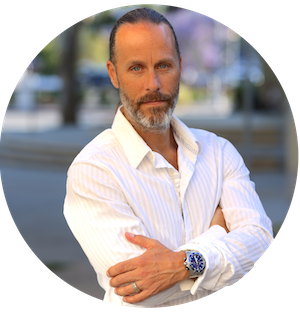
Kevin Anthony is a Certified Sexologist, Tantra Counselor, NLP Practitioner and a Sex, Love & Relationship coach. For over 10 years he has worked with men, women, and couples to have the relationships of their dreams, and the best sex of their lives! He is also the host of “The Love Lab Podcast”, creator of the popular YouTube channel Kevin Anthony Coaching, and creator of the popular online course series “Power and Mastery” as well as other online courses for both men and women.