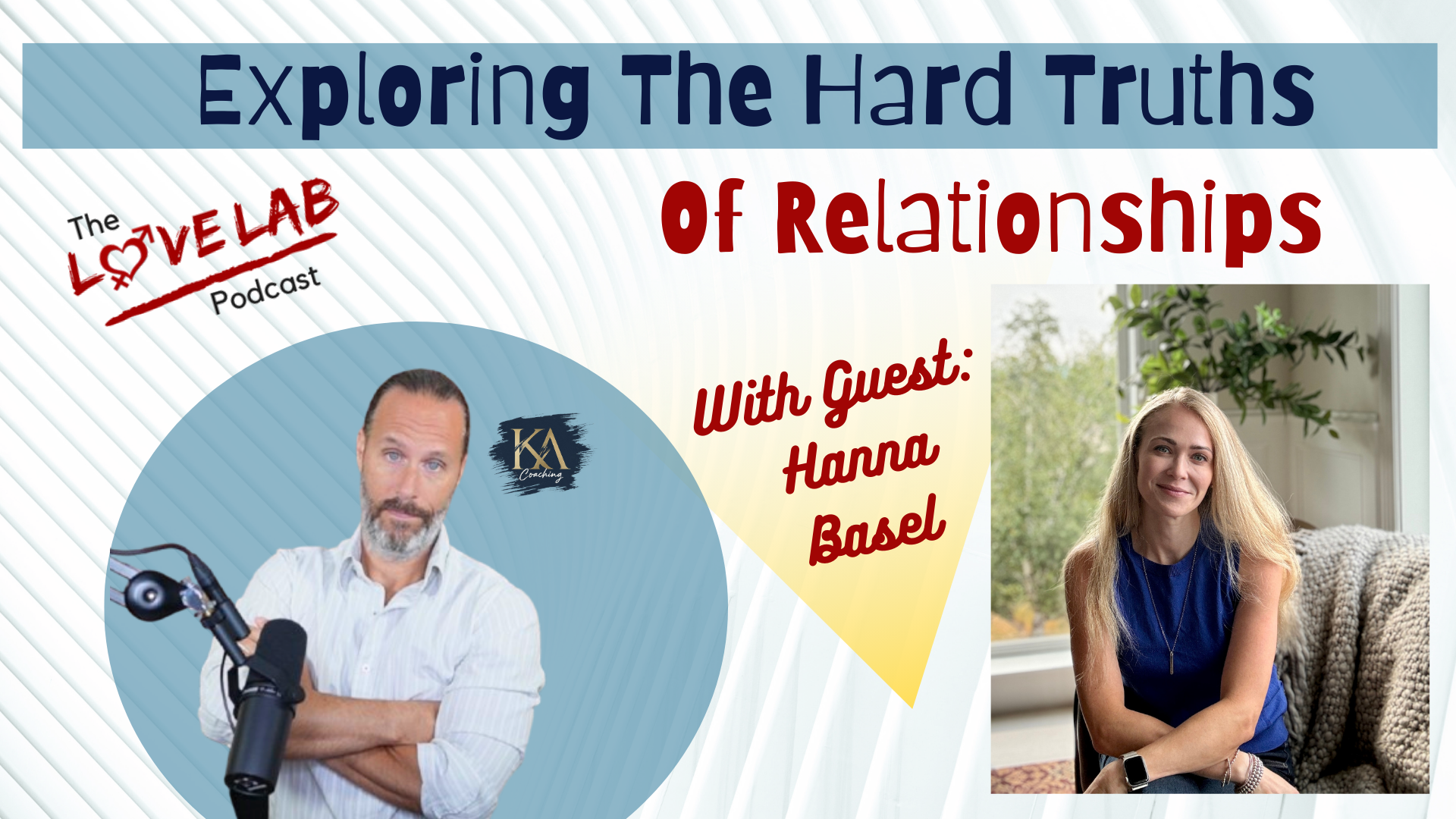
Kevin Anthony 0:05
Welcome to the Love Lab podcast, the place to be for honest and real talk about relationships and sex, whether you’re a man or a woman, single or a couple, this is the show for you. I am your host, Kevin Anthony, and I am here to help you have the relationship of your dreams and the best sex of your life.
All right, welcome back to the Love Lab podcast. This is episode 338 and it is titled, exploring the hard truths of relationships. There are things you know as somebody who’s been doing relationship coaching for a long time, there are things that come up that we call hard truths, because they are true, and they’re things that people just don’t want to look at or don’t want to accept. They want to sort of pretend that the fairy tale idea of this thing is different than what it really is. And so what we’re going to do on today’s show, if you’re watching on YouTube, you can see I have a guest with me, and we’re going to go through a list of relationship hard truths. We’re going to say what the hard truth is, and then we’re going to talk a little bit about it and explain why it is a hard truth. Now my guest has given me a list of hard truths that she has come across, and then I’ve also created some hard truths that I’ve come across. And so we’re going to just, we’re going to go back and forth with them and talk about them and see what we think. I assume we’ll mostly agree, but then again, maybe we won’t, so we will see.
But before we do that, a short word from my sponsor, power and mastery, 3.0 power and mastery, 3.0 is the latest version of the popular men’s sexual mastery course. If you are struggling with erectile dysfunction, premature ejaculation, or simply want to increase your skills in the bedroom, then power and mastery is for you join the exclusive club of men who have taken their sexual performance into their own hands and become sexual masters. Mastering your sexuality is a key component to becoming the man she has always dreamt of and craves. Don’t leave your sexual performance up to chance or the throw of the dice. Become a sexual master today by going to powerandmastery.com and joining the exclusive club of men who have taken their destiny into their own hands, that’s powerandmastery.com.
Okay, my guest today is Hannah Basel. She is a seasoned couples therapist with 15 years of experience specializing in high-conflict, complicated relationships. Since 2009 she has dedicated her practice to helping individuals and couples navigate the most challenging aspects of their relationships, including infidelity, addiction, and trauma. Drawing from her own journey of overcoming substance abuse and relationship struggles, Hannah brings a unique blend of personal insight and professional expertise to her trauma, informed approach, backed by certifications in EMDR, Gottman therapy, and more, allows her to guide couples toward healing even when hope feels out of reach. Welcome to the show, Hannah.
Hanna Basel 3:13
Thank you. It’s good to be here. It’s interesting.
Kevin Anthony 3:16
As I was just reading your bio, it reminded me of something. So my listeners know that before I did this work, I used to work in big tech, and I did that for a number of years when I was younger and my my first real tech job was working for Hewlett Packard, right? HP, the big company everybody knows of was back before they merged with Compaq, so it was a long time ago. But the reason I bring that up is because somehow, when I started working there, I ended up because, like, I was the new guy, you know, and so I didn’t get any of the good assignments. So I worked, I worked basically as an IT tech. This is like my first job, starting out in it. And so like, I would get all the problem clients that nobody wanted to deal with, you know? And because you’re the new guy. But it turns out I had a knack for dealing with really difficult people. And so I got labeled the guy. When you, whenever you have a client that is really difficult to deal with, you give them to Kevin, right? And then you just, I just totally got reminded of that, because your bio was talking about how you’re specializing in high-conflict, complicated relationships. So it sounds like in your practice, that’s kind of what you do. You’re taking on sort of the really difficult relationship cases.
Hanna Basel 4:38
Yeah, yes, I kind of love it. And I did get into it a little bit like you by default, or, you know, just kind of finding my way into it, but I found that, you know, there’s, there’s a lot to work with. There’s a lot of emotion in the room. There’s a lot of there’s a lot happening really quickly. And I kind of love the dynamic. The dynamic of people that are really fighting for something and helping them fight for them better.
Kevin Anthony 5:08
Yeah. I mean, it’s great. It’s interesting, because my wife and I, when we started doing this work together many years ago, we kind of decided we wanted to specialize in the couples that weren’t in, you know, desperate places, you know, not the really hard ones that we wanted to work with, ones that were like, they were pretty good, but they were just needing help to, like, get over to, like, amazing, you know. So I’m glad that there are people out there like you that are really servicing people who desperately need it. Obviously, my work has evolved over the years, and I do get more clients who are in difficult positions than I used to, but I still don’t specialize in the really hard ones. So I’m glad that people have a resource like you out there to do that absolutely.
Hanna Basel 5:54
Yeah, there are a few of us out here that really it’s like our jam. It’s kind of what we feel we’re meant to be doing. And again, like, I kind of get excited going into these dynamics with people, because, again, there’s, there’s a lot of passion, right? I don’t have to, like, really pull teeth when it’s high conflict. They are coming at me, coming at each other, and it’s really just slowing them down and helping them figure out what’s going on inside of them.
Kevin Anthony 6:25
I think, you know, I’m totally going off on a tangent here, and I do want to dive into the hard truths really quick, but I just, you know, you’re an interesting person, and so I’m curious to know more about you, and you know how you work. But one of the things that I’ve noticed is, if you’re going to be dealing with people like that, the really difficult clients it takes, it takes almost the same sort of mentality that, say, like a first responder, you know, EMT fireman, like somebody that can remain really calm, like you, because what you just described is, like, there’s all this stuff coming at you, and there’s high emotion and all that, and you got to be able to stay really calm and centered right, and then not only handle that, but potentially shift that right. And so it takes a certain personality to really be able to do that.
Hanna Basel 7:12
I love that analogy. It does kind of feel like you’re a first responder. And one of the one of the tools that I sometimes think about is like tying a tourniquet, like doing this emotional, emotional work, right? That feels like that is very similar to what first responders do, but just in the emotional realm.
Kevin Anthony 7:32
Yeah? Absolutely, yeah. I came up with that, analogy simply because talking about all the past things that I’ve done, but I used to work as an EMT when I was in my 20s, and so I just, I’ve seen throughout life how that skill set has shown up in other areas of my life. And it’s just was like, Oh my God, that’s totally what you’re doing right here. You have to have that same sort of mentality. So very cool. All right, enough of the aside. There the little tangent, but I do think it’s somewhat interesting too, right? Because if you’re listening to my show, and your relationship is in that place, right, where you’re really, really going at it with each other, maybe on the verge of divorce, whatever it is, and you need serious help, I think it would be interesting for people to know that you possess this skill set, right? Because then they’re like, oh, okay, she’s not just somebody that read all the books and took the tests, right? She actually has a real skill for doing this. So, so I think that’s still valuable for the audience to hear.
Hanna Basel 8:32
I totally agree. I totally agree. I think it’s really important because there are, there are therapists that I don’t want to work with that sort of level of intensity and conflict, and that’s okay too, and I think it is. It’s important for people to know there are people that will really, really dive in with them and be in the trenches with them and are afraid of what they’re coming in with.
Kevin Anthony 8:56
Yeah, absolutely okay, so let’s dive into some of the hard truths here, before we speak about specific hard truths, when we say hard truths, maybe could you just explain to the audience a little bit like, what do we mean by the term hard truths in relationships?
Hanna Basel 9:16
Yeah, I think it’s so for me, when I think about hard truths, I think about things that we have trouble admitting to ourselves, or that we not only have trouble but maybe even refuse to admit to ourselves at times. I also think that it has to do sometimes with the myths that we surround ourselves with. Right, like hard truths are the opposite of myths, and we have a lot of myths in our culture. And so when I think about hard truths, I think about, well, what are the myths? Okay, now, what’s the truth surrounding that myth? Right? At least the truth is based on my experience and based on, you know, my my knowledge.
Kevin Anthony 10:01
Yes, yeah, absolutely. I like the way that you described that, and talking about, you know, the truth that exists, but also talking about the other end of it, which are the myths, right? So, and it’s great because, you know, let me see how many do I have here. I got nine hard truths on this list, and some of them definitely like, when you hear them, you’ll be like, yeah, here’s the myth. Like the hard truth is the myth, right? So to speak. Okay, so let’s just dive in with the first one. This is one of the ones that you had mentioned, which is hard truth number one, Relationships are hard and require work.
This is something that I say all the time, and I think it still catches people off guard, because I still get people who are like, well, it’s just supposed to be easy. Everything is supposed to be easy. So I wonder if you could talk a little bit about that from your perspective and what you see in work and like, you know, why is it true that relationships are hard and required? Is this normal? You know, when we say they’re hard, I mean, what do we even mean by hard? Like, is, is there a certain level of hard that’s good, and then too much hard not good? Like, talk a little bit about that.
Hanna Basel 11:13
Okay, let me come back to that, and I’ll go to the first part of your question because there are so many good parts to that, but so I think relationships require work and are hard because we’re two different people with two different brains, right? Sometimes more than, excuse me, sometimes more than two, right, but I won’t even get into that, but just two right, two different brains, excuse me, and two different nervous systems, two different backgrounds, right? And then we’re bringing those together, and we’re going to be different, right? We’re not going to be the same. We’re going to have different thoughts. We’re going to have different responses. And because of that, there’s a challenge that comes along with that right, and effortless Love is a complete myth I’ve never seen or even heard of in reality, effortless love.
And so I think that’s, you know, that’s the first part as to why. And, you know, I talk a lot about when in my work, I talk a lot about nervous systems. I talk about a lot about how we’re just wired and because of that, we bring in with us, right? Our histories and we often respond to the present based on the past. There are so many intricacies when it comes to being in a relationship with people and what’s showing up in the room that we’re not even aware of. So that’s the first part. What I mean by hard, and that’s another great question. What I mean by hard is that it’s not effortless, it takes intention, it takes discomfort. I think that’s the biggest thing. It takes tolerating discomfort, and I know that from my own experience, right? I’m still learning how to tolerate discomfort in a relationship, and we have to choose to do that because our operating systems aren’t going to choose to tolerate discomfort. Our operating systems are going to choose to protect us in whatever way they come.
Kevin Anthony 13:22
Yeah, I mean, I think the way you describe that is absolutely right on. I use the terminology a lot of times, I will often describe a relationship, like a living being, like a plant or something like that. So it’s either sort of growing or it’s dying. But to keep it growing. What do you have to do? You at least have to give it some water. You got to make sure it’s got the right sunlight. You’ve got to occasionally give it some, you know, fertilizer, things like that. So that’s the effort, right? The little things that we do to nurture the relationship and to keep it on track and to keep us connected, and to solve problems and things like that. And if you’re not doing those things, and you see it, I’m sure you see it, because I know I see it too. Is couples come to you and you’re like, you’ve literally been on autopilot for 20 years.
Yes, like it was, because you hear from them all the time, it’s like, Okay, we got together and in the beginning, for the first year and a half, you know, we both went out of our way to be on our best behavior, and to, you know, do all the things and to share the appreciations and to buy gifts, and to, you know, make time and all that. And then it’s like, oh, we get settled into this groove, and we go on autopilot, and then there’s literally no effort put in anymore. And then they wonder why. 20 years down the road, they’re miserable, they’re stressed out. They don’t really like each other. They’re just cohabitating, or worse, a lot of the clients, you see, they’re arguing, they’re on the verge of divorce, all of that because they haven’t done the work that it takes to nurture a proper relationship.
And I think. Where people get confused is some relationships require more work than others, and that’s just that has a lot to do with the dynamics of the two people that bring them together. So for instance, like, when I talk about my wife when she was alive, we had that relationship that people from the outside would look at and say, like you guys are just like the most amazing couple. It takes no effort, and everything just is amazing for you two, because that’s why it looks from the outside because we were actually extremely compatible. But that doesn’t mean that we weren’t doing things every single day to nurture it. And so that’s where I think people go wrong, is they might observe somebody who looks like they have the ideal relationship, right, and think, Oh, it’s just easy for them. They don’t have to do anything, right?
Like, I want that. That’s exactly what I want. I want a relationship that functions like that, where I don’t have to do anything. And it’s like because you’re not seeing what’s happening on the back end. You know, the practices that we put in place to make sure that it stayed like that, the date nights, the appreciation games that we would play every day, you know, the little things to nurture and grow that on a regular basis. And that’s where I think people go wrong, and that’s where I think that this myth of relationships should just be easy comes from. I don’t know if you if you see something similar.
Hanna Basel 16:20
Oh, absolutely, I see and I like the term autopilot, because that’s literally what happens, right? We go on autopilot. And I want to say I have a lot of compassion for why we do that. It’s not even, it’s how we’re wired to go on autopilot, right? So it takes a lot of intention, and it takes, you know, I am just curious about what you are demonstrating, like, how did you know to do that work? Right? Because so many people don’t know to do that work. They don’t even know where the starting place is. We don’t see that in sitcoms. We don’t see the hard conversations. We don’t even see that in dramas most of the time. We see, you know, maybe one hard conversation now and then, but life is a series of hard conversations, right?
I mean, and then if you think about the world that we’re living in, we are all, we are all living swimming upstream, right? There is so much that we that our relationships are up against in terms of stress and demands and time and the going, going, going. And so, of course, we go on autopilot, right? And if we don’t know what it takes to do differently, then that’s where our relationships end up. Like you said, 20 years later, they’re coming into our rooms and they’re saying, how did we get here?
Kevin Anthony 17:37
Yeah, you know the idea of autopilot is just, I find so fascinating, because you’re right, by nature, we kind of, we kind of just especially men. Honestly, this is so true of men. It’s like, we just want to set it and forget it, like we, you know, we’re willing to do the work to, like, get the things set up the way we want it set up. And then we should, we feel like we should just, okay, it’s set we’re done, right? But there’s literally nothing in life that is like that, nothing, no matter what it is, even things that that you know, people will tell you like you’ll go talk to your financial advisor, and they’ll tell you, just set up your 401, K, set it and forget it when you retire. But that doesn’t work that way either, because if you’re not actively paying attention to the markets, you can lose massive amounts of money in your 401, k, right? There’s literally nothing that is just set it and forget it. Everything takes some awareness, some attention, right and adjustments from from time to time. So I understand the urge to do that, and at this point in my life, I have realized there is literally nothing in my world that I can just set on autopilot and let it go of nothing.
Hanna Basel 18:43
Yeah, I think that I think that that’s so accurate. You know, even talking about health rights and nutrition, all these things, all these elements that are really important to us. I also think that what’s difficult is that we will do it right. Our bodies will just do it. We’ll just go on like we’re set to right? Because it takes so much energy to live in a conscious way with intention. We don’t have that much energy. And so, you know, it’s kind of like, I think, a whack a mole, if we’re trying to pay attention and be really intentional, one area, it’s like another area has to go on autopilot. And so it’s, it’s really hard, and this is where I think people want these myths, right? Where? Where we’re all drawn to these myths, I am too, right? Because we want pain. We want healing to be easier. We want healing to be something that takes less energy and work.
Kevin Anthony 19:38
Yeah, totally agree. And I You’re right. Life is so busy, and there are so many things that require so much attention that it’s exhausting. We don’t have time to go into it in this show, because I got a lot more things I want to talk about. But like, the way I’ve dealt with that is I create systems. I create systems to make. Things work easier, right? Because there are so many things to keep track of. So, you know, I have like ways where I write notes down. I have technology that’s giving me reminders to check certain things. When it comes to relationships, my wife and I, had to schedule date night, right? And we had two rules for date night. We had to do something together which everybody laughs. You’re like, of course, it’s date night. You’re doing something together.
It’s like, no, but by together we mean something where we’re focusing on each other. So sitting there staring at a screen but we’re next to each other, is not focusing attention on each other. So rule number one was, that whatever we did on date night, we had to focus on each other so that we were giving each other time and attention. Rule number two was, at some point during the date night, we had to get naked, so there was no expectation for sex, but we just had to at least, like, let’s, you know, get naked, cuddle even, you know, or whatever. Yeah, I love that, because a lot of times people say, Well, yeah, I’m not in the mood for say this or that. And it was just like we noticed, through the years of being together, that if we did that, our chances of actually having sex went up significantly, even if we were exhausted and we’re just like, Oh, all right, yeah, we know we made these rules. Let’s just get naked and cuddled in bed, and the next thing you know, we’re having sex.
Hanna Basel 21:11
So yeah, I love that. It kind of takes the pressure off too, right? If you just the goal is just, just get naked, and see what happens. I love that exactly.
Kevin Anthony 21:22
So putting systems in place is definitely one of the ways. And the other is, you know, to make sure you have enough energy, you’ve got to find time for, like, downtime, like, whatever it is, you know. Like for women, we always tell them, you know, make make time for self-care routines. For men, it’s like, have your cave time, or spend some time with the with the men, or whatever you know. And just like you gotta have that time to sort of relax and recharge, that way you can put the energy into the things that you really need to put energy into.
Hanna Basel 21:50
Yeah, I think those are great ideas.
Kevin Anthony 21:52
Okay, man, we could do a whole show just on that one alone, but I’ve got so many more, so blind spots. Number two, oh, actually, hard truth. Number two, I already said it, what it is, which is, that we all have blind spots. So this is an interesting thing, right? We all have the areas that like we’re really good at, and then we have the things that we can’t see that maybe aren’t so great. So I wonder if you could talk a little bit about, you know, what does that really mean by blind spots? And maybe throw out maybe a couple of blind spots that you see commonly in your work?
Hanna Basel 22:27
Sure, sure. I mean, so I think we all have blind spots. And what I mean by that is that we all have parts of ourselves that we aren’t aware of, right and that’s just a universal truth. I think that until we really work to see ourselves again with this intention, right? Are we? Are we seeing how we impact others? Are we seeing our behavior from the outside, not from the inside? Right? These are all sorts of blind spots that we have. I often have. I mean, I just had a couple the other day where I was working with them, and I had them do this exercise where they had to describe what their behavior looked like, as if someone else was seen, right?
And they said, Well, I was being attacked. That’s not that wasn’t your behavior, right? It took so much work for me to help them concentrate on, what was your behavior from an outside eye, not, what was your intention, not, what were you trying to protect. Right? And then from there, they started to realize why their partner then responds to them, right, that while in their mind they were, you know, defending themselves, the way they were defending themselves was diagnosing their partner. That’s a real example that I see quite often.
Kevin Anthony 23:47
Oh, I had that in a relationship many years ago. Yeah, absolutely, yeah, yeah, right.
Hanna Basel 23:51
That’s a huge blind spot, right? Because they’re so caught in defending themselves again, that’s hard to see, right? Their intention is, just trying to defend myself. How are you defending yourself? Oh, you’re telling your partner they’re a narcissist, right? You’re telling your partner that they did this wrong and they did this wrong and they need to go do more therapy and XYZ, right? And so I think that that’s that’s a really common way that we have a blind spot. We don’t realize our impact. We only see our intention and the good reasons why we’re doing what we’re doing. Yeah, yeah. So that’s, that’s a start.
Kevin Anthony 24:28
And I think that was a great explanation. And the thing about blind spots that’s tricky is, I mean, I’m sure you heard the saying before, you don’t know what you don’t know, right? It’s kind of the same with blind spots, in a sense that, you know, people will say, No, no, I really know, like, this is exactly where I am, or this is how I’m being, or this is whatever, because they can’t see it at all, which is why we call it a blind spot. In other words, they don’t know what they don’t know. And so the trick to blind spots, I think, is. You have to just have an open mind right? So you have to be willing to, you know, keep an open mind to the potential that maybe things you know, your behaviors in your relationship, aren’t the way that you think they are, right? Because sometimes we can just be so sure that our behavior is a certain way, or is being perceived a certain way, or there’s no way that anybody could perceive it another way, right? That we’re just not even open to hearing it. And if we’re not, then basically we never get to see that the blind spot is there, right?
Hanna Basel 25:36
Right. Our defenses will come up and we won’t be able to take it in. And I think that’s oftentimes one of the beautiful things of therapy, is that maybe you can’t take in your blind spots when your partner is trying to reflect them to you, but maybe you can take in your blind spots when some when a therapist or a coach is someone is trying to reflect them to you in a compassionate way. You know they’re on your side.
Kevin Anthony 25:58
Oh yes, we’re gonna that. That’s actually one of the hard truths that’s on my list towards the very end. So hopefully we’ll get there. We’re going to talk more about that. Let’s go to hard truth number three, which is that conflict in relationships, is normal. So I think this was one that you had given me as well when we were talking about it. So a lot of people feel like, you know, it’s not normal to have conflicts in relationships. And I don’t hear that super often, but I have heard it before, and when I do, I just think about like, okay, look at every relationship you’ve had since you started dating. Have you ever had one that didn’t have conflict?
Now, granted, you know, what we often say is like, you know, what’s the common pattern in every relationship you’ve had? You so it is possible, it is possible, that you have been creating conflict in all of these but, but I think it also does a fairly good job of demonstrating, especially if you asked all your friends the same question, you’d find out that there’s probably nobody that’s never had a relationship that didn’t have some conflict in it. The question is, how much and what kind?
Hanna Basel 27:07
Yes, exactly, it just looks different for different people. And I think something you just said that I want to touch on is that I think oftentimes people start to wonder if it’s them that is a problem. Is, is, you know, is this conflict normal? This conflict can’t be normal. So there must be something wrong with me, or there must be something wrong with my partner, right? And that’s where kind of the cycle can start a lot of the time, and the blame and the escalating fights. And I think if we can normalize conflict like you’re just saying right now, that doesn’t mean that we, you know, normalize bad behavior, or you know that there’s extreme versions of conflict that are unhealthy, but that conflict, it’s in and of itself, should be expected. Let’s not be surprised when we’re having like that makes conflict even harder if we don’t see it coming, right? If we think, oh, there’s something wrong with us now that we’re having conflicts again, it comes back to that people are we’re difficult. Humans are difficult, right? We’re complex. We don’t know ourselves half the time. We’re all learning. We’re all growing. And so because of that, let’s normalize two people coming together and having differences and then having to work through them?
Kevin Anthony 28:27
Yeah, I agree, and I think conflict, to some extent, is inevitable, because we are two different people. We’re never going to be exactly the same. If we were exactly the same, we probably wouldn’t really enjoy that relationship all that much, I wouldn’t. The only caveat I would add to that discussion about conflict in relationships is I have seen past relationships that had a high amount of conflict, where the people in the relationship, would justify that the relationship is fine by saying, well, conflict is normal in a relationship which was really just enabling them to stay in a very dysfunctional relationship and think that that was normal. You know, that’s sort of a fringe, outlying sort of case. I don’t see that a lot, but I have seen that a few times, and I just wanted to voice it here, just so that people don’t think that we’re telling them it’s okay to have constant conflict in your relationship.
Hanna Basel 29:28
Absolutely, I totally agree with that, that sometimes that can be kind of a scapegoat. Oh, this is a conflict. It’s normal and I think regardless of whether something’s normal or not, is it working for you? Does this feel good? Right? So even though I’m normalizing conflict, if conflict is happening to the point in your relationship where it’s taking a toll on your mental health, and your emotional health, you can’t do anything to change it. Your partner isn’t willing to do anything to change it, it stops mattering. If it’s normal or not.
Kevin Anthony 29:58
That is excellent. The point, yes, absolutely, I completely agree. Okay, let’s move on to hard truth number four. Then I needed to take a quick break, and then I got a bunch more after that. I’m having a lot of fun with these. I love you. Okay, hard truth number four, oh, I think you gave me this one. Also, people cheat far more often than most people realize. So this is interesting because I’ve done, I’ve done numerous shows on cheating, of course, how can you be like a relationship show and not talk about, you know, cheating? Because it is so prevalent. Every time I’ve done an episode that had anything to do with cheating. I always have to give some statistics on cheating, because there is a myth here, and the myth is that men do the overwhelming majority of cheating in relationships.
I can tell you, having researched this numerous times throughout the years, that is not the case. It’s not 5050 but it’s not that far off from 50/50 it’s like 55 men, 45 women, percentage-wise, roughly somewhere around there of who cheats. And so we definitely have to bust that myth that it’s always just the men that are cheating. Both, people tend to cheat, and they tend to do it a lot more often than people realize and so, I mean, I have my own sort of hard truths associated with that, but I’m curious what your take on that, as far as I mean, obviously the hard truth is they cheat more often. But there has to, there’s, I know there’s a few more layers to that as to why that is.
Hanna Basel 31:40
I think that in terms of why people cheat more, I mean, I think that it’s increasing. And since you’ve done the research, you know, like the statistics are increasing, both for men and women in terms of the prevalence of cheating, and I think part of it is social media and the ease at which I also think types of cheating are changing, right? Like before, you know, you couldn’t slide into someone’s DM and start having an emotional affair with them. Cheating was harder before, right? It was how meeting people was harder, and finding where to meet them was harder. I mean, it’s just there’s the access and the ease. I also think that our culture has changed in terms of speed and just expectations and this kind of demand culture and I think because of that, we’re always looking for bigger, better, faster, and we’re being exposed to that, whether we like it or not, right? Yeah, so, yeah, there’s so many reasons I agree.
Kevin Anthony 32:51
I think the technology and the options available make it much easier for people to cheat. And I think that when we’re talking about, you know, hard truths, and we start with, Relationships are hard work. Everyone has blind spots. Conflict is normal. One of the things that I see when it comes to cheating is that, you know, relationships are work, and conflict does happen. And what’s happened is now that we have the ability, you know, with all this technology and things like that. People, just when things start to get hard, it’s like, rather than, you know, sit down and do the work, you know, the hard work that it takes, it’s just like, Nah, I’m just gonna cheat on the outside, or I’m just gonna end this relationship, move on to the next one, right?
So you see these, you know, what we call serial monogamists, right? Where it’s just like, one relationship after another, after another, after another, because they never stay long enough and put enough work in to really make it work, and they just bail when it starts to get hard, and that gets easier to do with all the things that you were just talking about, right? Just yeah, easy, because you’ve got all that opportunity now that you didn’t have before.
Hanna Basel 33:59
I think cheating sometimes it’s a coping mechanism for people kind of like what you’re saying, in the sense that, right, when things get stressful, it’s easier to move on to something else, or to look to something new, or to find, you know, I often find that if someone isn’t getting their needs met in a relationship, then that’s what drives them to that drives them to have an affair, right to get their needs met, and there’s a sense of entitlement around that, versus Have you had the difficult conversations about getting your needs met? A lot of the time they haven’t really, truly had those clear conversations.
Kevin Anthony 34:36
I was like, trying not to interrupt you, but I just wanted to be like, ding, ding, ding, ding, yes, you this is so when I started talking about this particular hard truth, I said, I have sort of my own, you know, viewpoints on that. And the hard truth for me in this one really is the overwhelming majority of the time that people cheat. It’s because their needs aren’t being met, and it’s because you’re not putting in the work in the relationship. Mm. Right? And that is sort of, to me, the sort of core essence of this hard truth, and that’s what a lot of people don’t want to hear. What do you mean? It’s my fault. I didn’t do anything wrong. You’re the one who put the relationship on autopilot for 20 years and did not do anything to make sure that your partner was happy, and, you know, help them have whatever needs they have in that relationship met, right? So that often is a very, very hard truth that people really don’t want to hear.
Hanna Basel 35:28
Yes. And I also think, have you been explicitly clear about your needs? Because so many times like that’s a blind spot for people is they think they’ve communicated and they haven’t asked your partner if they know what your needs are, ask your partner to repeat back to you what they think that you said, to make sure, right? I can end a session. I ended a session the other day, and one of the partners was like, you know, I asked that question, and this whole time, it wasn’t answered. And I said, You You asked a question. What was the question? And then they went in to tell me about this implicit question that was implied during the session that their partner didn’t respond to, and their partner was sitting there dumbfounded. And I said, Oh my gosh. I bet this happens outside of therapy too, right?
Kevin Anthony 36:16
Absolutely, it does. This is funny, because there are always differences, and we’re talking in very, very general terms here, but there are always differences between the way men and women handle this exact thing. So for instance, with men, we tend to not communicate our needs, but we don’t also assume that we’ve communicated them. We just don’t communicate with them like it just doesn’t happen, right? And then we and then we’ll get resentful that our needs aren’t being met. But, if you, if, if, say you, as the therapist, asked, Well, did you say that? We’d be like, No, right? Yeah, women, on the other hand, again, speaking in you know, generalities, will do one of two things, either they’re like, Well, of course, I communicated that to him, but they did it in some sort of vague way, like, like you just mentioned, or the other thing they tend to do is, well, he should just know. He should just know we’ve been together X amount of time. He should know me. He should know that’s what I needed, right to which, of course, men sit there dumbfounded, going, what? How was I supposed to know that?
Hanna Basel 37:23
I mean, we can have a whole session on identifying your needs, talking about them, not talking about them, right? I think that that, I think that is such a complicated topic and important.
Kevin Anthony 37:34
Absolutely. I think, did I have that? No, I didn’t have that down. I should have written that down as one of the hard truths, but, yeah, that’s a great one. We could have a whole conversation on it. Okay, we’re a little bit more than halfway through the show. Let me take a pause for a second break, and then we come back and I’ve got four more, one, two, yeah, got four more hard truths I want to talk about. Yeah, wait.
Okay, are you a couple? Are your relationship and sex life where you want them to be? Are there changes you would like to make, but just don’t know how maybe you think there is nothing that can be done if you are not 100% happy with where your relationship or sex life is, then get help today and change your life. Go to https://www.kevinanthonycoaching.com/couples/ and schedule a strategy. Call with me today to map out a strategy to get you where you want to be so that you can have it all your way. That is https://www.kevinanthonycoaching.com/couples/. I just changed that link, which is why I totally stumbled over it. But anyway, that is obviously a link to my couples coaching program, and at the end, you will hear from Hannah about how you can get in touch with her and how you can work with her. I am a big proponent. If you’ve been listening to the show for any amount of time, I say this pretty much every time I have somebody on the show that does something similar to what I do is I say work with the person that resonates best with you. In other words, if you would resonate better with Hannah than with me, then co-work with her, right? Because what I really want is for you to get the help that you need, and for you to get the transformation that you need. So you know, if you like what I do great. That’s how you can find me. And at the end, if you like Hannah, you can find her as well.
Hanna Basel 39:16
You could do both.
Kevin Anthony 39:17
You could do both Absolutely. You could work with Hannah to get past the fighting and all the really difficult stuff. Then you can come to me and I will help you have the best sex you’ve ever had in your life. I love it. All right. Heart of truth, number five, oh, this. I’m curious to know what you think about this one because this is one that irritates me a lot to a Heart Truth, not revival. Just because someone is your twin flame or soul mate does not mean you need to stay together in a dysfunctional relationship. I so I’ll explain a little bit more about. What I mean by that, and that you can tell me what you think about it. I have seen people in relationships that just have terribly dysfunctional relationships, you know, more conflict than what we would consider normal, as we were talking about what’s, you know, normal, you know, just putting in, like, all their free time outside of, you know, life and everything trying to, you know, learn this new thing, or go to this thing, or fix this, or go to count, just so much of their energy tied up in this, and yet, at no point will they ever just say, You know what, maybe this isn’t the right relationship for us, because they have this belief that this person is their twin flame or their soulmate, and they are destined to be together forever, no matter how painful and ugly it is.
Hanna Basel 40:51
Wow, I actually don’t think I’ve actually ever had a couple come in saying that before, so I’m just kind of imagining what I would do in that situation. I mean, I think that I think that that would be understandable in terms of, like someone really, really wanting to not experience the pain of the truth, right? It’s like, how are what are the different ways we protect ourselves? Well, sometimes it’s these delusions. Maybe not. Maybe delusion is too strong of a word. But sometimes it’s these ideas. It’s these myths. It’s these beliefs that we’re hanging on to because they keep us from having to tolerate the pain, right? The pain of this isn’t working. This is too bad. This is too much. I’m healthy for me, right? And so I think that that can often be the case. I’m curious to hear your thoughts about it.
Kevin Anthony 41:54
Well, I’m surprised, because you’re in Oregon, correct?
Hanna Basel 41:58
Yes, I am. I am.
Kevin Anthony 41:59
There’s a whole lot of spiritual hippies in Oregon. So I’m surprised you have not run into this before. But let me tell you, in Southern California, I have not just through clients. I have personally known at least three couples that have been in this situation, and my wife and I used to sit here and say, Man, they just need to go their separate ways. They are just trauma bonding all over the place, and they are just making each other’s lives miserable. And they won’t quit. They won’t give it up, because they have this belief that somehow they’re twin flames and they’re meant to be together for the rest of their life. And I’m just going whoa, that’s gonna be a long and difficult life.
Hanna Basel 42:40
My only exposure to Twin Flames was the documentary on Netflix about the twin flames. So that’s been my only exposure. And what I saw there was a lot of people that were clinging to those ideas because they experienced so much pain, so much trauma, so much loneliness, and so they, you know, it’s kind of like anything that will give you an answer, and the answer is better than maybe living in that, in that awful place of feeling like you’re going to be alone for the rest of your life. And so I think it’s what is the fear that’s driving that right? We need to unpack that fear.
Kevin Anthony 43:18
Yeah, absolutely. I think you’re totally correct. And you know, obviously, if we were working with a particular couple, we could drill down into that, but I think one of the likely ones is exactly what you said, which is that fear of being alone, right? That fear of never, never finding the right person, right? So here is this person that I got to download in my Ayahuasca ceremony, that this was my Twin Flame, right? And then they just can’t let go of it.
Hanna Basel 43:47
Wow, yeah. And, I mean, I personally don’t believe there is such a thing as a soulmate or a twin flame, right? I think that there are people that you really connect with, but I think that there’s more than one. I think we can connect with a lot of people in this world if you’re open to it.
Kevin Anthony 44:05
Yeah. And first of all, even if there is such a thing as, you know, a twin flame or soul mate, if, if we’re one or the other, or both of you are at in your level of consciousness and development is at a place where you can’t, you know, have a decent relationship with that person, then you know it’s still not right to stay together. It’s like, okay, go to your separate corners until you can, you know, figure out how you know you can be in this relationship. So even if that’s true, it still doesn’t mean you need to stay in a dysfunctional relationship.
But having said that, too, if you really look at different spiritual traditions, you know, throughout history, some will talk about, you know, a soul mate, but others will talk about things like a soul family, right where there’s, there’s sort of a group of people, you know, if you I don’t want to get too far out into the ethers, but like. There is this idea in some spiritual traditions that, you know, as we are, souls up in wherever place that is, that we are, that there’s a group of people that we’ve made agreements with, that when we incarnate into physical form, that we will show up in one way or another.
And there could be, of course, multiple of them. There are lots of different ways to look at it. I don’t think that we should really stick dogmatically to any of them, because the reality is, we can’t know if any of that is actually real or true. There are ideas, you know, we might feel like, you know, God spoke to us, or we had a download, or we had a vision, or whatever it is, and we think we know, but the reality is, is we don’t know, right? We can really only work with what we do know here in the physical world. And so, yeah, this idea that this person is the only one you can’t know that you can’t possibly know that.
Hanna Basel 45:54
But what a great way to avoid working with what’s here in the physical world.
Kevin Anthony 45:58
Oh, yeah, absolutely, yeah. And that is something that I tend to see, and I think Southern California is maybe a little bit worse than other areas for this. But there’s, there’s, there’s definitely a lot of people who kind of want to live in the fantasy realms of, you know, the make-believe world that they want to exist and ignoring the actual world that does exist, so that it’s a little bit of a challenge around here.
Hanna Basel 46:29
That is a challenge. And again, I have compassion for it, right? It’s adaptive that they’re doing that. And you know what? What are? What is the cost, then, in terms of them actually being fully alive and present?
Kevin Anthony 46:41
Yeah, absolutely for sure. Man, that is. That’s such a deep rabbit hole that I would love to have a conversation about some time, because I’ve known a few people that they spent their entire lives just trying to escape their physical body, right? And you’ll see this when people get super deep into spiritual practice, they spend all their time meditating, or all their time worshiping or whatever it is, they’re literally trying to escape out of it. I’ve seen a lot of women who consider themselves, they’ll use terms like spiritual, witchy, whatever, and they spend all this time up here in this sort of ether space, and they’re completely ungrounded, and their day-to-day life is a mess. They can’t keep their finances in order. They can’t keep relationships because they’re focused on all their energy up here in the spiritual realms. And it’s like, okay, yes, we are more than just these physical meat suits. That’s awesome. Having a spiritual connection to whatever it is you believe is out there. That’s awesome also, but you have to find the balance between both because at the end of the day, we’re still a physical being living in a physical world.
Hanna Basel 47:42
Yeah. I think if you want to have a truly, if you want to be fully alive, then yeah, otherwise you are. You’re living you’re living up here. Yeah, right, and that’s a great way to avoid intimacy and vulnerability.
Kevin Anthony 47:56
Oh, for sure, I’ve known a few people who definitely were using that as an excuse to avoid intimacy. Okay, hard truth number six, this is one that I see a lot, because I tend to work a lot with people’s sex lives. So hard truth number six is you’re not as good in bed as you think you are. So the way I see that is, and I especially see this from men, more so than women, but there’s, there’s a certain amount of people who think, because, you know, when they’re coming to me, it’s often because something’s not happening in their sex life, right? And so what I’ll often see is I’ll have a man come to me and be like, Okay, I want to figure out how to fix my sex life with my wife.
Okay, tell me what’s going on. Well, she never wants to have sex, and she won’t do this. She won’t do that, and this, that the other thing, and it’s always everything I hear in that initial thing is always about her and what she doesn’t want to do, and blah, blah, blah, to which I often have to say, well, there is a hard truth here, and that is, if she doesn’t want to have sex, it’s probably because she’s not getting the kind of sex she actually wants. Ooh, the truth bomb just exploded in the room. Yeah, yeah, it’s usually it’s kind of like a deer in headlights, kind of a look, but, but there is like I’ve been doing. I’ve been doing sex and relationship coaching for a long time now. I think I’m getting somewhere on about 15-ish years, and so I’ve seen it enough to know that when a woman is really you can we can say whatever words we want.
On this show, I try most of the time to not go too far off into this, but there’s no other way to say other than when a woman is really getting fucked properly, like, like, really fucked properly, she will want. More, she will keep coming back for more, and she’d be like, yes, I want more of this. And if she’s not doing that, it’s because something is happening there. Now it can be more than that. There can be all kinds of relationship things happening that are shutting her down right as well. However, there is a high likelihood that whatever’s happening sexually in that relationship, it’s not as good as you think it is, and you probably need to learn some new skills.
Hanna Basel 50:28
I agree, definitely, in terms of, there’s something happening, right, that it’s not just because she’s a problem, right? Or your partner is a problem. There’s a reason. And I tend to see everything as a system, right? So if the system isn’t working the way that you want it to be working, like, what’s your part in that system? You know? I see in a similar regard. I see people that I see a lot of men coming in saying they want their wife to be softer, right? They want their wife to be more gentle, and more feminine. And it’s like, well, you have to, you have to, what’s, what do you think the context is that’s going to create that? And I think that’s similar to what you’re saying, right? Like, what context is going to create her having a higher libido? What context is going to create her want more sex? Right? And it doesn’t have to be gender specific here, but I think we want to look at, how do we help create that context for our partner to be able to shift internally, not just perform differently? That’s not going to work. That’s not sustainable.
Kevin Anthony 51:35
Yeah, that’s that, and that’s exactly right, right? So what? What context? And you know, in the example that you gave, which is, and this is funny because I imagine you’ve been doing this work for a long time too. It’s only been in the last few years that a lot of the terminology of this sort of masculine-feminine dynamic has started to enter into the, you know, the common person’s vernacular, yeah. And so now you’re starting to see people showing up saying things like, I want her to be softer and more feminine, and this and that which we wouldn’t have seen before, we would have heard them use different languaging than that. So what is the context that would create that? Well, often what we see is we don’t see a strong masculine, right?
So one of the dynamics that I see in relationships all the time, and you can tell me, from your experience what you think about this, but women are absolutely amazing. They’re amazing in a lot of ways, but in this particular way, they’re amazing in that when a woman does not have a strong masculine to step up and fill that masculine role, most of the time, she will just say, Well, okay, if he’s not going to do it. I will, right? And so she’ll just step into that role and start doing the masculine stuff, which, of course, then makes her feel more masculine and less soft, less feminine. But, but because, you know, I mean, this is, I think this really is something that goes back to, you know, our early natures as early man, it’s like, it’s survival, right? You know, so, so for a woman, she’s like, if this man’s not going to step up and, you know, he’s not going to earn the money, or he’s not going to take care of the things that need to happen around that, like, survival is like, I just need to do it, right?
And then so she’s stepping into, you know, the masculine energy. And anybody who’s listened to my show knows this there. We all have masculine and feminine energies within us that we can access, right? And women will access that masculine energy, and they’ll be in it, and then the man’s over there going, but, but I really wanted to be softer and more feminine, and I don’t understand why she’s so masculine. It’s like, where are you at, right? So are you stepping up in order for her to really relax and really be in her feminine, she needs to know that you’ve got all that stuff, right? Yeah, you’ve got to take care of you are, provider, protector, you know, all those masculine roles. She’s never going to relax and let go into her feminine if she feels like you can’t hold your end of it,
Hanna Basel 54:01
yeah, yeah. I think I like how you’re saying that. I would say, I think I talk about this a little bit more in terms of, like, if a woman feels safe, yes, right? Which is, which is what you’re saying, Yes, right? In other ways, if a woman feels safe, then she’s generally going to be soft, because we’re going to be in a nervous, regulated system place, right? We’re going to be able to let down our guard, let down that, go, go, go. And so I think just in terms of the way that I talk about it in a little bit more of a nuanced way, because I work so much more with emotions, right? Is what is happening where the woman doesn’t feel safe enough to let down or let go, whether it is you know, the burden of all of you know household tasks and the finances and you know you know, hanging up, the you know, photos and like doing all of those things, or whether it is feeling. That safe, that safety in terms of emotions as well.
Kevin Anthony 55:04
Yeah, absolutely. And that is exactly the same thing that I’m saying, just using different languages. So you know, when she knows that you’re going to handle your end of it, that makes her feel safe. And then when she feels safe, she can relax into her feminine So, yeah, absolutely. Okay, I got two more here and more. It’s good because we’re right at the end of the show. So, all right, oh, actually, there’s no, there’s three more. All right, we’re gonna go through these last few a little bit faster than we Okay. Heart Truth. Number seven, you’re probably not giving 100% to your relationship. So I this one I was thinking about because I hear a lot of people say, like, I’m doing the work. I’m doing the work. But then when you really sit down and start working with them, you’re like, I thought you said you were doing the work. Like, there’s all these things that you should be doing in your relationship that you’re not right. And so a lot of times, people think they’re doing everything that they should be doing, and they’re technically not.
Hanna Basel 56:05
Yes, yeah, yeah. I mean, 1,000% and that’s hard, right? Because they probably are working really hard in one area, but that doesn’t mean that they’re not missing out on other areas, right? I think sometimes I’ll see someone really focus on their partner, and they think that focusing on their partner is doing the work. But maybe the work is looking inside. Maybe it’s doing more self-regulation work. Maybe it’s, you know, healing your like, there’s just so many different areas too, that I think that makes it hard. And it’s sometimes easier to blame our partner and say, We’re doing the work right. But my partner isn’t like that’s just an easier way to view things, so that we’re not feeling our own pain of, you know, feeling like everything we’re doing isn’t working.
Kevin Anthony 56:56
Yeah, that’s funny. It’s an interesting point you brought up, which is that you know, a lot of times they’re focusing on the partner. So if I bring that, that example back again, of the man who’s like, she doesn’t want to have sex, she doesn’t want this, he’ll be over there saying, I’m doing the work. I told her she should read this book, and I told her she needs to go work with you. And I told her she needed to. And it’s like, well, whoa, wait a minute. That’s not you doing all the work.
Hanna Basel 57:19
But that is a perfect example. I’m like, I’m pretty sure I saw that three times this last week.
Kevin Anthony 57:28
Exactly, okay, uh, hard truth number eight, you most likely haven’t healed all of your sex slash relationship trauma. So this is kind of a hard truth, because, you know, sometimes you’ll see people in a relationship and they’re like, I’ve heard this. I remember this goes back quite a few years, but I remember being at a party for a whole bunch of entrepreneurs, and the majority of them were coaches in some relationships, sex, dating, something like that because it was, it was put on by a group of people that do that. And I remember listening to this one woman, you know, just overhearing her conversation, and she’s like, Yeah, well, when I healed my sexual trauma, blah, blah, blah, blah, and when I healed my thing, and when I healed my thing, and like, I’m just listening to her bring that up and during this conversation multiple times, and I’m like, I know this woman. I know her pretty well. I’m like, she’s not anywhere near healed the sexual trauma from her past. She’s made some progress, right?
But she was having in that moment this, like she really felt like she had healed this trauma like she’s like, I healed this. And she kept telling all our friends about how I healed this, how I healed this. And I’m like from a third party who also happens to know your partner, I can tell you, you’ve still got a lot of healing to go, you know. I mean, obviously didn’t say that to her, but this, I’m using this as one example of a situation that I can remember where I’ve run into people who really think that they’ve healed it, and it’s the same thing, you know, with relationship stuff, they feel like they’ve healed all their past relationship trauma, they’ve healed their attachment styles, and now they’re a secure attachment, right? But then you watch how they show up in relationships and in their sex life, and you’re like, there’s no way that could possibly be true.
Hanna Basel 59:20
Yeah, yeah, I think that healing is a process. I don’t know what. I don’t know how people know when they’ve healed, right? Like, because you never know when those triggers are around the corner, right? Maybe you’re not being triggered right now. Maybe you’re not as reactive, and that’s great, right? And if you want to say that you’ve healed, then there’s something to that right? Then maybe that feels like a very important thing for you to hold on to, but I think healing is just an ongoing process. I myself would never say I’m healed. I would say I’m constantly in the healing process. My husband would say she’s not healed, but she. Is in the process, right? And I’m okay with that like I don’t I think that that’s part of being a human, is that we’re always in the process, in the process of growth, and hopefully that’s in the healing direction.
Kevin Anthony 1:00:16
And, you know, whenever we’re talking about, you know, healing, anything psychological, we often will describe it as an onion, right? Because there are just layers and layers and layers and so you may have healed one layer. It doesn’t mean there aren’t other layers underneath it. And how many layers are there? Nobody knows. Nobody knows, potentially infinite in this lifetime layer. So we just keep you know they might be smaller, they might be easier to deal with, but I agree with you. I think it’s a process, and I don’t know that we’re ever really healed. The reason why I wanted to bring that up as a hard relationship truth is because I see sometimes people will avoid doing further work because they feel like they’ve already healed. They’re like, I’ve already healed this thing, and right there, that’s a boom. I don’t need to learn anything new. I don’t need to do any more work. I don’t need to, you know, go to any more session, because they feel like they’ve healed it. Yes, and the hard truth is, you probably haven’t, or even if you did, there’s still more underneath the surface.
Hanna Basel 1:01:19
Yeah. And that’s such a hard dynamic to work with in couples because I often will see one partner coming in and saying, I did all the work and I’m healed now my partner needs to do the work. Like, how do I say this in a nice way?
Kevin Anthony 1:01:34
Exactly, yeah, it’s a big red flag when any of your clients comes to you and says, I did the work. I’m healed now. Now fix them and yeah, like, oh boy, yeah. Where do we start? I actually had actually worked with a couple recently. She didn’t come in and say that. She didn’t say those specific words, but she definitely came in with the, it’s pretty much all his fault, and I’m just here to help the process along, right? Yes. And let me tell you, by the time we were done with that, she could see all the ways in which her behaviors and actions were feeding the dynamic that was happening, right? The system? Yeah, exactly like you said, the system.
All right. Very last one, hard truth, number nine on the list, you most likely need help from the outside. I see a lot of people struggle in relationships over and over and over again and just refuse to get help from the outside. Sometimes there’s shame around that, shame around needing to get help from the outside. I see it less these days, but you know, there used to be a big stigma around needing any sort of, you know, psychological or psychiatric help like, you know, I mean, I was young, so it didn’t really affect me. But, you know, like when I was growing up in the 70s, 80s, 90s, it was like, only really messed up. People went to therapy, and if people knew you went to therapy, it was like, oh, there’s something really wrong with you. That’s not so much anymore. I think most people nowadays are like, everybody’s in therapy, practically, for something. So there’s less stigma on that. But, but what I do see is, and this is something I say a lot, even in my own marketing materials for the work that I do is like, I will see people go out and hire nutrition coaches and fitness coaches and golf coaches and tennis coaches and, you know, you name it coaches, and yet they won’t spend the money on getting somebody to help them with one of the things that is, in my personal opinion, One of the most important aspects of your life, which is your intimate relationship,
Hanna Basel 1:03:46
Yeah, yes. I mean yes, yes and yes, that’s all I can really. I can say more. But I think that the coaches that you’re talking about, I think are doing they’re still doing hard work, but they’re doing the easier work. I think the most painful, the most difficult work, is when we have to look inside, not outside, right? And that’s part of the kind of work that you’re talking about with our intimate relationships. When we do the intimate work on our relationships, we have to do the work on ourselves. We can’t do one without the other, and so I think that that’s oftentimes what we’re avoiding, is we don’t want to have to look at how our relationships are actually a reflection of our inner world.
Kevin Anthony 1:04:35
That is so true. That’s one of the first things I tell every one of my clients, is that it all starts from within. So it’s all an inside job. I’m sure you’ve heard that before too, right? Like it’s all inside jobs. You know, there’s Who is it? Jon Kabat Zinn, who wrote the book, wherever you go, there you are, which is like you bring yourself into every relationship and. Every dynamic, right? And it comes back to something I said earlier, what’s the common denominator in all those relationships that didn’t work out you? Doesn’t mean they’re all your fault, but it means that you should be looking at what your part in that has been.
Hanna Basel 1:05:14
Yeah, you’re part of the cycle. You’re part of the system exactly. And how empowering is it when you can start to understand how you are a part of them, right? It’s less it feels less powerless when you can start to understand your part in it.
Kevin Anthony 1:05:30
Absolutely. I don’t know, do you only work with couples, or do you work with individuals also?
Unknown Speaker 1:05:35
I only work with couples now. It’s just, I love it so much. It’s my jam. So I have a couple of individual clients that I’ve been working with for a while, and they came into me specifically for relationship work, but I really tried to stay with my passion, which is working with the couple dynamic.
Kevin Anthony 1:05:51
The only reason I asked that question is because, you know, it’s relevant to what we were just talking about, which is that everything starts from the inside. And so I’ll often have people, you know, come to me and say, you know, when I scheduled that first, you know, strategy call with you. I was in a relationship, but we broke up, so I don’t need it anymore, right? And to which I always say to them, I go, No, no, no, no, no, you probably need it even more than I realized before, right? Like, in other words, like, they’ll often say to me, Well, shouldn’t I just wait until I’m in a relationship to fix the problems? And I’m like, No, fix them now because it all starts with you if you become the best version of yourself that you can be. Now, when you start the next relationship, you’re going to start in a better place, right? Yes, and hopefully you won’t have the same problems that you had in all the previous relationships if you do the work now.
Unknown Speaker 1:06:40
Yes, yes, yes. And I think so much of couples work is actually doing individual work, but we use, I use the partner there to trigger so much of what’s happening inside of someone individually. And so I tell partners that oftentimes I’m going to be working with one of you more than the other. It’s on behalf of your relationship all the time, but we have to work with what’s going on inside of each of you individually in order to help you change the dynamic of your relationship.
Kevin Anthony 1:07:10
Yeah, absolutely. When I do couples and so basically when I’m working with a couple, I have a package, a certain number of sessions that I work with, them with, and some of them are together, and then some of them are with just her, and some of them are with just him, because I need to be able to address them as an individual, and whatever their own individual pattern is without their partner, go over there, going, See, I told you, see, see, he sees it too, right? You know, like we gotta separate that out a little bit and work. So yeah, absolutely you gotta you do a lot of individual work, even in the context of working with a couple. Yeah. All right. Hannah, thank you so much for coming on, sharing your knowledge and expertise and fielding a bunch of hard truths that I created that you didn’t know about before you showed up on this show. I want to give you an opportunity to you know any last thing that you want to share with the audience, and then, of course, tell them where they can find more about you and your work.
Hanna Basel 1:08:15
Sure. So I am coming out with a workshop that people can kind of purchase, and it’s going to be ideally, kind of like six months of couples therapy, but in an online workshop that you can do at your own pace with your partner. So that’s what I’m currently working on, and it’ll probably be out in the next month or so. And people can find me just by going to my website, which is h, Z, B, therapy.com or they can find me on Instagram, where I try and participate, but I’m kind of hot and cold, but if I’m if I’m active, then you can find me there. And it’s therapy with HANA B, and that’s Hana H, a, n, n, a, and then the letter B.
Kevin Anthony 1:09:00
Awesome. And of course, links for those will be in the description so you can just click on them. Cool. Thank you. All right, thank you again for coming on the show. Hannah. I really appreciated it.
Hanna Basel 1:09:13
Thank you. This is awesome. This was a lot of fun.
Kevin Anthony 1:09:16
All right, everybody, that’s all the time I have for this episode, and I will see you next week.
I hope you like this episode of the Love Lab podcast. If you enjoy this show, subscribe, leave me a review, and share it with your friends, and for more free exclusive content, join me in the passion vault at https://www.kevinanthonycoaching.com/vault/. That’s https://www.kevinanthonycoaching.com/vault/. Thanks for listening, and remember, as Celine used to say, you’re amazing!
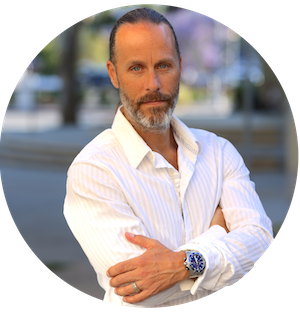
Kevin Anthony is a Certified Sexologist, Tantra Counselor, NLP Practitioner and a Sex, Love & Relationship coach. For over 10 years he has worked with men, women, and couples to have the relationships of their dreams, and the best sex of their lives! He is also the host of “The Love Lab Podcast”, creator of the popular YouTube channel Kevin Anthony Coaching, and creator of the popular online course series “Power and Mastery” as well as other online courses for both men and women.