Kevin Anthony 0:00
Welcome to the Love Lab podcast, the place to be for honest and real talk about relationships and sex, whether you’re a man or woman, single or a couple, this is the show for you. I am your host, Kevin Anthony, and I am here to help you have the relationship of your dreams and the best sex of your life.
Kevin Anthony 0:23
All right, welcome back to the Love Lab podcast. This is episode 375 and it is titled, how to spot when you’re stuck in a trauma pattern and what to do about it. I know it’s not the sexiest title in the world. However, this is a really important subject. And I was talking with my guest before we came on here, and one of the things I was saying was that this is something that I’ve been seeing more frequently in coaching calls that I’m doing, whereas it used to be, I would do a lot of coaching, and, you know, people would have their problems, and we would talk about it, and we would find that there were underlying trauma patterns in there, and we would work on those. But what I’ve been seeing come up a little bit more often lately is that people are showing up in session already in a trauma pattern. And that’s interesting. That’s not something I’ve really seen a whole lot before.
Kevin Anthony 1:18
And what I’m finding is the way that I have to work with them and deal with them when they’re in the middle of a trauma pattern is significantly different than when they’re not in a trauma pattern. And we’re just talking about how their patterns tend to show up, say, in their relationships or their sex life. So I’m really excited today to have this conversation to talk about just trauma patterns in general, because I think pretty much everybody has them to some extent or another, and healing them is one of the keys to really having, you know, a great life, a successful relationship, a great sex life. So I think it’s really important. And it’s something like I said that I’ve been seeing come up more often lately, and my guest today is hilarious. So I think you’re really you’re gonna enjoy it like when you if you hear the title and you’re like, oh, great, we’re gonna talk about trauma patterns today. Trust me, it’s going to be fun. I can almost guarantee that. So just hang in there before we get started. I have a couple of ads from my sponsors that help pay for all of this.
Kevin Anthony 2:28
First one, ladies, did you know that the overwhelming majority of men consider receiving oral sex a must in their relationship? Well, of course you did, because men have been asking you for it your whole life. But do you feel confident in your ability to give great oral sex if you tend to avoid it because you don’t feel like you’re good at it, or you feel that you’re pretty good at it, but you want to get even better, then my new blow job mastery course is for you. I have teamed up with the amazing coach, Ry Duong of eternal love to bring you a practical and easy to follow course that is guaranteed to increase your confidence and skill when giving oral sex to your man. In this course, you will get all the secrets to mastering the art of oral sex with step by step instructions and multiple live demos. Go to https://www.sacredfemininearts.com/bjmastery. That is https://www.sacredfemininearts.com/bjmastery. Ry is great. She’s the one that leads you through that course, and she’s really fun, too. So I think you’ll enjoy it. You’ll not only learn skills, but you’ll have fun.
Kevin Anthony 3:24
And lastly, power and mastery, 3.0 which is the latest version of the popular men’s sexual mastery course, if you are struggling with erectile dysfunction, premature ejaculation, or simply want to increase your skills in the bedroom, then power and mastery is for you join the exclusive club of men who have taken their sexual performance into their own hands and become sexual masters. Mastering your sexuality is a key component to becoming the man she has always dreamt of and craves. Don’t leave your sexual performance up to chance or the throw of the dice. Become a sexual master today by going to https://www.powerandmastery.com/sexual-mastery. That’s https://www.powerandmastery.com/sexual-mastery. Both of those links are in the description. Obviously, power and mastery is the course that I created along with my dearly departed wife, Celine. It’s amazing. You should check that out if you are experiencing any of those things that I talked about.
Kevin Anthony 4:15
Okay, my guest today is Dr Nicki Monti. She’s a psychotherapist, thought healer, group leader, speaker and author, and she loves helping people change their relationship to their history and to their patterns. She has a new book, which is a memoir, showing her personal story and how she moved from self loathing to self love. I have a copy of the book here. We will be talking about that a little bit today as well. So welcome to the show. Dr Monti.
Dr. Nicki Monti 4:48
Hi, you can call me Dr Nicki? Dr Monti sounds so formal.
Kevin Anthony 4:52
Well, thank you. I appreciate that.
Dr. Nicki Monti 4:56
I want to be with all the luminaries that only have one name, right? Yeah, the doctor and parentheses, we can, will you do me a favor before we start, and read the first line of this train wreck of a reading you just did about your ads. I’m surprised anybody would respond to those. Okay, just read me the first line. I’m gonna I’m gonna do it. I’m gonna do it for you for a second, and then I’m gonna ask you to let me do the ads for you, and I’ll just send it to you, because you’re you’re fun and handsome and stuff like that. So just read me the first one, and I’m going to repeat it to you.
Kevin Anthony 5:32
Okay. It says, ladies, did you know that the overwhelming majority of men consider receiving oral sex a must in their relationship?
Dr. Nicki Monti 5:38
Okay, stop, ladies, did you know that the overwhelming amount of men consider receiving oral sex a must in relationship, and then we go on like in that kind of a tone, because now I’m listening right? Otherwise, it’s just us.
Kevin Anthony 6:00
I appreciate your feedback. And to be honest, the reason why I read it the way that I do is because I actually just want to respect my guests time and get through it quickly.
Dr. Nicki Monti 6:12
That’s very sweet, because you also are here to have people buy your program and buy you. Listen, I’m giving coaching. Okay, let’s get back to me
Kevin Anthony 6:21
See everybody. I told you this was going to be a very fun episode. It is already thank you for giving me permission to slow down and read the ads with a bit more.
Dr. Nicki Monti 6:33
Yeah, and that’s what you’re teaching people to begin with, right?
Kevin Anthony 6:36
That is true.
Dr. Nicki Monti 6:38
More fun with oral sex? Slow the heck down.
Kevin Anthony 6:44
That is very true. All right, let’s dive in with some questions. And the first one is, when we say trauma pattern, what are we talking about? We have to define this so that everybody knows exactly what we’ll be discussing from here on out.
Dr. Nicki Monti 7:01
Well, I think it’s a great it’s a great question to start with, because, as you were using the word you know, number of times in our pre talk, and but, and now I was thinking, I wonder if we have the same definition, because it’s a word I use much less frequently than The world uses like I use the word abuse very, very rarely. I just think that certainly the word abuse gets overused and overworked and then diluted, so we don’t know what you know, everything seems to be an abuse anymore, right? And the same with trauma. And I like that it’s come into the lexicon, the frequency of it gets confusing, you know, or the word brave, or the, you know, things like that. So trauma is, you know, a soldier in a war has a trauma is, it’s a different kind of trauma. We can have physical bruise. That’s a different kind of trauma, right?
Dr. Nicki Monti 7:58
So, what are we really saying to take it in a slightly different direction. First of all, we all live in pattern. Of course, you know that. I know that, but a lot of people don’t know that. It’s amazing how surprised people are that their behavior is a pattern of behavior, and their thinking is a pattern of thinking and their feeling is a pattern of feeling. It’s they’re stunned by it. And I remember one guy just to go off for just a second. The guy was with me. He came in one time. He had been there with his wife, who was just just this tiny, beleaguered little sit in the corner woman. And he came in all blustery, and he was because I love to bring in the partners. Love to bring in the partners, the parents, the kids. I’ll take them all just to see what, how the pieces fit, right?
Dr. Nicki Monti 7:58
So he came in and he said, , this is my third wife, and every one of them have been bitches. Now. I’ve been sitting with this woman for a few months, and that was not the word I would apply to her, but okay, every one of them complaining and just said, and I was, of course, amused inside. And I said to him, oh, that’s three times. Wow. What do you think is going on there? And he said, Just bad luck. And I could not stop myself from laughing out loud. I mean, I could not contain it. He had no idea that he had any part of what was going on and that, you know, either he really was choosing to quote him bitches, or he was turning them into or he was projecting onto them, which I picked door number three. But. Uh, most people don’t even realize that. They just think it’s which is why first 50% or so, 47% of first marriages end in divorce, 60 something percent of second marriages end in divorce, and 70 something percent of third marriages end in divorce.
Dr. Nicki Monti 8:48
Because people don’t learn anything, right, because we live in pattern, and that pattern gets initiated when we’re very, very, very, very young. And for me, I think that most people, you know, I know, our jobs self select. So people come in in a certain state, right? And they’re thinking about it, and they’re wanting it to be different, so it’s the best and the worst sort of situation. But I think most people are in PTSD from the gate. I actually prefer that label to trauma, because then what do we do with that? And then we feel traumatic about our life and who we are in that life. And then we cause, or we create, or we interpret that in a way that invites us to invite into our life more problems and more problems and more problems. So we make, we tell ourselves a story about who we are based on our early experiences, and then we follow.
Dr. Nicki Monti 11:28
Then we, you know, we back our play. We buy our own press. Oh, clearly I wasn’t wanted. You know, it’s obvious, obvious from the gate, I wasn’t wanted. So I must be unlovable. So then I go about my life causing myself, you know, beating myself, beating myself, beating myself into submission to adhere to that story. It’s not to say that actual trauma doesn’t happen, but of course, it does to me. It’s the interpretation of what happens that is the big story, not the thing itself. And so for us to learn about what our patterns are, we invariably need to go back to the beginning. Now, many of us, including me, have what I’ve come to call emotional blackouts for a lot of life. It’s a, you know, it’s a less, I don’t a heady term to me for dissociation. Oh yes, I I can’t stand what’s going on. So I’ll just leave. I can’t take my little body out because I’m five or seven or 10 or whatever, but I’ll take my my, my brain and my, my presence away.
Kevin Anthony 12:45
Yeah, I want to talk about that a little bit more. I just, I want to just slow you down a little bit because you said some really important things that I really want to make sure that the audience hears. So we were talking about, what is a trauma pattern, and I like the fact that you were saying, Well, we have to be careful, sort of how we use the word. I would guess from what you said that you’re probably not a big believer in the micro trauma, which is a term that gets thrown around.
Kevin Anthony 13:13
Micro trauma? Oh yes, micro dosing, I’ve heard of.
Kevin Anthony 13:18
So now, nowadays they’re using terms like micro aggression, micro trauma, yeah, and they’re basically, what they’re trying to say is, like, the slightest little thing you say or do could cause a micro trauma or micro aggression, which, of course, right, exactly. That’s how I feel about it.
Kevin Anthony 13:38
if you’re listening and you’re not watching. She was like basically choking herself to death at how ridiculous that notion is. So I’m really happy to hear you say that, because, yes, trauma actually is a rather serious word, and so when we’re talking about traumas, right, it’s important that we understand that what that’s what we’re talking about. We’re not talking about these little micro things where you got offended somehow and now you feel like you’ve been traumatized. That’s not what we’re talking about.
Dr. Nicki Monti 14:06
Yeah, yeah. I have a client who found her mother three times in the midst of committing suicide. That is trauma.. I mean, we just don’t want to overuse our words, because then words matter, and what are we going to do in the in the big moments, right? You got to make bigger words.
Kevin Anthony 14:31
It dilutes the meaning, right? If we overuse it and abuse it too much. The other thing that you mentioned, that I thought was really interesting also, was you said you were kind of preferring the term PTSD, which obviously post traumatic stress disorder. I actually really like using that term as well, and I’m glad that you brought that up as far as when we’re really talking about real trauma. Because real trauma, like I mentioned earlier, in the beginning, how. I’ve been seeing some clients, when they show up to session, they’re already in a trauma response. They’re in that PTSD response, something triggered.
Kevin Anthony 15:10
For instance, last week, had a couple come in, and they had an incident that happened earlier, before they showed up to the session, and it put him in a deep trauma response. And what was amazing to me about that in that moment, was, I’m listening to his side of the story, I’m listening to her side of the story, and they are radically different. Now, it’s not unusual for details to be different, right? Everybody has their own perspective, sure, but these were like, like, they happened on two different planets. They were so radically different. And what I realized in that moment was, because he was in basically that PTSD response, he did not have a clear understanding of reality in that moment. And what’s interesting is he was, I had an opportunity in that particular session is something I don’t normally do, but because of scheduling, we did it this way. I actually saw them individually first and then I brought them together. That’s how I do it in my when I work remotely with people, but I do the session separately on different days, yeah.
Kevin Anthony 16:14
This time I had her first in in physically, and then him, and then I brought them together in the same room, yeah, and when he’s telling me his side of the story, and then he relates the same story when they’re together, it was different the way he told it when they were together than the way he told it to me and they’re arguing over it, because what, what he what happened, or what he had told her before they showed up was what He had told me when they were sitting when we were sitting down together, then when all of us got together. He told a different version. I had to pause him, and I said, But wait a minute, a half an hour ago, you just told me a completely different story. So anyway, the point of that is to just illustrate that when somebody’s in a PTSD response, the way they’re perceiving reality is different, and that’s what was so challenging in that moment, and that’s why I thought it was so important for you to kind of bring up that PTSD piece, right?
Dr. Nicki Monti 17:13
I love that. I work a lot with couples where, I mean, I actually prefer to work with them as couple and each individually too, because it’s fascinating. You know, you get all this extra information, and what I notice is that just that thing, so many things to say about what you just said, but is that thing where they’re in this completely other perspective? And my very favorite question all the time, because, you know, when we’re working with people individually, and we are, we know they’re in a couple ship, whether we ever meet the couple or not the other person, we must be able, as facilitators, to hear the other side of the story, because we know we’re not getting the whole story. It’s impossible. And so what my favorite question is, if you weren’t talking about her, what would you be saying about yourself?
Dr. Nicki Monti 17:59
What is the feeling state that you’re in right now, if you weren’t talking about him and analyzing him and what he did to you and all the things you think, what would you be feeling? Because the story is not as important as the feelings that are. You know, the story is riding on, right? And so, so that’s very interesting. When you said at the beginning, when you were introducing you said that they came in, and more and more people seem to be coming in, and a trauma response is kind of what I heard, where they’re in the middle of it. I think that’s exciting, because, you know, I always know when I see a couple fight in front of me, I’m making progress. This is cool. Okay, so they’re not trying to, you know, all look like the I’m great, and he’s not, and she’s great, and I’m, you know, they’re not doing that, or he and he and she and she have to cover all the bases here. But they’re, they’re actually just in their stuff, you know, and that’s exciting. And then to try to get each of them to witness the other person having emotional integrity about what they’re saying, you know, and but fortunately, unfortunately, you know, I always say that trauma bonding is the gorilla glue of relationship. You know, it’s the love of God.
Kevin Anthony 19:22
this is another great thing, because this is another term that gets used and abused, trauma bonding. Talk to some other therapists on this. I would love to hear what is your definition of a trauma bond.
Dr. Nicki Monti 19:35
Well, so you have two people that come from enormous you know, again, an old term, but in a state, overused dysfunction. But you know, because in in in family therapy, where I started, well, I started in sex therapy, but after that family therapy, the. We say that all there’s no such thing as dysfunctional. All families are functioning exactly the way that they’re supposed to function, exactly the way, not preferably for our psyche necessarily, but the way they are meant to. Right? So I so we have two people who have come from a lot of crapola, and they’re unsettled about it, they’ve made no inner headway about you know, they’re they’re attached to the story. They’re attached to their interpretation of the story. They’re leading their life through that attachment.
Dr. Nicki Monti 20:38
It’s not just in relationship, through their job, through the way they are with friends, to the how many drugs and alcohol they do, or sexting, or whatever it is they’re doing. You know, we’re in such a compulsive society. So they’re, they’re doing that, and then they meet this other who’s also doing that, probably from a slightly different place, but still huge trauma, and they’re they just spend their day. And I love this term, triggering each other. At one point I said, you’re not. Nobody’s allowed to use that word anymore. Is everybody in weaponry here? What is happening? You know? But they do. There’s that the slightest thing is taken really personally. And this is the thing that people very often cannot realize nothing is personal. Nothing is personal. My teacher used to say, what other people? There are no other people. We’re all in this projected state pretty much all the time, unless we know enough about ourselves that we can slide around the barrier called projection and see the other person truly.
Dr. Nicki Monti 21:44
But so you say something that makes me mad. First of all, you don’t make me mad. I make me mad, right? You say something that allows me to step into my anger and and, and I blame you for that. Instead of going boy, when you said that, really, I just want to chew glass right now. You know, which gives space for you to come towards me and go what that was my intention, or, Oh, God, that wasn’t. I didn’t. I don’t even know what I said, or whatever you’re going to say about that, but as long as I’m pointing my finger at you, the relationship’s going nowhere. It’s just not going to heal. So the trauma bonding comes when two people have had extreme trauma, and they all they know how to do is to communicate through that. And you know what I always say about that is that the more. So there’s, to me, there’s hit defenses and run defenses, right?
Dr. Nicki Monti 22:44
And if you’ve got two hitters, you’re going to do this, and they’re going to think that they’re having a intensity, which, you know, is confused with livingness. It’s not and that that they’re really, you know, they’re connecting. They’re not connecting, but they want to connect. They just don’t know how. If you have two runners, everybody will shut down. Go to their corners. These are two people who don’t know how to connect, and they’re not even trying. So you know, the whole solution to everything that ails us from is, to me, is to learn, well, of course, who we are, how we are and what we are, but more importantly, to learn how to communicate ourselves in a hearable way so that we can feel seen and heard and known, which is, who doesn’t want that? Everybody wants that.
Kevin Anthony 23:39
Yeah, absolutely, I want to talk about that more when we get to, like, what can people actually do, that idea of feeling seen, heard, known? Because that is big. But I really just wanted, in just a moment there, to talk about what trauma bonding is, because what I think, and if, if I heard you correctly. Your point of view with trauma bonding is basically two people who have experienced their own trauma, right? Their deep trauma, and because they’re in that trauma pattern, this other person is basically attractive to them because they’re in a similar pattern, right?
Kevin Anthony 24:13
And so it just they perpetuate each other that way, and that’s kind of why they’re drawn to each other, and they feel like they get each other, yes, exactly. So that’s different, though, than the way I hear a lot of people using trauma bonding, which the way they’ll often use it is, well, we’re creating traumas together, and that’s what’s making us grow closer. And I’m like, not really. That’s not really what we’re talking about here.
Dr. Nicki Monti 24:42
That would be like the opposite of micro, that would be macro dosing.
Kevin Anthony 24:50
Okay, yeah, we have an understanding of what a trauma pattern is, and obviously what trauma bonding is. We talked about those things You briefly mentioned, and I. To go into this in a little bit more depth. You briefly mentioned that these patterns come from very early on. Could you talk a little bit about where do these trauma patterns come from? How do they get there?
Dr. Nicki Monti 25:12
I think, in the first place? And this is, you know, this is a perspective I’ve held for a long time, but I think that it is in some ways. So hang with me here in organic for us to be out in the world alone. It’s just inorganic. How do I What do I mean by that? We’re born in a stomach connected by a hose. This is, this is, you know. So that is what we you know, what makes sense, right? And then we’re kicked out. It’s the paradise story revisited, right? We’re kicked out and and cut off. And, you know, of course, we start screaming right away. Why would we not? And it’s we now we have to figure out how to get our needs met. We have intuition. We have intuition about how to do that. We’ll scream. We’re we have various screams and gurgles and giggles, and we do all the things that we do as we’re babies and growing.
Dr. Nicki Monti 26:17
And then we either immediately or for some time, get our needs met or we don’t. We can feel our mothers. Feel our mother while we’re in there. We can feel it. We can hear it. We can feel it. We have knowing. We have foreknowing and foresight, I believe. And then as we come out, depending upon what happens around us, and very quickly, we start to make assumptions about who we are. Now obviously we’re not forming those in words, but we’re still forming them and and then that grows. And so we start getting messages, and they may be have the best intentions in the whole world. I mean, pretty much, I think nobody looks in the crib and goes, I’m gonna make your life a living hell. You know, that’s my plan.
Dr. Nicki Monti 27:16
Some people don’t look in the crib at all. Maybe that’s a thing, but, but, you know, one is like, Oh, the little baby, you’re gonna be everything I wasn’t, or I’m gonna give you all the best, or whatever that people do, you know, and it’s not that they don’t mean it. I’m not going to be like my father was. I’m not gonna be like my mother was. Well, no, they probably won’t be. There’ll be some other not great thing in reaction, because everybody we’re we are all we share one thing, no matter what, we’re all human, and that’s what we keep forgetting, by the way, in this world today, is the humanity of it all. But anyway, so I don’t give, since I don’t give, I still believe that it gave to give a succinct answer. And I was like, yeah, that’s gonna be very hard.
Kevin Anthony 28:12
Okay, you hit on the essence of it, though it really is that these are patterns that get instilled when we are so young, we are not conscious that they are being instilled right? And you mentioned earlier, you said, you know, we’re basically just, you know, repeating patterns throughout our lives, and most people don’t realize it, and you’re absolutely right about that. And the reason why we don’t realize it is because these patterns were put in so early on that we’re not even aware that they’re there. We’re not even Yeah, yeah. It would be one thing if it if that pattern got instilled when we were an adult, then we’d be able to consciously look at and go, Yeah, well, at that period of my time, I was doing this a lot, and I kind of got in the pattern of whatever, like, sometimes you’ll hear that, but those aren’t the deep patterns. Those aren’t the hard patterns to know. The hard ones are the ones that got in there before we were even conscious.
Dr. Nicki Monti 29:07
Yeah, and what I have worked with over time, when, when you know people are up for it, is core wounding, right? So the core wounding is this idea we’ve we claim for ourselves. So in my family, it was not, this is not true of me, but my family, it was noise was not a thing. So you I learned to be quiet. Or my family, you had to, you had to shout to get over the next person. So I learned to be noisy. Or, gosh, there was so many. Oh, my older person was due, you know, my sister my brother, were doing so many terrible things, and they got in a lot of trouble, so I’ll avoid those things. You know, we just claim these pieces. And also, not only do we have for me, we have the genetics. Regular genetics, I’m going to be tall, I’m going to be short, I’m going to be whatever, and or that my eye color.
Dr. Nicki Monti 30:06
But we have the epigenetics, so we have these messages passed down through generations and generations, and so we have all these things to sort of navigate and juggle, and now they have poor kids. I feel so terrible. They have social media that gives them misinformation after misinformation after misinformation that says you should be a multi millionaire by the time you’re 17, whatever it is, you know, this will make you more appealing. This will make you more appealing. It’s, it’s a crazy, crazy time, and I feel like the the woman in the buggy that says, Oh no, the car is coming, you know? But it really, it really is with AI, the car is coming. And it’s scary to me, you know? This, this disconnection. So going back to micro dosing and trauma and the words we use, why are we using all these labels? Why are we bothering? Because we’ve gotten so lazy we don’t want to just figure it out. If I decide you’re a narcissist, well, there you have it. Now I know how to comport my life.
Kevin Anthony 31:22
Oh, there’s another one of those words that gets thrown around a lot.
Kevin Anthony 31:28
1.5 ish, percent of the population maybe are actual narcissists. And yeah, everybody I know is dating a narcissist.
Dr. Nicki Monti 31:36
Everyone’s dating narcissist. And guess what? We’re all. We all have narcissism in us. It’s important, because healthy narcissism is important. The problem with narcissists is they didn’t get that attention. They needed it at that early stage that they needed it to develop it into a healthy mechanism that supports them. It’s not complicated. I mean, it’s complicated. We throw these words around so we don’t have to think anymore. You know, if we could emoji it. That would be better for everybody. Everybody thinks narcissist emoji, and now we’re done. So it’s, it’s disappointing to me. It’s disappointing. I know that we were talking ahead of time, and you’re, you’re a reader, and you know, you know, with the book, I’m saying, Listen, I, I, I I recorded the audiobook myself. No sound perky and and I, and I loved feeling my way through my own story. Mostly loved. Sometimes was hard. But I asked everybody, do you read or listen? Because, you know, under a certain age, people are mostly listening or, Oh, I’m so busy, I just I listen while I’m doing this and this and this. Okay, great.
Kevin Anthony 32:52
You know, I’m glad they’re listening at least however. You know, I have a sort of a pet peeve about that, because when you’re listening, you’re generally not sitting there, only listening. It’s, as you said, you’re listening while you’re doing other things, which means you’re not giving it your full attention. They have done studies where they have basically studied the comprehension of people who read the book versus people who listened to the audio book, and the comprehension of people who read is significantly higher than those who listen.
Dr. Nicki Monti 33:24
Oh, that’s interesting. I would Yeah, that makes sense. Makes a lot of sense.
Kevin Anthony 33:28
It doesn’t mean while listening you can’t comprehend. And it also depends a little bit on how you like to learn. Some people are more auditory, some people are more visual. I happen to be very much a visual learner. So see the words on the page, they sink in deeper for me.
Dr. Nicki Monti 33:46
But also you’re reading it in your voice, and that makes a difference, true. So you’re participatory in a particular way, as an audience member, so to speak, you know you’re participatory, and I mean you you are as a listener too, but it’s not the same. It just isn’t it.
Kevin Anthony 34:04
And we don’t get to hear your quirkiness. I want to jump back into the trauma stuff, because I have a lot more questions to ask you about that, and I don’t normally, you know, when I have guests on about books, we don’t focus on the book, we focus on the topic. And we mentioned the book, but, but since you brought up the book and sort of how you, you know, wrote it, let’s just talk for a moment about this book, The Divine Comedy of Nicky joy. I have not had a chance to read it yet, but I have read the forward on it, which I found really entertaining, and it made me want to read more, so I’m looking forward to it, but just tell people a little bit about it, because it’s not your traditional therapy book by any means.
Dr. Nicki Monti 34:48
No, it’s, it’s very vulnerable, you know, it’s, it’s, you know, the subtitle is a true grime tale. And there’s a reason for that because, and there’s a reason that I call it. Traumaty, because, you know, the rule for me has always been, take the work you’re doing, whatever that work is, whether it’s the work of change or the work of, you know, putting together your library, or whatever the work is, take the work seriously and take yourself lightly. And humor has, you know, has saved my life, I would say. But I have you know, I this book was going to be something else. It was going to be more therapy, but it was going to be a sort of report. I was watching my husband, of my third husband, but of 33 and a half years, around 32 years in, he got very, very gravely ill, and we had about 18 months of him dying.
Dr. Nicki Monti 35:46
And so this was a very interesting time, and, you know, pivotal time and a transformative time, and all these things. And I’ve always been a writer since I was a little girl. And so I began, a friend of mine said, you know, you should start an online journal. You’ll need it later. And I don’t know what he meant by that. And I don’t know that he knew what he meant by that, but I did, and it became, you know, the basis which is good, because I have an ability to not remember certain things that I mean, I look the dragon in the eye all the time, but you know, you go to a doctor’s office, maybe you had this experience. You go to dog you can’t hear what the hell they’re saying. You got to take an advocate. Because what do you mean? This is going to What do you mean? This is what I can’t No. So anyways, I took those kinds of notes, but it was going to really be about him, because he was a very strange and eccentric and just kind of a crazy character.
Dr. Nicki Monti 36:54
And that was the first then it so it was going to have a lot of therapy about relationship. And how do you do relationship? And, you know, so my, I have two other help you help yourself books, because self help and, but, you know, I started doing it, and then it turned into sort of a movie script. You know, it was, it was a lot of stories, a lot of stories, a lot of but I didn’t have, and since I want more of this and that of it, you know, everybody’s getting a little bit of their hand in it and it, and then it took several years to find its own voice. And when it did, it turned into this very vulnerable my very, very good friend, a writer, actor, wonderful director, person, said to me, what is this book about? He read the first iteration. I said, I just will you glance at this. He said, What is it about? I said, Oh, it’s about Conrad me, and the story of how hard it was to make it work. And also, he said, Well, if it’s about you also you’re going to need to be in the book.
Kevin Anthony 38:07
What an idea.
Dr. Nicki Monti 38:11
So I really wasn’t. And then it became a different story. It became this, this story of how I was rolling through life on the, you know, kind of moving through life, repeating and reiterating, repeat, rinse, repeat, rinse and all the time. And having so many different I have lived so many lives in this one life, really far different, you know, this thing, that thing, I’ve done illegal things, I’ve done legal things. I’ve done things that are cool. I’ve done things that are horrifying, you know, and all of these things, and all along the whole story, really, of my early years, of my the first part of my life being, you know, into my whatevers few decades was about just trying to get people to love me, because I felt so unlovable, and it was my driver. And I mean, it’s not like I actually knew that in that way, but and I just made decision after decision after decision that was so self defeating. And there’s one thing, for instance, to live in pattern I and what freed me from all of that, what turned the story?
Dr. Nicki Monti 39:34
Because, you know, my husband died, and it’s this spoiler alert that comes, you know, as no surprise as you’re reading the book, but that I’m now in the love of my life relationship for the last four years, since my husband died, and I had one foot out the door the whole relationship with him, my second relationship, I. Yeah, I was in a violent, like violent, violent, as to use the word right, abusive relationship. And what freed me, it was brief, but very potent. And what freed me, and from that relationship, was realizing that my husband beat me in all the places I had not learned yet to reach, the places I could not reach for myself to beat and he did that part for me. And when I realized I had chosen I didn’t, you know, get up one day and think civil and go see if I could find someone who will beat me into whatever. But when I realized that I was free and whenever each way piece along the way, I realized that I chose this to answer some idea I had of myself and my journey. And I think this is everybody’s journey, really, however screwed up they are not screwed up or traumatized, or whatever it is. I think everybody’s journey is to remember, to put back together. Put themselves back together.
Dr. Nicki Monti 41:24
Remember, because the opposite of remember is dismember, to remember their true essence, whatever that is. And I live in that place now. Just mean I don’t make mistakes or get bitchy or whatever I get, but I live in that place, and it helped that I got sober 40 years ago. That helped, because drugs and alcohol did not help me, no and but being clear and coming to a place where I actually like and love myself unapologetically, is extraordinary. It’s an extraordinary freedom. And, you know, it’s, it’s, it’s hard to get to because it feels arrogant to some degree. It’s the first and it’s like, oh, how dare I really am I lying to myself? I have, I believe that many people have what I call the fantasy of badness. If you really know who I am, you’ll see how terrible I am, and it’s actually exactly the opposite. If you really know who I am, and I really know who I am, if I really know how I am, and you can see that I know who I am, you will find how radiant I am and the same for you.
Kevin Anthony 42:49
Well, yeah, and I think it’s a compelling one, because what you’re hearing audience, when you’re listening to it, is this isn’t just another therapist who’s giving you the textbook stuff of here’s what you should do, here’s how you have a good relationship, here’s what the research says. There’s value in all of that, of course, but this is just different, right? And this is basically the story of your life, and all the ups and downs and the illegal stuff and the legal stuff and the crazy stuff and the better stuff, and ultimately resolves to where you are today, which is what you were just sharing, which is a beautiful place to be, which I think pretty much everybody would like to be, and so few people actually are.
Dr. Nicki Monti 43:32
Because it’s hard work, right? It’s hard work, everybody said, Well, you know, this isn’t easy. I know.
Kevin Anthony 43:40
Nobody said it was gonna be easy,
Dr. Nicki Monti 43:44
Well, I don’t want to do that. It’s uncomfortable. I’m uncomfortable. I know good. You know that something’s happening when you’re uncomfortable. You want to be comfortable. Lay on the couch with the remote in your hand. I don’t know, but you otherwise live your life. This is such a gift.
Kevin Anthony 44:02
This is not the place you come to to have it easy. There might be another place, somewhere else you can reincarnate into. Is easy, but this ain’t it. I can tell you,
Dr. Nicki Monti 44:15
I can tell you, this is not it, and it is not it sounds like you’ve had some that experience as well, for sure.
Kevin Anthony 44:24
Okay, let’s dive back into the trauma stuff. I have two more questions that I want to ask you.
Dr. Nicki Monti 44:32
I’ll give succinct answers.
Kevin Anthony 44:36
The first one is, you know, one of the things that I noticed when we talked about patterns, right? And how people are, you know, basically operating from pattern all the time. We kind of alluded to this, but I’m curious if you have anything else to share on it, which is, why is it so difficult for people to realize that they are repeating a pattern?
Dr. Nicki Monti 44:59
Yeah, gosh, it’s such a good question. Why is it so difficult for people to realize their opinion pattern? I guess they’re not listening to themselves or seeing, you know, recognizing the facts, so to speak. You know, one of the things I first tell people is, if you want to know what how you’re derailing yourself or or your your soft spots, or whatever it is. Listen to the phrases you repeat in your head, and listen to the things you say over and over again to people, and if you’ll start to get a hint, you know, you know, if you’re saying all the time, Oh, I’m such a loser. People do, they say that to themselves all the time. I can’t believe it. I’m such a loser. I had a client one time who was every time he was on his computer, he would say, just want to I just want to die. I can’t make this happen. I just want to die.
Dr. Nicki Monti 45:56
And I said to me, you need to really stop saying that. And if that’s what you’re saying out loud, and I hear you. I can only imagine what you’re saying inside. You’ve got the universe listens to us. It listens to us. And he called me one day and he said, Hey, I have cans. I have this terrible cancer. Now, I’m not saying everybody has cancers, but I do think psych, you know, the mind, body, spirit, are working together. And so he said, Yeah, I’ve stopped saying that. I said, Good, and he beat it, and it was fine, and all of that, but, and you know, that’s not the story about cancer, but I do think we have to listen to what we say to ourselves. Why don’t people notice? Because we’ve been taught to blame everyone else. It’s the national sport. Couldn’t be me. That means I’m terrible. That means I’m bad. That means I’m I’m the problem. Yeah, you are the problem, and you are also the promise. If I have the power, if I’m making choices. How powerful is that I can change the choices I make?
Dr. Nicki Monti 47:06
What you know, it just to go through, say, take 30 days or take a day saying, I’m going to realize today, I’m going to notice that everything I do is a choice. Every single thing I do, how I talk to somebody in a store, how I, you know, show up to work, how I reach out or don’t reach out to a friend who’s in pain. But everything is a choice. I’m just too busy now. I need it, you know, just notice it’s a choice. Don’t berate yourself, but notice it’s a choice, and you start to get aware that you’re making these choices. And that is powerful. It’s not demeaning or diminishing. It’s powerful. But people are afraid because they think that is more evidence of their incapacity. Yeah, as opposed to their capacity.
Kevin Anthony 48:04
It’s really interesting. I mean, I think part of why people can’t see they’re in patterns is just because those patterns happen so early on that they’ve been there their whole lives. They don’t know anything different. But part of it is definitely what you just said, also, which is this idea that to recognize the pattern would mean they would have to admit to themselves that they are indeed the problem, and then they would actually have to take responsibility for that and do something about it. Now I’m more of the mindset of you, which is, I don’t like thinking that my destiny is out of my hands, right, and that somebody else it’s somebody else’s fault. I personally don’t like that, although we are witnessing in society today where it’s, like you said, it’s victim culture, right? It’s everything is somebody else’s responsibility or fault.
Kevin Anthony 48:50
You know, I don’t believe in that. I find it incredibly empowering, because if I realize I’m the one that created it, then I also realize, well, I’m the one then that can fix it, and I don’t need anybody else. I don’t have to rely on anybody else. So I tend to agree with you, and I think that’s a large part of it. I think that as a whole, in society, we have been largely disempowered, and because of that, we are afraid to take responsibility for pretty much anything, and that includes doing the work, as we just discussed before, this is a difficult place to be doing the work is hard. It takes effort. It takes us looking at parts of ourselves we don’t want to look at, but that’s life, and the faster we can accept that and start doing the work, the better our life is going to be.
Dr. Nicki Monti 49:35
Yeah, and but also, there’s a surprise. It’s a surprise package under the tree, and the surprise is that it actually takes less effort to be to have emotional integrity and emotional honesty, connectivity, vulnerability, clarity, those all. All take less effort than all the blaming, shaming, assaulting, aggressive, labeling and all the other things we do to kind of slough it off that all takes a lot of energy. We have to keep our story straight with each person. We have to decide who we’re going to blame today and what we’re gonna It’s labor intensive.
Kevin Anthony 50:24
It is. This is what I tell people all the time in relationships, when it comes to speaking the truth, right? Because you don’t want to admit that you did something. I’m like, Look, if you just own up to it, right? You can move through it, and you can be done with otherwise, you’re exactly what you’re saying. You got to keep your story straight, and you got to what did I say here, and how did I do this? And that is exhausting trying to keep up all the time.
Dr. Nicki Monti 50:45
And that was an exciting example you gave about the guy who told you a story and then came in and told a totally different story, or totally different version of the story. So now he had doubled down on his own material, right? And so now, where is he in that? Where is he? You can’t even see him in the rubble of the story, so crazy, and then you can never get to the other side of it, indeed.
Kevin Anthony 51:17
Yeah, you get stuck in it, and you keep looping around and around and around.
Dr. Nicki Monti 51:21
Okay, that’s my first book. Stuck in the story no more.
Kevin Anthony 51:24
Yeah, exactly, exactly, yeah. All right. We’ve only got a few minutes left, and I always love to leave people with some solutions. So what I would love to talk about now is, you know, one, how can people recognize they’re in patterns, and then if they recognize they’re in patterns, what types of things can they potentially do to get out of those patterns?
Speaker 1 51:47
One of the things, let’s say, let’s pick, so you want to pick an area where you can see what your pattern is, right? So relationships always handy, right? And so I love to ask people to make a list of all of the people that have been in their lives that they feel have had major impact, right? Mom, Dad, sis, first partner or love, best friend, whatever it is, or make as much of a list as you want to and put them at the top of each have their own column and then put all their characteristics. Okay, so characteristics are everyone who make us what we are, from athletic to cheap, right?
Dr. Nicki Monti 52:29
So those are their characteristics. She’s cheap and loving. She’s all the characteristics, right? Athletic, whatever, right? All the characteristics. And it’s also fun, if you want to do a little extra delving, to mark the ones you really hate, the characteristics you hate, and you’ll see how they weave through all your relationships. You’ll see the the commonalities in your relationship, okay? Now, if it’s, it’s, it’s partnering in whatever fashion, then you, you want to include how long it lasted, right, and what happened to end it, if it’s ended, right, okay, we turn it into a friendship. Great, what? But what happened when it when it ended? And one of the things I notice is that you’ll, you know, people will say things like, yes, it was. So, my first relationship, you know, was about four months, uh huh, okay. And my sex when, you know, when I was really young, you know, my second relationship was, yeah, it was about, you know, that was about four or five months.
Dr. Nicki Monti 53:40
And then, oh, and then I went, I had an adult relationship was about four years. And so this goes on and on. And so I’ll invariably ask, and I haven’t seen this in literature, but I’ll ask, what was going on when you were four, or between three and five? My My father died, Huh, interesting, and then I just shut up, huh? Oh, my God. So every relationship I ended that because I think if I go further, they’ll die or but where, where will we go with it? Yes, so you can just, if you write it all down in black. Just make a list. Don’t think too much about it. Just make a list and see about timing and see about characteristics. And so you’ll start to see when. So how far back did that? When did that? Start that thing, whatever that thing was. Sometimes people won’t know you know, something happened when you were three months old, or you were eight months old, right? Oh, your mother got pregnant with another child. Oh, okay. Wonder how that felt. You know, that kind of thing. So there’s usually, I have found, I mean, I’ve been doing, I’ve worked with. 1000s and 1000s. But I have found 1000s of times that the answer that the timing answer alone started is is very consistent along the lifeline. Yeah.
Kevin Anthony 55:16
So it’s kind of interesting. I think that’s a great practice. Is basically getting them to write it down so that they can start to see the pattern for themselves. I mean, this is largely, I know it’s largely what I do. I assume it’s largely what you do too. It’s like when the one of the biggest things I do with clients is simply helping them identify the pattern and where it started. That’s the majority of the work that I do. Here’s the majority that you can’t see, right? Yeah. And here’s where it likely started, right?
Dr. Nicki Monti 55:43
And here’s our thing about pattern. You, you know, we can’t change the story. That girl watched her mother try to kill herself three times, and by the way, she was finally successful. And that story doesn’t change, but what does change is her relationship to the story and her interpretation of what that means to her and about her, yes. And so that’s the thing. And once you identify the pattern, then you identify, what is your relationship to that pattern? Absolutely. What is that giving? What is that giving you? Because we don’t do things that don’t serve us. They may serve us in ugly ways, but they still serve us?
Kevin Anthony 56:21
Yeah, I like the way you said, how you change your relationship to it, because a lot of you know what it is. Okay, here’s the pattern. Great. Now we always want to look where did that pattern come from? And like you just gave an example, that when you were four year your father died, right? And that’s kind of what set off that pattern of ending relationships in that time frame. Every time you can’t change the fact that your father died, but what you can change is how you viewed that, right? And that’s what it is. So often, when I work with a client, we get to that pattern, right? We get to that root of that pattern. Then we say, okay, you know, like a lot of times, what they’re doing is observing their parents, right? And it’s their parents stuff that they take on. So then we just get them to realize that it’s not even their stuff. And when they realize their stuff, then their whole relationship to that thing changes.
Dr. Nicki Monti 57:10
Exactly, exactly. And you know, in my cases, like when I was four, as a matter of fact, my father left, and he said he was coming back, and he never did. So you know, that’s just one of many examples of, you know, my rich and sincere historical relationship with abandonment, and I, you know, I perpetuated that, and perpetuated that, perpetuated then there’s a lot of ways to go with that, depending upon how you’re built organically too. Are you more extroverted, introverted, all those kinds of things, but yeah, and then we can change our story too. We can change our perspective. So that’s what healing is. It’s a change of perspective, and whether it’s knowing what your responsibility is, what the story you’ve been telling yourself all along and but you know it is. There a lot of people that it’s the devil they know. They will choose, you know, self hatred is the devil I know. So that’s what I’m going to choose, you know, or limited believing the world is full of limited supply. There’s not enough love for everybody. So I get them, I’m not getting them. I’m not getting mine. Or it’s not enough money, or success or whatever the thing is, and but, you know, changing of perspective is everything.
Kevin Anthony 58:28
It is an interesting you know, as you were talking about that, one thing that popped into my mind is, you know, we repeat these patterns, right? And they can be negative patterns, and therefore they have negative consequences, right? But if we switch that around and repeat positive patterns, they can have positive consequences.
Dr. Nicki Monti 58:48
Absolutely, absolutely. So going back to the top of the show as we end, I know that we need to end, which I’m we could just do this for hours, right? Kevin, you and I. The important thing about oral sex….
Kevin Anthony 59:11
yes, please tell me.
Dr. Nicki Monti 59:12
Attitude.
Kevin Anthony 59:14
That’s true. That is true.
Dr. Nicki Monti 59:16
It’s, you know, it’s being, it’s, it’s, being in love with the process, you know, and whatever that means to you, and and then nobody needs to ask and nobody needs to be disappointed or demand, and because it’s a loving process.
Kevin Anthony 59:35
That is absolutely true. You know, the whole reason that, course, even got created was because I did a YouTube video called this is what men consider a great blow job. And I’m sure people were thinking it was, oh, do this technique and do the triple tongue, blah, blah, blah. And it wasn’t any of that. It was, you know, love what you do. You know, it’s more about the journey and the experience than it is the end destination of, oh, I ejaculated or whatever, like, it was all that kind of stuff, right?
Dr. Nicki Monti 1:00:04
Yeah, exactly. What’s that first thing that we teach in the sex piece, which is, or at least that I know of, is, you know, don’t touch your partner the way that you think they like. Touch your partner the way you like. And you can do that exercise, right? Where you have them do it both ways. And partner, I say 99 and nine tenths percent of the time will say, Oh, that second one was, I like that, and that was the way we like to touch, not the way we are imagining they want to be touched.
Kevin Anthony 1:00:38
Because our heart, our energy is into it, right? Yeah, for sure, that video, at least as far as my channel goes, kind of went a little bit viral. And there were, there were a lot of comments from women on there about the things I had shared, and that’s when I realized that a lot of people just didn’t get it. And so I thought, okay, somebody needs to create this, yeah. So I did, yeah. But anyway, Dr Nicky, I want to thank you for coming on the show. You were a blast, as I knew you would be, and I really resonate with the message and the things that you share. I hope that the audience did as well. And I do encourage everybody, if you want a fun read that’s also going to be educational, to check it out.
Dr. Nicki Monti 1:01:25
Emotional, it’s got, you know, it’s, it’s, it’s, it’s all kinds of things in there, including, if you’ve had a grief journey and things like that. It’s, you know, describes mine, but, and so the easiest way to get it is, www, stuck. No more.com, forward slash books.
Kevin Anthony 1:01:47
That link, of course, will be in the description. I look forward to reading it myself. You know, one of the things that I think is great about it is, you know, there’s nothing wrong with being the expert and all, but I think it’s really relatable when people find that you know you’re just you’re a regular person too. You went through your own struggles, your own journeys, like but and then here you are, right? You know, I haven’t read it yet, but it sounds to me like this is kind of like Joseph Campbell’s the hero’s journey.
Dr. Nicki Monti 1:02:18
Oh, well, I would love that. I’d love to be compared to that.
Kevin Anthony 1:02:24
But that’s what it is, right? It’s like we come here to learn things, and, you know, we leave Paradise, and then we go through all the trials and tribulations, and then eventually we come out on top, hopefully, anyway. And that sounds a lot like what this is, so I’m looking forward to it.
Dr. Nicki Monti 1:02:40
Well, you have to let me know your response when you do it.
Kevin Anthony 1:02:42
I will do that. I will follow up. I’ll send you an email that you know, what I thought about it, anything else that you want to share with the listeners?
Dr. Nicki Monti 1:02:50
Just to say that you’re so easy to talk with and be with, and I, you know, I feel you’re listening. And that’s really, I really appreciate that.
Kevin Anthony 1:02:57
Thank you. I appreciate that. All right, everybody, that’s all the time that I have for this episode, and I will see you next week.
Kevin Anthony 1:03:11
I hope you liked this episode of the Love Lab podcast. If you enjoy this show, subscribe, leave me a review and share it with your friends, and for more free exclusive content. Join me in the passion vault at https://www.kevinanthonycoaching.com/vault/. That’s https://www.kevinanthonycoaching.com/vault/. Thanks for listening. And remember, as Celine used to say, you’re amazing!
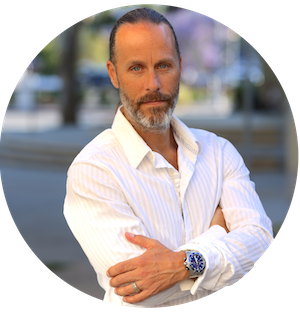
Kevin Anthony is a Certified Sexologist, Tantra Counselor, NLP Practitioner and a Sex, Love & Relationship coach. For over 10 years he has worked with men, women, and couples to have the relationships of their dreams, and the best sex of their lives! He is also the host of “The Love Lab Podcast”, creator of the popular YouTube channel Kevin Anthony Coaching, and creator of the popular online course series “Power and Mastery” as well as other online courses for both men and women.