Last Updated on November 18, 2024
What You’ll Learn In Episode 317:
Are you going through challenges while trying to get pregnant? Has your fertility journey been straining your relationship? Did you know that couples who struggle for several years or more to get pregnant often end in divorce? In this episode of The Love Lab Podcast, Kevin Anthony speaks with world-renowned fertility specialist Gabriela Rosa about common fertility challenges, the effects they have on relationships, the mindset that couples need to have to be successful, and how the egg and sperm working together is a microcosm of the relationship itself.
Links From Today’s Show:
To Find Out More About Gabriela And Her Work, Click The Link Below:
https://fertilitybreakthrough.com/
🔥 POWER & MASTERY 3.0 IS HERE!
The most complete men’s Sexual Mastery Course is now even better. Solve ED and PE! Become a Sexual Master! To find out more go to https://www.powerandmastery.com
❤️ FREE EXCLUSIVE CONTENT
Check out my free library of content to help you improve your relationships and sex life! → https://www.kevinanthonycoaching.com/vault
💪 MEN’S SEXUALITY & MASCULINITY COACHING
If you are ready to make big changes and finally become the man you have always wanted to be, then the Ultimate Sexual Mastery Coaching For Men is for you → https://www.kevinanthonycoaching.com/sexual-mastery-coaching-men/
👉🏼 RELATIONSHIP & SEX COACHING FOR WOMEN
Do you want to get into the heads of men and learn how they think and what they want? Do you want to become an irresistible sex goddess? Then check out → https://www.kevinanthonycoaching.com/sex-coaching-couples/
👉🏼 RELATIONSHIP & SEX COACHING FOR COUPLES
Want to have the relationship of your dreams and the best sex of your life? The best way to get there is to work together! → https://www.kevinanthonycoaching.com/sex-coaching-couples/
👉🏼 OUR HAND-PICKED PRODUCTS FOR YOU
We have hand-selected some great products to help support your Health, Sex Life, and Relationship! Purchasing products from us and/or our affiliates helps support the work that we do and ensures we can continue to help as many people and couples as possible! → https://www.kevinanthonycoaching.com/products/
Kevin Anthony 0:05
Welcome to the Love Lab podcast, a safe and fun place to get real and learn about sex, whether you’re a man or woman, single or couple, this is the show for you. I am your host, Kevin Anthony, and I am here to guide you to go from good to amazing in the bedroom and your relationships.
Alright, welcome back to the Love Lab podcast. This is episode 317 and it is titled, how couples can successfully navigate fertility challenges. You know, as a coach for many years, doing sex, love, and relationship-type work, I have definitely run into more than once, couples who were really struggling to navigate going through the fertility process. And so, you know, what does that mean? Really well. I mean, I’m sure you can understand that it’s not super easy for everybody to get pregnant. Especially these days, we are seeing massive declines in sperm counts in men. There are all kinds of other factors, maybe some of which we’ll get into today, maybe some of which we won’t but needless to say, it has become more challenging for couples to successfully get pregnant these days, and when a couple really, really, really wants to have a child, they are willing to go through an enormous amount of stuff to make that happen.
It’s not like when you really want to buy a house or something like that, you know you want to buy a house, and you’re willing to go only so far to make that happen, right? But I have seen people pull out all the stops to the point of literally destroying their relationship in order to make this happen, and that is not something that we want to see honestly. I mean, obviously, if people really want to have a child, we would love to see them have a child, but we also want to see them do it in a way that keeps the relationship healthy and successful throughout that process, because if they do end up getting pregnant, they’re going to need that, the strength of that relationship to get through being parents, which is difficult enough, right? So we want to help them navigate those challenges. I have an expert with me here today who specializes in these fertility challenges and who has direct experience with what it’s like for couples going through this, and we’re really going to unpack this today.
But before we do that, a short break for a word from my sponsor, Power and Mastery 3.0. Power and Mastery, 3.0 is the latest version of the popular men’s sexual mastery. Course, if you are struggling with erectile dysfunction, premature ejaculation, or simply want to increase your skills in the bedroom, then power and mastery is for you. Join the exclusive club of men who have taken their sexual performance into their own hands and become sexual masters. Mastering your sexuality is a key component to becoming the man she has always dreamt of and craves. Don’t leave your sexual performance up to chance or the throw of the dice. Become a sexual master today by going to powerandmastery.com, and joining the exclusive club of men who have taken their destiny into their own hands. That’s powerandmastery.com. And I will tell you, while this course is not at all in any way created or directed toward helping you get pregnant. I’m telling you, if you master these skills, it’s going to help you in this journey as well.
Okay. My guest today is Gabriella Rosa. She is a world-renowned fertility specialist and Harvard University-awarded scholar. Since 2001 Gabriella and her team of clinicians have blended evidence-based science into a holistic, supportive, and education-focused approach to fertility treatment, shown to deliver a 78.8% live birth rate. Gabriella’s latest book, fertility breakthrough, overcoming infertility and recurrent miscarriage when other treatments have failed, it’s available now in all booksellers. So welcome to the show. Gabriela.
Gabriela Rosa 4:06
Thank you for having me, it’s an absolute pleasure.
Kevin Anthony 4:10
All right, let’s just dive in. We have to start in the beginning. We got to kind of talk about what some of the challenges are that people go through, and then we’ll get into what impact those challenges have, and how they can handle it, and so on. So let’s just start right at the beginning. What are some of the typical fertility challenges that couples go through?
Gabriela Rosa 4:31
You know, it’s interesting that you asked that question as a first question, because in the general population, most people can see without trying, and so, you know, that’s why we often hear stories of, oh, my friend had a drunken one night stand and got pregnant accidentally, or, you know, these types of situations where people get off the pill and the next month they’re pregnant and having a baby. And so ultimately, what ends up happening for the majority of the world’s population of people who are actually trying to get pregnant is they don’t really try. When you start to try, it’s because there possibly are things that are deterring the process, you know, perhaps obstacles that are getting in the way when it gets to the For some women, depending on age as well, because female fertility declines more severely than male fertility, even though both decline with age.
When a woman is over 35 after six months of trying, the new definition says that, okay, there possibly is a fertility challenge or a fertility difficulty. A couple is definitely considered infertile, so to speak after 12 months of consecutive attempts without contraception and an inability to get pregnant. But what we also need to understand is that the inability to keep a healthy pregnancy to term, ie miscarriage, also falls under the umbrella of infertility. So that’s essentially what people refer to, you know when they’re having difficulty conceiving for an extended period as infertility, and when you see a positive pregnancy test and it’s no longer there initially, that could be termed, you know, in technical terms, a chemical pregnancy. But once you have passed a certain number of weeks post, you know, when you’ve seen that pregnancy test, and then you haven’t actually carried a pregnancy to term, then, of course, it becomes a miscarriage. And most miscarriages happen in the first three months of gestation. So that’s essentially, you know, kind of just diving into the technical terms of this whole conversation, those are the main definitions.
Kevin Anthony 6:44
Isn’t it ironic? How many people don’t intend to get pregnant and end up getting pregnant, and then how many people actually really want to and then struggle with it?
Gabriela Rosa 6:54
And it’s interesting, absolutely, because it’s like one in six couples is infertile, which means that five in six conceived without trying or without major difficulty. So yeah, it is. It’s quite interesting.
Kevin Anthony 7:09
So one in six, that’s actually a pretty high number. I’m curious. You’ve been doing this work for a long time. Have you seen that change? Was it less than one in six a few decades ago? Has it increased? Has it not changed?
Gabriela Rosa 7:24
Yeah, it’s interesting. So basically, less than one in six would mean that we are becoming more infertile. And so basically, you know, what ends up happening is that there was a there was a conversation in the UK that one in three couples was infertile. So the reality of it is that, in absolute terms, it hasn’t really changed that significantly over time, but we know that there are other parameters in terms of fertility, which you’ve mentioned. You know, sperm counts in there was a 50-year period that there was a study done, I think it was reported around the 2000s and the 50 years preceding that, they noted.
The researchers noted that male fertility, sperm count in particular, had declined or decreased by 50% so I mean, that tells us a lot about what is going on in our environment when we’re not really that specific, at looking at, okay, how is that actually translating into impacting fertility? Because at the end of the day, we know, just in general terms. You know, the sperm health guidelines from the health world, World Organization, for example, say that you need to have a minimum of 20 million sperm in terms of count, in order to naturally affect the pregnancy. Now it is possible that some people may affect the pregnancy, and there are differential reasons as to why this happens with less sperm than that, right? Whereas some other people might have way more sperm than that and still not be able to be able to be able to affect the pregnancy, because there are other sperm parameters that also need to kind of be in good standing, so to speak, in order for us to actually be able to get the result that we want, which is a healthy baby.
We don’t want pregnancy necessarily. We want a healthy baby. You know, for anybody who’s trying to get pregnant who has experienced miscarriages. For most people who have never seen a positive pregnancy test, they desperately want to get pregnant, right? But then the very first question that happens after that is like, am I going to have a healthy baby, and if they’ve experienced a miscarriage, immediately the question turns to, wow, will this pregnancy stick? You know, will this pregnancy be the one? Will it be healthy? So, you know, there’s all of these different kinds of parameters that people go through in this can, in this journey that makes it, not such a, you know, it’s not a dichotomy in the sense of like you’re pregnant, you’re going to. The baby, it’s like you’re pregnant. Is everything going to be good enough for you to be able to have a baby? And many factors determine that, right? So, from sperm factors to female factors to environmental factors, all of those things often need to be taken into consideration when a couple is struggling. Because you see, here’s the distinction, and I think that this is a really important thing to talk about, is the fact that, because most people conceive without trying when people struggle, people who think it’s easy to get pregnant are the first ones to want to give advice.
Kevin Anthony 10:38
The drunken one-night standers want to be the first ones.
Gabriela Rosa 10:42
Exactly, you know. So it’s like, it’s the whole thing about like, oh, you should do this, and you should do that, and you should do that. And then when people start to become more serious about the types of things that they’re doing to optimize their chances, they’re dismissed. They’re told, you don’t need to do any of that, you know. Like my neighbor, my whatever, you know, they drink, they smoke, they do drugs, and they’re having babies. You see, that’s all well and good for those people. The people for whom this has not happened easily, they often have to put in so much more effort than your average person out there.
Kevin Anthony 11:17
Yeah, so I’ve already got about four more questions that are not on my list just based on what you said. Okay, let’s go. So as a person who doesn’t like, I have not been trying to conceive in any way, so it’s not a topic that I have really been following. So I just see news stories pop up here and there, you know, and I’ll glance over them and be like, Okay, that’s interesting, but I’m not diving deep into the subject. And so for me, I have seen more articles than I can possibly count about declining sperm numbers, but you mentioned something about the fact that that’s only one parameter. So just super briefly, like, what are some of the other parameters when it comes to men’s sperm?
Gabriela Rosa 12:06
Look, there are multiple so basically, we’re looking at count. We’re looking at mortality, which is how well they swim. We’re looking at morphology, which is how well they’re shaped. We’re looking at DNA fragmentation because there are a couple of really interesting things around DNA fragmentation that I’ll talk about, which is specifically important for not only getting pregnant but staying pregnant. There is infections, you know, like, often you see, if you go to a GP today, or not you but somebody who’s trying to affect the pregnancy, they go to a GP today and they say, I want to have a semen analysis. There are different places you can go to have a semen analysis, right? And so what happens is that also, we need to take into account who are the people who go to have a segment analysis.
Most of the time, when you go to a lab for any particular test, what they’re looking at are people who already aren’t at peak and optimal health, because the people who are at peak optimal health aren’t lining up to get their blood drawn or to give their semen for analysis, right? They’re like, going, well, everything is good. I don’t need to think about this. Therefore, typically, the people who show up to have a blood test or a test of any kind are the people who have the potential to believe that there’s something not quite 100% with them. Okay, so if you can imagine, in a general lab where you might go and give a semen sample, what’s going to happen is that you’re going to get all of these people in the general population who are there because they have a problem, so they go and have their semen analyzed, and the lab creates its reference ranges for what’s normal based on what’s abnormal. Yes, or the people who have gone to have a semen analysis, who typically, obviously are there because they haven’t affected the pregnancy, if they had, they wouldn’t be asking about this semen quality, right?
So you have those types of labs with the general labs, and you have andrology Labs, which are the labs that specialize. They are the infertility clinic labs, where they see sperm day in, and day out. They’re typically, you know, there, because, okay, we have a fertility problem. But the difference between those labs is that they specialize in looking at and comparing healthy versus unhealthy sperm. So typically, their reference ranges are a little bit more stringent, because the people who go to those labs, not all of them are infertile. There might be a female factor in the mix with really great sperm. So they get to see a variety of different types of results, and from that, they get to gauge, okay, what is normal? Okay. So then reference ranges usually attacher more specific. They’re going to be a better quality semen analysis than your kind of general average kind.
Kevin Anthony 15:02
Isn’t it kind of amazing? Because science does this all the time, you know, for instance, if you looked at what they consider a healthy body weight today, those charts, those references, are completely different than what they were when we were young and growing up, because they keep changing it based on the average.
Gabriela Rosa 15:20
And the population is getting sicker.
Kevin Anthony 15:23
Exactly my point, which makes no sense. Why would you pull your reference numbers from people who are struggling, who you know already have something wrong, potentially, with their sperm? Wouldn’t you want to compare? It makes no sense to not compare it to a good, healthy sample. But science does this stuff all the time. It drives me crazy.
Gabriela Rosa 15:43
And look, there’s a, there’s a cost-effectiveness perspective from a healthcare system standing that is problematic, but that, you know, we would be here all day talking about this.
Kevin Anthony 15:52
Yeah, let’s not get started on that. I’m sure we’ll probably have a lot of agreement there,
Gabriela Rosa 15:56
Because what happens is this, right, when a when a couple, goes to a GP, they are going to be able to be sent to have a particular test if it’s covered by that country’s healthcare system, or they have to pay out of pocket. Okay, so what happens in the US, is most people have to pay out of pocket or have to be covered by insurance, but in the UK and Australia, for example, where it’s a universal healthcare system, it’s different. And so what will happen is that the GPS will only send you to have a test if there is reason to believe that there is actually something wrong with you. Okay?
Otherwise, if there is equipoise, if like, it’s if there’s a possibility that it’s all good, they’re not going to do that. That’s why they don’t send people who have been having difficulty conceiving for more than a year, or less than a year. That’s why they’re not sent for extensive testing because that costs the healthcare system a lot of money. And so what happens when it comes to this? Let’s just go back to the Siemen analysis. Example. Is that what they’re doing is they’re basically saying, okay, you know what we need, from a public health perspective, we need to do the absolute most we can. Sorry, we need to for we need to do the most we can for the most number of people, but actually we need to spend the least amount possible. Okay, which means that if you’re going to do that, guess what? Every couple who’s struggling with infertility. It’s deemed that, well, the woman is the most important component of this, which is untrue, by the way, because it’s a 50/50, equation.
But they go and they explore, does this woman have clear fallopian tubes? You know, where the semen needs or the sperm needs to swim. Is she ovulating regularly? Does she have a uterus that can house a pregnancy? Those are the only three things really that any doctor will check in the first instance, under 12 months, right of a couple struggling to conceive. Now, 12 months is a long time. If you’re over 40, that’s an exceptionally long period of time, and a man is usually even not brought into that conversation until much later down the track unless a couple is extremely proactive and actually demands from their doctor that they get further testing. So the reason that I mentioned this is that with the semen analysis, they will go to a GP, and the GP will just go, you know, let’s just do a basic semen analysis, which really only covers count, morphology, motility, those three things, is it there? Is the sperm there? And how much is the sperm swimming?
And are there any normal-looking sperm in this sample? Right? Because often they have two heads, three tails, like, you know, they’re abnormal, but it’s kind of like, wow, you know, if there’s a potential a percentage of those that are normal, then that should be good enough. But what happens is that that’s not good enough when people are struggling. Because when people are struggling, then we need to see, okay, what is the quality of the DNA within that cell like? Is it quality enough to affect the pregnancy and keep a pregnancy? To determine because 50% of the reason I was too high miscarriage has happened is because the sperm quality in the DNA is not good enough, but it doesn’t get tested at the outset. So couples keep having miscarriages, having miscarriages, and then all of a sudden it’s like, okay, well, we need to look at everything.
And everything is like 20% of 100% that you could look at, but at least that’s kind of the beginning that’s a little bit more than what they would have had otherwise. So this is the challenge, you know, with kind of having tests and having these types of conversations, because most people will go to their doctors and they will be told, Oh, you’ve done the test. Everything is normal. What is everything? Three tests? You know, I think for me and certainly, what I look for in my patients is like, normal is you holding your baby, if you’re trying to get pregnant, that’s normal. Anything that deviates from that needs to be questioned.
Kevin Anthony 19:53
Yeah, okay. I’m glad that we talked about some of these things because they’ve. Already brought up potential challenges, which I want to address as we go down the road a little bit more. But there was another question I had a while back that I just want to ask real quick before we get into those additional challenges. So I kind of brought up the fact that I’ve been seeing a bunch of articles on declining sperm rates. And you know, as you correctly pointed out, this is a 5050, game. I’m wondering on the female side, if there are any common things you know, like, is there a female equivalent to the headlines I see about crashing sperm counts? Like, is there anything on the female side that has changed? Or maybe there’s a perception it’s changed.
Gabriela Rosa 20:40
Yeah I mean, you probably hear all the time that women’s fertility plummets after 35 it’s almost like there’s a cliff and it falls over it, which is not exactly true, and it’s not exactly the case, but the headlines usually around female fertility are exactly around that is that egg quality declines and women can no longer get pregnant after a certain age. And the truth is that the age after which it’s impossible to get pregnant is menopause, right? So it’s after a period has stopped for a year and so on. But what happens and precedes menopause for five to ten years is perimenopause. And in perimenopause, like, let’s say, for example, if a woman is going to become menopausal at the age of 45 already, it’s possible that, and this is why there is this kind of conception of like, you know, if you are over 35 then your fertility is terrible, which is not exactly true.
But if a woman is going to become menopausal at 45 at 40 or 35 she may already be experiencing the effect of perimenopause, which are imbalances in her hormone levels. Okay, and so what we’re seeing because of exposures in our environment. For example, women who smoke tend to become menopausal five years before women who don’t smoke. So if you can imagine the age 35 and a woman smokes already that age 35 becomes age 30 right? And there are other factors in the environment, like, you know, these days we have xenobiotics and phthalates and BPAs and, you know, bisphenols and all of those things that basically have made our environment more polluted. There are endocrine disruptors with treadmills, hormones, disruptors that we see in our day-to-day life that are literally present in everything around us, in foods, in packaging of food, in cosmetics, you know, all sorts of things, and those things are affecting our fertility. We are seeing that young. You know, women are becoming pubescent much earlier. They’re having periods much earlier than they used to, 234, generations ago, and that’s all because of these environmental impacts.
Kevin Anthony 23:01
Yeah, absolutely. I’m really happy to hear you talk about those things, because those things actually are real and they are important, and they are things that a lot of general practitioners will not even recognize or talk about. So I’m happy to hear you talk about those things because, you know, I always like to have experts on my show who I feel are really delivering quality information. And I can already tell from the things that you shared thus far in the interview that if I were having these challenges and I was looking for somebody to help me, you’re the kind of person I would want to go see.
Gabriela Rosa 23:39
Yeah, definitely. And in saying that, you know, like, this is the this is the reality is that you can’t look when it comes to infertility. You can’t look at things in the linear fashion. You really need to have a look at all of the different aspects that could be impacting that situation, because otherwise, you leave a lot of opportunity on the table. And a lot of these couples struggle for years. You know, the average number of years that people are struggling when they come to us, sadly, is four years, you know, like, why struggle for four years when there are ways to address those things? You know, that’s what upsets me the most in terms of this entire conversation, yeah,
Kevin Anthony 24:15
and that really takes us to the bulk of the conversation I want to have today, which is the impact of that multi-year struggle on the relationship. Now, I’m glad we laid some foundation and we got into a little bit of scraping the surface. I’m sure of the conversation of infertility, but let’s talk about how that affects the relationship itself. So you just mentioned that the average number of years that a couple is struggling by the time they come to see you is four years. That’s a long time. Now, one of the interesting or sort of cool things about what we talked about thus far is we kind of talked about some of the problems that can happen on the male side and some of the problems that can happen on the female side. I’m a cure. Yes, what happens? Because I know this happens when one person in the couple sort of blames this struggle or challenge on the other one. So I’m wondering if you could just talk a little bit about that. Like, do you see women blaming the men more? Are men blaming women more? What impact does that have when that happens?
Gabriela Rosa 25:20
Divorce! Typically, is the impact, and I laugh, but it’s actually true. And sadly, you know, for a lot of couples, the relationship when that is the case, when they’re, you know, the four horsemen of the apocalypse. John Gottman loves to talk about them. And you know, the reality of it is that when you don’t have that ability to support each other through a challenge like infertility, we end up with lots of problems, and the very first thing that we typically see, but again, you know, the patients who come to us, they’re special in this way, because typically, they have encountered many different problems, right? So either, by the time they come to us, they’ve become the best team there ever was. Or they are in a dysfunctional relationship. There’s really very little in between, you know, like the people who basically have each other’s back and they’re like, You know what? We are in this together, and we are going to work on this together. By far, have the better results, the best results in terms of relationship outcomes, when it comes to struggling to conceive, compared to the people who literally are like, Oh, this is her problem, or this is his problem, or, you know, this is more her problem than my problem, or vice versa.
Okay, so I think that there is a lot to be learned, you know, for couples who are not in the struggling mode from couples who are struggling with infertility. Because what happens is that, you know, today, it might be infertility, but other couples may have other challenges. You know, they may have other situations that kind of mirror or mimic that persisting problem that couples experiencing infertility have, which is, you know, the communication challenges, the fact that all of a sudden their relationship becomes kind of like held ransom to This issue that they cannot go past so definitely, the blame game is a surefire way to lose the connection that many couples you know would otherwise not only gain but enhance, if that wasn’t part of the relationship, you know if the blame wasn’t part of the relationship,
Kevin Anthony 27:40
Yeah, that’s interesting that they tend to show up in two separate camps, right? Like they’re either a team and they’ve got this because of the challenges they’ve been through thus far, or they’re really on the opposite end of that spectrum with the blaming and all of that. It’s very interesting that there isn’t a whole lot of middle ground by the time they get to you. So this brings up another question. It’s something you and I talked briefly about in the pre-interview call, which was the mindset that the couple needs to be in to successfully navigate a journey like this. So like, what is the difference in mindset between those two opposite ends of the spectrum that we were just talking about?
Gabriela Rosa 28:25
Yeah, I think the difference in mindset really is the fact that people need to understand that fertility is a team sport. You know, it is not a one person’s problem or a one person’s challenge, or a one-person situation to overcome. You know the reality is, and we were talking briefly about the fertility aspect, but it is the egg’s responsibility. The female egg has to fix the DNA fragmentation issues within the sperm when fertilization occurs, right? So what happens is that in order for that to occur, if the egg doesn’t have the energy that it needs within itself, that’s going to be able to do that because of poor ovarian reserve or egg quality, what’s going to happen is that that pregnancy is not going to Continue. So in that there is so much about the relationship itself.
How do we ensure that the egg has less work to do well by the man who holds the sperm doing absolutely everything he can to be as healthy as possible, to have the best quality sperm that he’s bringing to that relationship, because even if it is a poor air quality issue or an ovarian reserve issue, if the sperm is mediocre to average already, that couple’s chance is going to be diminished, right? If the sperm is the absolute best quality that it can be then the chance is enhanced. So in that, there is a mindset that precludes the best quality sperm, which is, you know, what I am, 50% of this equation, and I’m going to show up, like, I mean, you know, as opposed to, kind of, like, deciding that, oh, you know, do my part. I’ll, you know, provide the sperm. You’re not a sperm donor. You’re about to become a father. So let’s figure out what that entails, right? And so there’s, there’s, like, a whole mindset shift that needs to happen for a couple. And I also say that on the reverse side of that, I think women also need to kind of, like, back off a little bit, you know, because the reality is that it is not a woman’s job to make the man do what it is that he needs to do. It’s her job to do everything she can for herself and empower her partner to do the same.
So the moment that she becomes this nag about you have to do this. You have to do that, you have to do the other then again, we know the effect that that has on the relationship right, and how that takes away and diminishes the connection and the level of intimacy that a couple will even want to have, let alone, you know, need to have when they’re struggling to conceive. Because if a couple is having sex for pleasure and intimacy a couple of times in a month, right when they and for some people, that is how it goes, and it is what it is. But, I always say a problem is a problem only if it’s a problem for you. You know, for some people, that’s perfect. That is the amount of sex that they want to have. But when it comes to conception, it’s a bit different, right? We need to be having much more, you know, consistent and frequent intercourse to give that chance of conception the best possible that it can be. So you know, if the relationship is blowing up in a bad way. Guess what? How frequently are you going to want to have that level of intimacy and connection with your partner compared to if there is a good kind of solid relationship and desire to be intimate with your partner, it’s going to be very different? Yeah, I’ve had patients come to us who basically say, You know what, I want to have a baby, but I do not want to have sex, and therefore I’m going to go and do IVF. There’s a lot of that in the club pack, you know, in that relationship,
Kevin Anthony 32:35
All right, we’ll get back to some of those things, because I definitely want to talk about when one partner is on board and when one is not on board and some of the other things that you just talked about. But I wanted to come back to what you were sharing about the relationship and the dynamics there, because it’s kind of like, you know, the old saying as above so below, right? Meaning that, like, everything’s kind of a fractal, in a sense that, you know, from the cellular level right on out to the hard you know, world that we live in, we see the same things over and over again. So I bring that up because what you were just sharing about what it takes between the woman and the man to successfully navigate this is the same thing that it takes to successfully navigate a relationship in general, right?
So, anyone who’s listening to this, if you’re going through this challenge, or you’re thinking about, you know, attempting to get pregnant and you’re just preparing yourself for any challenges that might arise, literally everything that you learn on this show about how to have a successful relationship is what you need to be doing when you go through this challenge, it’s no different. It’s not a different set of skills. You don’t need to learn anything you know, new or weird or strange. That’s specific to going through a fertility challenge. It’s literally how do you have the best relationship. And I love the part you shared about how the woman’s egg has to make up for any DNA deficiencies in the male sperm because what that’s showing is how much of a co-creation it really is. So we’re seeing that down at the cellular level all the way up to, you know, the relationship between the fully formed beings, right? It’s the same thing, absolutely.
Gabriela Rosa 34:23
And what’s even more interesting is that we really do see it at a biochemical level, because it is a certain, a certain egg that is going to release a certain type of chemical that’s going to attract a certain sperm within that sample. So you can imagine, you know, that whole, I love that idea of fractal because it’s exactly that at a super micro level, you know. And, and I think that the more people realize that it’s like, this really is a team sport, you know, really is a work together to make this happen, yeah.
Kevin Anthony 34:58
So, I mean, I just thought that idea of what was happening at the cellular level, and how it was basically a fractal of what’s happening on the macro level. Was amazing. And all of that to come back and say that this really is a team effort, right from the cellular level all the way up to, you know, the life and the every day today, stuff that we live in. So that’s really nice.
Gabriela Rosa 35:20
And, you know, all the sleepless nights, all that, all the way up to that level.
Kevin Anthony 35:25
Yeah, absolutely. Okay. I got to take a quick break for the second sponsor. Then I’ve got lots more questions, so we’ll, we’ll just keep going after that.
Okay, are you a couple? Are your relationship and sex life where you want them to be? Are there challenges you would like to or changes, sorry, you would like to make, but just don’t know how maybe you think there is nothing that can be done if you are not 100% happy with where your relationship or sex life is, then get help today and change your life. Go to https://www.kevinanthonycoaching.com/sex-coaching-couples/.. Don’t worry about the long link. It’s in the description, just go click on it and schedule a strategy call with me today so that we can map out a strategy to get you where you want to be so you can have it all your way. That is. https://www.kevinanthonycoaching.com/sex-coaching-couples/ and book your strategy call today. So whether you are having any other type of relationship challenge, or you just want to improve your relationship, or you’re going through a fertility challenge and you need some support on the relationship side, this is what I do. Do not allow these challenges to destroy what is otherwise a wonderful relationship. There’s no reason for that. You can get help and change your life. So go check that out.
Okay, let’s see where we left off here because I skipped over a bunch of questions because we were just we were going down some really interesting rabbit holes here. We were talking last about this sort of team sport mentality. And then you started going to, Oh, great. This is a place I really wanted to go, because you touched on this a little bit, and I really wanted to make sure that I came back to it. You were talking about the fact that you know, when couples are trying to conceive, you know, maybe normally, they’re having sex a few times a month, and that’s their normal, and that’s fine, but now they’re in this, this, you know, they’ve made this decision to get pregnant, and so now they’re trying, trying, trying. So the question is, what happens to a relationship when the sex becomes purely about procreation like it’s not about connecting anymore? It’s not about, you know, the beautiful energy that we share and the way we bond, right? It suddenly becomes about an end goal, which is procreation. How does that affect a relationship?
Gabriela Rosa 37:47
Badly, very, very badly. And, you know, it’s so interesting because I actually a couple of years ago, I started a whole podcast called Gabriel at talk sex with Gabriella Rosa, which was specifically for my patients who were struggling to conceive and were like, Oh my God, what do we do? And really, the whole point of this was that we needed to bring the fun, the enjoyment, the intimacy, back, right? It was really all about that, and only about that. And so I think that there’s a lot to be said for the joy and the fun and the enjoyment of a relationship, as opposed to it just being about procreation. Because when it becomes like that, and it is timed, and you know you need to come here now when you know, I mean, think about it like it becomes robotic and it becomes something that people don’t want to do.
And for men in particular, one of the issues that end up happening often is that they start to struggle with lots of sexual dysfunction, because, you know, men are all of a sudden like, they have to perform like, right this way right now, and so it becomes very difficult for a man also to show up every single time when a woman is really just, instead of demonstrating love, affection, intimacy, excitement, to be in that, in that particular moment, they’re literally going, Okay, can you just hurry up? Now, we just need to get this done, right? So men become, I mean, I, my heart goes out to a lot of the men who, you know, who in a couple who struggle in this kind of situation, because women can sometimes become, how do I put this in the nicest possible way, very demanding and obsessively and excessively, so, right? And so what ends up happening as a result of that, and I’ve seen this happen many, many times, is that instead of praising their partner for the pleasure that they bring and the pleasure of the encounter and how wonderful that whole environment that was created. You know it was, they’re literally saying, Well, this wasn’t good enough because we’re not pregnant, right?
And so this kind of thing starts to permeate other areas of the relationship in the day-to-day. So men are like, I don’t want to have sex with her anymore. And so guess what happens from inability to get an erection, to inability to orgasm, or premature ejaculation, or just overall, plain, you know, kind of resistance, and, you know, desire to kind of, like, avoid that situation, is typically what ends up, you know, unfortunately, befalling a lot of couples who struggle to conceive. And the opposite is also true, because, you know, for the woman, because for the woman, it becomes this whole thing of, like, you know, the man, if they’re not enjoying it, they just want to, want to get in there and do the thing and just get out, because it’s like, you know, like, I just want to get this over and done with, so that I’ve done my job. And so women then don’t, they don’t have enough liberation, they don’t feel aroused, they don’t feel like they actually want to have a sexual connection or relationship with that person. And so then that couple starts to drift apart in a sexual kind of situation, and unfortunately for so many, then there are all sorts of issues that can arise from that, right?
Because if you’re not getting your fulfillment from the sexual relationship with your partner. Well, it’s possible that you might want to get it elsewhere. And so, you know, that creates a whole other level of challenge in the relationship for many couples who are struggling to conceive. And of course, that doesn’t happen for every couple, but I certainly have seen over the years that, you know, people will only want to put up with a situation that is highly uncomfortable for them for so long, right? And then at some point, there’s going to be some breaking point that they’re like, I cannot do this anymore. And how that eventuates, and how that actually, you know, shows up in real life, can take various forms, but ultimately, it’s one that is least satisfying for both partners in the long term.
Kevin Anthony 42:10
Yeah, I’m gonna ask you a question. I have no idea if you’re gonna be able to answer this or what your thoughts are on. It’s a little bit out of left field, but it’s something that just popped into my head as you were describing that, right, which is, you know, in like, in sort of the New Age spiritual communities, there is an idea that if you approach, you know, getting pregnant from, you know, like, You make it a big ritual, and you’re like, it’s high vibe, and you’re putting all your energy and consciousness into this, and you’re trying to make it the most beautiful experience it can be that it has a positive effect on the outcome, whether the outcome is getting pregnant or just, you Know, a healthier, happy or more well-adjusted child. I’m curious because this is something like, how do you even measure this in science, right? But I’m just curious, from your own personal experience, if you’ve seen anything like that if there’s any validity to that whatsoever.
Gabriela Rosa 43:15
It’s a really great question, and it’s kind of like, you know, the effect that energy has on plants or on water, right? We know that our body is 70% water. There were, you know, just Japanese scientists who looked at how words affected water and the crystals that are formed, and, you know, all of those different types of things that happen. And what I have to say about that is this, intention matters, right? We know that you can certainly have and animals are a really great mirror to this, because animals kind of perceive energy more than anything else, right? And as far as evidence, scientific evidence of whether that’s true or not, I haven’t seen any. But that’s not to say that it doesn’t exist. You know, there are studies, for example, on prayer and recovery and healing. You know, like people who have had cardiovascular disease and in major cardiovascular surgery, two groups, one being prayed for, the other one not being prayed for, and they didn’t know, right? The ones that were being prayed for, they healed faster, better and, you know, had better outcomes than the ones who weren’t being prayed for.
So for all we know, right? Who cares if we can’t measure the effect? The truth is that if you believe that to be true, it’s certainly going to be beneficial. In my mind, however, what I will say is this, if that was the only thing that was required, then we wouldn’t be having a fertility challenge or a fertility difficulty, because when couples are experiencing infertility or recurrent miscarriage and inability to. Pregnant or keep a pregnancy to term. What is happening is a combination of multiple minor factors that it’s essentially they they make everything else beer, they magnify the effect of that one thing. So when we’re looking at infertility in particular, you can pray as much as you want, right?
And if you’re not addressing the fact that this person has very poor quality sperm, and this person, you know, smokes, drinks, does drugs, whatever else, and wants to get pregnant, mind you, not to say that some people don’t do that and get pregnant. That is essentially what I term the heroin addict syndrome. You know, it’s where the person who basically does everything wrong and gets pregnant. But we know that that’s because of epigenetics, we know, and genetics in general. We know that we’ve all heard of people who have never smoked a day in their life and died of lung cancer, and people who are chain smokers and have never had any lung disease or issues in their lifetime. So what happens there is the impact of the environment and how it switches on and off different genes, and we all have different susceptibilities. So for one person, it might be that their digestion is impacted. For another person, it might be their cardiovascular system.
For another person, it might be their reproductive system. So this is what I mean about, you know, it’s really different, and it’s differential how something impacts a person. For somebody who smokes, for them, it might be their cardiovascular disease that’s impacted. For another, it might be cancer. For another, it might be infertility, but the reality of it is that it will, you know, the things that you can do to optimize your chances will not ever fall into one thing. It’s going to be a combination of many factors that will deliver that outcome. And so if we’re having this outcome of whether it’s infertility, inability to conceive, an ability to keep a pregnancy to term, we need to disentangle all of the biochemical chain reactions that happen way before that outcome that we are seeing so that we can start to address it. So, you know, I would say that there is absolute validity if somebody believes that that level of spiritual preparation is going to help them. By all means, go do it. There’s nothing that’s stopping you from exercising something that you truly believe in, and at the same time figuring out all of the other things that could also be impacting that situation.
Kevin Anthony 47:35
Yeah, so I’m glad I love the way you answered that question, and I’m glad that you put it the way that you put it because you did bring up some studies as well that suggest that this does have an impact. So, you know, again, if somebody is listening to this and they are going through one of these challenges, and you’re getting that friction in your relationship, you know, maybe this piece will be the motivation, that extra little bit of motivation you need to start working together as a team because you realize the impact that not working together as a team is having, not only on your relationship, but potentially on your ability to get pregnant, and the success of that as well. The other part that you brought up that I really liked reminds me of an old saying. I don’t know if I have it correct, but it’s something along the lines of, ask God and tie up your camel, right?
Many, many years ago, I had a roommate, and you know, she was more into the Indian religion, and so, you know, she used to leave the house all the time. And like, I’d come home from work and like, there’s nobody home, the house is wide open, you know. And I used to drive me crazy. And I’m like, you gotta lock the door before you leave. And she’s like, Oh, I don’t have to do that. I just say Om Namah Shivaya, and it’s all good, and it’s gonna be fine, you know. One day I looked at her. I was really annoyed. I looked at her with this intense look, and I said, Say Om Namah Shivaya, and then lock the fucking door.
Gabriela Rosa 49:11
It’s exactly what I say to my patience is, do your part in the heavens will come to you, right? Because God helps those who help themselves. Yes, yes, yes, I agree 100% okay, but all to God when there are things that we need to do, you know, it’s not God that’s going to stop you from waking If you don’t want to, and if you continue doing it.
Kevin Anthony 49:32
Yeah, you know, I mean, you can believe whatever spirituality you want to believe. But it seems to me that as much as God may want to help he’s not going to do it all for you if you’re just blatantly not doing your part right?
Gabriela Rosa 49:49
There’s a whole philosophical discussion that we can be having here because you’re opening a can of worms.
Kevin Anthony 49:54
I knew I was.
Gabriela Rosa 49:57
Why are we put here? We put it here? To evolve and improve and, you know. So you’ve got to kind of understand and see, okay, well, what is this, what is this challenge trying to teach me? And I think Pema Chodron says this really well, you know, the Buddhist teacher, she says the challenges that we face, and I’ll paraphrase, they don’t leave until they’ve taught us what we need to learn, you know. And I think that there is so much to be said for learning from the experience and growing through what we go through, right? I think that there’s certainly a lot to be said about that.
Kevin Anthony 50:31
Yeah, absolutely. That is quite the can of worms. But I love, you know, I love hearing, you know, because when, when, when people hear your bio in the beginning, they’re like, Oh, wow. You know, that’s impressive. You know, Harvard awarded scholar, and like all the science and background, but I can tell that you’re far more well-rounded than just that. And so I love when you bring in the health stuff and the environmental factors, and then even the spirituality piece. I mean that that makes for somebody that has a full picture of what’s going on, and that’s that’s amazing. We need more people like that. Okay, we are getting very close to being out of time here. I do have a bunch more questions, but we’re probably not going to get into all of them, so I just want to ask you, is there any last advice that you have for couples who are going through this type of challenge?
Gabriela Rosa 51:25
I think it’s a great question, and I have two bits of advice here. One is to love yourself and be kind to yourself and your partner. Because, you know, infertility is a struggle, and it can be really very challenging, if you’re looking at it from a self-blame and partner-blame lens, right? I think that there’s a lot to be said for taking responsibility for one’s day-to-day actions and everything else, but there’s also an aspect of things that we can’t control, and so for that, we need to look at and this is my second piece of advice. When people ask me, but what is it that I should do to improve my chances? It’s act pregnant now, to get pregnant later. Because the reality is that right now, within the both of you, you already have 50% of that little baby that you want to create, right?
So your job is to nurture those cells in the best possible environment, in everything that you would absolutely if you were pregnant right now. And I often ask the men to indulge me in this thought, you know, of like, what if you could get pregnant and have a baby? I think that the population would decrease. You know, many men would probably not want to deliver a baby, but that’s a whole other story. If you weren’t pregnant right now, what are the things that you would absolutely start doing or stop doing to ensure that you had the best possible environment for your developing baby? And most people know what those things are, you know. And certainly, most people know what those things are for themselves, in their lives, in their bodies. And so you know, it’s those things, the things that you have been avoiding to change, are the things that you need to change, the things that you would absolutely start doing, or you would absolutely stop doing when you are eventually pregnant, it starts now because it takes four months for the egg for the sperm to mature, but it can take up to 12 months for the egg to mature and the sperm to develop.
You see, the sperm has a development cycle of about three and a half to four months. But we women are born with all the eggs will ever have, and they just mature each month into the ovulatory follicle. You know the ovulatory follicle is going to become the egg. And so what happens is that you have two maturation cycles for the egg that can take a whole 12 months. So starting when you’re pregnant is probably going to be the thing that stops you from getting pregnant. That’s the key message, you know. So you have to start now. You have to do all of the things that you would start doing or stop doing from now to get pregnant when your body’s finally ready.
Kevin Anthony 54:15
Yes, I completely agree with you. I’m glad that you shared that, and I have to be honest, it’s a tough sell because, because, let me tell you, when it comes I’ve spent years helping men with sexual dysfunction, and one of the keys to that is the exact same thing that you’re talking about here, which is, I got to tell these men, you got to get healthy if you want your Penis to work the way it’s supposed to work. It’s not separate from the rest of your body. Your cardiovascular system has to be in good shape, right? Like your overall health has to be there to support that function. And I can tell you, it’s a tough sell. Everybody wants the little blue pill.
Gabriela Rosa 54:56
I’ve been doing that for 24 years. I know.
Kevin Anthony 55:03
But it’s absolutely what has to happen.
Gabriela Rosa 55:05
One thing that I will say, Kevin and I think that this is really important, is that it’s a really tough sell for the people who haven’t had enough pain, right? And if for the people who haven’t linked yet, what it means to have impotence, or what it means for their life and their future and their future relationships if they don’t change? Because what happens is this, when people have had enough pain, they’re usually so ready to go, I will do whatever it takes, and it’s in that linking of what it means to me if I don’t change what will happen, but also what it means to me if I do change what will happen. And most people don’t want to repeat their last five years of infertility and make that the next five years of their life, right? So they’re like, Okay, well, if that means change, then that’s what needs to happen, right?
And I think that as coaches, clinicians, you know, doctors, whatever, I think our job really is to help people to face exactly the consequences of their change, so that they can understand what it actually means to continue to make the choices that they’re making every day, and Viagra is not without massive health complications and potential risk, right? So the reality of it is that unless we are really helping people face those facts, I think we could be doing a better job, right? And it’s like, okay, hey, this is what it means to you if you don’t change, this is what it means to you. If you do change, you tell me what that means to you. How is that going to make your life in the future?
So, you know, I think that those are conversations that I have with my patients all the time because they have a finite period of time. Like, you know, men who might want to be in might want to be getting a harder erection to please their partner or their future partner. They have time, you know, sure, eventually their penis is going to start working, stop working anyway, but they have more time than if they’re 39 and they’re struggling to conceive, and if they don’t change, they literally have a period and a window that is hard and finite in not a good way, right? So if you continue making the same choice and repeating the same situation, you’re just going to get more of the same which means that you will run out of having of time to have a baby altogether. And if that’s okay for you, then cool. There’s nothing else that we need to talk about. But if it’s not, then hey, what is it going to be?
Kevin Anthony 57:49
The cost of inaction? Right?
Gabriela Rosa 57:51
Absolutely. 100% 100%
Kevin Anthony 57:54
Well, Gabriel, thank you so much for coming on the show and sharing your expertise. It was a fascinating conversation. I feel like it flew by, and I have a million other things I want to ask you, but in episode two, that’s right, we have to at least keep it manageable for the audience. However, I want to make sure that you have an opportunity to tell everybody where they can find you and your clinic and the work that you do, and then have one last question for you.
Gabriela Rosa 58:23
So they can find me, but I go into fertility breakthrough.com or they can google my name, which is Gabriella G A, B, R, I, E, L, A, R, O, S, A, Gabriella Rosa and my book is free on Spotify as well. So if they just look for me and Fertility Breakthrough, they will be able to get the book Fertility Breakthrough, overcoming infertility and miscarriage, even when other treatments have failed, free on Spotify, wonderful.
Kevin Anthony 58:47
And, you know, we didn’t really get into talking about it much here, because we just had so much to talk about. But I think hopefully people who are listening to this will get the fact just from hearing that you know the knowledge that you’ve shared, that you’re not focusing just on the pure science of it, right? While you’re not technically relationship counselors, you can hear from what you’ve shared that there is support there for that aspect of the journey, like you’re not just going to abandon them on the relationship emotional side, right?
Gabriela Rosa 59:21
Absolutely now it’s a holistic process. You know, overcoming infertility and miscarriages is an entire life’s endeavor, and so we have to support couples in all of those areas.
Kevin Anthony 59:34
Absolutely Okay, I got one last question for you. It’s a question I ask everybody that comes on the show and that well, you know, everybody has their own answer, and there is no wrong answer, so, and that question is, what is your best sexual talent?
Gabriela Rosa 59:54
Oh, oh, my best sexual talent. Wow. Now you’re making me blunt. I. Yeah, let’s say that. Oh, my God. I don’t even know that I can answer that question. Let’s just say that I’m good at all of the things.
Kevin Anthony 1:00:18
Okay, I’ll let you get away with that. I know there’s something in particular you had in mind, but it’s okay if you don’t want to share it. You know my wife, when we used to do this show together, when she was alive, she came up with that question, and she absolutely loved asking people that, because she was a sex coach, too, and she just loved asking that question to people. And I’ve kind of continued that tradition, I interview a lot of people who are, you know, either sex coaches or in some way, and they don’t even bat an eye at it. But I also interview a lot of doctors on a range of different things. And it’s always, always a mixed bag.
Gabriela Rosa 1:00:59
Well, we don’t want all of our colleagues to know the answer to that question.
Kevin Anthony 1:01:01
Exactly. Thank you for being a good sport about it. All right, thank you one last time for coming on the show and sharing your knowledge and your expertise.
Gabriela Rosa 1:01:15
My pleasure. Thank you for having me.
Kevin Anthony 1:01:18
All right, everybody that’s all the time that I have for this episode, and I will see you next week.
I hope you liked this episode of the Love Lab podcast. If you enjoyed this show, subscribe, leave us a review, and share it with your friends, and for more free exclusive content, join me in the passion hole at Kevin ensuline.com forward slash volt. That’s Kevin ensuline.com forward slash volt. Thanks for listening. And remember, as Celine used to say, you’re amazing!
Transcribed by https://otter.ai
We hope you liked this episode of The Love Lab Podcast. If you enjoyed this show, leave a comment and share it with your friends.
RATE & REVIEW THE LOVE LAB PODCAST
—> LEAVE A 5-STAR REVIEW ON APPLE PODCAST
ASK A QUESTION FOR THE NEXT EPISODE
—> Click here to leave a message directly to Kevin and Céline to be answered on the air.
Thanks for listening and remember you are amazing.
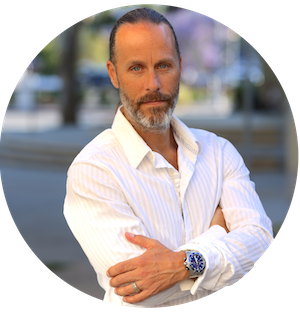
Kevin Anthony is a Certified Sexologist, Tantra Counselor, NLP Practitioner and a Sex, Love & Relationship coach. For over 10 years he has worked with men, women, and couples to have the relationships of their dreams, and the best sex of their lives! He is also the host of “The Love Lab Podcast”, creator of the popular YouTube channel Kevin Anthony Coaching, and creator of the popular online course series “Power and Mastery” as well as other online courses for both men and women.