Last Updated on November 18, 2024
What You’ll Learn In Episode 318:
Did you grow up with excellent role models on how to love and have great, happy, and lasting relationships? If you are like most of us, the answer to that is no. While our parents did their best, we all picked up patterns and behaviors that have not served us or our relationships. In this episode of The Love Lab Podcast, Kevin Anthony talks with the founder of Relearn Love, Eri Kardos about how we learned to love, why we need to relearn how to love, and her 4 C’s approach to relearning love and creating the relationships you have always wanted.
Links From Today’s Show:
To Find Out More About Eri, Click The Link Below:
🔥 POWER & MASTERY 3.0 IS HERE!
The most complete men’s Sexual Mastery Course is now even better. Solve ED and PE! Become a Sexual Master! To find out more go to https://www.powerandmastery.com
❤️ FREE EXCLUSIVE CONTENT
Check out my free library of content to help you improve your relationships and sex life! → https://www.kevinanthonycoaching.com/vault
💪 MEN’S SEXUALITY & MASCULINITY COACHING
If you are ready to make big changes and finally become the man you have always wanted to be, then the Ultimate Sexual Mastery Coaching For Men is for you → https://www.kevinanthonycoaching.com/sexual-mastery-coaching-men/
👉🏼 RELATIONSHIP & SEX COACHING FOR WOMEN
Do you want to get into the heads of men and learn how they think and what they want? Do you want to become an irresistible sex goddess? Then check out → https://www.kevinanthonycoaching.com/sex-coaching-couples/
👉🏼 RELATIONSHIP & SEX COACHING FOR COUPLES
Want to have the relationship of your dreams and the best sex of your life? The best way to get there is to work together! → https://www.kevinanthonycoaching.com/sex-coaching-couples/
👉🏼 OUR HAND-PICKED PRODUCTS FOR YOU
We have hand-selected some great products to help support your Health, Sex Life, and Relationship! Purchasing products from us and/or our affiliates helps support the work that we do and ensures we can continue to help as many people and couples as possible! → https://www.kevinanthonycoaching.com/products/
Kevin Anthony 0:05
Welcome to the Love Lab podcast, a safe and fun place to get real and learn about sex, whether you’re a man or woman, single or couple, this is the show for you. I am your host, Kevin Anthony, and I am here to guide you to go from good to amazing in the bedroom and your relationships.
All right. Welcome back to the Love Lab podcast. This is episode 318 and it is titled, How to relearn love. Sounds like a simple title. How? How complicated Could it really be? Probably the shortest title I’ve ever had on this show, but it really does encapsulate what we want to talk about today. So you know, those of you who are listening, I assume, because this is the case for most of us, you probably did not grow up learning how to love from people who were healed whole good examples of how to love. Most of you, much like myself, probably grew up in a dysfunctional family and did not have proper role models to teach you what good love actually looks like, what good relating actually looks like. And you know a lot of you are probably thinking, Well, that may be so, but you know, I’ve figured it out. I’ve learned it, you know.
And it’s like you probably don’t realize how much of the way you operate on a day-to-day basis, in everything, not just the way that you love, comes from those early years generally, like zero to seven or eight-ish, right where you are absorbing everything like a sponge and learning from your primary role models, your parents, you probably also spent, who knows how many years watching television shows and movies that all depict love, and I can honestly say almost every single one of them is dysfunctional. As a relationship coach it kind of ruins a lot of movies and things for me, you know, because I watch it, I’m just like, Oh, come on, what are you doing? You know, it drives me insane. Most people probably watch that stuff and they’re entertained by it. As a coach, it drives me crazy because all I see are the bad examples of what it means to be in love.
So we’re gonna unpack that today. I have a guest today who’s gonna help with that, and we’re really gonna talk about, what does it really mean to love, how do we do that in a healthy way, and how do we relearn some of these things that we learn? We’ll probably unlearn them first and then relearn some new ones. So that is what we’re talking about on the show today.
Before we get there, however, a short word from my sponsor, Power and Mastery 3.0. Power and Mastery, 3.0 is the latest version of the popular men’s sexual mastery course. If you are struggling with erectile dysfunction, premature ejaculation, or simply want to increase your skills in the bedroom, then power and mastery is for you join the exclusive club of men who have taken their sexual performance into their own hands and become sexual masters. Mastering your sexuality is a key component to becoming the man she has always dreamt of and craves. Don’t leave your sexual performance up to chance or the throw of the dice. Become a sexual master today by going to powerandmastery.com and joining the exclusive club of men who have taken their destiny into their own hands, that’s powerandmastery.com.
Okay, my guest today is Eri Cardos. She is the founder of relearn love, hence the title. Her mission is to help leaders experience ease with love and relationships for more fun and fulfilling connections. She works with clients across six continents, ranging from top executives and Hollywood celebrities to ordinary people living extraordinary lives. Ari is the author of the best-selling book Relationship Agreement, a simple and effective guide for strengthening communication, reducing conflict, and increasing intimacy to design your ideal relationship. She lives in Bali, Indonesia, with her husband and two children. So welcome to the show Eri.
Eri Kardos 4:08
Thank you so much, Kevin, it’s a pleasure to be here today.
Kevin Anthony 4:12
We planned this months ago. I am really excited to finally have you here. You know, I have interviewed people who were in Bali before, but the time difference makes it really challenging to coordinate.
Eri Kardos 4:29
Yeah, so it just happens that it’s perfect timing now. I’ve been on a speaking tour back in the United States and you are on my last day, this is awesome.
Kevin Anthony 4:38
All right, hopefully you’ve still got plenty of energy left for this one. I’m sure you’ve been talking your little heart out for weeks now.
Eri Kardos 4:47
Months now.
Kevin Anthony 4:50
Okay, so let’s just dive in with some questions. We got to start way back in the beginning. I kind of already talked about this a little bit in the intro, but I’m curious to hear your take on it. So basically, the question is, why would somebody need to relearn love?
Eri Kardos 5:07
I love that. And you did. You did such a great job. I was like, oh, man, he’s got this. I’m just gonna let you run with a whole explanation of you know, where do we learn love? And I think everything you said in the intro was beautiful. And I would just add on top of that, that modeling that we received from our parents, which I really believe that our caregivers did the best they could with the tools they had, it just wasn’t what we have now, what we have access to now. We didn’t they didn’t learn the skills they didn’t learn from the research that we have of what is actually possible and what works and what doesn’t work, and they were probably repeating what their parents did and what their parents did and what their parents did. So a lot of this is intergenerational crap. I’ll say that’s been passed down, and we don’t even think about it. We’re not aware of it.
And then we go to school and we don’t learn anything helpful there, even around communication or what to do with big emotions. These are important aspects of learning how to love and be in a relationship with other humans. So as much as many of us think we’re evolved, I think you really touched on it, there’s something ingrained in us from such an early age that if we allow ourselves to be vulnerable and really look at Hey, I wonder, what if we I wonder what’s there, and get really curious. I wonder if there’s a better way of doing things, if the story that I hold about how to fight or how to communicate or how to connect intimately with my partner, maybe that story is not the most effective story, and I can explore other options and let that go and find something new. I think so much more is possible. I think everything is possible when we make those types of choices.
Kevin Anthony 6:44
Yeah, and, you know, I didn’t want to imply that your parents were bad parents, so thank you for pointing that out, because the reality of it is, they were doing the best they could with the tools they had, and they didn’t have a lot of tools because they didn’t learn them from their parents, who didn’t learn them from their parents and so you know, it’s not so much that we’re here to bash them however. You know, there are lots of things that we quote, unquote, learn, that we think we know because we just do them every single day, but we never really learned them properly. I don’t know if you’ve done any work in, you know, like, say, breath work, right? Breathwork is really popular these days, is why I bring it up as an example. But like, everybody thinks, of course, I know how to breathe. I wouldn’t be here if I didn’t know how to breathe, right? But then you go take a breathwork workshop, and you’re like, oh shit, I’ve been breathing the wrong way the whole time.
Here’s another perfect one, walking. Go to a public place. Go to like, you know, I live by the beach, right? So just go down to the beach. Sit down on a bench and watch people walk by. And if you know anything about anatomy and physiology, you can pick out every single thing wrong that everybody’s doing. Like, oh my god. They’re gonna destroy their back, their hips are completely out right, but they don’t know that any of that is wrong, because they take it for granted. Because you learn how to walk when you’re like what and love is the same way, right? We take it for granted because we just think we know how to do it, yet we were never really taught how to do it properly, and that is what we want to sort of dig into here today. So before we talk about how to do it properly, we have a few more things we got to get into here. So aside from what we’ve already talked about, what would be some of the benefits of relearning love? So if somebody’s like, I think my relationships are pretty good. Like, I do an okay job. Like, why would I really want to try this?
Eri Kardos 8:44
Yeah, great. So number one, I love you’re starting with the proactive person or who’s, like, a little bit a little bit curious, but not a bad spot. I think most people come to me when they’re in the like, the divorce word is about to be dropped, right? And, like, that’s the point where I don’t want people to get to right? There’s so much we can do now just by tuning and asking these questions, like, what could I get out of this? Like, everything’s okay, or it’s even good, but how can I make it even better? And I think that one of the things you were touching on earlier, of you know, if we just knew how to breathe properly, if we just knew how to walk properly, we would save ourselves so much pain, we would be able to live a more fulfilling life, right?
And when it comes to love, it’s the same thing. I would say it’s even more complicated, though, because you’re adding someone else who has a totally different family of origin, a totally different history, a totally different set of stories and perceptions and expectations when it comes to this. So when we’re looking at how like why would I want to relearn love? I would say number one, it opens up so many new opportunities for connection they didn’t even know you were missing. And it can bring in this playfulness and this fun that is going to stimulate parts of you that you’ve maybe put away since. Childhood, or maybe you didn’t even get to experience a childhood because you needed to grow up so quickly. You know, we have a lot of really tough messages we receive as kids, especially on like, being a big boy or big girl, you know, and like, don’t cry and don’t feel this thing and be happy all the time. So I think that when we get to tap into that child, like part of ourselves that couldn’t quite be a child, it can be extremely healing.
Plus, how about you get to learn awesome communication skills that have a ripple effect? Not only can you use them with your significant other, but they make life easier with your kids and your colleagues and your community, which is really lovely when things just flow. And I think for me, one of the big things that I personally appreciate when I started reliving How I love is I didn’t know that I was carrying so much, I didn’t know that I was holding so much stress, or holding so much in that feeling of walking on eggshells. I had been living it, but had been so normal and had been modeled in my family growing up, that didn’t even recognize that there was a different way of being right. So you don’t even know what you don’t know until all of a sudden you know how to breathe and you just feel this freedom and this safety and this relaxation you don’t even know how to really love until you can relax into it and feel so confident and trusting that say, Oh, I know this is possible. So much is possible.
Kevin Anthony 11:24
Yeah, absolutely. And I like that you made the distinction. I did use the example of somebody who maybe thinks that things are going okay. And I did that for a reason. And the reason is you said a lot of people show up to you when you know the D word is already being thrown out, and not the good D word, the bad D word divorce. And you know, so for those people, they’ve pretty much hit rock bottom, or they’re close to rock bottom, so they understand that something needs to happen. I was hoping that with this podcast, we could reach people before they get to that point.
Eri Kardos 12:03
Please. It’s so worth it. You’re gonna love it. So good. You know, I’ve worked with a handful of really proactive couples in my and singles in my day, or just been like, I want to do this. I want to learn this now because I’m tired of repeating patterns or I just don’t even want to go there. How cool would it be to not have to go there and learn from someone else ahead of time? Those are the most fun people to work with because they’re like a sponge. They’re like, Oh, I could just try this. Oh my gosh. I didn’t know that was so easy. Because you’re not in survival mode already, right? You’re not You’re not already holding on to all the resentment and the grudges and all of that. So yes, if you are tuning in and you’re like, well, things are okay. Listen to this podcast. Really focus closely.
Kevin Anthony 12:46
And it will be a whole lot easier to fix things now, before they get really bad than it will be to try to fix it later. You know it’s like, if you, if you want to just use a different example, and you want to say, like, Okay, you could start to get healthy and fit now and learn how to exercise, or you can wait until you have a heart attack and quadruple bypass surgery and then try to figure it out. Which one do you think is going to be easier to do?
Eri Kardos 13:12
Yes, but we’re so resistant to change. And I just want to also say that I think a lot of people believe that there has to be drastic change. Like, oh, I have to change everything. I’ll use your example, but I have to change everything I eat and have to change like, what do I wake up, and I have to make hours in my day to go to the gym. And it’s like, we get these big stories that overwhelm us when if we’re being proactive, every small change, every like, Oh, how I stand with my bone stacked while I’m brushing my teeth. It’s a small thing, but that small change is going to influence the rest of your life, right? And how much health you get out of that same thing with love, if you have the spaciousness now, it doesn’t have to be like, Oh, now we have to go on dates every night, and I have to read 800 books and I need to get at three therapists.
It’s like, no, no, we can start small, and we can have fun with it, and it can just be maybe enhancing your date night. And then what you’re doing on a date night so you’re not repeating the same types of things that aren’t going to lead to connection. Or it’s giving you one little tool for how you communicate what feelings are present, or even knowing what feelings are present, right? So these small things will have such a huge impact without having to consume your life. Man, I work with a lot of busy parents and executives. It’s like, we don’t spend hours and hours every day doing this. We want everything to be to the point and impactful, so that you can continue living your life, but living your life to the fullest.
Kevin Anthony 14:43
Yeah, you know, one of the bad examples that people learn from things like TV and movies is you see this in practically, I mean, for sure, every rom-com ever made, but basically, there’s, like, a whole bunch of bad behavior and dysfunctional relationship shit happening, and then. In the end, there’s one giant, grand gesture that fixes everything, right? And so people think they have to do something really big in order to get things on track. And what is the real secret? And I’m sure you will agree with me on this, the real secret is the little things that you do day in and day out that really make the difference in the relationship. So like you’re saying, You don’t have to put in hours a day to do these giant, grand gestures and things. You just have to do little things all the time consistently to nurture your relationship.
Eri Kardos 15:32
Yes, yes, exactly, exactly. And this is the time like, no. There’s no better time than right now. So if you have even a little bit of curiosity, then this is the perfect place to begin.
Kevin Anthony 15:46
Absolutely. So there’s something that came up in the pre-interview call and something I just wanted to talk about here. It’s obviously relevant, although slightly an aside from what we were just talking about, and that is, you know, a lot of people look around at their friends or their family or whatever, and they think that everybody else has a great relationship, yes, so then they start comparing themselves to this image that they see out there. And you and I were both kind of laughing about it, because, you know, like we do this for a living, and we were like, that’s really not the case. I’m wondering if you could talk about that a little bit about the perception that you might see versus the reality.
Eri Kardos 16:30
Happy to. So when I’m so I teach all over the world, one of my favorite questions to ask people in my workshops is, I want you to pause and think about how many happy, healthy long-term couples you know, happy healthy long term, however, you want to find that if you make your own criteria, but it can’t be a celebrity, you have to actually know them, or you know the celebrity, whatever it may be. But what blows my mind is that at the end of like, 30 seconds or so, I’ll just start with, okay? Please raise your hand if you know 10 or more, happy, healthy, long-term couples. Maybe I’ll get 1% of the class. Maybe I’ll just drop down to five, five or more. Maybe I’ll get another one or 2% of the class.
Okay, but about 43210, couples, and every single class I’ve taught around the world, no matter the demographic, no matter location, when the truth comes out, it’s about 95% of people know between zero and three, happy, healthy, long-term couples. Wow, that’s not a lot. That’s not a lot. And it’s like we think that everyone else is doing, quote, unquote, doing it right. You know, by the same time, we don’t actually have good models, and we’re all struggling in some way. We’re all human, and we’re all learning new ways of connecting. We all have our own baggage. We all have our own trauma, and it shows up, but there’s so much shame that’s put on us around getting support.
Now I look at, you know, if I Kevin, if I said, Okay, I’m going to open a business and I’m gonna hire a business coach, you’d be like, Yeah, that’s great. You’re gonna learn how to, like, make money faster, and how to set up all the systems that work, you know? And like, great. If I said, Kevin, I’m gonna learn how to play tennis. I’m hiring a tennis coach. Like, awesome, Ari, right? Then you’re gonna learn the proper form so you don’t hurt your shoulder. You’re not gonna go back and, like, redo it again years later after doing it wrong for so long. You’re gonna have such a smooth spin well, and be playing higher levels so much faster. Yeah, that makes sense. But if I say, Hey, Kevin, I hired a relationship coach or therapist, most people are like, Oh, I’m so sorry.
Kevin Anthony 18:52
That is so true. It really is. And, this conversation comes up every single time I have another coach on, right? Because we all go through the same thing. It’s like people will hire a coach for everything. They’ll hire a personal trainer, you know, they’ll hire somebody for everything. But when it comes to, literally, in my mind, one of the most important things in life, which is your intimate, personal relationship, people are just like, Ah, I don’t know. It’s a lot of money. It’s really hard, you know.
Eri Kardos 19:23
And they don’t understand how this impacts everything, everything you do. I mean, I it was just recently speaking at Microsoft, and I asked all the leaders. I said, you know, okay, who here has ever caught themselves checking their phone in the middle of a board meeting because you were thinking about the fight you had on your significant other the night before? Every hand, everything right? Everyone’s been there. We’re human. It doesn’t matter what we do for a living. It’s like we are still the matters of heart impact us, and that’s one of the main reasons I left Anne. Amazon was to go be doing this work because I noticed I could impact the boardroom through the bedroom. When people have healthy, fulfilling, smooth connections at home, they bring that energy into their office. They’re more effective leaders. They have more focus and more drive. So imagine that’s for everyone. What if you could show up as a better parent? What if you could show up as a better community member? Whatever your thing is, the way you are at home has a huge impact on what you’re able to do in this world, and if we learn how to harness that and really enjoy it and get the most out of it with the deepest connection, so good.
Kevin Anthony 20:40
Absolutely. That is another topic that always comes up when I have other coaches or people who do this work, which is the impact that fixing your relationship will have on the rest of your life and all the other areas. It’s something that I’m always teaching my clients. It’s like your sex and your love life are not separate parts of you from everything else, it’s all integrated into one, and they all affect each other. And so by fixing problems that you have in one, you will likely see other areas improve as well. And I just I love hearing that from other coaches, because, you know my goal, one of my big goals, I have a few goals with this show, but one of my big goals with this show is for other people who do the same thing I do, to come on and share these types of ideas, because I don’t want people to just go, that’s what Kevin thinks. Well, that’s Kevin’s idea, right?
No, I want you to understand that these are universal ideas, and the more times you hear them from more different people from various places of the world walks of life, whatever, maybe, maybe it will start to sink in a little bit, and it’s not just crazy. Kevin, right? So, I’m glad that you brought that part up. Okay, so I think we did a pretty good idea of getting people to understand why they would want to embark on a journey of relearning love how they may have gotten off track through no fault of their own right, and what the benefits would be if they actually try to go out and find better ways to show up in their relationship. So let’s talk a little bit now about some of the behaviors. We want to talk a little bit more specifically. So my question is, what are some examples of behaviors that people learn about love that are not working and probably need to be relearned?
Eri Kardos 22:31
Ooh, yeah, there’s lots.
Kevin Anthony 22:34
Oh, I know. Share some of your top ones.
Eri Kardos 22:38
Yeah, I would say, wow. I’m like, I want to go. I want to, like, hear yours too. I’d say some of the top ones that I see, just even starting at the beginning of believing their version of reality is the truth. I’m going to say the truth. Like believing it’s the only way that one already, like, if you are stuck in the judgment of some way, you are judging a person, or you’re feeling judged all the time, both of these are keeping you stuck. And if you can’t move beyond that place, you know then, then how much is possible at that place? So having curiosity is going to be super, super important. So the flip side of that these bad behaviors, bad, I don’t say bad, these learned behaviors that usually don’t serve us. If you just believe in your story a little too much, like believing that’s the truth.
Also, I’d say the big one that I see is how people handle conflict, a huge one, until they handle conflict, right? And like, we all have our trauma doesn’t have to be extremely dramatic trauma from the past. We all have trauma in some form growing up. And I’ll just say that, yeah, the way I speak about trauma is there’s capital T trauma, of like, something really bad did happen to you? This is war and rape and things like this. And then there’s also lowercase t trauma that I speak about, where it could have been something really, you know, unintentional that happened like you were an infant laying in your crib. Your mom was walking towards you to pick you up because you were crying, but then the doorbell rang, and because of the context, she made a decision to get the door first and then come back for you, but all you saw was her walking away from you in your moment of need, and you didn’t have the context, you didn’t have the tools, right?
And that causes this trauma on our bodies and our nervous system. So we all have it, and it’s not like it was intentionally put there, but we all have it. So we are so oftentimes living life and reacting to these trauma responses, right? And so one of the big things I see is people believing that this is it, like I I just, this is who I am. I have to go into fight, flight, freeze, fawning, fawning, being like people pleasing. And that’s just how I operate, right? And there’s no other way or that I. It’s not safe for me to be myself. I or I can’t be free and be in a relationship, right? All of these stories that we get really keep us locked in and the way we handle them only feeds the fire for keeping us stuck.
Kevin Anthony 25:14
Yeah, I like how you brought up the small t dramas, as you call them. I just had a woman on the show, Christina Rasmussen. I don’t know if you’ve heard of her or not. She’s an author, and she wrote a book recently called Hidden Loss. And I think hidden loss or invisible loss, it was one of those too. Anyway, that is the terminology that she uses to describe that exact thing, those small things that happen that you would never think our actual trauma, if you went to a therapist, most therapists would not say that your mom answered the door instead of picking you up was a trauma, but they actually are, indeed traumas that impact us. And those things can build up over time and a lot of years, and they start, they start influencing, if not directing our behavior patterns, and we are generally completely unaware that these programs are running in the background, but yet they have a profound influence. So So much so, yeah, I love that you brought that point up. Any others that you want to share, as far as you know, patterns or behaviors that people tend to do, that you see often that are not serving them.
Eri Kardos 26:24
There are so many. And I feel like I’m gonna, when we start talking about reader and love, I think I’m gonna like be naming some more too. But give me what are some of your tops.
Kevin Anthony 26:32
I would add to what you’ve already said, communication. The way I witness couples communicating with each other. Sometimes I’m just like, you, you what? You can’t say that. Like, I mean, I don’t react that way, you know, when I’m coaching somebody, I’m very calm and I’m like, Okay, well, do you think there may have been a better way? You’ve got it, you know, but, in my mind, I’m thinking, Oh, my God, where did you learn that? You know, there’s always this idea of treating people the way that you want to be treated, right? And so sometimes when you turn it back around and you say, how would you like it if your partner said that to you? And it’s like a deer in the headlights moment. I never thought about it that way, right?
Eri Kardos 27:24
Yeah, and not even communication is so huge, and the way we say things is so impactful, and starting to be aware of the situation and the context of how we say things, or how we either force somebody into a conversation or we invite them in is very different, right? I remember one client coming in and being like, I told my partner all the important stuff that was on my heart, and like, I finally made that request that I needed to make. Like, I, you know, I did it, and I was like, awesome. And he’s like, and she just kind of ignored me, and I felt like, shut me down and like, wow. Okay, well, like, he described the situation to me, like, how did you tell her? Like, what was going on? He’s like, Well, she was in the kitchen, cooking, and she had her back to me, and she was cutting the vegetable.
It’s like, there was no connection already, as he’s sharing this vulnerable thing, she was already, like, she just wasn’t brought into having a vulnerable conversation where she was giving a full presence. So it’s all these little things we get to learn of Wow, how can I create the environment that’s going to be so it’s going to make things so much easier to get what I want and to feel seen and feel heard and feel loved. That’s what we want. We want to feel seen, heard, and loved, and we can give that to ourselves and to our partner, but there are little tips and tricks that are gonna make it way easier to do that.
Kevin Anthony 28:46
Yeah, in addition to communication, I would also add, you know, I kind of mentioned it earlier, but, you know, a lot of times, and this is especially true for men, less true for women, I think. But you know, where we will kind of just put the relationship on autopilot and think everything’s just great, you know, until something goes wrong, and then we try to, like, catch up and make up for it. I gotta buy her flowers. She’s pissed at me for something, right? It’s another big thing I see is like, No, you gotta nurture it. You gotta do the small things. And part of that is yet another thing I would add to that, which is the awareness to be paying attention all the time to what’s happening. Like, I’ll give you an example from my own life. So I don’t know if we talked about this or not, but, you know, I was married. My wife passed away, so now I’m like, back in the world of, like, dating, which is not necessarily my favorite thing to be doing, but I’ve been, I’ve been, I’ve been dating this really wonderful woman, and she’s away right now, and she’s going into a workshop for a week. And so I know that that today she’s actually going to be like, dropping into the work the workshop.
And so I just sent her a message, and I said, Hey, I know that you’re going into a workshop, and I don’t know you know how. Free time you’ll have. I know, usually, whenever one of us is traveling, we talk every day. I’m like, what level of communication would you like? Why do you want the space to just drop in? And you know, you’ll, you’ll reach out to me when you come out of the space. Do you still want to have, you know, our normal daily conversations, like, what do you need in this moment, right? And that’s just one example of the awareness and a lot of men will just go, she’s in a workshop. I’ll talk to her when she’s done, right, you know? And then the entire time she’s in that, she can’t focus, because she’s like, how come he isn’t texting me? How come he didn’t send me a message? He does? He not care, right? You know? Yeah, little things like that. Just Moments of Awareness. What does your partner need or want? It’s really not that complicated. A lot of times men are like, Oh, this is so hard. I got to think about so many things. What am I going to do? And it’s not that hard.
Eri Kardos 30:52
It’s not that hard, especially if you get on the same page early right then, then you don’t have to do all that cleanup later on, because you’re already on the same page and you have your operating as a team. And I think that’s so beautiful that you could invite her into that with curiosity and just say, like, what? What is your desire? You’ve got this big thing going on and from there, you guys had a game plan, so you could both relax into knowing what this week is going to look like for you, which is amazing. I love that. So yay. Kudos. Cheers.
Kevin Anthony 31:22
Thank you. Thank you. You know, I’m not trying. I sometimes hesitate to bring up examples from my own life, because I don’t want people to be like, Oh yeah, well, you’re the coach bragging about blah, blah, blah. I’m just, no. It’s just, it’s real for me, and it’s something that literally happened this morning, and I just thought it was relevant.
Eri Kardos 31:38
And for anybody who is tuning in who had that thought, let me just say, on behalf of all coaches, we mess up a lot. We have an equal number of stories of things we’ve done poorly right, and sometimes we get it right and it’s beautiful, and sometimes things are still messy and human, and that’s okay.
Kevin Anthony 31:57
Absolutely for sure. I did a whole episode one time on this show called sex party fails, and it was just all my personal stories of how things just went horribly wrong.
Eri Kardos 32:14
Wrong or awkward or like, it makes a great story later.
Kevin Anthony 32:20
In the moment. Not so great, yeah. And you’re right. We make mistakes too. Okay, we are about halfway through the show. I needed to pause for another break when we come back. I really want to talk about your approach, and the tools that you use. I want to talk a little bit about the four C’s. Basically. We’re going to get into sort of the nuts and bolts of how do you relearn love, right?
But before we do that, all right, are you a couple? Are your relationship and sex life where you want them to be? Are there changes you would like to make, but just don’t know how maybe you think there is nothing that can be done if you’re not 100% happy with where your relationship or sex life is, then get help today and change your life. Go to https://www.kevinanthonycoaching.com/sex-coaching-couples/ and schedule a strategy call with me today so we can map out a strategy to get you where you want to be so you can have it all your way. That is https://www.kevinanthonycoaching.com/sex-coaching-couples. Don’t worry about the long link. It’s in the description. All you gotta do is click on it. It’s easy. Book a strategy call today. So if you’re interested in working with me. This is, this is my couple’s coaching program where you can hire me.
I would also suggest if you really, and you know, we’re going to give Eri some time at the end to talk about her programs, but if you like what she’s saying and you resonate with her, go hire her. I don’t really care who you hire. I just care that you hire somebody and that you get your relationship back on track, because the more people that have harmonious relationships in this world, the better this world is overall. So hire whoever you resonate with and whoever you think is going to work for you. I get it. I’m not going to work for everybody like I have my way of doing things, and that may not work for you, right? So find somebody that does okay? So let’s talk about you. You have your way of doing things, which is, you know, basically how to relearn love. Hence the title. Let’s talk a little bit about your approach. How do you help people relearn love?
Eri Kardos 34:24
Yeah, so thank you. So I’ve created something called the relearn love model, and it’s basically, you mentioned it just a moment ago. It’s 4c very easy. It sounds very easy, and it’s, there’s a lot of nuance to it, but I’ll walk you through high-level what they are. And the first, we’ve already talked about a little bit. The first one is just getting curious, because there are a lot of people out there who don’t ever get curious. And I’m guessing it’s not the listeners to this podcast. You’re already doing it. You’re like, Aha, yes, I’m getting curious. They’re like, Well, don’t I know many people, especially people in corporate America, who have been together for. Long time, or they just like they’re very comfortable with going to work, coming home, getting dinner, watching Netflix, and going to sleep, and that’s their relationship.
And at some point in time, if that doesn’t feel like that’s serving you and you want something deeper, you have to get curious. You have to start asking the right questions, and not just getting curious about how your partner could change, but about what you can shift and what you can be in control of and play with if it doesn’t feel right, right? And so I mentioned a thing about judgment earlier. Some people are like, when do I get curious? And I find that judgment is a really easy place to notice for a lot of folks. So if you notice the story of they always do that, or this is how things are, that judgment outward or feeling judged by the other person, of like, oh, they they’re always saying this about me, or they don’t like this thing. Or, you know, this doesn’t work, either of those. That’s a really great signal that it’s time to get curious of what else is possible. And from there, once we have this open curiosity in the beginning, then we get to move into what I call cultivating knowledge.
Cultivating knowledge is when we get to actually learn. It’s more of a cerebral thing, right? As we get to learn the tools that actually work. Again, our parents didn’t have these tools. They didn’t have access to as much information or research as we have now. And so this is where we get to really learn. This is where your podcast comes in. This is where you are tuning in right now. You’re already on a second C in some way. So it’s like, okay, here we are. We get to learn what are the awesome tools and resources out there that will really shift how I’m showing up. And in this, we have to a little bit careful because there’s a lot of misinformation out there too. So really, finding people who have been trained buying the right resources, find the right people who fit with you, as you just mentioned, Kevin, like, just because somebody has the name doctor doesn’t mean the right the right doctor for you, right? It’s like, okay, the same thing. These people want to help find the right person who will help you, who has some evidence of leading transformational change and helping people heal and using research-based tools. Right?
Kevin Anthony 37:07
Have you heard, have you heard this joke before? What do you call the doctor who graduated last in his medical school? Doctor.
Eri Kardos 37:17
This is one of my father’s favorite jokes.
Kevin Anthony 37:20
I use it all the time because people say, Well, I don’t know there are, there are certified this or that, or whatever. And so I go, Oh, yeah, what do you call doctor? Graduate lessons in medical school? And they look at you like, dear, I don’t know. Doctor, in other words, doesn’t matter what degrees you have. There are people in every industry out there that are really good at what they do, and really not good at what they do. So just because they have a bunch of letters after their name or before their name doesn’t necessarily mean they’re good at what they do. So find somebody that really knows what they’re doing.
Eri Kardos 37:55
And that you resonate with, right? Because I also know so many professionals who may be real, especially in the helping industry, right? So who may be really, really good at marketing and the business side of things, but they are really crappy healers and coaches and therapists, and then people who are really, really passionate and are most skilled in these healing modalities, they may suck at business and the marketing, so you don’t hear about them, right? And so it’s it on their side of that challenge of learning, growing in both brands, in both areas. And for you, it’s also looking for where are the people who are really doing the deep work, who I can trust and be vulnerable with, who will see me and I also just want to give a shout-out.
This is such your podcast is such an incredible resource for helping people find the right fit and for getting a chance to just hop on that free call with you and learn more about what it’s like to work with you and have that experience. If you’ve never done a discovery call with with a coach, but you felt called to do so like trust that instinct and just get on the call. It’s free and it’s gonna be you can discover so much. I do discovery calls with people, often, not just them calling me, like, I love that. It’s wonderful. We have those a lot. But I call other people just to learn, like, what are you up to and what’s possible? So I can refer people, right? There’s such an incredible network of resources at your fingertips now, so there’s no reason not to get support.
Kevin Anthony 39:23
Yeah, absolutely, you know, if you’ve done this for any length of time, which I know you have, it’s like you get on these discovery calls with people, and you ask them a couple of basic questions, and then you just let them talk. And in every single one, I can always pinpoint at least a couple of major things that are going on that they’re not aware of, that need to be addressed. I mean, just without fail, every time.
Eri Kardos 39:47
Y’all done it, we all got and you know, and for me, it’s so important that if I am telling people to get support, that I’m also getting support. So I work with an incredible therapist, an incredible relationship coach, too, because I can’t see what. It is my own right. We need the outside perspectives. It’s not a mark of shame or lack, it’s Wow. Somebody else gets to help provide the perspective that I just can’t see because I’m sitting here, right? And that’s been so incredible for my husband and I. He also does a bunch of cozy right? And together, we’ve got all the tools, tools for days. And sometimes, you know, sometimes we still need somebody else be like, ah, but you missed this very small thing.
Like, I remember this year we had a huge thing where, like, we’re using all the tools, but for some reason, for some reason, it wasn’t working. And then she’s like, he does, do you notice that he just did something? Did you catch what happened? And I’m like, No. And she’s like, Well, he did this tiny thing with his eye, super small thing. And she’s like, Jamin, do you even know what you did? And can you do it again? And we had to, like, pause and like, almost like we wanted to rewind the video and watch again. And sure enough, he did this small thing. And as soon as I my body saw him do it again, just reenacting it, I remembered my dad doing something just like that, and it’s like, um, we’ve missed that one for years. Cool. Now we know.
Kevin Anthony 41:10
Yeah, it’s always so much easier as a third party. And that’s the thing is, you know, we don’t want to blame people for not being able to see stuff, because it’s really hard to see it when it’s you.
Eri Kardos 41:20
So give yourself some grace and compassion. It’s okay. Yeah. So that’s the second C of just cultivating this knowledge. It’s really the right knowledge, the right fit for you, and you’re learning it. But what I see is a lot of people get stuck here. There’s, I’m a self-development junkie, and so it’s really fun. Like, Oh my gosh, I just read that book and listen to all the podcast episodes, and I, you know, like I did all the things and, you know, but how many of us have also then made some sort of commitment? Like I was so inspired by that podcast, I was so inspired by this homework assignment in the book that I read, I’m totally gonna do it, or I got this at the tantra retreat. So we’re gonna do a love bubble every day, you know, for the next month, and then day 11, you don’t even remember what it was you committed to.
So I think that this, this is the thing. It’s like, we love to, like be learning. It’s so super cool. But when it comes to, you know, rubber meets the road, it’s like that making the actual changes is one of the hardest things. And so that leads to the third C, which is to change. And this is where we take it out of our brains and bring it into our hearts and our bodies. This is more the somatic experience and saying, Wow, I’ve been doing it one way for decades, and intergenerationally for generations. It’s been going on for generations, probably this pattern. And so to shift from a pattern into a new practice. As my husband likes to say, is so difficult because this is where it’s so hard you have to do things that are against what you have been doing for so long, and it’s awkward. We don’t like to feel awkward.
Kevin Anthony 42:56
This is, this is a really interesting and important point that you’re bringing up about the change thing because one of the things that you will run into inevitably are the people who are like, I have read all the books, I’ve listened to, all the things I’ve been to, all the coaching things. Like, I know I’m I’ve made it. I’m here like i and then you’re in, you’re looking at them, you’re going, but there’s no real change that’s happened here. Like, intellectually, you got it all up here in your head, but like you said, where the rubber hits the road? Did you actually create change? Because at the end of the day, that’s what’s most important. Did you actually create change? And a lot of times people think they’ve created change, but they haven’t actually created change. And one of the reasons is because change is really hard, and you, you know, I mentioned Christina before. You know, she, the way, the terminology that she uses, it’s just fresh in my mind, because I’ve just finished reading her book.
But, you know, she uses terms like the survivor self, right? Oh, yes, which is, you know, I’m sure you’ve heard before what that’s, that’s, you know, the part of us that doesn’t want to change, because it has created these patterns in order to survive, right, in order to deal with the trauma, and it’s decided I’m going to operate this way, and then it feels like change might make you open and vulnerable to trauma again. And so there’s, there are these internal parts of you that are fighting against the change, right, that are subtly, or maybe not so subtly, self-sabotaging you and not allowing you to create the change that you really need to make
Eri Kardos 44:33
Exactly, exactly, and then add in another human, if you’re doing this together, it can be a recipe for success if you can both hold each other accountable and have that grace and that like humor of, hey, we’re making this. It’s a little awkward, like, it’s not gonna be perfect. We’re not gonna fight in a new way instantly, just because we have a script or because we heard that, there’s a great tool, right? It’s like we actually have to use it. That we actually have to lean in and move through that shift. And I think that’s the challenge for everyone, whether you’re single or in partnership, of can I really embrace the change and set myself up for success in that process and know that it’s okay that I’m going to mess up, it’s okay. We’re all human. We’re all going to mess up.
But how do we create that environment and choose to keep doing it until it becomes our new way of being right? I remember when Jamin and I got together, I was already a relationship coach, and when we started dating, I asked him, I said, Yeah, I have these three specific tools I really would like you to learn if we’re going to be in a relationship. And he agreed, and we, like, I didn’t, I also didn’t want to be as a coach, but I was like, I’m going to teach you these tools, but we can be on the same page, and then, like, you run with them when you’re ready. So I showed the tools. We sat, we practiced a couple times together, so we got kind of a flow. And I’m like, okay, when you feel like using them, and in the real world, he’s like, but no one talks like this. Like, yes, no one talks. And we went on for a couple of weeks, and, you know, we hit a few bumps, but he wouldn’t use the tool, like, he just would not use the tool.
And then one day, you know, he’s also a speaker, author coach, and he was flying back from Vegas. We were living in Seattle at the time, and I remember him calling me, and we got into some sort of TIFF. I don’t even know what it was about, but I was emotional, and I was getting triggered, and I was going into my trauma response, which then he was starting to go into his usual pattern, and for whatever reason, at that moment, he remembered, I have a tool for this, and he used the tool, and I went from like, screw you don’t even come home, you know, to like, all my walls collapsed and I just started crying. I could feel my vulnerable underbelly, and I’m like, I just actually really miss you. And so when he came home later that night, instead of a cold shoulder and me walking away from like welcome home. You know, it was me running to the door to see him and being in a deep embrace and just being instantly connected, because we had a way to navigate that situation, which could have been we could have interpreted it as hurtful, but it wasn’t actually. We’re just trying to get something. We couldn’t find a way to say what we needed. And as we’re holding each other. I remember him at the end. He was like, why doesn’t everyone talk like this? Why doesn’t everyone talk like this?
Kevin Anthony 47:30
Good question. I wanted to make one follow-up comment on something you said, and then we have one more C and then we’re getting like, right up to the end of the show? Yeah, I don’t want to go down this rabbit hole, but I just kind of want to mention it, because there is a portion of the audience that will appreciate this. You mentioned, like, Okay, we got our own stuff right, and then you bring in another person, and now you’ve got their stuff right. So you’ve got your stuff, their stuff, and then the stuff created between the two of you. So it’s almost it’s almost like three dynamics to manage well. And you know, you definitely know something about this. But then think about what happens if you introduce one more person to that.
Eri Kardos 48:16
Or two or more, right?
Kevin Anthony 48:18
But imagine even just one. I mean, yeah, two or more then, but it gets infinitely more complex, trying to navigate all of that,
Eri Kardos 48:25
Whether that’s another lover or whether that’s a child, or whether that’s a parent who’s come to live with you. It doesn’t matter. All these things, all these relationships just complicate, and they build on each other, and they make these webs. So just being really aware that when you learn how to communicate differently, when you learn how to love differently, when you learn how to create the freedom and safety to be yourself and still be loved and still love the others around you, this is when the magic happens, right? And it doesn’t have to be as complicated as it currently is.
Kevin Anthony 48:57
Indeed. Okay. So we got we got one last C we were just talking about change, and I know there’s one more. So tell us a little bit about that.
Eri Kardos 49:06
The last one is celebration. And this is so important. I mean, every tribal culture around the world has some way of celebrating the hero’s journey, right? Some way of celebrating the big milestones. And I would say in general, the Western culture really sucks at it. So true, we are forever on that you’re not good enough, and even after you achieve this big goal that you wanted, great. Now turn your sights to the next thing, because you got it going with that one, because you’re behind on that one. Now, right? And so it’s just never enough, never enough, and it never really lands. I mean, even if you’ve, I’m sure you’ve heard of the term relationship escalator. This is this idea that we are living, this idea that people just have to keep moving in this relationship escalator all the time. We have to, like, do the next thing and the next thing, next thing. And that’s what makes a relationship. It’s like, if I go to somebody’s wedding, somebody gets, you know, at their wedding, what’s the number one question? And the bride and groom are gonna hear, great, when are you having a baby? It’s like, we can’t just live in the moment of you’re getting married right now. This is amazing, right? It’s like, when’s the kid coming?
Kevin Anthony 50:14
Can’t we just enjoy a lot of great sex and full nights of sleep first?
Eri Kardos 50:20
Exactly. So we’re always pushing. They’re always like, not gonna so the celebration piece is super important because when you’ve gotten curious and you’ve learned the tools and you’ve cultivated that knowledge, and then you’ve actually made the changes that moment that Jamin used the tool and that he and I connected, we didn’t just say sweet. We did it one time. It was okay. We did it, you know, or even like, Hey, that was great. And then let it pass. We wanted to cement it into our nervous system, but this is the new way we’re going to operate from here on out. We’re going to keep doing this. We want to let that land, let it integrate, and then when it’s there, it makes it so much easier.
So guess what we did? We went out to celebrate. And there are lots of different nuances to how to celebrate in a way that will really land for you. It’s not usually just a high five and keep going. There’s more to it. And so we really took the time to use the tools for celebration. And one of those, which is a fun, easy one, is we just decided to go out and do something different. We went out to a restaurant that we hadn’t been to before, and we’re celebrating and pro tip, not always, but sometimes, when you tell restaurants you’re celebrating something, you’ll get a free dessert.
Kevin Anthony 51:32
Definitely a pro tip, especially if you’re like dessert.
Eri Kardos 51:35
If you like dessert, it’s great. So I mean, there’s just so much out there, and I think that when you learn these, when you learn the 4c of curiosity, cultivate knowledge, change, and then celebration, this is where your new way of being comes in. This is where you let go of the things you learned about love and relationships, and now you’ve relearned love, and you get to in this process, you learn how to be free, to be yourself and be safe, to be yourself and still be loved. And your partner gets the same so you feel both, feel seen, heard, loved, acknowledged. This is so important, and we get that. That’s the thing that most of us have been craving, that our parents probably didn’t do perfectly, and we can give that to ourselves and to our partners, and that is so healing.
And now you know, when we when we are going through these processes, and we learn we don’t hide them. So if we’re out to dinner and we have a little conflict come up, we know how to handle it in front of others, in front of our friends, you know, if it’s appropriate, so that they get to see how we do this quickly and with compassion and respect for each other. When we’re having a fight in front of our kids. You know, a fight, you know, it looks very different than we first got together, and now, like we will intentionally have these disagreements in front of our kids while they’re playing. We don’t just be like, come over and watch us right, like they’re doing their thing. We’re having our disagreement or our conflict, or navigating through it using tools because we’re also going to learn this right?
Where else are going to learn these skills? And then at the end, when everything we’ve done our repair, we invite them to come in, and we just say, Hey, did you notice anything or hear anything? How are you doing? Let’s check in. Is there anything that you need? And it’s incredible to hear how children interpret these things. And then I see them model it with each other. The two brothers, use it with each other at the ages of seven and nine. I’m like, yes, thank you. This is what I’m more of in the world. And I’ve seen them telling their friends about at school, what if it was accessible, not just for you, but you. Doing this work impacted your family, your community, and your colleagues. This is just so much bigger than you, and I want to encourage everyone, if not for you, then for the world, that relearning love is so essential.
Kevin Anthony 53:50
Thank you for being such a good role model to your friends, the people around you, and your children. Could you imagine? Because this is the first thing that I think of when I hear you talking about how you’re modeling this in front of your kids. Because we I started this show with the premise that we all learned, you know incorrectly, how to do this from our role models. And then when I hear that, I think, man, how much different would my life have been if I had had that role model, if somebody had shown me how to do that? How many of my early relationships, you know, from my late teen years to my early 20s to even in my 30s, would have been so much better and so much easier and had so much less conflict and trauma had I learned that stuff early on?
So, yeah, it can really have a profound impact. Yes. So thank you for doing that. Also, I love the fact that you bring in the celebration piece. My wife was amazing at this. She loved to create little celebrations for everything. And honestly, you know, like I was always more especially. Before she and I got together, you know, much more, like this sort of practical person, you know, and it came from an engineering background and stuff like that. So, so, you know, like, I just, I never really took the time to do that. And when she brought that into my life, it really, actually shifted a lot of things. It made life so much more enjoyable. Because for her, it was like, and you see, children do this all the time. Children will celebrate the silliest little thing, like, yeah, this was awesome, yeah, whatever. Just don’t bother me.
But she had that childlike ability to just celebrate stuff. And you realize if you do that frequently enough, it really does shift your mood on a regular basis. And the more you do that, the more you know those better moods tend to stay. But yeah, that’s it’s just such a cool part that I don’t really hear a lot of people talking about in the space, the celebration part. So I just wanted to, wanted to bring that up. Okay, we’ve covered the four C’s. You did a great job of laying out the framework of how you take somebody through this journey. As you stated at the beginning of the show, there is a ton of nuance, and there are boxes of tools that are used throughout this process. And honestly, I mean, there’s just not enough time in an hour-long show to actually get into all of the tools there just isn’t but hopefully, the framework has piqued your interest enough that you might be willing to reach out to somebody and learn some of those tools. Do you have any last advice for the listeners before we wrap up?
Eri Kardos 56:40
I would just say stay curious tonight. That is such a powerful tool. If we keep returning to curiosity and gratitude, then those are those two things can heal so much in our lives. And so if you’re feeling any points of stickiness, especially on love and relationships, just knowing that it’s okay, it’s normal, it’s everyone’s got something, and that’s part of being human, and it doesn’t need to be something we run or hide from, but finding just this message that it is safe to go out and find help and support and to learn a whole new way of being, they’ll make your life so much more connected And easeful and fun. It’s gonna be awesome.
Kevin Anthony 57:22
Yes, yes, yes. Okay, so next, I would love for you to tell people how they can find out more about you and your work. And then I have one more question for you after that, sure,
Eri Kardos 57:35
Sure. Let’s do it. So the easiest way of finding me would be going to relearn love.com or on Instagram, which is Coach Eri Kardos. Can’t spell that, go to real learn love.com. The links will be below too, I’m sure. And there’s all sorts of things. There’s a free masterclass, one for singles, one for couples. There are some Do It Yourself programs, if you want to start with trying to on your own, which is great. There’s a whole program called Clash, Clash to calm, and it’s about how we navigate conflict. And there are so many wonderful things that will just change your perspective on what’s happening around fights.
There’s also a singles program that I run that’s launching the next cohort is launching in a couple weeks, which I’m very excited about. This is one of my favorite programs, and I have a book you can just go on Amazon or Kindle or audible and find relationship agreements on there, and then I also do a lot of speaking. So if you are like, wow, this is really cool, I wonder how I can bring this into an organization. I speak at a lot of universities and organizations to help leaders have more effective communication, which is so important. So whatever way feels right for you, starting with the free masterclass, listening to an audiobook, whatever it may be, just sending me a ping and saying, hey Ari, like something came up for me in that podcast. Great. I would love to hear you and reply. And on Instagram, you’ll get lots of my little tidbits and things. And once you’re on my newsletter, I’ll send you lots more. So that’s a joy to connect with you however that is the best fit.
Kevin Anthony 59:02
All right. And of course, that link will be in the description as well, so go check that out. Okay, the last question, I know my listeners already know what question I’m going to ask because it’s a question I ask everybody that comes on the show. You may also be aware of it, but is, what is your best sexual talent?
Eri Kardos 59:23
You know, like I have a few that I’m very proud of.
Kevin Anthony 59:29
Well, we can go over a few minutes, if you need to.
Eri Kardos 59:33
I will say this, I used to teach. I got I was getting such rave reviews on how I give blow jobs that at one point, I just started teaching a class on it, and I still am very proud of my technique, which I can’t claim as my own. I learned it at one point in my life, I ran a youth hostel. If you are not familiar with that, it’s like a hotel for cheap travelers like. Sleeping in bunk bed style rooms. I had one woman passing through who I became good friends with, and her job was, that she was a professional blow job artist in Tokyo, Japan, and she had really mastered the art of giving an effective, pleasurable blow job. And I was like, tell me. And I was on a metro in Boston at that point in my life, a long time ago, and her using a banana to demonstrate on the metro, how, with this technology, phenomenal like and still this day, I’ve done lots of, you know, sex classes and retreats and all the things. I still think that her technique is one of my absolute favorites. So that would be one of them.
And then I would just say one more is creating safety. Like I love helping people feel safe to be themselves. And I think that it’s like setting the scene for deep connection is something that most of us didn’t learn. And that’s one of my superpowers, is, how do I help all of us, whether it’s just you know me and my husband, or whether it’s another experience together with other folks? How do we create a safe space so that we can just relax into the beauty, the passion, the sensuality, the whatever, whatever is about to arise and not be caught up in our heads? And I think most of us really struggle with that.
Kevin Anthony 1:01:26
So those are both wonderful skills. If I had to pick one as being more important, I would say, obviously, creating a safe space is the best, you know, most important skill. However, ladies who are listening do not undervalue a good blow job, because for us men, there is something about it that is so de-stressing, so relaxing as well as stimulating, that this just it like we can come home from a hard day, stressful in the in the, you know, out there in the crazy dog eat dog world, and that will just shift our entire mood and perspective. It’s actually a very powerful tool, very powerful tool. All right. Larry, thank you so much for coming on the show and sharing your wisdom. I hope that the listeners got some good value out of it.
Eri Kardos 1:02:18
Such a pleasure. Thank you, Kevin, thank you everyone for tuning in and listening to this.
Kevin Anthony 1:02:22
All right, everybody. That’s all the time that I have for this episode, and I will see you next week.
I hope you liked this episode of the Love Lab podcast. If you enjoyed this show, subscribe, leave us a review, and share it with your friends, and for more free exclusive content, join me in the passion vault at https://www.kevinanthonycoaching.com/vault/. That’s https://www.kevinanthonycoaching.com/vault/. Thanks for listening. And remember, as Celine used to say, you’re amazing!
We hope you liked this episode of The Love Lab Podcast. If you enjoyed this show, leave a comment and share it with your friends.
RATE & REVIEW THE LOVE LAB PODCAST
—> LEAVE A 5-STAR REVIEW ON APPLE PODCAST
ASK A QUESTION FOR THE NEXT EPISODE
—> Click here to leave a message directly to Kevin and Céline to be answered on the air.
Thanks for listening and remember you are amazing.
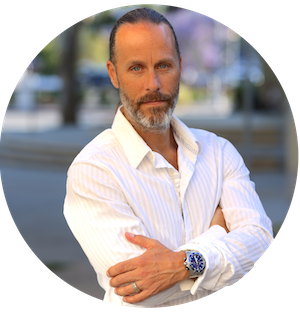
Kevin Anthony is a Certified Sexologist, Tantra Counselor, NLP Practitioner and a Sex, Love & Relationship coach. For over 10 years he has worked with men, women, and couples to have the relationships of their dreams, and the best sex of their lives! He is also the host of “The Love Lab Podcast”, creator of the popular YouTube channel Kevin Anthony Coaching, and creator of the popular online course series “Power and Mastery” as well as other online courses for both men and women.