Last Updated on November 18, 2024
What You’ll Learn In Episode 242:
How often do you and your partner fight? Do your fights blow up or are they resolved easily? Is it possible to have a fight-free and conflict-free relationship/marriage? In this episode, Kevin Anthony speaks with author, speaker, and life and relationship coach Dr. Shawn Haywood. She opens up about her own experience with fighting that almost ended her marriage and how she and her husband were able to crack the code. If you are in a relationship, this is must-have knowledge.
Links From Today’s Show:
To Find More From Dr. Shawn Haywwod, Click The Links Below:
https://www.reimaginelove.com/
https://www.facebook.com/groups/ReimagineLove
Living For Love Book On Amazon
❤️ FREE EXCLUSIVE CONTENT ❤️ The Passion Vault → https://www.kevinanthonycoaching.com/vault
🔥 BECOME THE ULTIMATE SEXUAL ROCKSTAR 🔥
https://www.powerandmastery.com/sexual-mastery
👉🏼 MAKE HER WEAK AT THE KNEES
If you are ready to make big changes and finally become the man you have always wanted to be, then Unleash Your Inner Warrior Program is for you → https://www.kevinanthonycoaching.com/go/warrior
👉🏼 COUPLES COACHING WITH KEVIN ANTHONY
https://www.kevinanthonycoaching.com/sex-coaching-couples/
👉🏼 OUR HAND-PICKED PRODUCTS FOR YOU
We have hand-selected some great products to help support your Health, Sex Life, and Relationship! Purchasing products from us and/or our affiliates helps support the work that we do and ensures we can continue to help as many people and couples as possible! → https://www.kevinanthonycoaching.com/products/
Kevin Anthony 0:11
Welcome to the Love Lab podcast a safe place to get real about sex. Whether you’re a man or woman single or a couple, this is the show for you.
Céline Remy 0:20
We are your hosts Kevin Anthony and Céline Remy and we are here to guide you to go from good to amazing in the bedroom and beyond.
Kevin Anthony 0:28
Welcome back to the Love Lab podcast. This is episode 242. And it is titled How to have a conflict free fight free marriage with Dr. Shawn Haywood. So we are going to talk today about how you can have a well, just like the title said, conflict-free and fight-free marriage. And if you do counseling work for any amount of time, and you really work with couples, you start to see that not every couple is good at this. And what’s somewhat interesting to me about it is you know, Celine and I for you know the listeners who have followed us for a while. In all the years that we were together, we never had a single fight. I think we had about three times ever where we had disagreements that we were able to resolve relatively easily.
So, you know, people would always ask, well, how in the world did you manage to do that? And you know, yes, part of it is things that we learned skills that we learned, and part of it was just you know, who we were and how we chose to show up in relationship. But in this episode, what I really want to do is I want to share it not only my personal experience, but I also want to get like an expert, you know, opinions and stuff from Dr. Heywood, because I think these are skills that everybody that is in a relationship really should know. So, I think there’s a lot of value that we have to share in this episode. excited to get started.
But before we do a quick word from our sponsor, do you want to join the secret club of men who are great in bed, then check out power and mastery it is the most complete sexual mastery training for men. Whether you want to have harder erections that last longer, or increase your sexual skills, there is something for you at powerandmastery.com. Those of you who have listened to the show for a while know that powerandmastery.com is where we have our online men’s sexual mastery courses that Céline and I created. And they are amazing. I’ve been getting tons of great feedback. I mean, we’ve always gotten great feedback on them, but for some reason lately, they’ve just been taken off and people have really been finding them and sharing their success stories with me. So I’ve been really happy about that. Go check it out. Powerandmastery.com
Okay, so today we have Dr. Shawn Heywood on the show. Through deep devotion and commitment to her evolving spiritual path author, speaker, and life and relationship coach for 24 years, Sean Hayward Ph.D. continues to transform towards increasing unconditional love and joy for the whole of her life while teaching her clients and team to do the same so that their lives, marriages health and businesses can thrive in unimaginable ways. She provides a clear structure and framework for releasing struggle, anxiety, depression, loneliness, and the worry hurry and stress that show up in your daily life. So welcome, Dr. Heywood, to the show.
Shawn Haywood 3:31
Thank you so much. I’m so excited to be here. What a wonderful introduction.
Kevin Anthony 3:36
All right, so we just really have to dive right into this topic. And, you know, as I’m reading your bio, I’m realizing, oh, man, there’s like three more questions I should have put on the list here. But we’ll see if we get to them organically throughout the show. I want to start with, you know, listeners know that when I have guests on, I generally do pre-interviews. And so I learned things about people in the pre-interviews, which is the whole point right is like to establish a rapport, learn some things that would be interesting that maybe wouldn’t come out in the show on their own. And so the first question I have is, I’m wondering if you could tell the listeners about your own personal relationship experience and how that led to everything that you know, in that you’re working on today, because, in the pre-interview, some of that came out about how this wasn’t just stuff that you studied because you’re a PhD, but that you had real-life experiences that brought you to where you are now as well.
Shawn Haywood 4:32
Yeah, such a great question. Thank you for asking. So Chris and I have been together for 13 years. I have been married previously to my high school sweetheart. And when Chris and I first got married, we started to have which is almost 10 years now married. We started to have some pretty significant pieces of content. like that, we just we didn’t understand, we couldn’t figure out it didn’t make any sense. Like, why I was so angry and he was so shut down. And we really, really wanted our marriage to work, even though we weren’t sure that it was going to at the time. So, Chris and I looked really everywhere. I mean, we tried out a lot of like, traditional routes and things like that.
And something that I also hear from my clients is oftentimes one person in a coupleship feels like, they’re more to blame, right when they go to maybe a traditional therapist or a different coaching company. And so we did not feel great about that. It just, you know, one of us came out feeling beat up each time, and it was usually him, which didn’t feel good to either of us. And I was actually feeling protective that he was feeling so beat up, right? And so we, we just wanted to find a different way. And that different way ended up being an insane amount of research and creating our own programs. But at some point along the way, I just got this little, knowing that it was possible to live without fighting. Now, neither of us saw, you know, anything that was without conflict, or fighting growing up.
And so we had never really heard of that before. Now, when if you research that now, you’ll see some coaches out there that are teaching right go, just therapists that are saying you can have a conflict-free marriage, but at the time, we didn’t know anything about that. And so we really embarked on a journey that was not only to figure out our own marriage but to be able to do it better and serve people in a more loving way. You know, and we read so many things about learning to fight fair and pick your battles and all this stuff. And it just didn’t resonate with us. We were like, this is this isn’t my life partner. I’m not in the military here. I don’t want to pick a battle. I don’t want to fight fair. I don’t, I just don’t want to fight. I don’t want that to be a thing in our lives. And Chris was totally on board with that. So yeah, so we really just jumped on what would take about three years for us to learn how to be conflict free, fight-free. And you know, we are, we’re going into our Gosh, several years now without it, and it’s, it’s frickin magical. And in the end, what really happened is that we, we learned to outgrow it then that was really the beautiful, beautiful part.
Kevin Anthony 7:41
Yeah, so there are several things there that you share that I want to come back to. And the first one is, you know, I don’t know, I don’t know, if you were already a Ph.D., if you’re already doing this type of stuff, you know, in the beginning, but the point I kind of wanted to make to people is that you know, even PhDs in, you know, psychology struggle with these things. And so I want people to understand that, like, if you’re having these challenges, it’s normal, like lots of people struggle with it, even people who are supposedly experts struggle in this area. So you’re not alone. Right? Yeah. And everybody needs to learn tools in order to, to, you know, figure out how to deal with that.
But you know, another interesting thing, speaking of learning tools, is that I was having this conversation with a friend the other day, and, and it came up, you know, this whole what I said at the beginning of the show, which was, you know, in seven years of us being together that Céline, and I never had an argument and the, the friend I was talking to was like, Well, I’ve never experienced that I’ve kind of just resigned myself to the fact that, you know, this is going to happen, and we just need to figure out ways to deal with it. And I thought, wow, that’s really sad. You know, it’s kind of sad thinking in that mentality of like, well, it’s going to happen. So all I’m focusing on is how can I deal with these conflicts in a mature adult way that doesn’t come to me. Okay, that’s great when they happen, you want to know how to do that. But this brings me to my second question, which you didn’t answer already, sort of, which is, is it really possible to have a conflict-free fight-free marriage?
Shawn Haywood 9:22
Yeah. Oh, it’s 100% possible to your first question. I had long since had my Ph.D. and was still you know, we were still struggling and there were just a few things that we just didn’t have, like, have the code cracked on yet in order to get rid of that piece. But yes, it is absolutely possible. Now, there are plenty of people who don’t believe it. When I talk about it on social media, I get all kinds of pushback. And honestly, the first step up and creating, uh, you know, in moving toward allowing your marriage or your relationship to just be a sanctuary of love and care and support and play and adventure, right? Like, that can be people’s daily lives. And it’s frickin amazing, right? And the first step is, you have to give yourself permission to have a vision for that. You have to be able to say, Well, okay, maybe it’s possible, instead of what you were saying about your friend like, oh, you know, well, I’ve resigned myself that fighting is just part of marriage, right? And that’s what people believe. And I’m like, we gotta interrupt this thought process and this belief system because it is, it does not need to be that way.
Kevin Anthony 10:46
Yeah, I mean, for me, I lived it. So I know, it’s possible. But yeah, people have never experienced that in their entire adult lives in every relationship they’ve ever had. And so, so they may not really realize that that is possible. So, you know, sometimes when I talk about this, in my own personal experience, people just say, Well, you know, you got lucky, like, that was just an anomaly. Like, that was weird. That’s not normal. That’s not an experience. But now, here you are on the show to say, hey, you know what, it’s not that weird. It’s not an anomaly. It’s not necessarily an outlier case like this is really possible.
Shawn Haywood 11:25
Yeah, absolutely. And we have plenty of couples that we’ve worked with that are also now experiencing conflict-free fight-free marriages, or at the very least exceedingly reduced.
Kevin Anthony 11:40
Yeah. So okay. We got people, I think, I hope to believe that this is possible. But obviously, we need to talk about it a little bit more. So one of the things I want to do is sort of deconstruct the myths around fighting in relationships. And so I’m wondering if you could talk about what are some of these myths? And why are they actually myths? Why are they not true or correct?
Shawn Haywood 12:06
Oh, that’s such a great, great question. So. So just to make sure that I’m understanding Kevin. So myths, like you have to learn how to fight fair or pick your battles, or the one you shared, fighting is just part of marriage. So figure out how to move through it is that what you are asking?
Kevin Anthony 12:27
Those are some examples. So I mean, you can talk about those if you have additional ones to that, but like some of the more common ones that people believe when it comes to relationships and fighting and conflict.
Shawn Haywood 12:39
Yeah, you know, one of the ones that is most fascinating to me is how people are, like you. I mean, if you look up on the internet, you know, fighting in a relationship, or how to reduce conflict, or whatever, one of the first things you’ll see is learning as some version of fighting fair, how to manage conflict, or how to fight healthy. Okay, so from our vantage point, like, we’re not interested in any of that, and we’re not interested in teaching our clients any of that.
Now on the way from where a couple might be, which could be any, you know, any level of volatility, right rev a little too a lot too abusive, all the way to zero fighting and conflict. So there’s a continuum there for sure. And along the way, we’re teaching clients tools to diminish, diminish, diminish, diminish, right? When you think about managing conflict, it’s the same that falls under the same principles in our company as managing anger, or managing anxiety, or managing fear or worry, where, again, from our understanding and practices, it’s like the Why would you manage something when you can remove it when you can eliminate it? People don’t have to feel crappy, and you don’t have to fight. Right?
But, you know, this is sort of new, like a new evolution of teaching and understanding in the realm of mental and emotional support for individuals and couples, right? I mean, I had never heard until, you know, the last several years, probably seven, eight years, that that was even possible to eliminate negative emotions and very, very large part or to eliminate conflict. Right. So it’s, it is still a new concept. If you ask people hey, how many couples do you know that don’t fight they’re gonna be like, none. That’s not a thing. Right? So it’s, it’s been believed for so long. It’s a whole new paradigm for people to start stepping into the belief and the vision that you can Just be happy, essentially, most or all of the time. And when you’re going through, yes, their life obviously throws at us very traumatic situations. And we don’t have to live with all of the chronic stuff that people get to adulthood with. Does that make sense?
Kevin Anthony 15:23
Yeah. So, you know, when you say you were researching, and you found all this stuff about, like how to fight fairly, right? Fighting fairly still implies fighting. And so what we’re talking about here is, is actually being able to deal with maybe disagreements or situations that arise without going into the fighting mode. Right. And, and I love that point you brought up about why would you manage something if you could get rid of it? Oh, ask Big Pharma that question. Oh, did I say that out loud?
Shawn Haywood 15:57
Right? Lord, have mercy. Truth.
Kevin Anthony 16:03
So, you know, yeah, why would you? Why would you spend a lot of time and energy focusing on how to manage something, if you could just do away with it altogether? I mean, that’s, that’s a fantastic question. So, yeah, go ahead.
Shawn Haywood 16:20
I was just gonna say people think about that with things that are tangible, right? It’s like, oh, do I want to do I just want to continue to manage $50,000 of debt? Or do I want to bail out of it? Right, people have a vision for getting out of debt. They can see it because it seems more tangible. And because these emotional skills, they don’t, you can’t see, you know, like a piece of paper being money. And you can see that. And so yeah, the belief systems are just a little bit slower to catch on. Because it doesn’t seem as tangible and emotional, things feel much, much more difficult. And also, the brain has a harder time shifting beliefs around things that are difficult or emotionally difficult.
Kevin Anthony 17:09
Yeah. And so that’s really what we’re doing with this beginning segment of the show is what we’re trying to do is sort of reprogram people’s brains to accept that it is absolutely possible to have a fight free conflict free relationship. So that’s kind of what we’re trying to do here is like, because you’re right, almost none of us grew up in that environment, I certainly didn’t grow up in that environment, now my parents didn’t fight a ton. It wasn’t one of those super dysfunctional relationships where they were constantly fighting, but they definitely did fight from time to time.
So you know, I wasn’t raised in a family where I saw perfect harmony between my parents, it was definitely not that, as have most people, right, and so they haven’t really had any examples in their lives. And they haven’t seen this play out. And so in their minds, it’s just like, this doesn’t exist. And so hopefully, this part of the show, helps people come to the realization that this is absolutely possible. So you mentioned a bunch of myths, right? You know, like, you know, fighting is just part of it. And there were a whole bunch of them in there that you said, and I really want people to understand that they really are myths, they’re not necessarily true.
And the moment when your brain realizes that, that they’re not the truth, they’re not gospel, so to speak. That’s, that’s the moment when you can start to get rid of them and let them go. Okay, so let’s then talk about the emotional weapons that people tend to use, because, you know, we’ve kind of busted the myths and we accept that it’s possible. But now let’s talk about like, how do people actually relate in relationships? And how do they do this fighting thing, because maybe if we can kind of break that down, we can show them where they can do better. So let’s talk about emotional weapons and how people use them.
Shawn Haywood 19:07
I love it. So emotional weapons are really fascinating, right? So I love the idea of emotional weapons. This is something that Chris and I sort of developed, while we were like in our big research phase of, of figuring, you know, figuring things out for ourselves. So, what we have identified as the top emotional weapons are anger, blame, emotional shutdown, competition, passive aggression, and shame. And with those, right So, the first thing to understand about emotional weapons Is that in very, very large part, even if someone isn’t lashing out verbally, right?
When they get a trigger, and most people are on a hair trigger, right, like it’s ready to roll at any time, because no one has taught us generationally, how to let go and surrender emotions, versus expressing them or blaming them or yelling them or right. So I always like people to know, like, it’s okay, you didn’t know any better yet learned these emotional weapons skills, somewhere along the way, and now you repeat them, right? And so people use emotional weapons, which no one loves hearing this part. But it’s, it’s just the truth. We use emotional weapons to get what we want. So we don’t feel like we’re getting our needs met, we whip out our emotional weapons are emotional needs or physical needs, you know, whatever they are in our home our connection needs.
And interestingly, when someone feels disconnected and a coupleship, they fight more, which then creates more disconnection, but they’re like trying to get something and they don’t know what else to do. And that’s why we use emotional weapons. We’re just like, exasperated, I don’t know what to do. And so for Chris and I, we had our, my top one was anger and his top emotional weapon was shutting down. And so which, as you might imagine, pair perfectly right, I would get more amped up. And he would be like, he would just put more and more armor on and just stare at me like a deer in the headlights afraid to say or do anything to get more in trouble. And so. So yeah, so we had to, of course, learn how to lay those down. Now, everybody uses all of the dominant primary emotional weapons. But everybody has a top three, that’s sort of their go-to right? So yeah, so with the emotional weapons, the number one thing is to understand what they are, right? Understand what yours are. And then we start to learn how to lay them down and pick up loving connection skills together.
Kevin Anthony 22:09
Yeah, that’s funny that you had the anger and your husband had the shutdown. In my relationship with my wife, we were the opposite. So I was the one that would tend to get more on the angry side, and then she would shut down. Interestingly enough, though, we were both well aware of that before we were even in a relationship with each other. And so it rarely ever happened. Like, it would take a lot to get me angry. But once I was angry, you know, then then it was a little bit different story, but for her, she would at times want to go into shutdown. But because she was conscious and aware of it, she would go, Oh, this is my default response. I’m shutting down. I need to not do that. Right. Yeah. So let’s talk a little bit about it because we, you briefly mentioned the weapons and that everybody uses them, what we really want to do is we want to start to sort of dismantle that and give people better tools to use instead. So maybe if we take sort of each one, and talk about, hey, here’s this one, what could we do instead of using this particular weapon?
Shawn Haywood 23:20
Yeah, that’s great. Okay, let’s do it. So we tend to give a number of so as we’re working with a couple over six months, as you might imagine the skills sort of progress. So you have like, maybe, like a triage set of skills to like, quickly get out of those patterns. So because the first thing we want to do is interrupt a pattern, our brain really enjoys being the same and doing the same thing, right? So people get up in the morning, and they pull out their phones, too often. And then they squirrel on social media, and then they roll out of bed and then they get a coffee and on and on it goes for most people, 90 ish, 85 to 90% of their day, yesterday is the same as today.
Okay, and that includes our emotional habits and that includes our conflict habits. So couples frequently will fight at dinner time, right? We have worked with so many families that have some kind of conflict and might not be an all-out you know, brouhaha but some kind of conflict almost every day at dinner and it’s not my turn. I don’t want to do that. Right. And so our brain-body connection loves the repetition, it’s not in a big hurry cuz we conserve energy when we do things the same. So there are a lot of biological reasons that our body prefers old habits even when they suck. And so then on top of that with conflict, what we always want people to know is that our bodies have a physical reaction that it enjoys.
Okay, so on whether you’re blaming or angry or passive aggression, whatever the emotional negative emotional charge is, there’s our body has, you know, 1400 chemicals, they’re not all being dispensed at one time. But when conflict comes up, there’s adrenaline, there’s cortisol, there’s serotonin and dopamine, like, there are so many chemicals, that depending on what the emotional weapon is, your body starts to have like a rave party. Right? And even though we hear people say all the time, I don’t want to fight so much. They actually do. Because their body is giving that physiological rave party.
Kevin Anthony 25:40
They get addicted to the chemicals.
Shawn Haywood 25:41
Yeah, you got it. 100%. That’s exactly right. And so if people don’t know how to, to how to elicit those, like amazing chemicals, through joy and love, and connection, and peace, which is a learned skill for essentially everybody or learned skill set for almost everybody, then the brain-body connection continues to support triggers, right? Oh, that made me so mad, oh, he left his crap on the floor again, or she didn’t close the cupboard, or, you know, whatever it might be. And then those chemicals get to like, come up and have a party again.
So there is that literal addiction to conflict cycles because the body wants that payoff. So for all the emotional weapons, the first first first order of business is just to do anything you can to give yourself a Get Out of Jail Free card. So it might be you know, we might teach couples to just like, immediately, like someone raises their hand and they turn their backs to one another. Right? So then you’re not seeing the angry facial expressions that encourage more triggering, it might be you know, and we always, we always encourage people to raise a hand like, that’s the very first thing, raise a hand, because that breaks the cycle.
And it’s an agreed upon thing that they say, Oh, we want to get out of the cycle. hand raising means I’m going to try something else. So we raise a hand, and then you might walk away, or go for a walk or take a drive or turn your backs to one another, something to just interrupt that initial cycle. And we tell people every time when we’re starting to work with them, you’re gonna want to turn around and get your licks and so bad, you’re gonna be feeling like, Oh, if I just said this, or just did that, right? Because the drive to get that reaction is very powerful. But it only takes a few times to raise a hand and do something else to really like start to break the cycle. So we’re like, just hang in there for a count of three. And after the third time that you interrupt the cycle, it’s going to be easier and easier and easier. And then you might have one time that’s like, you know, you go back to what you used to do. But people can get out of those patterns pretty rapidly.
Kevin Anthony 28:03
Yeah. And then we would call those pattern interrupts literally, just exactly people how to interrupt the pattern, how to how to recognize it first, oh, I’m repeating that same pattern, and then boom, how do I interrupt it and get out of it?
Shawn Haywood 28:16
You got it. 100%. So that’s our first line of defense. And that’s with any trigger any time someone’s stressed to feel that just like, you know, upheaval coming in, or the like anger seeping in or shutting down, whatever it is, it’s like just get your hand up. It’s all you have to do. Because when we’re triggered or our mouths, our words aren’t often trustworthy. So we do have them do something physical, and then like, walk away or whatever.
Kevin Anthony 28:44
Can I pause you for just a sec? Yeah. Because you just said something that I really want to talk about for a moment. And I want us to get right back to talking about the weapons and how people can do better. But you just said something that absolutely drives me crazy. And it needs to be talked about on the show. You said that when people are angry, our words are not necessarily I forget what the exact word trustworthy. So another way of saying that is when people get angry, they say things they don’t mean. And this drives me insane. Because in my mind, why would you say it if you don’t mean it? Right? Well, they mean, well, sometimes they do, but they don’t like people will say things when they’re angry, that they mean it in a sense that they’re doing it directly to hurt somebody. Yeah, the reaction they want is to hurt somebody. But they don’t actually necessarily always mean the actual thing that they said. So they may say you are this or whatever. Yeah, they don’t really believe that they are that. Yeah, they only mean it in the sense that I just I want to hurt you because you hurt me. And this is a behavior I have never understood and I just feel like we need to talk about that a little bit it’s so super important to not say Things that you don’t mean.
Shawn Haywood 30:04
Kevin, it’s such a beautiful, like, a beautiful topic, right? So you’re 100%, right? When people are upset, they lash out, because if I’m hurt, you’re gonna be hurt, you’re gonna hurt too, right? Because it’s, that’s our little kid inside that’s like, Oh man, that’s not fair. And you stink and you hurt my feelings, right? Like, everybody just turns into this little kid. And then they lash out in the ways that they learned to have to express their emotional weapons. And, you know, depending on the home that people grew up in, it was just modeled behavior that you learned, and then you are programmed to do or say, I mean, oh, my gosh, I shudder to think about the things that I used to say they were so mean.
And that’s just how I knew how to fight. Right? Like, that’s how I learned it. And I mean, I never thought Chris was a lazy loser, that I said it. He’s the most magnificent man I’ve ever met on this entire planet. And if I meet every man on the planet, I know he’s still going to be the most magnificent one. Right? But I said mean things. And I think that the whole idea of, I didn’t mean what I said, is just rooted in our own inner hurt. And the stuff that we haven’t, you know, learned to let go of, or heal from a personal perspective yet, right? Like, you know, we take us with us wherever we go half the journey. Well, more than half in our program. 80% of the work is individual, and only 20% of it is couples because if I don’t know how to how to let go of anger, I certainly can’t expect myself to not unleash it at my partner. Yeah. Does that make sense?
Kevin Anthony 31:56
Yeah, absolutely. So yeah, I hope that the listeners if they can take away anything from that last little segment that we talked about was just don’t say things. You don’t mean. You can, you’re creating more carnage and more destruction. Oh, truly, you’re just you’re taking what was already something that shouldn’t be and just making it even worse. Oh, absolutely.
Shawn Haywood 32:20
And that’s why the first thing we do is teach people to raise a hand and don’t say anything because couples think So oftentimes if you do a poll, and you say, why do most people get divorced, they say, money and affair, right? Like the big things. So it seems like big things. But not many people get divorced. Because of those things. People get divorced because there’s wound after wound after wound. And every time there’s a piece of conflict, even if it’s just in your mind, and you’re not seeing it, you’re breaking a connection with your partner. And if we look at our marriage, like a, like a big Jenga block, and every block is a piece of conflict, or is our like the idea of our connection, and we pull block after block after blackout at some point, it collapses, right? People get divorced because they don’t feel connected and good together like a sanctuary and like a loving space. So yeah, raise your hand and walk away, even if your partner feels super P owed because you walked away. Right?
Kevin Anthony 33:27
It’s better. Yeah, it’s better to call a pause. Right? And absolutely, rather than continuing and doing more damage, so okay, you got to do want to come back to those emotional weapons. But it is actually time to take a break for a second sponsor. And since I’ve already derailed you from the middle of that, which I apologize for. I might as well do the ad now so I don’t have to derail you twice. Perfect. All right, here we go.
Are you a couple are your relationship and sex life where you want them to be? Are there changes you would like to make but just don’t know how? Maybe you think there is nothing that can be done. I challenge you to make 2023 the year that changes. If you’re not 100% happy with where your relationship or sex life is that then get help today and change your life go to Célineremy.com/sex-coaching-couples. I know that’s a mouthful. I didn’t create a short link for that link is in the description. Don’t worry. That is a link to my couples coaching program. Now I don’t focus specifically on you know, fighting and conflict-free although I can help with those areas. I focus a little bit more on having a great sex life and you know, all the happy positive type of things. But we’ve got Dr. Heywood right here who does specialize in this stuff. So if you’re stuck in those patterns, I suggest and we will, of course, give you Dr. Haywood a chance at the end of the show to plug where people can find you.
But if you’re stuck in any of these cycles that we’re talking about today, I would suggest that you go reach out to her. If you are relating well, but there’s just something that’s not quite where you want it to be. If you want to increase intimacy, you want to create more love, you want to have better sex, then check out Célineremy.com/sex-coaching-couples link is in the description. Okay, now that that is over, let’s get back to these emotional weapons because you, I asked you a question about, you know, how are these weapons used? And what can people do better and you started to lay the foundation about what needs to happen first. And then I kind of derailed you because I want to talk about something else. So let’s come back to those weapons and just kind of talk briefly about, you know, here’s a weapon that a lot of people use. And maybe here’s one strategy, because I know there are multiple strategies like, this isn’t supposed to teach everything that somebody would need to know. It’s just supposed to give them little tastes about you know, each one and how they might be able to do better.
Shawn Haywood 35:58
You got it. Love it. Thank you. So yes, so the first piece, of course, is interrupting the typical pattern that people are practicing day in and day out right? From there, then we want to learn how to get our needs met, without fighting and conflict, because that’s really what it is, right? If it’s like, you know, I left your crap on the floor, and I have to pick it up. What do you think I’m your mom, you know what I mean? Like there are so many little things that don’t feel a little to the big things. So let’s maybe use blame. Because blame is most in most people, if not everyone, I would actually argue that it’s everyone’s top three and their top three because when you eliminate blame, there is nothing to fight about. I absolutely dare anyone who’s listening to fight without blame.
It’s just not possible. So that’s one of the ones that we help people tap tackle right away is how to let go of blaming and what to do in its place. So one of the first things that we share with couples on how to let go of blame is to start actually asking questions, right? So most of the time, the blaming is coming from some form of not feeling seen, heard or attended to or cared for, or supported. Right. So the typical, everyday pieces of conflict that are about the home or the kids or too much working or things like that, where they don’t, someone doesn’t feel like a priority, or connected and so on. So the first thing that we encourage people to do is lean into vulnerability and about one vulnerability skill is simply asking, right? It’s amazing how little couples ask in a vulnerable way.
So it might simply be? And yes, you might need to ask the ask something 100 times a week or 100 times a month. Really. It’s like Hey, babe, would you mind helping me with dinner tonight? Right. So let’s say it’s set up where the feminine energy because it’s just more common, is generally responsible for dinnertime. And at some point, she becomes resentful. Right? She’s like, I have to do everything. Right. Right, right. Well, a couple in that, in that specific situation wants to change the rules of the game that they’ve been playing for, you know, could be one year, it could be two years could be 10 years, and you want to change the rules of the game. And instead of reworking and creating a new system, they start to feel taken for granted and not appreciated and all the stuff and then outcomes, the anger and the emotional punishing and whatever.
And so one of the first most simple things to do is Hey, babe, would you help me with dinner tonight, I would love for you to wash the dishes, chop vegetables, you know, whatever it might be, or, Hey, sweetheart, I had a really hard day, would you just sit with me on the couch for five minutes and pat my back or scratch my hair? Or you know what I mean? Just like these little things that make such a huge difference when we’re laying down emotional weapons because what we want is some version of connection, support health care, whatever. And we make the assumption that the only way to go about it is to fight over it. Like if I’m not yelling at my partner, then how will they know that I need something or if I’m not, you know, nagging them, how do they know?
So the very, very simple but also very vulnerable and this is where people get into trouble here is that, you know, we hear people say all the time like I don’t like to ask for help. Well, what we know from The person’s individual healing standpoint is, if I don’t ask for help, I don’t believe I’m worthy or deserving of receiving. And that is where people think they’re fighting about one thing. But the fights are always a symptom. Always, always, always a symptom of something that’s much deeper and, and heart-centered from a healing perspective. So, as soon as we hear that, it’s like, I don’t like to ask for help. I don’t want to ask for help. It’s like, okay, but just know you’re fighting is a consequence of not feeling worthy of receiving and asking. Yeah, does that make sense?
Kevin Anthony 40:42
Yeah. So two huge things that you shared there. The first one was, what you’re describing is what people tend to do is this, they have a need, they don’t voice what that need is, and then the need goes on met. And so then they get resentful, and then they lash out. And what you’re describing is no, what you need to do is when your needs are not being met, you need to find a way to compassionately communicate that you have this need. And if you do that, I can really mostly speak from my perspective as a man. And I can say that a lot of times as men, we’re not aware of what your need is. And we generally most of the time, wants to meet your needs. But we can’t do that if we don’t know what they are. And so it’s so huge. If the women could simply say, here’s what my need is.
Yeah. And furthermore, just to take it a step further from that, if you know why that’s in need if you can communicate to us why that’s important to you. Because sometimes, sometimes guys will say, Well, yeah, she told me what she needed, but I just thought it was kind of unreasonable. Like I didn’t really understand why she did that, right? So if this does go both ways, I’m just speaking more effectively. But like, if a woman could say, here’s what my need is, and here’s why this is important to me. Nine times out of 10 guys will go, Oh, she didn’t even realize that. Yeah, no problem. I’m happy to meet that need for you. Right. So that was oh, my gosh, I love it. That was kind of the first big thing that you were talking about there. And so if you can get that need expressed and get it then you never move into the anger phase, right? And then actually, the second one that you shared at the end was really powerful, which is if you don’t feel like you can speak up and voice your needs, you may be running into a pretty big self-worth issue.
Shawn Haywood 42:36
Yeah, yes. And on top of that, I mean, you know, it’s like, at some point, women started to be conditioned program to be fiercely independent. I will never forget the day many years ago, when it hit me like a ton of bricks, it was like, we call it a Zen whack. When the universe is like, wagging in the head, where I was, like, holy crap, I do not even allow myself to need Chris. Right. Like, I’m mad that he doesn’t do the things that I think he should be reading my mind to do, but would not be vulnerable. Right. And so it’s just a really fascinating dynamic that has sort of evolved. And to your point, I love this about the men that we at least the men we work with. They progress so quickly because the skills are really logical. It’s like, oh, cool. Okay, so this is gonna get more peace in our house. Oh, I can do that. Right. Like, okay, I can do that. And I just love that where women are like, Oh my gosh, I gotta, I gotta do why how many things why can’t you just do it? He knows what I want. And it’s like, no, he does not.
Kevin Anthony 43:59
We are definitely not mind readers. And no, and you know, some guys are better at it. Some guys will put more effort into trying to figure it out. But most guys are just, they don’t want to have to try to figure out a puzzle, they just say give me the playbook. Give me the manual Give me the instructions. Just let me know where I stand and I’ll follow them. Like that’s really where most men are at. Yeah, unfortunately, most women are on the opposite side where they’re going. Well, he should just know I shouldn’t have to tell him. He should just know this.
Shawn Haywood 44:31
It’s so true. I can’t even imagine how many times you and I have said that to women like okay. No, he should not know how would he know?
Kevin Anthony 44:42
Exactly. And what you know, even if he has a pretty good idea of women in general, every individual is unique and has their own needs, their own wants, their own desires, their own way of operating in the world. And so, you know, it’s hard to know where somebody is that even if you have been together for a long time, if they haven’t actually shown those sides of themselves to you, if they haven’t exposed themselves in a really deep and vulnerable way and showing you where all those places are, then you’re not going to know about them necessarily.
Shawn Haywood 45:14
You got it.
Kevin Anthony 45:16
Alright, so we talked, it came up a couple of times in the conversation, this idea of vulnerability. And that was one of the questions I had to ask you was, you know, how does vulnerability factor into this? So maybe we could talk a little bit about vulnerability, because one of the reasons I want to talk about this is because all right, you see, one, you brought up something about, you know, women and being taught like, they don’t need a man and all this sort of stuff that is very popular today, and is completely ass backward, in my opinion. So you have all these women out there who are trying their best not to be vulnerable because society’s telling them that they shouldn’t be vulnerable.
Yet, at the same time, there’s this, and you can correct me if I’m wrong on this, but I think women are naturally more used to being vulnerable. Because technically, at the least from a physical standpoint, they are more vulnerable than, say, men. So they’re maybe a little bit more used to being in that vulnerable world, but they’re like maybe struggling with that. Guys, on the other hand, they’re also told from the day that they’re born pretty much that it’s, it’s not manly to be vulnerable, right? Right. And so they’re over here doing everything they can to not be vulnerable.
But somehow, this has to factor into this equation in a way that’s healthy for both. In other words, we don’t want men to turn into these just wishy-washy puddles of vulnerability, crying their eyes out and not, you know, being a man, so to speak. And we also don’t want women locking down and not being vulnerable at all, like there’s a healthy way for each one of those people to show up and still be vulnerable. So I’m wondering if maybe you could talk about like, like, how can a woman be vulnerable, yet still be strong in the world? How can a man be vulnerable, but still be considered a man and not looked down on? Because he’s some, you know, not mad enough? Or whatever?
Shawn Haywood 47:19
Yeah, it’s such a great question. It’s something that our clients ask all the time when they first get into their modules on vulnerability, it’s so foreign for both, right? So to your point about just how men and women are sort of conditioned differently. Women are, from my standpoint, that women are taught to talk more, right? I don’t always necessarily think that it’s a vulnerable conversation, though far more vulnerable than they typically share with their partner. So I remember for years, my best friend and I, we would be like, you’re the only person I can talk to you about the real stuff.
And we would just call it the real stuff, which was an unbelievable crime for our marriage for too long until we don’t, obviously until we learn more, but we got the memo growing up that women were safe, but men were not. Okay. And so you can’t talk to men, because they don’t share back with you. Or, you know, again, there’s like all of these myths, like men don’t want to talk. Well, in my 23 years of experience, men are dying for a safe place to open their hearts dying for it. And I mean, as soon as we even get on a strategy call before they even become a client, they’re just like, pouring their beautiful hearts out there, like they’ve been waiting forever to have this space. So they do know how to be vulnerable. They just don’t know that there are spaces for it. And in a marriage or relationship, the couple isn’t married. They don’t know how to create emotional safety together. So why would you be vulnerable? Right?
If I don’t believe that my partner wants to meet my needs, I’m not going to put my heart out there. If, from a male perspective, if I think my wife is, you know, always going to shut down or be angry or you know, whatever they sort of receive, they’re, no one’s going to stick their hand in a viper pit when they know they’re going to get bit. Okay. And so, couples come to the table. No one not even knowing what vulnerability actually means what it is what it looks like, what it sounds like, what it feels like. And so of course, you can’t practice it because you don’t know what it is right? It’s like oh, I’ve been doing gymnastics my whole life and I want me to play football. So it’s, it’s a new toolset a new skill set. To your point, Kevin about moving into the vulnerable realm, in a way that a man can be masculine and a woman can be found. And then I personally think it just builds on those qualities, right?
Like your vulnerability is literally opening your heart. The consequence of laying down your emotional weapons is vulnerability. That’s the skills that we teach our vulnerability skills. And so, you know, you still need to have boundaries, nobody needs to be a lay down, right? Like, I don’t want anyone to be a doormat for any reason. It’s just, you have a whole new skill set for connecting and communicating, that doesn’t include volatility. And when that happens, right, like even that the asking for if you don’t feel safe. I mean, it took Chris and I serious work to ask for small needs to be met. It was shocking how hard it was. And our clients find the same thing to be true. It’s like, Hey, babe, will you help me with this? Will you help me with that? Would you mind you know, doing whatever it is from a menial task to a to maybe a difficult task? It is so vulnerable to put your heart out there and risk someone saying no. Right? Or responding negatively in some way. Like, oh my gosh, I can’t believe you asked that. Like, there’s just so much fear that surrounds the vulnerability piece. But the actual skill set people just don’t know how to do. But they are very practical pieces overall. It’s like, oh, yeah, that makes sense. I’m gonna try that out.
Kevin Anthony 51:33
Yeah, you know, interestingly enough, in our relationship with Céline. And I, we considered each other to be the one person that we could literally say anything to, yeah, even over our best girl or guy friends. And I don’t think that’s a place where most people are because I think most people are exactly what you said, most women are like, No, I can only share this deep dark, or not even necessarily dark, but just deep, you know, inner emotions, thoughts, feelings, whatever with your girlfriend, because only she will understand. But right, we were totally the opposite. We were like thank God we have each other because we are really the only ones that we can go here with, you know, and I even had that experience recently with a friend. We were talking about some things and I had completely unknowingly. You just landed on a subject that was a trigger for her, you know, and I was like, oh, okay, I realized I can not go there. With her. She’s, that’s not a place I can go. Right. So yeah. And I was like, oh, yeah, I forgot. Because I’m just I was so used to, you know, the primary person that I spent all of my time with, with somebody, I could literally talk about anything.
Shawn Haywood 52:47
Yes. Oh, amen. Brother. I mean, that’s how it is now and for many years, it’s, you know, I would say on some levels, I, I don’t even like necessarily need other people in, you know, aside from like, you know, we all need some community in our life, right. But there is hardly ever anything that I need to talk about anything, and to anyone else, about once Chris and I have a conversation, right? Oh, gosh, it is. Being in a sanctuary. Marriage is the most amazing thing ever.
Kevin Anthony 53:28
All right, so you can probably hear it in her voice. If you’re watching this on YouTube, you can see it on her face that expression, that feeling that she was just feeling as she was saying that, that is literally where you should all strive to be in a relationship where you can, you can experience that. Okay, so we’re getting close to the end of the show. I have two more questions for you. So the next one is, if a couple realizes that they are fighting either too often, or in a way that is harming the relationship, what is the first thing that they need to do? Because there’s probably a bunch of people listening, they’re like, Wow, but they’re totally describing our relationship. Like, how did they get started? Because a lot of times, that’s the thing is people don’t know where to start. They can’t get the momentum going. So where do they start?
Shawn Haywood 54:16
Yeah, well, I mean, of course, we would love for people to reach out to us and look into our programs from a super practical space. Again, I know I said this earlier, but the first thing that I encourage couples to do is what they would learn if they were working with us as the first step is to interrupt that pattern. Like you, you’ve got to find a way whether it’s the raising the hand, and that’s everybody’s cue, like okay, let’s back off we’re, we are damaging our relationship, right, like that’s acknowledgment, okay, we’re in a piece of conflict, even if it’s just in our mind and right, the number of times that couples replay, the replay the ways in which their partner is a is the criminal, the perpetrator in their marriage is astronomical. And the more we replay, being the victim of our partnership, and then being the perpetrator of hurt me, right, like we just call it crimes, the more we close off, and the more we start looking for Prison Break, right, that’s when divorce starts to become available. It’s like, oh, they did this thing to me again, to me again, to me again. So the first order of business is to start interrupting any of those repetitive patterns. Yeah, so that’s all I have to say about that.
Kevin Anthony 55:50
Okay, well, so that’s a great first step, realize that there’s a problem and then try to find ways to interrupt the pattern. That’s, that’s the first way to start. And then if you need help, figuring out what to do from that point on like to learn the skills that it takes to go through those situations, then you might want to seek out help from somebody like yourself, so now’s a great time to tell people where they can find more about you and your programs. Oh, awesome.
Shawn Haywood 56:19
Thank you. So a couple of, there are a few ways and I am guessing, Kevin, that you’ll drop some links in the end of the show notes. Yes. So one, people can grab my book called Living for love. And that’s on Amazon. We have a complimentary group where I do lots of training on a Facebook group called reimagined love. People, you can just search for that. Or you can go to our website at reimagined love.com to find information or to reach out to us.
Kevin Anthony 56:55
Awesome. So I will have links in the description for those. Last question for the day. It’s one we ask all of the guests that are on our show. What is your best sexual talent?
Shawn Haywood 57:11
You didn’t tell me that question was coming. Oh, my word. What is my best sexual talent? Like? Are you asking me personally?
Kevin Anthony 57:21
Yes, absolutely. After all, this is a show about sex, love, and relationships.
Shawn Haywood 57:29
I talk about the intimate details of sex every day but my cheeks are getting red. Okay, um, I would say that I would actually I’m very curious. So my husband would say, but I would say that my best sexual talent is that I can read Chris’s body like nobody’s business. So if he is like, having the tiniest nuance in movement or sound, I can tune into that really quickly and give him more of what he is enjoying. Very nice. So super, yeah, just like really in tune with his body.
Kevin Anthony 58:19
That is a really important skill for both partners to have, but especially for women, if they want their man to be able to last long enough to really take them to ecstatic heights in pleasure because you need to know where he’s at all moments. So you know how to adjust your energy and your techniques so that you can either bring him higher or bring him back down a little bit so that you got this is a very important skill. So good for you.
Shawn Haywood 58:47
Thank you. I would say he’s even better at that though.
Kevin Anthony 58:52
Good for him and good for you. Sure, we always loved asking that question. And of course, never preparing the guests for it because spontaneous reactions are the best. Sneaker thank you for entertaining that question. And thank you for being on the show.
Shawn Haywood 59:12
Heck yes! Thank you so much for having me. I so appreciate it.
Kevin Anthony 59:16
All right, everybody. That’s all the time we have for this episode. And I will see you next week.
We hope you liked this episode of the Love Lab podcast. If you enjoy this show, subscribe. Leave us a review and share it with your friends.
Céline Remy 59:34
And for more free exclusive content. Join us in the passion vault at Célineremy.com/vault. That’s ce o l i n e r e m y.com/vault. Thanks for listening. And remember, you’re amazing!
We hope you liked this episode of The Love Lab Podcast. If you enjoyed this show, leave a comment and share it with your friends.
RATE & REVIEW THE LOVE LAB PODCAST
—> LEAVE A 5-STAR REVIEW ON APPLE PODCAST
ASK A QUESTION FOR THE NEXT EPISODE
—> Click here to leave a message directly to Kevin and Céline to be answered on the air.
Thanks for listening and remember you are amazing.
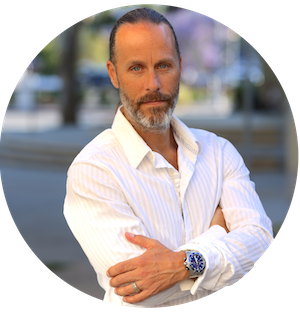
Kevin Anthony is a Certified Sexologist, Tantra Counselor, NLP Practitioner and a Sex, Love & Relationship coach. For over 10 years he has worked with men, women, and couples to have the relationships of their dreams, and the best sex of their lives! He is also the host of “The Love Lab Podcast”, creator of the popular YouTube channel Kevin Anthony Coaching, and creator of the popular online course series “Power and Mastery” as well as other online courses for both men and women.