What You’ll Learn In Episode 221:
Have you ever heard of Relational Intelligence? Did you know mastering it is the secret behind the success of top CEO’s and high performers? In this episode Kevin and Céline talk with Adam Bandelli the Visionary Founder & Managing Director of Bandelli & Associates about Relational Intelligence and how it applies to not only your personal relationship but also every other relationship in your life including your business relationships. Understanding this information is the key to great and lasting relationships!
Links From Today’s Show:

Dr. Adam C. Bandelli is the Visionary Founder & Managing Director of Bandelli & Associates. He has 20 years of leadership advisory consulting experience working with CEOs, entrepreneurs, and senior executives. He is the author of the books Relational Intelligence: The Five Essential Skills You Need to Build Life-Changing Relationships, and What Every Leader Needs: The Ten Universal and Indisputable Competencies of Leadership Effectiveness, which have received strong reviews from prominent business leaders.
To Find More From Adam Bandelli Click The Link Below:
Kevin Anthony 0:11
Welcome to the Love Lab podcast a safe place to get real about sex. Whether you’re a man or woman, single or couple, this is the show for you.
Céline Remy 0:20
We are your hosts, Kevin Anthony and Céline Remy and we are here to guide you to go from good to amazing in the bedroom and beyond.
Kevin Anthony 0:27
All right, welcome back to the Love Lab podcast. This is episode 221. And it is titled when your partner’s heart with relational intelligence with Adam and deli. Okay, so relational intelligence, I’m not going to explain what that is yet, because we’re going to let our guests do that. You may be thinking, Oh, I already know what that is because I’m familiar with emotional intelligence.
Kevin Anthony 0:53
But we’re going to talk about that and how those two are different and yet how they relate to each other at the same time. And really, I think this is going to be a fascinating conversation. Now, I know sometimes our listeners are like, oh, yeah, more stuff on how to relate, you know, with my partner. Okay, first of all, y’all need it. Second of all, this goes so much further than just your intimate partner.
Kevin Anthony 1:24
Now, of course, because this show is primarily about sex, love, and relationship, we’re probably going to focus on that the most, but know that what you’re going to learn in this episode can really apply to any relationship you have.
Kevin Anthony 1:38
That means with your employees, with your boss, with your friends, you know, these are skills really, that you can employ day in, day out in every interaction you have with another human being. So it is well worth you tuning in staying tuned in and listening to this because these are life skills. This is shit they should have taught you in school and didn’t.
Céline Remy 2:02
Yeah. So Adam has a really fascinating story. And he’s gonna get raw and vulnerable on the show. So you might really want to stick around for that. So before we get into this, let’s give a big shout-out to our sponsor’s power and mastery. If you want to join the secret club of men who are great in bed, then check out power and mastery at power and mastery.com.
Céline Remy 2:29
It is the most complete sexual mastery training for men. Whether you want to have harder erections, last longer, or increase your sexual skills. There is something for you at power and mastery.com. So make sure you check it out.
Kevin Anthony 2:43
All right, well, let’s welcome our guests. We have Dr. Adam C Bandeli. He’s a visionary founder and managing director of band deli and Associates. He has 20 years of leadership advisory consulting experience working with CEOs, entrepreneurs, and senior executives.
Kevin Anthony 3:00
He is the author of the books, relational intelligence, the five essential skills you need to build life-changing relationships, and what every leader needs the 10 Universal and indisputable competencies of leadership effectiveness, which have received strong reviews from prominent business leaders.
Kevin Anthony 3:20
You know, what’s interesting is I read the bio after I started reading the book, and I was like, Oh, his second book sounds cool, too. So I think I might have to get that one, as well. Anyway, let’s welcome Adam to the show.
Dr. Adam C. Bandelli 3:35
How are you guys? A pleasure to be here?
Céline Remy 3:37
Wonderful. So you’re this big guy. You have all this like Ph.D. thing. And yet, you had a rough start in life, like you had a unique journey. You went through some addictions and mental health challenges. I mean, can you share with us what the journey was? And how it has influenced your current work? Yeah, that’s
Dr. Adam C. Bandelli 4:00
a great question. So I think for me, it’s really interesting the journey around doing relational intelligence and being a leadership advisor really started to take place around the same time that I started to go through my early adolescence into young adulthood, and be diagnosed with bipolar disorder.
Dr. Adam C. Bandelli 4:17
I was diagnosed and I was 22 when I was in graduate school, working on my Ph.D., so I was studying and starting to begin my dissertation on relational intelligence.
Dr. Adam C. Bandelli 4:26
And I had my first depressive episode while I was in graduate school. Me, I’m a type A athlete since I was young in basketball, high school, and college. And so for one day, not to have energy and to not be able to get out of bed and all the things that brought joy to my life for that not to be there over a period of 468 weeks.
Dr. Adam C. Bandelli 4:45
It was really scary. I had some friends and some family that recommended that I go see a therapist, which I went to for a couple of sessions but didn’t really see much help from it. And within two or three months, I was back to normal but then I started to engage in a lot of manic behaviors, excessive spending, staying up late sleeping two hours a night, and those types of things.
Dr. Adam C. Bandelli 5:07
And before I knew it, about three or four months later, I had another depressive episode where I was suicidal. And so I was diagnosed at 22 with bipolar disorder. And at the time, I was shocked, it was something that didn’t make sense to me, and I outright rejected the diagnosis.
Dr. Adam C. Bandelli 5:22
I said, you know, how could a doctoral student getting his Ph.D. in psychology have a psychological disorder, I lived in denial for over a decade about that, which led to a substance abuse addiction and led to me ruining my marriage, I got a divorce as a result of it.
Dr. Adam C. Bandelli 5:37
So all those things in the personal journey, you know, really taught me things like humility, it taught me about the value of relationships and developing trust and some of the skills we’ll probably get into. But what I do now, in the work that we do at my firm, you know, our, my focus is on helping leaders, you know, bring their authentic selves, so what they do with their people in teams, but it applies to their personal lives, with their marriage or with their kids and with their friends.
Dr. Adam C. Bandelli 6:01
And so, you know, this is a calling for me the work that we do now. And the leaders that I work with the people that we consult with, I think they get the benefit of having all this life experience that I went through. I look at the decade in which I worked on my Ph.D., I learned more about humanity and more about empathy from people that I was in rehab with than I did in my Ph.D. program. So it was quite a journey to be doing both those things simultaneously, to get to where I’m at today.
Kevin Anthony 6:27
Well, and that’s kind of why we wanted to lead with that. Because, you know, a lot of times when somebody looks at somebody like yourself and your credentials in your background, and they go, Oh, okay, great. You know, he’s studied a lot. And he’s got a lot of book knowledge. But does he really know what it’s like to be in my shoes, right?
Kevin Anthony 6:44
And that’s why I think it’s so important to bring this up. Because because of that experience, you know, what it’s like to be on the other end, this isn’t just like, well, I did a research paper and the blah, blah, blah, right? You know, it’s like, I used to work in the tech world all the time. And we used to say there’s, I don’t want to call out any company names. But there’s one that starts with an M, that’s really big.
Kevin Anthony 7:06
And we used to say it’s the there’s the M way, and then there’s reality, right, because what they used to tell you how it worked and how it actually worked, were never the same thing, right? And so I think it’s really important that we have real-world experience. And I really appreciate you sharing that with the audience.
Kevin Anthony 7:22
Because you know, sometimes, again, people in your position, they want to say, I’m this big, professional, and blah, blah, blah, and you’re just being real and letting people know, hey, look, you know, I went through a lot of the same things that you guys went through, and it has really shaped the experience and how I approach the work that I do. So that’s really fantastic.
Céline Remy 7:39
There are two things I wanted to come back to number one, you talked about being in denial. And then you talked about some of the coping ways, I guess because you were in denial.
Céline Remy 7:48
And because you know, this is something that a lot of people go through. I don’t want to spend too much more time on it, but just wanted to maybe see like, did you take something? What did you do? And how did you get yourself out of it?
Dr. Adam C. Bandelli 8:03
Yeah, yeah. So I think for me, we talk about one of the skills in the book is establishing rapport. There’s a section in the book, we talk about bedside manners with physicians, the psychiatrist who diagnosed me really was very aggressive and abrasive and within three minutes gave me a diagnosis.
Dr. Adam C. Bandelli 8:19
And so the show that he delivered that message is what really made me say, No, it was just a nervous breakdown. He’s wrong. He doesn’t really know me, how can you know my whole personality in three minutes? And you know, the denial phase, you know, people who are not on meds and not in therapy, there are the highs and lows, extremes of bipolar.
Dr. Adam C. Bandelli 8:36
And so for a couple of years, it was extremely positive behavior. I was running marathons, working out three, or four hours a day, then I got in with the wrong crowd and started using cocaine. And again, extreme behavior went down that road.
Dr. Adam C. Bandelli 8:49
So for me, people talk about hitting rock bottom, you know, rock bottom wasn’t when I was on the floor of my apartment with a twinge and 10 heart rate where I almost died. Rock bottom wasn’t when I lost my job at the time because of it. And a rock bottom wasn’t when my wife divorced me at the time, rock bottom for me was sitting in a rehab facility and deciding to make a change in my life.
Dr. Adam C. Bandelli 9:09
That’s what rock bottom is where you make a change, and you commit to it. And so, you know, I knew then that I was going to I could have lost my life. You know, I shouldn’t be here right now, I should have had a heart attack that night on the floor of my apartment.
Dr. Adam C. Bandelli 9:20
And so to me, that was a turning point. And I said, Okay, I am not going to let my life fall apart like this, I was given a second chance. And I’m going to make sure I make the most of it.
Kevin Anthony 9:28
I love that point you just made about what rock bottom really is. Because I have heard a lot of people, a lot of people say, I’ve hit rock bottom. However, most of those people don’t also say I finally decided to do something about it.
Kevin Anthony 9:47
Most of them just say, Well, I can’t go any lower than this. I don’t know. I don’t know if you haven’t made that decision yet. I think maybe you could write you know. So I think that’s an important point. To reiterate to the audience You know, rock bottom is really when you finally said enough, right?
Céline Remy 10:06
Yeah, absolutely. So something that I love is you talked about rapport. And one of the things that we see a big with addiction, and in the work we do is that for most people, it’s a lack of connection. If that’s what you can afford, it kind of leads to rapport. So maybe, maybe we should start with the overview of what is
Kevin Anthony 10:27
relational? Yeah, let’s, let’s dive right into what is relational intelligence, like, just give the audience that to start with sort of the 50,000-foot view of what is it really and what is it comprised of.
Dr. Adam C. Bandelli 10:40
Yeah, absolutely. So we define relational intelligence as the ability to successfully connect with people and build strong, long-lasting relationships. And so that’s kind of the definition of the framework.
Dr. Adam C. Bandelli 10:51
It’s separate from emotional intelligence, which most people define as the ability to use your emotions, and the emotions of others, and how to manage emotions effectively. So a lot of the research that we’ve done over the last decade is how are these two things different, you know, they sound very similar.
Dr. Adam C. Bandelli 11:05
I started my journey in my undergraduate being fascinated with EQ, I picked up Daniel Goldman’s book in 1995. And that really led me on this journey to get to relational intelligence, how it evolved, that became that was when we’re doing research on EQ or emotional intelligence, that can be used for good or bad purposes.
Dr. Adam C. Bandelli 11:23
So leaders or managers, can use emotions to inspire motivate to drive people to perform. But they can also use motive emotions to intimidate people and to drive fear. And you think about narcissistic leaders or Machiavellian leaders who use people as a means to an end.
Dr. Adam C. Bandelli 11:40
So if EQ at that time, we thought that that could be used for both positive and negative, is there a set of skills or behaviors that leaders could practice to really build strong, long-lasting relationships?
Dr. Adam C. Bandelli 11:51
And so from that, we came up with the framework, and I did my dissertation on it. And then we’ve been practicing these five skills in the coaching and the consulting work that we’ve done with the firm over the last 1520 years.
Kevin Anthony 12:01
Yeah, and obviously, we’re going to dive a little bit more into those five skills. But I want to come back to the difference between emotional intelligence, and relational intelligence and have read at least part of your book, but I haven’t had a chance to finish it yet.
Kevin Anthony 12:17
But the feeling that I got was that emotional intelligence was one piece of the larger relational intelligence. Yeah, right. And so like, if I were gonna describe it to somebody, that’s, that’s how I would do it. Which is that like, yeah, because we’re not trying to compare the two and say, well, one is not as good as the other.
Kevin Anthony 12:39
But what I really got from it was EQ is like one skill. It’s one piece, right? But there are other skills also that are necessary and you’ve taken those additional skills, and put them together more in this framework that you’re calling relational intelligence. So what we say
Dr. Adam C. Bandelli 12:55
to our clients, is a blueprint for how to build relationships. These are skills that you can learn and develop over time. But you’re absolutely right, Kevin, EQ will talk about a little bit, it falls under one of the five skills because you have to understand your emotions and other people’s emotions if you’re going to build relationships. But to your point, that’s one piece of the puzzle.
Céline Remy 13:13
So what are those five skills? Yeah, how do those skills show up in the stages of a relationship?
Dr. Adam C. Bandelli 13:21
Yeah, absolutely. So the first skill is establishing rapport. And this is the ability to use energy to create an initial positive connection with another person.
Dr. Adam C. Bandelli 13:30
So when we look at the dating or romantic relationship phase, this is on the first day of making good eye contact with your partner leaning in, and using nonverbal language and body language to communicate your interest. It’s about making a good first impression how you dress how you carry yourself, do you hold your shoulders back.
Dr. Adam C. Bandelli 13:47
Things like finding common ground? Can you identify similarities with someone? So establishing rapport is really the first skill to build a connection with another person. If you do that successfully, you move into the second skill, which is understanding others. And this is the ability to be intentional about putting in the time and effort needed to get to know someone on a deep level.
Kevin Anthony 14:08
Let’s take these one at a time here. Because you just rattled off a list of things that people should be doing on a first date. So everybody who’s listening when you get to the end, go back to this part, right? Because he just gave you the playbook he literally just gave you the playbook on a first date. establishing rapport is absolutely huge if you want any relationship to start off well.
Kevin Anthony 14:35
Now, of course, you can establish rapport and start off well and then crash and burn later on. That’s where the other skills come in. But to start with, you’ve got to establish that rapport. Yeah, so I’m not I’m not a Ph.D. in psychology or anything like that.
Kevin Anthony 14:53
But I have certified in NLP neurolinguistic programming. And one of the biggest things that teach you in NLP is establishing rapport. In step number one, it’s always step number one, and I think it is overlooked a lot of the time.
Dr. Adam C. Bandelli 15:11
And I think the big piece is people think it just comes naturally and they don’t have to put intention. When we think about relational intelligence that there was three words I can give you that encapsulate all five skills. It’s intentionality, vulnerability, and authenticity.
Dr. Adam C. Bandelli 15:25
And so when you’re establishing rapport with someone, the energy and the excitement that you bring to those first conversations, we’ve all been in rooms with people where they suck the energy out of a room because they were negative or not positive.
Dr. Adam C. Bandelli 15:36
And we’ve all been around people that make us jump up and get excited. And so your ability to use energy and how you first meet someone, that’s what determines how quickly you can get the relationship off to a good start.
Kevin Anthony 15:47
Yeah, I mean, that is huge. I really hope that the people who are in the dating world listening really understood what you just said. And if not, you’re gonna go by the relational intelligence book anyway, and you’re gonna. Okay, so let’s go on to skill number two, then.
Dr. Adam C. Bandelli 16:02
Yep, skill number two, as I mentioned, skill number two is understanding others. And this is the ability to be intentional about putting in the time and effort needed to get to know someone on a deep level. This is where EQ comes in.
Dr. Adam C. Bandelli 16:13
Because you have to understand your emotions, your partner’s emotions, and how to manage frustration and anger and different types of things to make the relationship work. But understanding others goes beyond EQ, it’s about being a good active listener.
Dr. Adam C. Bandelli 16:26
So when you’re dating, or when you’re meeting someone, or even in a marriage with your partner, are you really listening to understand what they’re saying? Or are you listening just to speak back your response to them? So active listening plays a role.
Dr. Adam C. Bandelli 16:37
Being curious and inquisitive, great, relational, intelligent people, they ask questions, and they ask probing follow-up questions. So they have a general curiosity wanting to learn about their partner. And in the dating world, that’s critical.
Dr. Adam C. Bandelli 16:50
You know, most men, in my experience with the clients we work with, men love to talk about themselves and their accomplishments, things that they do great. Well, If a man goes on a date with a woman, and he asked more about her and wants to learn her story,
Dr. Adam C. Bandelli 17:02
and what things are important to her, there’s more likely you’re not he’s gonna have a second date because he showed interest in her rather than just trying to impress her with what he’s done.
Kevin Anthony 17:09
We literally just heard this from a friend of ours recently, where she’s just started dating this man, he’s very successful. And then the first couple of dates, literally, all he did was talk about himself. And, and her response was, he doesn’t know anything about me.
Kevin Anthony 17:23
That’s literally what she said, he doesn’t know anything about me. I know all about his life I know about his family preparing me says, I know nothing. He knows nothing about me. So yeah, that’s exactly the experience that a lot of women have.
Céline Remy 17:38
And I want to make sure that this is a skill you need to keep not just during the dating world, but in your relationship. We, women, need to be heard.
Kevin Anthony 17:49
Yeah, of course, but you know, like, I get it from a certain perspective, guys want to impress women, right? So, please
Céline Remy 17:55
impress us. But give us a space where we can just talk about it, it just helps us to be able to talk for a little bit.
Dr. Adam C. Bandelli 18:03
Yeah, and I would argue you can impress a woman more by asking her questions and getting to hear her share her stories and her background.
Dr. Adam C. Bandelli 18:10
The ability that really differentiates relationally intelligent people from those who aren’t around understanding others is the ability to show empathy. And so can you listen to someone and put yourself in their shoes, that’s the best way to impress a man or a woman or anyone that you’re interacting with. Yeah,
Kevin Anthony 18:25
and that was, that was exactly the point I was gonna make, which is that you know, guys think that they’re impressing the women by talking about all their achievements and all the things, but muscles, but there’s, there’s a, there’s a point of diminishing return, right?
Kevin Anthony 18:39
Like, some of that is she’s like, oh, yeah, okay. It’s a good provider. Oh, that’s interesting. And then at a certain point, it’s like, okay, that’s already enough already. Can you please ask me something about myself? Right.
Kevin Anthony 18:49
And it starts actually negatively impacting the interaction at a certain point. And for sure, I mean, everybody wants people to ask questions about them to be interested in who they are.
Dr. Adam C. Bandelli 19:01
Yeah, yeah. So intentionality and being genuine about it. Like you’re not just asking questions, because you feel like you have to, but because you really want to learn about your partner.
Céline Remy 19:09
Here’s my list.
Kevin Anthony 19:10
That’s right. was, well, this is a good point to bring up too, because now if we kind of loop back in the EQ, one of the things you mentioned earlier, was that EQ can be used for both positive and negative, right?
Kevin Anthony 19:17
And so being able to understand somebody and their emotions, you can use that because oh, great, now I know how to relate with them. Or it can be Oh, great. Now I know how to manipulate them.
Kevin Anthony 19:37
And so when we’re talking about active listening, it’s important also that you’re listening because you genuinely want to get to know somebody not because you’re trying to figure out how to push the right buttons to get them in bed or whatever your goals are.
Dr. Adam C. Bandelli 19:51
Yeah, that’s spot on, Kevin. And I think you know, what differentiates people who use EQ for positive or negative with a relationally intelligent person is the Then you understand the authenticity, people can usually get fooled for a short period of time by someone who’s manipulative, but manipulative people professionally or personally, they don’t succeed in the long run, they may get a short term goal, like getting a woman to sleep with them or getting a promotion.
Dr. Adam C. Bandelli 20:13
But eventually, people will see through that. And so authenticity is such an important piece. And that leads to the third skill, which is embracing individual differences. And this is the ability to be authentic and acknowledge and accept that everyone comes from different backgrounds and experiences.
Dr. Adam C. Bandelli 20:29
And so in the dating world, that’s really being able to go beyond just the surface level, understanding someone and understanding about their background, their race, their ethnicity, the cultural experiences they had growing up, it’s about showing more than just the golden rule.
Dr. Adam C. Bandelli 20:44
It’s about common decency, you know, are you building into the relationship and creating an environment where your partner can be vulnerable with you, where they can communicate their deepest backgrounds and experiences and things if you’re not showing up authentic, or if you’re being fake, it makes it very hard for someone to open up to you.
Kevin Anthony 21:01
I love how so many of these skills are like the phrase you just use was common decency. And I just love that a lot of these skills are kind of bringing us back to those sort of, dare I say old school values, right? Common decency is one of those old-school values.
Kevin Anthony 21:22
And in a world where practically everything we are exposed to is fake, the news is fake. The TV shows are faked. The movies are fake, the politicians are fake, right? Like the food is fake, like everything is fake.
Kevin Anthony 21:36
It’s so nice to talk about skills and things that are real, showing, being your genuine self, and genuinely paying attention to somebody having some common decency, right? Like, these are things that are so lacking in the world right now. So it’s so important that the skills be put out there.
Dr. Adam C. Bandelli 21:55
Yeah, and the big thing with embracing individual differences is if you create the conditions through which you and your partner can bring that authenticity to the table, what it does is it brings the diversity of thought. So you can have a disagreement with your partner.
Dr. Adam C. Bandelli 22:07
And still, both have opinions that matter and have been heard, but you just disagree on whatever the outcome or thing you’re moving towards.
Dr. Adam C. Bandelli 22:13
But it also impacts the people that you surround yourself with other couples that you spend time with things that you do together, it starts to build as you move from dating into a long-term relationship to marriage, it builds that cadence around what you’re growing and doing together. Yeah.
Dr. Adam C. Bandelli 22:28
And that really jumps into the second, the fourth skill, which is developing trust, and this is the ability to be vulnerable, and risk being exposed to the actions and behaviors of another person. And so
Kevin Anthony 22:40
it’s a big one. Yeah, that’s
Dr. Adam C. Bandelli 22:42
it. And for a lot of people, it is because vulnerability is hard. We see this a lot more with some of the senior executive men that we work with and with women, it’s hard to show weakness, it’s hard to show a flaw.
Dr. Adam C. Bandelli 22:54
We all have them. And so you know, a really strong person is first knowledgeable about themselves. In the book, I talk about Know thyself, the mirror test, before you’re going to build trust with a man or a woman, you really have to understand yourself, whether that’s going to therapy like I did when I was going through the things I did in my 20s.
Dr. Adam C. Bandelli 23:13
Whether it’s working with a life coach and executive coach in the business setting, are you looking under the hood and understanding your values? And what’s really important to you? Are you getting a sense of how you show up on your best days?
Dr. Adam C. Bandelli 23:24
Are you understanding what your blind spots are, when you’re stressed or when you’re under pressure? And so to develop trust, you really have to know yourself first. If you do that, then you have to focus on what we call the five C’s, what are the underlying aspects of trust?
Dr. Adam C. Bandelli 23:39
So in a romantic relationship in the dating world, in marriage, things like competence, you know, is your partner going to have the skills or things that they say they do in the early stages of a relationship? Do they have commitment? Are they going to honor their commitments to you, whether they be small or big? Are they consistent? And how do they show up?
Dr. Adam C. Bandelli 23:56
Can you trust that your partner will be there for you, in good or bad times? Character? Do you trust that your partner has integrity and that they have a strong value system? And then courage? I think in great relationships, partners can tell the other partner what they need to hear, not what they want to hear in a way that’s loving and supportive.
Dr. Adam C. Bandelli 24:14
So it takes courage to do that. So those five C’s are the building blocks if you were the Lego blocks in terms of how you develop trust.
Kevin Anthony 24:21
Yeah, you know, one of the biggest things because you know, the work that we do in coaching relationships, trust is such a huge, huge piece. And yeah, I just don’t think it can be. I don’t think it can be stated enough how important that is.
Kevin Anthony 24:36
Because there are a lot of little things that people do in relationships that they don’t realize are chipping away at that trust every day. That’s right, little behaviors, little things like that. The perfect example is what you just said, as you should be able to say what needs to be said but do it in a compassionate way.
Kevin Anthony 24:52
Well, so there are some people who don’t say what needs to be said right and the other person and then there are the People who do but don’t do it in a compassionate way. And both of those things will chip away at that trust.
Kevin Anthony 25:06
I can’t, I can’t trust her or him because, you know, they’re not going to be compassionate about it, or I can’t trust that what they’re telling me is true, because I know they hold back and don’t say what needs to be said, right? Yeah, all of those little things.
Kevin Anthony 25:20
And if you don’t have a really strong trust in your relationship, the chances of you being long-term successful are not really good.
Dr. Adam C. Bandelli 25:30
Yeah, absolutely. Talk in a lot of our seminars is relational intelligence, the idea of how it’s not what you’re communicating to your partner, it’s how you’re doing it, how you’re phrasing, and how you’re communicating it.
Dr. Adam C. Bandelli 25:42
The other big piece with trust that I think is different from the way other frameworks and kinds of books look at it, we have this concept called intentional generosity.
Dr. Adam C. Bandelli 25:49
So people who develop trust use the farming analogy, consistently sow into the relationship without the expectation that they’re going to get something back from their partner.
Dr. Adam C. Bandelli 25:59
So it’s not a tit for tat, I love you. So I’m going to do these things because I want to demonstrate my love. And when that usually happens, both partners, if it is a healthy relationship are sowing into the relationship in that way.
Dr. Adam C. Bandelli 26:11
And what it leads to is relational reciprocity. Both partners are intentionally giving to the relationship because they value the relationship. And both partners are getting equal out of it, because of what they’re receiving from the other.
Céline Remy 26:22
It is one of the first emails we send out, give more than you take. Yeah, and yeah, the relationship,
Kevin Anthony 26:28
you had a way of phrasing it to Celine, I don’t remember exactly. But used to say something like, like, both partners should be giving like 6040. Yeah. So you’re, you’re always giving more than you’re, then you’re getting back. And if both partners are always doing that, then then you’re on the right path.
Céline Remy 26:45
But it’s to do it from the heart. As I said, it’s so important not to do it because you’re trying to get something. That’s right. That’s right. So we have one more skill.
Dr. Adam C. Bandelli 26:56
Yeah, one more skill. And the last skill, the most powerful skill, this is cultivating influence. And this is the ability to have a positive and meaningful impact on another person’s life.
Dr. Adam C. Bandelli 27:05
And so when you look at romantic relationships, and marriage, it’s about the life that you’re building together, it’s about what you want, that’s best for your partner, it’s usually the phase of the relationship where you challenge each other to grow, and you help each other to pursue your dreams and goals.
Dr. Adam C. Bandelli 27:20
So people who cultivate influence, that can be a negative term, in terms of like manipulating or using people, when we talk about it, it’s about bringing the best out of your partner.
Dr. Adam C. Bandelli 27:29
And so someone who’s relationally intelligent, they have a genuine desire to see their partner become the best version of whatever they want to be, and they help them to get there.
Kevin Anthony 27:37
Yeah, this is huge, you know, when thinking about it, I think that was one of the big things that were missing from my previous relationships until you and I got together.
Kevin Anthony 27:47
And that’s, that’s, you know, like you and I kind of coined that term in our relationship to us, you know, because we’re always on the same team, and we’re always helping each other to succeed and be the best that we can be.
Kevin Anthony 27:59
And I feel like in pretty much every other relationship I ever had before that, it’s not that they wanted me to fail or anything like that, but they were never really on board 100% to help. They were mostly on their own, you know, taking care of themselves.
Kevin Anthony 28:14
And there’s Oh, oh, you got to promote all that good for you, you know, but never like, okay, how can we restructure, you know what needs to happen at home, so that you can take that extra class that you need in order to go for that promotion?
Kevin Anthony 28:27
Like, I never had that level of cooperation. And it’s when you have it if you’ve never had it, first of all, then you finally have it, you’re like, where has this big you, and then you never, you’ll never go back? Really, you’ll never, you’ll never accept a relationship that doesn’t have it. Exactly. And that’s,
Dr. Adam C. Bandelli 28:49
that’s the whole piece about life-changing relationships. A beautiful marriage is about each partner wanting to bring the best out of the other, and really creating the conditions where that person can pursue their dreams.
Dr. Adam C. Bandelli 29:00
And they can work as a team to manage the kids or manage other responsibilities so that both people can pursue whatever they want in their lives.
Kevin Anthony 29:06
Yeah, and I think, I think if more people saw it as a team, they might be better at this. Because, you know, like, basketball is a great example, right? I mean, rarely is a team successful that has one guy that’s really good, who just takes the ball and drives it down the core every time and then scores, right?
Kevin Anthony 29:26
Like, he may score a lot of points. He may be the league leader in scoring points, but his team generally doesn’t win the championship, right? It’s the teams that really work together. And if you look at great teams, like the Chicago Bulls back in the day, you didn’t have just Michael Jordan, right?
Kevin Anthony 29:43
You had Michael Jordan, and Scottie Pippen had the other guy, Dennis Rodman. Right. So you and all of them had a unique skill that they brought to that and they use those together to help each other.
Kevin Anthony 29:57
And so I think if more people understood that they might, they might take that into the relationship more. In other words, you have to realize that when you choose to be in a committed relationship with somebody, right, you’ve now formed a team.
Kevin Anthony 30:11
And if that team’s gonna win the championship, you got to do everything you can to help every member of that team show up the best they can.
Dr. Adam C. Bandelli 30:20
Yeah, so you’re mentioning basketball, they just came out on a Netflix documentary, to our movie called The redeem team. This is about the Olympic basketball team in 2004. We lost for the first time in like 40 years.
Dr. Adam C. Bandelli 30:33
And the following year, they got Coach K from Duke to become the coach. And Kobe Bryant joined the team, a bunch of players who were very individual kind of focus players, LeBron James, brought them together the documentaries about how they gelled as a team.
Dr. Adam C. Bandelli 30:47
And to your point, how do they bring the best out of each other to go back to the 2008 Olympics and win gold? But it’s a fascinating way to look at how individuals come together, set aside their egos really bond, and create that chemistry as a team.
Kevin Anthony 31:00
Yeah, it’s really important. And I just don’t think enough people in their personal relationships. See it that way?
Dr. Adam C. Bandelli 31:06
Yeah, no, I don’t think they do. I mean, we run a business where we help with clients, and companies and leaders do it. So they’re having difficulties doing it. But I think a lot of people, at least in my experience, we kind of switch on to autopilot where we come home, and we do our personal life, it’s kind of, I need to get my promotion, or I need to do good at work, I need to get this assignment completed.
Dr. Adam C. Bandelli 31:24
But when I come home, it’s just you know, my wife and I, or my kids and I or whoever we miss, we’re just gonna kinda, you know, do the sports kings that the kids have on the weekend are, there is no intentionality behind that.
Dr. Adam C. Bandelli 31:34
And I think that’s the piece, you have to continually be giving into your relationship for it to work. And that requires time, it requires effort, it requires energy.
Kevin Anthony 31:44
Yeah, and you know, sometimes I know because I work with a lot of guys. Now tell them things like this. And like I can see it in their face their reaction is, that sounds like a lot of work. But well, not only is it not necessary, but even if it is a little bit of extra work, if you have to work at modifying your behavior a bit, you have to realize that the return is well worth the effort put in.
Kevin Anthony 32:15
Yeah, absolutely. Absolutely. All right, let’s take a quick break for our next sponsor. And then we’ve got some more questions. Because now that we know what relational intelligence is, we got to talk about what like how can people get there if they’re not there.
Kevin Anthony 32:28
So that’s what we’re gonna we’re going to talk about next. But first, are you a committed couple who is stuck in a rut and just going through the daily motions instead of connecting the way you used to, or you’re tired of stale mechanical sex that lacks spontaneity, and fun and you don’t want to live a life of average, then we’d like to invite you to join our highly six power a couple platinum program, give us 90 days, and we’ll help you bring the passion back between the sheets and be synched up sexually so that you can thrive with more purpose and passion in life.
Kevin Anthony 32:58
And a lot of the stuff we teach is stuff that we are talking about today. So if this sounds like you, and you would like some help go to Céline remy.com, forward slash passion. And that’s where you can reach out to us and find out more about this program that is Céline remy.com. Forward slash passion.
Céline Remy 33:18
Alright, Adam, what’s the biggest mistake that people make trying to apply these skills? Let’s start with what they do wrong.
Dr. Adam C. Bandelli 33:26
Yeah, I mean, I think a lot of times, the biggest thing is having a focus on self. I mean, everyone inherently has their own goals and our desires and things we’re pursuing, whether it’s our health, whether it’s our careers, but I think people in relationships, people in business, they run into trouble when it’s just about them.
Dr. Adam C. Bandelli 33:44
I think great relationally intelligent people are selfless. They see the bigger picture, they see that it’s just more the world doesn’t revolve around them. And I think I look at my own life. That’s the lesson that I had to learn through addiction and mental health. Because before that, I was you know, a 25-year-old kid making six figures and had a Ph.D., I idolized all these things that I had, and I thought I was unstoppable.
Dr. Adam C. Bandelli 34:04
And then I was humbled when I lost my job, lost my marriage, and everything that I thought was important was taken away from me. So it taught me humility. And so I think, personally and professionally, people who are humble people who know that it doesn’t just stop with them. Those are the people who can at least step into the arena to practice these skills before anything else.
Kevin Anthony 34:24
Yeah, I mean, that’s huge in any relationship because again, we’re talking about the team, right? So there’s gonna use the most tired old cliche, but there’s no I in the team. Right? But, you know, people misunderstand that.
Kevin Anthony 34:40
They think, Oh, great. I gotta like, completely give up myself. No, that’s not what we’re saying at all. But what we’re saying is you just need to focus on the fact that there’s some buddy else or some other people if you’re talking about business, that the decisions you make and the way you show up affects those other people as well.
Céline Remy 34:59
I’m coming Jordan, do you see a difference between men and women in their ability to do that?
Dr. Adam C. Bandelli 35:05
Yeah, I mean, I think women are wired more from an early age to express how they’re feeling to express their emotions. Men are taught don’t show any weakness, don’t cry, remember, you know, role models and male figures when I was growing up, I grew up in a single-family household, you know, don’t cry, don’t show tears, right, wipe them off your face.
Dr. Adam C. Bandelli 35:21
So I think from a very young age, men are taught to bottle emotion and not show it. Men are taught not to show weakness, whereas women are more likely to share their emotions with other women and communicate and get it out there.
Dr. Adam C. Bandelli 35:33
And there’s tons of research that show when you’re able to express your emotions, things like you know psychosomatic issues, diseases in your body, those things, you’re less likely to get those if you have a way to express the emotions, and then vulnerability, I think more women than men are able to be authentic and be themselves.
Dr. Adam C. Bandelli 35:51
And I think that is undefined under lock and key for relational intelligence is, are you comfortable in your own skin? And so those things apply to both men and women. But in the work that I’ve done over the last 20 years, many women senior executives that I work with, they’re able to empathize with people quicker than men, they’re able to be vulnerable, and they bring their authentic selves to work.
Kevin Anthony 36:14
Very interested.
Céline Remy 36:15
That’s what I expected. So I’m not surprised. And then just from what about,
Kevin Anthony 36:19
here’s another question revolving, revolving around the differences between men and women. But have you seen in your work, that working collaboratively comes easier for women than men? Or not? I don’t know. I’m just curious. Yeah, I
Dr. Adam C. Bandelli 36:34
don’t, I think it really goes more to how the leaders are wired. I’ve worked with women who have been phenomenal leaders who build cultures of inclusion, and I’ve worked with men who have done the same.
Dr. Adam C. Bandelli 36:44
I think it goes back to what I talked about around trust you before you can build a team or build a marriage or build anything, you really have to know yourself. And you really have to do a deep dive on kind of what makes you tick.
Dr. Adam C. Bandelli 36:54
And we do our work, we do something called the leadership experience interview, where we’ll take clients through a two three-hour conversation, where my only goal in the conversation as a psychologist is I want to know your origin story. I’m a big superhero fan, I want to know Kevin’s origin story and all the events that made you who you are today as a person and a leader.
Dr. Adam C. Bandelli 37:14
And so you don’t need to go to an organizational psychologist or executive coach to do that. You can take out a journal, and just start reflecting on you know, the first 10 years of my life, what are two or three things that really shaped me at that point in time?
Dr. Adam C. Bandelli 37:25
Was it a parent’s divorce? What was it a, you know, sports team that I played on? How about the next 10 years of high school and college, so really reflecting on what’s impacted you and your journey? And if you do that, it gives you a better sense of who you are today, you’re more comfortable in your own skin.
Kevin Anthony 37:39
One of the oldest written commands, know thyself, keeps coming back to that.
Céline Remy 37:47
So it’s interesting because it kind of led to our next question. But I think there’s one point I want to make is, you’re only as strong as the foundation that you laid down for your relationship.
Céline Remy 38:01
And so we want to bring it back to dating. And we had this conversation with somebody here, where if you want this relationship to last, and you expect to have integrity and honesty, it has to start from that one. Yes.
Céline Remy 38:22
And it was hard for her to hear it because they haven’t quite taken the jump into we’re committed. So there are still multiple doors open, which is fine. But it hasn’t been discussed. And that’s an issue that I have, I have no problem with the multiple doors.
Céline Remy 38:43
But I think both partners should be very clear that the doors are open. And I think that if it’s a relationship that somebody wants to have in the future that lasts, you have to build it from the beginning.
Dr. Adam C. Bandelli 38:57
Yeah, absolutely. Talk about being genuine and authentic from the date from day one, when you’re establishing rapport. You know, are you genuinely showing up the way you want to show up that aligns with your values and beliefs?
Dr. Adam C. Bandelli 39:08
Are you genuinely wanting to get get to know that other person? Are you asking questions? I mean, you think about, you know, just from an establishing rapport standpoint, you know, do genuinely show interest in the man or woman you’re talking to.
Dr. Adam C. Bandelli 39:19
When you sit down for the first time, are you focusing more on yourself or more on her? The body language listening more than you speak? I mean, all these little things in the initial stages of dating in a relationship. Those do set the foundation for trust and authenticity and vulnerability later on.
Céline Remy 39:35
So but what do you think is holding them back is it they’re afraid of rejection? Because if they had the conversation, and say,
Céline Remy 39:42
Hey, I’m keeping my doors open, and then the other person is like, No, you know, what, what is preventing people from stepping right away into integrity? Because I can’t stand it because I go right there.
Dr. Adam C. Bandelli 39:58
Yeah, I’m the same way. And then with our clients the work that we do, I think fear is part of it. Absolutely first part of it, is fear of rejection, no one wants to put themselves out there and have someone not respond to them in a loving way.
Dr. Adam C. Bandelli 40:09
But then I look at where we are technology-wise in 2020, to where we have five or six dating apps at our fingertips. And there’s that saying, the grass is always greener on the other side, but you’re not cutting it.
Dr. Adam C. Bandelli 40:19
And so there may be other options out there that you’re available you have available to you. And that could make some people feel like they don’t have to give their all to this. But again, I think that’s a very selfish way to look at relationships.
Kevin Anthony 40:31
Yeah, that that is a really interesting point that you just brought up, which is how the technology in online dating is changing how people show up on those dates. Whereas without that technology, maybe dates were a little harder to come by.
Kevin Anthony 40:48
And so maybe people put more effort into them. That is really interesting. Just because you have a lot of opportunities, doesn’t mean you don’t have to put in the effort and the energy. That’s right. That’s right. That’s, that’s a really interesting thing.
Kevin Anthony 41:04
I mean, we’ve talked about technology and how it’s affecting dating and relationships before but I don’t know if we ever hit that exact point yet. So that’s really interesting.
Céline Remy 41:13
So you mentioned going back to your origin stories, and journaling? Is there something else like somebody has realized, okay, I want to develop these skills, but I’m kind of lacking? Is that the first thing they should get started? Is there something else they could do?
Dr. Adam C. Bandelli 41:31
Yeah, so there are a number of different things, I think journaling is a great way to do it. We’re in the process right now of developing our relational intelligence test. So in January, you can let your listeners know, they can go to our website, Bandelliand associates.com.
Dr. Adam C. Bandelli 41:45
And you can take the relational intelligence tests, where you’ll get an understanding of where you stand on all five skills, where you’re stronger, and where some opportunities are. And then you can use that in terms of going off and doing some readings.
Dr. Adam C. Bandelli 41:57
Or if you did want to get an executive coach or a life coach. These things developing trust being authentic, and cultivating influence are all skills you can learn and you can interact with, you can even do with your partner, you know, to have you pick up the book, read it, take the assessment, and discuss it together.
Dr. Adam C. Bandelli 42:12
I’ve done that with, you know, people that we’ve worked with for years. And it’s a really great way just to, again, self-awareness, acknowledging that there’s something you want to work on, and then putting an action plan in place to do it. And we do that personally, and professionally with our clients all the time.
Kevin Anthony 42:26
Yeah, so so until the test is up, read the book. And then when the test is up, go take the test, and then read the book. Well, yeah, of course, you got to do the work.
Dr. Adam C. Bandelli 42:39
Okay, you have to have someone to build a relationship with, that’s you can’t do these in a vacuum on your own. You have to have a good partner as
Kevin Anthony 42:44
well. It’s true. But you know, I would say like, because, you know, this is a common question that we get from people all the time when they reach out to us, and they potentially want to work with us. They say, Well, I’m not in a relationship right now.
Kevin Anthony 42:54
So is it really worth me to work with you now? Or should I wait until I’m in a relationship? And my answer to that always is, don’t wait until you’re in a relationship. And then you make a bunch of mistakes, and you’re trying to figure it out, like now is the time to work on yourself so that you can show up to that relationship, the best way that you can.
Kevin Anthony 43:12
And I would say that this is the same thing. Like, don’t wait to try to learn these skills until Oh, I found somebody I’m interested in now I gotta learn, right? Well, how long is that going to take it to learn how many, you know, mistakes and missteps? Will there be along the way, like, start working on it now? Because the other thing is, the more developed you become
Céline Remy 43:31
as an individual, the better quality people, you attract
Kevin Anthony 43:35
exactly the better quality people that you attract? That’s exactly right. So, we all
Céline Remy 43:41
in relationships of some kind. So you don’t need to have a romantic relationship, to use any relationships that you currently have. Yeah. And
Dr. Adam C. Bandelli 43:49
that’s the focus of the book, In the first half of the book, there’s a chapter on each of the five skills. And the second half of the book is about the applications of relational intelligence. So what’s in your family relationships, it’s in your friendships, it’s in your professional relationships, and it’s in dating and marriage?
Kevin Anthony 44:03
So that actually is the perfect segue. So can you tell the listeners how to find your book and two, how to find out more about you like Where can they want to be in your world? How do I find you?
Dr. Adam C. Bandelli 44:15
So the best way is our website it’s Bandelli and associates and associates.com. You’ll find information there about the book you’ll find information there about myself the firm the work that we do.
Dr. Adam C. Bandelli 44:27
The book is available on Amazon, Barnes and Noble Apple books. It’s available in an ebook as well. Also, audiobooks are plenty of places to get it, and then tell your listeners they can follow me at Adam Bandelli on Instagram, Adam, and Bandelli on LinkedIn and Twitter.
Dr. Adam C. Bandelli 44:41
We release new information about relational intelligence every couple of weeks, or actually, I just wrote yesterday, a new article we’ll be publishing on our website. It’s titled when trust is damaged or broken. Seven things relationally intelligent people do to restore trust in their relationships.
Dr. Adam C. Bandelli 44:59
So that’s one And we’ll be coming out in two weeks. And we just released an article on dating and romantic relationships called you can win her heart, why every man needs to learn relational intelligence. So that one’s on the website right now in our blogs, and this one about trust and how you fix broken trust, we’ll have up in about two weeks.
Kevin Anthony 45:16
Fantastic. See that free. Great advice right there. You don’t even have to buy the book to read those articles. But we highly recommend that you buy the book because you’re gonna learn a lot more.
Kevin Anthony 45:28
And you know, like, one of the things that I love about this interview with you, Adam, is that you know, sometimes people come on, and they’re like, Hey, I wrote a book about these five skills.
Kevin Anthony 45:37
But I don’t really want to talk about the five skills too much, because I want people to buy the book to find out what the skills are, right? And I just love that you’re just like, Here,
Céline Remy 45:46
here’s your here’s,
Kevin Anthony 45:47
here’s what they are, right? Because I think the intelligent listeners realize that Okay, great. Now I know what they are. But there’s still so much more to learn about each one, and so much more that you could practice. And so even if you tell them what all five are, it’s still well worth reading the book.
Kevin Anthony 46:05
And even if you read the book, I mean, great, okay, I read the book, I understand it, but do I really know how to put it into practice? And that’s where working with somebody who can really guide you step by step through that process is super valuable.
Dr. Adam C. Bandelli 46:18
And it’s a lifelong journey. I mean, I came up with a theory 20 years ago, and I’ve been practicing it, and I would never want to teach people I tell people to practice something that I don’t walk the talk myself.
Dr. Adam C. Bandelli 46:28
And so, you know, understanding people, that’s an ever-evolving process betting, getting more curious, showing more empathy, that never stops.
Céline Remy 46:36
So if you could only give one piece of advice to our listeners, regarding relational intelligence, what would it be?
Dr. Adam C. Bandelli 46:43
The one piece of advice that I would say is that if you want to build transformational relationships across all areas of your life, be intentional in how you build relationships, and show up authentically with those that you care about the most.
Kevin Anthony 46:56
Yeah, huge.
Céline Remy 46:58
So this leads us to our very last question, Adam, what is your best sexual talent?
Dr. Adam C. Bandelli 47:04
That’s sexual talent. Oh, is that? We say four play and leave it at that.
Céline Remy 47:11
Yeah. Anything you want? It’s your answer. Yeah. Okay, awesome. Yeah, that’d be my answer.
Kevin Anthony 47:18
Well, that’s a good answer. You know, there are a lot of women out there complaining that they don’t get enough foreplay. So I think that’s a good skill to have a skill that probably most women would say not enough men have.
Kevin Anthony 47:34
Well, we ask all of our guests that question, because it’s fun. And it usually does catch most people off guard. And thank you for being Thanks for answering it. All right. Well, thank you so much for being on the show. I think that there was a lot of value in this episode.
Kevin Anthony 47:51
And I really hope people have listened to it, understood it, maybe go back, listen to it again, get the book, but this is really, really valuable information for really how to live the best life that you can live.
Dr. Adam C. Bandelli 48:06
Well, thank you so much. It’s a pleasure to sit down with you. Thank you, Adam.
Kevin Anthony 48:08
All right, everybody. That’s all the time we have for this episode. And we will see you next week. We hope you liked this episode of the Love Lab podcast. If you enjoy this show, subscribe. Leave us a review and share it with your friends.
Céline Remy 48:27
And for more free exclusive content. Join us in the passion vault at Célineremy.com/vault.
Kevin Anthony 48:41
Thanks for listening. And remember, you’re amazing
We hope you liked this episode of The Love Lab Podcast. If you enjoyed this show, leave a comment and share it with your friends.
RATE & REVIEW THE LOVE LAB PODCAST
—> LEAVE A 5-STAR REVIEW ON APPLE PODCAST
ASK A QUESTION FOR THE NEXT EPISODE
—> Click here to leave a message directly to Kevin and Céline to be answered on the air.
Thanks for listening and remember you are amazing.
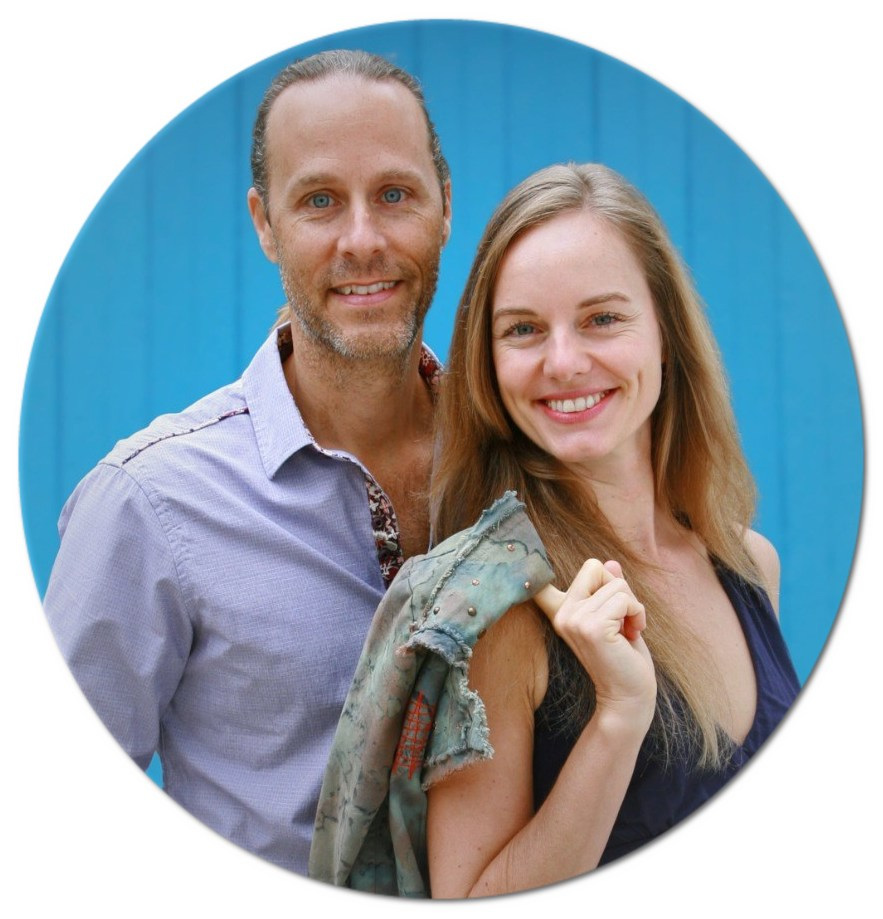
Kevin Anthony and Céline Remy are an international husband and wife team who joined forces to create a worldwide movement of true sexual empowerment. Kevin, “The Truth Warrior,” is a Men’s Coach, Tantra Counselor, and Couples Relationship Coach. Céline, “The Intimacy Angel,” is a Holistic Sexologist, Certified Sexological Bodyworker, Relationship, and Intimacy Coach for men, women, and couples. Together, they are truly the ‘Power Couple.’ They host ‘The Love Lab Podcast,’ and are co-creators of ‘Power and Mastery,’ an online educational training system that teaches the exact process to any man who desires to bring his ‘A’ game consistently to the bedroom. They guide couples and men on how to go from ‘good’ to ‘AMAZING’ in the bedroom and beyond.