Last Updated on November 18, 2024
What You’ll Learn In Episode 293:
Are you dating? Do you have more than one sexual partner? Are you not sure if your partner is telling you the truth about their sexual health and activity? What if there was a way for you to take control of your sexual health anonymously? In this episode, Kevin Anthony talks with Dr. Yudara Kularathne, MD, FAMS, about the current STI epidemic sweeping major cities, what is causing it, how to avoid getting an STI, what can be done if you do get an STI, and how his company is helping people get the information they need to make responsible decisions about their sexual health discretely and from anywhere. His story about a friend’s attempted suicide due to a self-misdiagnosis of an STI underscores the importance of getting this information out.
Links From Today’s Show:
To Find Out More About Dr. Yudara, Click The Links Below:
🔥 POWER & MASTERY 3.0 IS HERE!
The most complete men’s Sexual Mastery Course is now even better. To find out more go to https://www.powerandmastery.com
❤️ FREE EXCLUSIVE CONTENT
The Passion Vault → https://www.kevinanthonycoaching.com/vault
💪 MEN’S SEXUALITY & MASCULINITY COACHING WITH KEVIN ANTHONY
If you are ready to make big changes and finally become the man you have always wanted to be, then Unleash Your Inner Warrior Program is for you → https://www.kevinanthonycoaching.com/go/warrior
👉🏼 COUPLES COACHING WITH KEVIN ANTHONY
https://www.kevinanthonycoaching.com/sex-coaching-couples/
👉🏼 OUR HAND-PICKED PRODUCTS FOR YOU
We have hand-selected some great products to help support your Health, Sex Life, and Relationship! Purchasing products from us and/or our affiliates helps support the work that we do and ensures we can continue to help as many people and couples as possible! → https://www.kevinanthonycoaching.com/products/
Kevin Anthony 0:05
Welcome to the Love Lab podcast, a safe and fun place to get real and learn about sex. Whether you’re a man or woman, single or couple, this is the show for you. I am your host, Kevin Anthony. And I am here to guide you to go from good to amazing in the bedroom, and your relationships.
All right, welcome back to the Love Lab podcast. This is episode 293. And it’s titled The shocking rise in STIs. And how to avoid them. You know, listeners of this show, know that I do pre-interviews with guests, and I do have a guest today. So if you’re watching on video, you can see that already. And sometimes when I have those interviews, I get really excited to have a conversation. And today is one of those because some of the things that my guest today shared with me in the pre-interview were actually somewhat shocking to me. And I felt like we really needed to have this conversation. And we really needed to get this information out there.
So we’re going to be talking about STIs, or myths, the more modern terminology, but STDs if you’re using the older terminology, we’re gonna be talking about what’s going on out there right now, you know, in the wild, so to speak with STIs, which ones are, you know, on the rise more prominent? What are we seeing out there, we’re going to talk about how we can avoid them, we’re going to talk about treatment for them. And we’re going to talk about some new technology here that can really make this so much easier than it has ever been before. And, you know, I am at the age of basically 50 at this point. Having spent most of my dating life when I was younger, without access to any type of technology or anything like this, I look back and go, wow, wow, much different the dating process would have been had we had access to something like this. So I think this is going to be a very interesting show. So I suggest you stick around and find out what we’re going to talk about today.
So before we do that, though, short word from my sponsor power and mastery. 3.0 is here the men’s sexual Mastery program you have heard about on the show for a long time is now even better. I have personally reviewed every module lesson video, audio, and PDF to see if there’s anything new that needed to be added. As a result, I have added 10 New videos one new audio eight new PDFs, and dozens of links to handpick products to help support your journey journey to mastery. In addition, there’s also a brand new user interface that makes it easier to navigate the course and find your course materials. So if you aren’t ready to become the Sexual Master, you have always wanted to be then go now to power and mastery.com I can already foresee adding a link to the product that we’re going to be talking about today as a resource for everybody that is in that program, because this is definitely an important part of mastering your sexuality. So check out powerandmastery.com
All right. So my guest today is Dr. Yudara Kularathne. He is the founder of something called hehealth.ai which we are going to be talking about a lot today, which is a sexual health care app that offers a safe, anonymous inaccessible solution for men to screen for early signs of penis problems, including STIs, STDs, and penile cancer. Utilizing artificial intelligence validated by doctors. The app provides actionable steps and connects users to a trusted clinic network ensuring 100% privacy and security for men. So welcome to the show, doctor Yudara.
Dr. Yudara Kularathne 4:12
Thank you for having me. It’s a pleasure.
Kevin Anthony 4:17
All right. So I really want to jump right in. And it’s gonna it’s gonna get a little heavy a little quick, but then it’s gonna get a little lighter. So during the pre-interview, you told me a story about how you got into this because you haven’t, although you are a doctor, I actually didn’t read the fact that you are an MD FMS, but you weren’t specializing in sexually transmitted infections or diseases or anything like that previously, not that you didn’t have experienced but it wasn’t your specialty. But something happened personally in your life with somebody you know, that changed that course. And I’m wondering if you can share that story with the listeners.
Dr. Yudara Kularathne 5:00
Yeah, definitely. I think that truly explains where the gap in society, the tie was to those 19 chests before the COVID. During Christmas time, I get texts from one of my best friends, saying, thanks for being a good friend. That’s all. And I have known him for the longest time, we don’t talk like that he never ever texts me like that. And as an emergency physician, yes, you are correct. I was not a specialist in sexual health diseases, and I was in emergency surgery, I have worked in the emergency department I have seen in the ER row, that people when they tried to commit suicide, or after committing suicide, leave these notes, something very similar. And I got immediately scared of this fact. And then tried to call him he didn’t answer the phone. And I call another friend of ours. And then we quickly rushed to his house. And we were right boy, he was on the balcony in the eighth floor about the jump and lucky for everybody.
We managed to grab him and bring him to the home and then ask him what the heck is going on. Then he initially didn’t want to share his look. I did something super stupid. Let me tie. I was like, Dude, we can help you out, you know, like, just tell us what’s going on? And then he said, I’m dying. I was like, What do you mean, you’re dying? You’re young at that time, he was like in his 30s. And I happen to know his medical records. As a physician, I manage things. And I knew it was in pristine condition. He was a married person here a kid, then the wife and the kid were away for Christmas, which is supposed to join in one or two days at that time. And I was pushing him and said, Tell me what happened. Tell me what’s going on. Then he finally started sharing with me and said, look, I don’t even talk to you. Because I feel so embarrassed. I feel I’m breaking everyone’s trust. I said, Look, treat me as a doctor, tell me what’s going on.
He said there was a party a few days ago, to celebrate Christmas and my promotion at workplaces. There were many drinks I had to enjoy with everybody. And next day morning, I woke up, and I couldn’t remember anything at all. Not only that I was naked, there was a naked lady on my bed, which I don’t know who that is. So I completely freaked out, I kick her out of the house, I didn’t even ask who that is, after that I got even more scared, knowing that I don’t know who that is. And then I quickly wash, I went to the washroom to have a shower, kind of wash things off. And then I realized I have also in my penis, and then I got scared. And the next thing he did is in all these things, and he tried to Google. And we know as is of this time, most of the big tech, including Google, they kind of blocked most of the sexual health-related things. And sexual health is not adult health. You know, it’s not at all the adult industry. But sadly, people cannot access that was a problem.
And Google algorithms work in a way that the more pronounced action that people usually exhibit that will promote it the highest in sadly, in the health. Those are the extreme cases, like you have cancer you have HIV, something similar. So my friend’s impression he got is he had HIV. Sadly, not only that next thing he knew is that he is going to die from HIV. And there is no cure, which all these facts are not accurate at this point. And after that, I told him Look, I don’t think it happens like this. Clearly, it takes at least few weeks to get positive results. Let me help you. I as a doctor examined his penis and I couldn’t see any abnormality at all. I was like, where’s the rash you were talking about? He was like, here’s the rash. Actually, I was like, Do you know this is actually quite normal after sex, which is a completely normal situation called purely papules? And he did not know about it. And of course, there was no trigger for him to worry. So he didn’t think about it before.
That made me think of why guys cannot get personalized information in this kind of situation without embarrassing themselves. So that was the question. So I go back, me as I have an engineering background on top of of being a physician. Get me put on the engineering hat. I create a very simple app by using some internal pictures to tell what a normal penis looks like using artificial intelligence I shared with my friend, he started sharing with his friend which became a massive hit. And I realized guys actually don’t know how to assess their penis by themselves. And that led me to one thing and then slowly we come here as a handheld which is helping men to detect STIs using artificial intelligence, and personalized information through their phone Want me to go into a little bit more details later.
Kevin Anthony 10:03
Yeah, we will talk a whole lot more about that and how it works and how it can fit into, you know, somebody’s personal protection sort of program, because it has a lot of potential. But the reason I really wanted you to share that story is because it really illustrates the importance of having good information. And that’s why I really wanted to do this show. This is another way of trying to get good information out there. Here’s somebody who had a wife who had a whole life. And he was literally willing to end it all because he got bad information about a bad decision he made once. Right? I mean, that’s how serious this can potentially be. So we don’t want that to happen to anybody else. And that’s really what we’re talking about here.
So now that we understand the seriousness of the situation, and how people view things like having an STI, let’s talk a little bit about what’s going on out there in the real world right now, when it comes to STIs. You shared a fact with me, that absolutely just blew my mind. Because I was not aware of this. I had not seen this anywhere. I mean, it’s I’m sure it’s been reported in the news somewhere. It’s not like I see everything that’s out there. But what you shared with me was that we are currently in the US having the worst syphilis outbreak in 300 years. What’s going on there? I talk a little bit about that.
Dr. Yudara Kularathne 11:50
Actually, this surprises a lot of people, including physicians like me, after the COVID, and during the COVID view, all focusing about COVID. And then people didn’t realize that they were few other forbidden diseases like syphilis, which is a sexually transmitted infection is really growing without many people noticing. And then, especially for ladies, when they have syphilis, and if they give birth to a baby, they might have something called congenital syphilis, that syphilis in the body, transfers into the baby. And then that causes lots of very, very bad problems in the small babies. And congenital syphilis is considered as actually the old world disease, which most of the people forget about it. But this year, we realize we’re having one of the most worst outbreaks of syphilis, congenital syphilis, and so on and so forth. These things should have been prevented. And being cured at that time, it’s relatively easy to treat disease.
But if you don’t treat, it’s going to hide in your body and continue to grow as post-secondary syphilis or congenital syphilis, and it can have really bad outcomes. And let me come back to the numbers actually, US is not the only country was surprised with these facts. In London, we are having one of the worst syphilis outbreaks ever. And these are happening after like so many years of very well controlled, Tokyo was having one of the worst syphilis outbreaks right now. So everybody got surprised with this new kind of trend happening around the world in big cities. And a lot of people caught off guard, you know, like he, suddenly this number this year is really bad.
But sadly, in healthcare, the second part is that usually people follow the trends. But the trend is always slightly lagged. That means we talked about this last year 2023 data. And that means most likely, by the time we take the action in 2024, the numbers are still growing. So when it comes to sexual health as the eyes, how they spread these people, when they have disease, they don’t know that they have disease, they do not get treated, and they continue to have sex so that it spreads. So we might be actually having the worst situation ever right now.
Kevin Anthony 14:13
Yeah, that just blew my mind. Do you have any insight into why suddenly we’re seeing this in these major cities? Like, because as you as you rightly pointed out, this was something that we had relatively under control. And, you know, okay, so COVID that I’m sure that’s a factor in there somehow, but yet at the same time, like COVID, shut a lot of people down where they weren’t maybe outdating as much as they were previously. So maybe it’s a little counterintuitive. What’s happening here?
Dr. Yudara Kularathne 14:46
Yeah, COVID actually, for us, physicians who have some background in population health, it kind of makes sense, but most of the doctors still surprise effect. So let me explain the situation. And it’s actually little bit more complicated than one single fact. But let me put it this way. So during the COVID, all the resources, which includes the money, the equipment, and the human resources, it is the doctors and nurses are allocated to the COVID related projects, either it’s vaccination, either it’s reading COVID, and so on and so forth, then, of course, you will know, in us, we have a limited amount of resources when it comes to money and human resources, especially if you pull these things from somewhere, you can guess where’s the somewhere is, so there was lots of STI clinics is being closed during the COVID.
And our assumption was that, oh, people are under restrictions of, you know, like not moving too much. People are under lockdown, so and so forth. So there will be less sexual activity, but we were wrong. Actually, it kind of increased silently, under the carpet, that there was more success learning more diseases spreading, we pulled the people out, there was less cleaning, less testing. And then suddenly, when we put back the resources into the STI clinics, bam, we realize suddenly, the numbers are so high. So that’s exactly what happened. But of course, there were multiple other social and economic situations that contributed to this. But I think the biggest fact happen is we kind of divert our attention plus the resources, and then we completely missed other things.
Kevin Anthony 16:26
Wow, that’s really interesting. Yeah, that simply shifting the focus of the funding in the manpower had such a dramatic effect, you know, that really tells me that you are absolutely on the right track with what you’ve created. Because I think it was, I think it was Hippocrates, who said, like, if you’re not your own doctor, you’re a full or some similar quote, don’t quote me exactly on that one. But, but the point is, is that you know, if we rely on the system 100%, when the system changes, you know, we think we’re protected and we’re not, right? And so having the ability to take some responsibility for our own health, and our own sexual health, I think is extremely important. And also extremely empowering.
Dr. Yudara Kularathne 17:21
The activity you write honestly, I also don’t know who was the person who said that quote, but I have heard it, but as a physician, I can tell you for sure, that has to be the way you have to be responsible for your health. Plus, when it comes to sexual health, it’s actually being respectful to the other, because if you have a disease he didn’t treat, you introduce the same disease to the other person, which is your loved one, your partner. So that makes things even worse. So it’s even more responsible or respectful, that you look after your sexual health well, but coming back to your thing we said, So nowadays, if you don’t have the physical resources, the technology is growing to a point that you have digital resources.
And if you look at the bigger picture, dating has completely shifted digital means. So article today in the morning, I was really, from 1970s, to those 22. Two years ago, the map dating scene, which is previously, the bigger numbers, through friends, through the family, through the church, these numbers have come down to a point that you cannot even see the percentages, and online dating has completely skyrocketed to the covering the majority of it. So yes, digital means are here to stay, people are adopting to these means. So why not the sexual health part? So we used to coat he helped bring steam the medicine into the tender age, you know, like we bring things into the right place, right time. And then people can use by themselves. As far as you know how to operate a phone, they should be able to get personalized information through the phone. That’s what we do. Yeah.
Kevin Anthony 18:59
And I think it’s really important. And this is true of pretty much anything in society. But when you have a technology like online dating that comes in and radically changes the way that people date, then there needs to be other technologies that pop up to support that radical shift. So yeah, absolutely. I’m curious, also, so we focused primarily so far on syphilis, just because that number was so shocking. But are we seeing rises in other types of STIs as well?
Dr. Yudara Kularathne 19:33
So if you look at the CDC report on us SDI, there are good, the bad, and the ugly. So if you look at look at the number of diseases, certain diseases going up, very few going down, but overall as a country, SDRs are on the rise, and it’s not in small percentage, it’s slightly on the larger numbers to 5% to 10%. that level. And if you look at certain states, certain states are getting better, but certain states getting really, really bad. If you look at them how the states move in the SDI performance scale, some states getting better, but some states, which the state I live in California is really going down and the situation is getting worse. So there’s, that’s the good, bad. And then of course, the ugly part is things like syphilis, which is completely treatable, preventable, and easy to recognize technology like he helped them, they can clearly differentiate what syphilis has looked like and not, is really sadly, going up with lots of complications, like, as I said, kids who are born babies are born with these complicated things because of syphilis.
Kevin Anthony 20:47
Wow. So overall, in the US, we’re seeing a trend up in multiple different STIs. I find that very interesting, though, that some states are going up while others are going down. I mean, that to me indicates that this has something to do with it’s got to have something to do with either policy and or potentially the cultural views in those particular areas. I mean, I don’t know if you’ve got any personal thoughts on that or not? Or if you even want to share them. But I just find it fascinating, right? Because, to me, I just thought like, I want to understand why in some places, is it getting higher. And why in some places? Is it getting lower?
Dr. Yudara Kularathne 21:28
Yeah, we do as scientists, we clearly analyze this data. And there’s a very clear pattern. So I’m not going to go into detail, especially in a year where we are looking into the presidential election. However, there is a clear relationship to some of the political policies we bring and the political ideology we follow. And the SDS bed, Sam, so actually, it’s quite sad to see in a way, because these are medical problems, so should be many with the science. So it should be one truth, not few multiple shades of truth, like what we believe in the political scene. So it should be managed in a scientific medical manner. But sadly, things the outcomes, I would say is related to some of the views and other things related in the politics. Yes.
Kevin Anthony 22:18
That doesn’t surprise me. That’s honestly what I assumed, which is why I told you that you didn’t have to share your thoughts on that if you didn’t want to. I don’t want this show to be politically polarizing. I just want people to get information. The reason I asked that question was because I want people to have enough information to make good decisions. And yeah, I’m not at all surprised to hear that there are consequences to political decisions that are made. And will you know, I mean, I have my own ideas of of what those political decisions were and how they’ve contributed to this. But for now, we will leave that up to the listener to decide, you know, what they think about that, but just know that that is a factor and that you know, who you choose to make those legislative and political decisions for you is having an impact on the quality of your life. In many ways. This is just one of them.
Dr. Yudara Kularathne 23:20
You have COVID, I have represented that I didn’t make any names. But clearly, this is what the people have to go and find out. But I think we live in a society where the politics clearly affects our own health. The social determinants are much bigger than we used to think, actually, it’s so funny, I had a meeting just before this is with a physician from Rhode Island, talking about social determinants in primary care and how it affects and how I was trying to solve this problem. So it is there. We all know it, and then it’s up to us to figure it out how we can navigate through these things. Yes, but I think our guide, especially me as a physician is not to judge and to guide them through give the right information and let them choose for themselves.
Kevin Anthony 24:08
Yeah, absolutely. And that, you know, it’s, on the one hand, it’s somewhat frustrating to hear that, you know, something like, you know, a 300-year all-time high, you know, epidemic is caused by those types of things. But the good news about that is that we ourselves have the power to change that as long as we have the right information. We’re not subjected to some, you know, immutable outside external factor that we have no control over. We can actually shift this simply by having good information and making better decisions. So that’s the upside of it. Indeed, okay. We’re about halfway through. I’m going to take a short break and read the second sponsor ad and then I want to come back and talk about what people can do about preventing And then of course, if they do actually get one and that’s going to give us an opportunity to really talk about how what you’ve created factors into that.
Okay, hey guys, do you know what makes a man great, you know, the kind of masculine man that women are irresistibly attracted to? And want? Is it money job title is physical body? Is it because he’s great in bed? Or has great pickup lines? What if you don’t have those or you only have some of them? What if you’ve had a string of failed relationships and are embarrassed by your bedroom skills, maybe you doubt whether you can rise to the occasion, worry about lasting long enough or always stuck in the friend zone, I can help you if you’re ready to make big changes and finally become the man you have always wanted to be, then this is the program for you. Please go to KevinandCéline.com/go/warrior. That is my men’s sexual mastery coaching program. And in that we work on all sorts of things from how to show up and be, you know, a strong, positive masculine man how to have great bedroom skills, how to, you know, do exactly what we’re talking about today, take responsibility for your health and the health of your partner. We cover all of that stuff in that program. So go check out KevinandCéline.com/go/warrior.
All right. So we’ve talked about the scope of the problem. Let’s talk now about what let’s start with prevention. What can people do to not end up with an STI to start with?
Dr. Yudara Kularathne 26:36
This is, I think, the most important fact. So what can we do? So it’s quite clear in the science part. So first thing is, most importantly, understand about ourselves and the diseases and be responsible and do regular testing STI’s. One of the reasons why it’s spreading so much, despite of having advanced technologies, it can be asymptomatic. That means you might not know in the first place that you have SDN. So what we as doctors we use today, if you are sexually active, get it tested regularly make it a habit for testing. So like what we always say, if you do a health check every year, just add few of the SDS including into that test, like same we do with the dental checks every year. The best thing is, if you are having multiple partners, you can actually make it much shorter duration, like every few months, you do some basic testing, which should include HIV, for example, and then all the other things. So that you know, that’s the first part.
The second part is of course, as much as possible, you must use protection. Condoms, and I know people would have different ideas and preferences when it comes to this. That’s why some people in medicine advancements something called pre-exposure prophylaxis. So there are some medications, you can take it so that you won’t get the disease or you won’t spread it to anybody else. But the pre-exposure prophylaxis for the whole prep, also have some new problems brought to the thing because it only covers on certain diseases like HIV, it doesn’t cover other things. So people have this notion that oh, I’m on this medication, so I should be protected. But not knowing that it doesn’t cover everything. Of course, now the second one article, toxic prep came in, they should be able to cover most of it if you take together, but still they acknowledge cap is there.
So first understanding, take responsibility, do regular testing, and then use the protection as much as possible, know the things add up the technology so that you can actually the last part I’m going to touch is how he helped can help. So what he does best is to help guys to identify things super fast. If you look at the same who report I talk so far in detail, that talks about how to get the SDA diagnosis, after starting symptoms, it takes three months, half of the population mark my words again, it takes three months to get a diagnosis for 50% of the men. So that means they might be having us or they might be having a discharge still it takes three months to get a diagnosis, this is not acceptable. So, what we are doing is we use our technology to for simple as take a picture answer the questions, we can tell you immediately within few seconds.
So that means you saw the some symptoms you are experiencing some symptoms VI in one or two minutes able to guide you through and tell you what you have very clearly plus not only that to connect to a doctor and get it sorted out, we said that three months we bring into 24 hours. We are operational in California right now should be operational in all the states in q2 onwards, which is very soon we are very excited for this. And that means that three months you are bringing into one day, what it means to the spread is that so that you avoid so many partners, you’re going to have sex while you’re having In symptoms while spreading the disease, which makes the disease spread more and more, you break that point at that demand there, so that the number should slowly start going down. That’s how you control it. That’s how you best look after yourself and your partners.
Kevin Anthony 30:14
Yeah, that is truly amazing. From three months down to basically a day, I mean, that is a huge, huge shift. And you’re right, if a lot of unintended exposure can happen in three months, a lot less can happen in a couple of days. So that is really, really changing that paradigm, which is amazing. I want to go back also and say, you know, you started off by saying the most important thing is to get tested regularly. And that is something definitely that I wanted to come back to and sort of reiterate, because, you know, I’ve had a lot of experience, and I’ve talked about it extensively on the show, as did my wife, you know, in, you know, like, what they call polyamory or like open relationships and stuff like that. And in that world, this is talked about openly all the time, and strongly encouraged, it’s taught all the time about you know, okay, if you have a new potential partner, here’s the here’s the elevator speech, right? Here’s all the thing, the last time I was tested, I got tested for these things, this was my result. And they’re really pretty darn good about doing that.
However, that’s like a small sort of niche community. And what we see outside of that is the complete opposite. I used to have a friend who, you know, he’s just, you know, a regular guy out there on the dating apps like everybody else. And, you know, he would sometimes give me a hard time because, oh, you’re hanging out with those weird, you know, poly people. And one thing I said to him when he was kind of, you know, give you a, for lack of a better term, she sort of give me a hard time about it. I said, How many people have you had sex with, in the last year? He couldn’t actually give me the number. Yeah, because he was doing what most people do this sort of serial dating thing, because just on the apps, you know, going out having and having sex with that didn’t work out, going out having another said, I’ve had sex with three people the entire year. And it’s the same three people the entire year, you can’t even tell me how many you’ve had sex with. And by the way, when was the last time you were tested, which was never. Now he happened to be lucky, he happened to as far as we know, you know, I haven’t seen him in a few years, because he moved far away.
But that’s, that’s kind of just showing you what is really happening out there. Like, a lot of people are out there on these dating sites. There. It’s not so much that, you know, like, in his case, he was genuinely trying to find his person, you know, he wasn’t, you know, doing the whole, like Pickup Artists thing and just trying to have sex with his men, but, but even through that process, he was having a lot of sex with a lot of different women, and had never been tested. Right. And so that’s something that we really see out there. And what I would love is a way and I think this is one of the places that he helps can really help facilitate is I would love to see out there in the mainstream world of dating, it become more common for people to just get screened regularly.
I know here where I live in Southern California, you know, like I said, my experience with that community, the local county health clinic and they charge a little bit more now, but it used to be ridiculously inexpensive. And so people you know, people would go in some would go once every six months, you know, people that we’re super active might go once every three months, as you suggested, it was a little bit of an inconvenience. But it really wasn’t that big a deal. It didn’t really cost you much of anything. And it gave you the peace of mind to know that not only were you okay, but other people were okay too. So that piece you shared about getting tested regularly is huge.
Dr. Yudara Kularathne 34:16
Yeah, can we you are spot on on this. So a lot of people until you realize that what you’re doing the intention obviously me as a physician, we don’t judge on behavior, we are here to facilitate the medical part of it, you know, like whatever the behavior you want to adopt, we are fine with it. And we are here to help you to protect yourself and the path is very clear. But if you look at it that that same example is just he was not intended to do it. But as a as a video of he going through this process. He ended up having a lot of sex with multiple partners, which he never thought that look. I’m actually actively having sex with multiple partners, which none of the partners have actually tested. This is really, really shocking. I’m pretty sure him I have not realized this also, because to him, given at one point, okay, I’m going to have a relationship with this person, and I’m going to have sex. So it’s one on one. But it doesn’t in the bigger picture, when you look at it, it doesn’t reflect NCTs. So these are some of the things we actually might oversee.
And then like what happened to my friend, he didn’t intend it, but it happens. And then it’s just one occasion, but that can ruin his life, you know, so your friend is lucky, but I don’t use the word lucky bit, because it’s a matter of time. Yeah, and, and you have to be, like, proactive on your health and to protect yourself. And most of the things can be actually, you’re very well controlled, if you know early, that’s why you need to do early testing and regular testing. But when it comes to he held my hand, and this also, nowadays, a lot of people do so-called at-home testing like you don’t go to the clinic, but you mail the kids to the home, and then you do it, and then you mail back.
So with this problem is that a lot of people don’t understand the difficulty of deciding what tests to do at what point because all these diseases have so-called window periods, and then exposure, and then symptoms, these are all complicated matters. But what are we doing and he had these, we get all this information as input we streamline, make it a very simple step like okay, day one, you need to do this, the 15th, you need to do this, the 30, you need to do this, we will give them the plan so that we actually can map the window periods, make sure that they actually truly negative because sometimes what happens is you do by yourself, you might get a negative result, but it might not say anything at all of what you have. So those are the limitations. That’s why we now the technology is mature enough, we bring it to them, we can actually very nicely guide them as that Do you have a physician in your phone? 365 24/7? You know, that kind of level?
Kevin Anthony 36:55
So let’s talk a little bit more about how this app actually works. Like, like, how would somebody use it in their day-to-day dating life? Like what you mentioned that they can take pictures and upload, but it also connects and like how exactly would they use this on a regular basis?
Dr. Yudara Kularathne 37:11
Yeah, very simple. So we make it so easy. So when you want to have the services or when you have a problem, you go into our website, you get into our app? And then you answer we do not collect any personal information at the beginning, like name, phone number, or any of the things related to you. So it’s a completely anonymous service, you just go in and say when is the last sexual contact you had? Of course, how old are you? Like, what is your gender preference? And then of course, the anatomical symptoms, whether you have a penis pain, whether you have a discharge, you have also on the penis, whatever you think, you know, or you understand you can just put these things and then comes to the picture upload.
So if you think of when you go to doctor asked the same things. And then of course, he said, Let me have examine your penis. In this case, what happens is instead of the doctor examining, you can upload the picture, ie i Doctor can analyze these pictures for STIs. And obviously, AI was trained in billions of pictures of different pathologies STI is even rarer things like cancer. So that what AI does is again, now the technology is very smart. So it analyze the exposure or the symptoms, plus whatever the things he can see the penis, and then he will tell you personally, okay, this is this and that. But the beauty is that if you don’t see anything in the penis picture, it can still guide you through of what is supposed to do based on the symptoms you have.
So for example, you might have nothing knows interest, you had unprotected sex, you are freaking out next day, it can guide you through what are the tests you’re supposed to do, and so on and so forth very clearly. So that’s where the technology is right now the process is very simple. And after that, see if you have positive results, say you might be having a syphilis infection at that time, then it will guide you there’s a banner, you can simply click it goes to our partner doctors in the whatever the states you are living, and they can actually have a tele consult, have a call over the video call and then they can send you a prescription, which you can fill it out from CVS very fast.
Kevin Anthony 39:25
I think this is absolutely amazing. And I I honestly feel this is a service to humanity. I mean, I hope you make money on it, as well. But this is literally a service to humanity providing this level of of care because one thing that we haven’t talked about so far, but it’s true is this idea that there’s so much stigma around STIs and the fact that a lot of people literally will not go seek the help that they need for fear of anything like if they’re young people It’s fear of getting in trouble with their parents, because they’re not supposed to be having sex. With older people, it’s fear of stigma of you know, oh, now I have an STI, and somehow I’m broken, like people will actually go get the care they need. And this takes a lot of that out, right? A lot of that shame of having to go to the doctor or whatever, right? And so I see it as a huge service to humanity.
Dr. Yudara Kularathne 40:22
Yeah, Kevin, and my third co-founder is a sexual health behavioral scientist. And he’s an openly gay man. So we talk about the behavior, the stigma. So one of the biggest things we realize, when people associate the stigma with their personal identity, once you remove the personal identity from the actual person who’s the patient who’s suffering, then you get better. So that’s why we removed the registration of names at the front, we only register if they need to get the treatment, which is federal and local regulation requirements. But other than that, until to that step, we do not register them in need. So people feel more comfortable, forthcoming, you know. And then, of course, this is not a physical clinic that you have to stay in, trying to cover your face, thinking that there might be people or if it’s through the insurance, that it may be your parent’s insurance that they might know, and so on, and so forth.
We remove all these barriers so that people feel comfortable, that’s the first and most important part. And of course, then people are willing to come in on board into the system. So last time, like people just suffer, you know, and like my friend, he would rather choose to kill himself, rather than get it tested and treated, you know, because of the social stigma. But once you remove that part that he’s a married guy, you have a kid here a name here, a society status, once you remove that, he’s willing to vote come and you know, get it tested, and so on, so forth. So that’s the most important part. I agree with you.
Kevin Anthony 41:54
And that’s why I wanted to lead with that story. Because I wanted people to understand that, that it really is for some people, so stigmatized, and so just embarrassing, that they literally won’t get the treatment they need, or they’re willing to literally jump off a roof, like so. So anything that we can do to, you know, prevent that from happening, I think is a good thing. There’s one more thing that I want to talk about in regard to this. And so we’ve been talking a lot about, you know, you know how men can use this, you know, how they can take pictures of their penis and upload and look for all that kind of stuff. But this could also be valuable for women to potentially have in use also, and I know you have a story about a 19-year-old girl. So I wonder if you could tell that story, and then use that to illustrate how women can use this app as well to empower themselves.
Dr. Yudara Kularathne 42:50
Yep. Given it’s such an exciting time, we have in this conversation, we are having a significant number of women using handheld and they were not happy with the name. And I didn’t see this coming. Honestly, when I think of it, I it meant for guys to use. And then I was like, Oh my God, I didn’t see this coming otherwise. But anyway, we are launching our female version of that vertical camera in this Friday in literally in three days time. But yeah, let me come back to the story. So this is honestly one of the most impactful stories I have heard which shocked me to the core. So this 19-year-old girl walk into my office with a friend which is suppose was the our marketing intern who used to work for us and say, Look, I want to talk to you. Can you please get this on the tape? I want the world to hear. We were like whoa, like what’s going on? We got it on the tape. Of course we didn’t put any faces but we got an audio tape. And the story is amazing.
This a 19-year-old girl who met a guy in a dating app which most of the 19-year-old girls do. However, these two was very responsible at least the girl was responsible. She said look, I’ve been looking to this place I was literally waiting until 19 so that I can get into these apps or like have a relationship so she was dating with this guy talking to him for few months and then slowly the relationship going into the sexual health side. They were they were the nice ones they talk about it instead of jumping in said look, we can actually be like our relationship is mature enough to have sex so and so forth the guy start sharing some of his finished pictures, and then the plan for a time and date and then the go ahead and then about have sex. The girl noticed a rash on the boy’s penis. He was like, wait, wait, wait, wait, what is this? I’m not an expert on men’s health clearly, but this looks slightly weird to me. And then the guy said look, I know myself very well and it was summer it’s hot. And then this is a heat rash so that the moisture is there and then it’s simply a heat Stretch, then the girl trusted him, and then they go and have sex.
But after one week, few days later, she got the same rash, then she completely go bonkers. And then she’s like, look, I don’t have heat rashes at all. And I’m very careful about my side of the equation. And then suddenly she remembered her friend was sharing about he helped with she do the marketing internship, then she download the app. And then she said, can we test on this? Like, can we do this, and then we tested and then it says Herpes Simplex infection, which is herpes in simple terms. She was so sad, they both went to the hospital, they confirm that it’s obvious, they got it treated. And then she immediately broke out with that guy, because he was clearly not having the sex for the first time he had a partner, he didn’t said it interested, he lied to her. But she was telling to us Look, I’m a responsible person. And I’m going to tell this to my partners in the future, I’m not going to do the same thing as what my partner did. And I’m 99 prepared for my first sexual encounter for my whole life. I bring my own content. But I didn’t have the enough empowerment, so that I can make the decision.
But imagine if I knew about him beforehand, she was scaring me, I could have done it. As part of my foreplay, I was like, wow, things have changed that I didn’t know about these things. But yeah, it’s not like you stop and run to a clinic, which is never going to happen. But if it’s then there, you can open the phone, play with it, and then you know that there’s a risk, you don’t even have to know that there is confirmed that you know that there’s a risk, you could use a condom, and then the disease could have prevented life long embarrassment and difficulties could have been prevented. I was like, Oh my God, I didn’t see how important just letting a guide detected early and previous impactful. But preventing a disease from getting it for the lifelong situation, how impactful that is. And that was one of the most impactful, you talk about money, but I hear that story. I was like, Okay, now I feel like, what we did this, all the trouble we went through is make sense. That product female branded, done by my older female team members in the team with all the Gen Z, female colors, called karma is coming on this Friday.
Kevin Anthony 47:18
That is awesome. I didn’t know that you were having a female-branded version, I’m very happy to hear that. I was at least excited, you know, that women could use the male version. And, you know, it’s kind of a heartbreaking story in the sense that she really tried to do everything, right. She waited, they talked about it beforehand, you know, like they did try to do it. All right. And still, in the end, she ends up with, you know, herpes, as you know, listeners should know, is with you for life. You know, you can have it under various states of control, but it’s always still there. And it’s always a potential risk. And so now she has to deal with that, you know, for the rest of her life, even though she tried really hard not to.
And so having access to something like this, I think for women is extremely empowering, because, you know, I mean, yeah, you see something you need guy tells you it’s a heat rash. Maybe he even genuinely thinks that right? But you don’t have to trust that right? And now you’ve got a resource that you can use. And yeah, imagine if, if they had been able to use that, take that picture and have it say, oh, there’s a significant risk that this is actually herpes. Now you can make a different decision, which is either, you know, for sure, use a condom, or just wait and don’t have sex when there’s an outbreak. So yeah, that’s amazing. I’m so glad that you guys working on a female version. And I’m really, I’m really glad that something like this exists.
Dr. Yudara Kularathne 48:50
Okay, and I think this is one of the most impactful parts. That’s why we even whenever the time we had that we quickly make sure and that was a female number actually growing faster than the male numbers, because females are always more careful about sexual health, not only themselves, but also their partners. And now dating scene. There’s so many penis pictures up in Exchange Online. And my co-founder did a study about this. And then we realize there is about 1 million plus penis pictures are being exchanged in famous dating, sorry, not dating, the texting messaging apps like Snapchat, and so on, so forth. So imagine the impact when you can screen these things for diseases and then, you know, yeah, it’s, it’s, I think it’s a very interesting time. Plus, it’s an empowering thing for those.
Kevin Anthony 49:39
Yeah, absolutely. You know, that’s funny because I didn’t really have that thought until just now when you were talking about that. But you know, there’s always the joke about the guy sending the dick pic to the girl. Now ladies, you might actually want to dick pic, because you can take that and put it into the app now. Yeah, yeah. Well, alright, that’s awesome. Is there any last things that you want to share about STIs? Or, you know, he health or the new version for women that’s coming out anything you want to share?
Dr. Yudara Kularathne 50:10
No. What we need to do is to get the message across so that people know there are options. It’s not that they’re alone, they’re separate. There are many ways they can get help. That’s the most important thing. So once they know that the help is out there, they can of course, get it out. So that’s the message. I want to get it. Thanks for hosting me. So it’s such a pleasure. And then I’m sure your listeners will benefit from these things.
Kevin Anthony 50:34
Yes. Well, thank you for coming on and sharing it. Just Oh, no, the website right now as hehealth.ai, correct? Yes. Correct. Will there be another one for the new product coming out?
Unknown Speaker 50:46
Yes. The female version we call calmara.ai.
Kevin Anthony 50:53
Awesome. And there will be links to those in the description of the show so people can find them. I have just one last question for you. And I ask it to everybody that’s on the show. It’s up to you how you want to answer it. Some people are like, I got this no problem. Other people are like my wife started asking this question when we used to do the show together. And is what is your best sexual talent?
Dr. Yudara Kularathne 51:19
Hmm, that’s a very interesting question. I think I take it this way. I think the brain is the most powerful sexual organ we have. So a lot of people don’t appreciate it. But I am with my wife. Of course. We think that bonding the building of the foreplay, that’s where the most power comes in. So I think my superpower would be using the brain to get into the right place.
Kevin Anthony 51:50
That I am totally in agreement with you about how powerful our brain is. My wife used to say our biggest sexual organ is our brain. It is yeah. Just using that to create that, that space. And that bond, that connection. Absolutely. So that’s a fantastic answer. All right. Dr. Yudara, thank you so much for coming on the show and sharing your knowledge and what you are up to. All right, everybody. That’s all the time I have for this episode. And I will see you next week.
I hope you liked this episode of the Love Lab podcast. If you enjoy this show, subscribe. Leave us a review and share it with your friends. And for more free exclusive content. Join me in the passion bowl and Kevin and Céline dot com forward slash full. That’s Kevin and Céline dot com forward slash fault. Thanks for listening. And remember, as Céline used to say you’re amazing!
We hope you liked this episode of The Love Lab Podcast. If you enjoyed this show, leave a comment and share it with your friends.
RATE & REVIEW THE LOVE LAB PODCAST
—> LEAVE A 5-STAR REVIEW ON APPLE PODCAST
ASK A QUESTION FOR THE NEXT EPISODE
—> Click here to leave a message directly to Kevin and Céline to be answered on the air.
Thanks for listening and remember you are amazing.
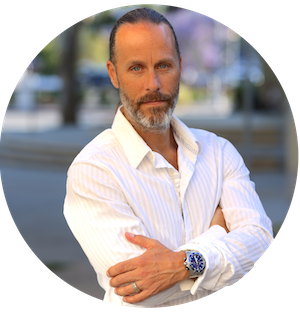
Kevin Anthony is a Certified Sexologist, Tantra Counselor, NLP Practitioner and a Sex, Love & Relationship coach. For over 10 years he has worked with men, women, and couples to have the relationships of their dreams, and the best sex of their lives! He is also the host of “The Love Lab Podcast”, creator of the popular YouTube channel Kevin Anthony Coaching, and creator of the popular online course series “Power and Mastery” as well as other online courses for both men and women.