Last Updated on November 18, 2024
What You’ll Learn In Episode 275:
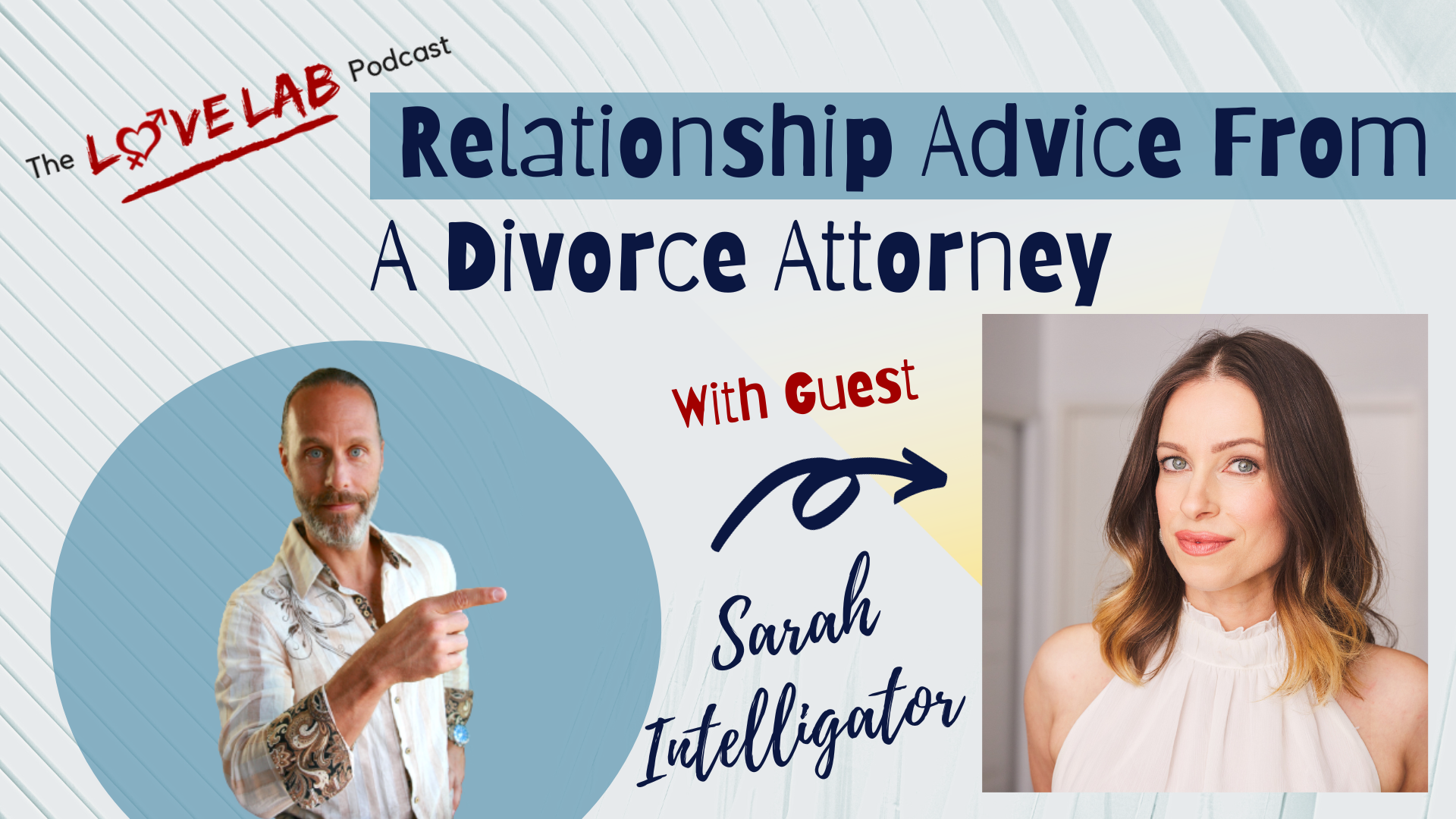
Nobody ever wants to go through a divorce, yet nearly 50% of all marriages end in divorce. How did they end there? What could they have done to prevent it? In this episode, Kevin Anthony talks with divorce attorney Sarah Intelligator about the 6 patterns that lead to divorce. Knowing these patterns can help you avoid divorce, pick better partners, and have better, lasting relationships. This episode is packed with very useful information for anyone who is in or wants to be in a relationship!
Links From Today’s Show:
To Find Out More About Sarah, Click The Link Below:
https://www.lafamilylawpractice.com/
Other Episodes Mentioned In This Episode:
🔥 POWER & MASTERY 3.0 IS HERE!
The most complete men’s Sexual Mastery Course is now even better. To find out more go to https://www.powerandmastery.com
❤️ FREE EXCLUSIVE CONTENT
The Passion Vault → https://www.kevinanthonycoaching.com/vault
💪 MEN’S SEXUALITY & MASCULINITY COACHING WITH KEVIN ANTHONY
If you are ready to make big changes and finally become the man you have always wanted to be, then Unleash Your Inner Warrior Program is for you → https://www.kevinanthonycoaching.com/go/warrior
👉🏼 COUPLES COACHING WITH KEVIN ANTHONY
https://www.kevinanthonycoaching.com/sex-coaching-couples/
👉🏼 OUR HAND-PICKED PRODUCTS FOR YOU
We have hand-selected some great products to help support your Health, Sex Life, and Relationship! Purchasing products from us and/or our affiliates helps support the work that we do and ensures we can continue to help as many people and couples as possible! → https://www.kevinanthonycoaching.com/products/
Kevin Anthony 0:05
Welcome to the Love Lab podcast, a safe and fun place to get real and learn about sex. Whether you’re a man or woman, single or couple, this is the show for you. I am your host, Kevin Anthony, and I am here to guide you to go from good to amazing in the bedroom, and your relationships.
Welcome back to the Love Lab podcast. This is episode 255. I’m sorry, 275. Don’t short myself 20. It is titled Relationship Advice from a Divorce Attorney. So I think this is going to be really fascinating because we always talk about relationship advice from the point of view of, you know, coaching work or, you know, therapists or you know, people who are working with couples who are still together, maybe they’ve identified some things that aren’t working, and they’re trying to fix it. So we’re going to sort of reverse engineer this time, we’re going to start from it ended in divorce, how did we get there? And what could we have done to prevent it from going there? I don’t think anybody goes into marriage thinking, Yeah, at some point, I’ll probably get divorced, right? Because like, if you thought that you wouldn’t actually get married, right? So that means that everybody who’s starting out in a marriage expects that it’s going to work and then something happens along the line, and it ends up in divorce. And so we want to reverse engineer that today and try to figure out how we can help people avoid that outcome.
But before we do that short word from my sponsor, Power and Mastery 3.0 is here. The men’s sexual Mastery program you have heard about on the show for a long time is now even better. I have personally reviewed every module lesson video, audio, and PDF to see if there’s anything new that needed to be added. As a result, I have added 10 New videos one new audio eight new PDFs, and dozens of links to handpick products to help support your journey to mastery. In addition, there’s also a brand new user interface that makes it easier to navigate the course and find your course materials. So if you are ready to become the sexual Master, you have always wanted to be then go now to powerandmastery.com Since I released the 3.0 version of this sales have been amazing. So thank you all who have supported that and if you haven’t checked it out yet, please go to powerandmastery.com.
Okay, today’s guest who if you’re watching on YouTube, you have seen since the beginning is Sarah Intelligator. She is a divorce attorney in Los Angeles, California. She earned a Juris Doctorate from Southwestern Law School. She graduated from UCLA comm laude with a Bachelor of Arts in English, practicing family law since 2008. Sarah has also been a yoga instructor since 2000. She organically bridged her two worlds coming coining the term holistic divorce and family law and helping others through their divorces, Sarah realized that she could help them avoid divorce altogether. This inspired her to author her first book, Live, Laugh, Find True Love: A Step-by-Step Guide to Dating and Finding a Meaningful Relationship from a Divorce Attorney. Okay, we’re going to talk a whole lot about that book as we go along. But first, Sarah, welcome to the Love Lab Podcast.
Sarah Intelligator 3:34
Thank you. Thanks for having me.
Kevin Anthony 3:37
All right. So I want to just lay a little bit of groundwork here so people understand where you’re coming from. How long have you been working as a divorce attorney?
Sarah Intelligator 3:49
So I’ve been practicing for over 15 years,
Kevin Anthony 3:53
Did you start out as a divorce attorney? Or is that just an area you gravitated towards eventually?
Sarah Intelligator 3:59
Yeah, I’m sort of an accidental divorce attorney like I never had any intention of practicing family law. And I wanted to practice criminal defense. The only way to really get into criminal defense is to get a job through either the district attorney’s office or the public defender’s office. So after I passed, the bar pled to the district attorney’s office, and there was a hiring freeze at both offices, and I needed a job. I had never taken a single community property class like anything to do with family law other than my exposure to it through the bar exam. And my mom is actually a family law attorney and she knew someone who was looking for an associate. So I applied for the position. I got it, it was a sink-or-swim situation. And that’s how I kind of accidentally fell into it. And then I eventually went on to my own and started practicing in a very different way than I had when I was at the firm.
Kevin Anthony 4:55
Yeah, which we’ll get to, but I was curious about that. Just because, you know, divorce is like, it’s like, you know, I used to do computer tech work, right? And I got into it because I loved working with computer stuff and building things and engineering stuff. But what I didn’t realize was that I would spend my entire day just putting out fires and working on problems, people were always pissed off and like stressed out about things being broken. And that’s not why I got into it. And so like, if I’d known it was gonna be like that, I wouldn’t have chosen that particular career path at that time. So I’m just thinking like, divorces are tough man, people are so angry with each other all the time, that I was just curious why you chose to do it, because I don’t think a lot of people like I just want to deal with people yelling at each other all day long.
Sarah Intelligator 5:42
Yeah, and that’s, and that’s kind of, I definitely had no desire or intention of ever doing it. And I was with a firm for five years, and I absolutely hated it. And I left and I was like, I don’t want to do this anymore. It’s soul-crushing. It’s draining, I am not interested, I’m going to figure out what I want to be when I grow up. But in the meantime, I’m going to maintain some clients so I can pay my bills. And so it was only in going out on my own and kind of recognizing that the style of practice that I do the holistic divorce and family law, kind of, as you said, bridging my two worlds of as a yoga teacher. As a divorce attorney, I realized that I can actually help bring people to a better place when they leave my office than they were when they walked in. And kind of viewing it from the perspective of like being someone’s champion and cheerleader and guide through a very difficult time in their lives. One that I myself had been through. I’m remarried now, but I was divorced at one point. And so that allowed me to kind of view it in a very different perspective and make it something that felt very fulfilling to me.
Kevin Anthony 6:58
That’s, that’s amazing. And that’s wonderful. I do want to dig into that a little bit more later. That whole idea of it was terrible when you were doing it one way. And then when you figured out a better way to do it, how it suddenly became so much more fulfilling. But it’s not the main direction of the show. So we’ll get back to that. One last question about your career as a divorce attorney. If you could ballpark, how many divorce cases do you think you’ve handled over 15 years?
Sarah Intelligator 7:28
I have to say, over 1000? I mean, I have a lot, you know, I do it day in and day out. And I have multiple cases. And yeah, I mean, it’s countless at this point.
Kevin Anthony 7:46
That would have been my guess having done it for so long. But I wanted to sort of establish that because you know, 1000 over 1000. That’s a pretty good sample size. So when we’re talking about what you’ve learned from it’s not like you’ve done 25 divorces, right? Like you’ve been doing this a long time. That’s what I want people to understand is, that whatever you’re going to share with us as we go along here has come from a fairly significant body of work over a fairly significant amount of time.
Sarah Intelligator 8:12
Yes, correct.
Kevin Anthony 8:16
One last sort of setting the stage here. Question. Do you have any it’s okay, if you don’t, I didn’t prepare you for this. So you know, that’s fine. I’m just curious, though, if you have any sort of recent stats on divorce, like how many people end up in divorce, like that kind of stuff?
Sarah Intelligator 8:35
Yeah. In the United States, I know that around 50% of marriages end in divorce.
Kevin Anthony 8:43
That’s a lot.
Sarah Intelligator 8:45
And I think personally, probably about 95% of those marriages should have never happened in the first place.
Kevin Anthony 8:52
Oh, that’s interesting. See, this is the kind of stuff I really want to get into. You know, that is actually not even a question on my list here. But since you brought it up, let’s talk about it. Right, because well, maybe we shouldn’t do that. Does this involve the patterns? Let me ask that question first.
Sarah Intelligator 9:15
Well, it could, but it doesn’t have to. I couldn’t answer without getting into the patterns.
Kevin Anthony 9:20
Okay. Right. Because I was about to ask this question because I’m fascinated by it. When you say 95% of those that ended in divorce, which is almost all of the people that end up in divorce. Yeah, as marriages never should have happened to begin with. And I’m curious, what have you identified that makes you feel that way? Like, what do you see when you say, Wow, you guys should have never even gotten together to begin with, right?
Sarah Intelligator 9:43
Well, without getting into the specific patterns, because the patterns are kind of the reasons. I see marriages fall apart for the same reasons over and over and over and over again, and while every couple is unique, and every human being is unique, and the dynamic and the relation Chip is unique, the patterns and the reasons are always very similar, if not identical. And so people fall into these patterns, they repeat these patterns, and they routinely lead to divorce. And so, you know, and we’ll get into that I know. But of course, that was kind of the impetus for writing this book is to identify these patterns to prevent that 50% of the population from getting into a relationship that is almost most certainly going to result in divorce.
Kevin Anthony 10:29
Okay, so then step one, is to really seriously look at your relationship before you get married and decide if this is something that you think is in the best interest of both parties. I completely agree with that. I think, you know, they call it the honeymoon period for a reason, right? All the chemicals are flowing, people are not thinking straight, and they’re not thinking correctly or logically about what’s happening. They’re overlooking all the little things that later on, we’ll come back to annoy the crap out of them, right. And that’s why we always tell people, you know, wait until that period is over so that you can start thinking like a rational human and make some good decisions. But all right, let’s just dive right into the pattern. So, based on your experience, you’ve identified six patterns that tend to occur. So I want to at least touch on each one a little bit. So people understand what they are. Let’s start with number one.
Sarah Intelligator 11:25
Okay. So the patterns really, I call them the F words, they’re not really listed in order of importance, except for the first one, which I think is, it’s, it’s, if this doesn’t exist, nothing else can exist in the relationship. So I list the first one, which is fundamental values, as number one for a reason. Now, a lot of times people mistake shared interests for fundamental values, but fundamental values are more they are what comprise, your essence, your being your belief system, and they dictate how you live your life, there’s something that is important to you when you’re a child, and probably equally important to you when you’re 70 years old. So these are things that are almost like your ethical system. And that doesn’t mean that it’s a code of ethics, although it could be, things like religious beliefs, that might be a fundamental value, you might be very devoutly Catholic. And that’s something that is very important to you, if you want to raise your children to be Catholic, and you want to live your life as a Catholic.
And so if you need to fundamentally value that, and if you find a partner who is completely apathetic to religion, or agnostic, or maybe a different religion, that might, there might be a dissonance there. And that’s a really obvious one. But there are other ones like someone who is extremely adventurous, you know, and that might manifest itself in different ways when he or she is younger, like, he might wander the world and backpack through the world for months at a time. And that might not necessarily be feasible as he or she gets older. But that sense of adventure still guides, how he or she lives, his or her life. And so a partner who is averse to adventure will feel like he or she is being pulled out of their comfort zone. Or they might feel resentful that they’re forced to go on these adventures, or they might feel judged that they don’t want to do those sorts of things, right? So the more I usually say about three to five fundamental values is a good place to start. But really identifying what your fundamental values are, so that you can then as part of the dating process, find a partner who shares at least three to five of those fundamental values, because then you’re going to likely navigate life in the same kind of way or in a similar way. And that’s going to help you kind of build a life together cohesively as opposed to growing apart.
Kevin Anthony 14:09
Yeah, I completely agree with you. And I love the fact that you made a distinction between the fundamental values and the shared interests, right? Because I do see as a coach, people getting those confused all the time, it’s like, oh, but we both love to go hiking, and we both love to go surfing or we both love to, you know, do this or that. Those are shared interests. Those are things that you have in common, but they’re not fundamental to who you are. You know, some people may argue with that. I know some surfers who would argue with them. But yeah, you’re talking about the deeper-level things that guide the way we operate in life and religious values are good ones. One that you didn’t mention, but it’s also a big one is political values. Big time. Yeah, there are a lot. There’s a lot of them. So that idea of those core things that really guide how you live life then there needs to be I think to a fairly high level of alignment there.
Sarah Intelligator 15:02
Yeah, and one of the things that I talk about is that like, for example, your surfer who thinks that you know, surfing is life. And it may be that might be a fundamental value, you might want to surf for the rest of your life. And that’s the lifestyle you want to lead. And you’re going to live in Costa Rica on the beach. And that’s it, that’s, that’s a fundamental value, if that’s the way you’re going to do it. But maybe you’re young and you love surfing so much. And it feels like a lifestyle at the moment. But what is underlying that need, like what is driving your love for surfing, that surfing might be the superficial value, the fleeting interest, but the thing driving that thirst to serve is actually probably the fundamental value. And sometimes we don’t take a deeper look under the surface at what’s driving the superficial interest.
Kevin Anthony 15:47
Oh, that’s really big. And that’s really important. Because I don’t think most people realize that the things that they do day to day in their life are actually driven by deeper fundamental values and that they’re not necessarily what they think they I mean, I’m gonna give it a story from my own personal life, which isn’t 100% exactly what we’re talking about, but close enough so that maybe people will get the point, which is that I spent many, many years when I was younger, rock climbing all over the world. And it was like, it was my thing, I would train in the gym three days a week, I would be out all weekend, every weekend back in the office, you know, Monday morning, all torn up and exhausted. And, you know, if something came up on a weekend, where like, I had to go to somebody’s wedding, I’d be all annoyed about it, I’d be kind of pissed off. Waiting, I can’t go climb this weekend, you know. And so we talk about in the climbing world about people who live that lifestyle about it being sort of their core value like that’s their life. That’s, you know, everything revolves around that.
But what I realized later on as I got older, was that it wasn’t so much about the climbing, it was that I had a very stressful job. And when I was climbing, if I was focusing, I’m you know, 25 feet past my last piece of gear, and it wasn’t really a good placement to begin with. And I’m starting to get shaky, and I’m like, Who I am not thinking about anything other than exactly what I’m doing. And it was a way for me to really focus my mind and let go of all the stress of the outside world. And once I realized that I realized that there were other ways that I could do that other than just climbing. And if I couldn’t go out on a weekend, I could, I could do that through meditation or through, you know, some other forms of you know, yoga was something that I was really into for a long time, too. So that idea that it wasn’t really the climbing and the lifestyle that was driving me to do that all the time. And and so that’s the point that you’re making, too, is that a lot of times, people, these things are driven by a deeper shared value. And if you can get to that shared value, then you can have a whole lot more understanding.
Sarah Intelligator 17:49
Yes, definitely.
Kevin Anthony 17:52
Okay, so that was number one, that people need to have some shared values. I think that’s absolutely huge. And, and I, you know, as we go, I’ll most likely agree that these aren’t necessarily in any order. But I will say that that one’s got to be one of the most important ones because it’s the foundation.
Sarah Intelligator 18:11
Exactly, exactly. And you just can’t build on the relationship, like you can try, but it’s probably going to fall apart. Because you don’t necessarily want to live life in a similar way, or share goals in a similar way or attain goals in a similar way. And it doesn’t mean that you have to have all of your fundamental values aligned. But the more that you try to navigate life in a similar type of way, the more you will, you know, or want to the more you will try to achieve goals in the same way and you will end up achieving them as opposed to pulling apart from each other.
Kevin Anthony 18:48
Yeah. Okay. So what’s the next pattern that you have seen?
Sarah Intelligator 18:52
Okay, so the next one is fear. And, again, the rest are in no particular order. But I do think that fear is probably the number one reason that most relationships fail. And I know that’s a very bold statement. But I think that people get into relationships, and then stay in those relationships, because they are afraid that they’re not going to find something better, or someone better, or they’re afraid of being alone. Or they’re, you know, the only one left in their friend group without a partner. There are so many ways that fear manifests itself or people who are actually in a relationship, like I talked about this in the book a little bit about abusive relationships, you know, that people will stay because I do a lot of domestic violence litigation. So I see this a lot where the victim of domestic violence will be so beaten down, you know, physically, but also like emotionally and psychologically. And the abuser will tell them, Oh, you’re never going to find anyone as good as me, you’re never going to have better and so you know, fear manifests itself in many, many forms. is not all as serious as obviously domestic violence. But it keeps us locked in these relationships. And it keeps us from believing or exploring other relationships because we’re just afraid we’re not going to find something else.
Kevin Anthony 20:14
Yeah, that’s interesting. You know, I think in the idea of sort of preventing divorce, I think the fear one really comes up with why people choose to hurry up and rush into relationships and marriages, based on you know, kind of what you said that fear of the biological clock is ticking, and I want to have kids or I’m never gonna find anyone, and this one is okay. So let’s go with that, you know, definitely not good reasons to get into a relationship by any means. I’m curious, like, so how, as a divorce attorney, do you come to that conclusion, right? Are people really opening up to you like a therapist and saying, God, I wish I’d never gotten into this? How did you realize that fear was one of the big patterns?
Sarah Intelligator 21:06
People tell me a lot of personal details about their background, they don’t necessarily come in and say, Oh, I was afraid, or they don’t like to say these F words or buzzwords to me. But I listen to a lot of stories, and one of the things that very often happens, either in an initial consultation or shortly thereafter, is people will just pour their souls out to me and tell me everything about their lives, their personal and intimate details. And, you know, I have tremendous respect for that. But it does almost take on the shape of a therapy session for them more so than for me, because it’s their moment of catharsis, they’re having this realization as to why they’re sitting in my office, even just sitting in my office, the act of seeking out a divorce attorney, and sitting there with her makes it so very palpable, and real. And so it brings this, this flood of emotions. And so I hear these stories, and I see these patterns over and over again, to the point where I’m like, I can just, I can almost tell you just based on a sentence or two, what the rest of the story is and how it goes. And that’s, again, that’s not to diminish, you know, people’s individual stories or their personal relationships. It’s just, that this is like a pattern that’s destined for failure. And so I hear people saying, you know, oh, I should have known this, or maybe I should have, you know, I should have known this at the time. And, and so, you know, I can just see where two people are so different that I’m like, you stayed in this because you were afraid, like, I can just make that conclusion.
Kevin Anthony 22:56
Yeah, well, so as a coach and having done coaching work for a long time, I can very much do the same thing. I can get on a strategy call with somebody, and listen to them speak for 10 minutes. And I’ve already got a pretty good idea of how they got to where they are and what they need to do. Now, that doesn’t mean I figured it all out right then in there. But like, there are, like you said, if you do this work long enough, there are common patterns. And you know, what I’ll start to do is, I’ll start to ask what you know, what I call leading questions, exactly what you’re never really supposed to do if you want to conduct a good interview as lead the person. But, but you’ll do that because you have an idea that this is probably what’s going on. And rather than wasting 20 minutes, you know, going around and around around. Let me just ask this sort of leading directing question and see what comes back and nine times out of 10, the answer you get back is exactly the answer you expected.
Sarah Intelligator 23:50
Oh, yeah, I do that too. I mean, people will tell me something like, I’ll have a woman come in and tell me about her husband. And I’ll say, Let me guess. And then he did this. And then he did this. And she’s like, how did you know? I’m a psychic. That’s, that’s how I you know, I just I just know. And, you know, and also, again, my own divorce very much informed a lot of this, you know, because I see the patterns and other people and I’ve, I’ve had so much time to reflect on my own situation that I stayed, you know, I got into the relationship and I stayed in it out of fear. And that’s not to say my ex-husband isn’t a wonderful person. He really is. He was just very wrong for me and I for him. And I think that I, you know, I stayed in that relationship because I was so young, and I had not really had much experience with relationships. And I thought, This is it. I’m never going to meet anyone else like this or connect with someone else like this on this level. And so there was a fear of letting go of that even though intuitively I knew that was wrong and I think we ignore our intuition so much in our, you know, I liken it to Jiminy Cricket. Because I think we all have our own Jiminy Cricket and we know on a gut level what’s right and what’s wrong. And we sort of ignore that voice in favor of doing the comfortable thing, the not-scary thing. If we do the scary thing, we have to leave the relationship that’s terrifying. So we just ignore our inner voice. And you know what happened to Pinocchio when he ignored Jiminy Cricket right, he ended up in a cage captured by Stromboli. So we want to make sure that we don’t end up in a cage and that we really trust our gut and our instincts.
Kevin Anthony 25:41
Yeah, okay, there’s a bunch of things that are there. So first of all, don’t underestimate your skill of pattern recognition, right? So pattern recognition is a phenomenal skill, and too few people actually have it. So while you do have your own personal experience, which guided you in recognizing these things, I can’t tell you how many people have had their own experiences and can’t see that other people are actually doing the exact same thing, because they don’t have that ability to recognize patterns. It’s a superpower, people who can recognize patterns are generally not only very intelligent but also they see through all the bullshit, they’re the people that don’t believe anything, the news is telling them or the government is telling them because they see the pattern having been repeated over and over again, I say this because my wife used to say that my superpower was pattern recognition. It’s also what makes me good at being a coach because I can recognize the patterns that people are repeating over and over again. So that is a phenomenal skill that you obviously possess because you’ve been able to identify these different patterns in people.
Another interesting thing that you brought up was not listening to intuition. I’m going to ask you what you think about this. Because I don’t know how many of your clients are men versus women. You were absolutely correct. When you stated that we all have an intuition. My experience has been that women are generally more tapped into their intuition. But something that I’ve also seen is that women tend not to trust their intuition a little bit more than that. So in other words, I often see men, they’re either disconnected from their intuition altogether, and they’re not paying attention to it. Or if they are tapped in, they trust it when it happens. Women I tend to see tend to, by and large, be much more tapped into their intuition, but then they start second guessing it and not listening to it and coming up with rationalizations for why whatever their conscious mind is telling them is the right thing, as opposed to what their intuition is telling them. What do you think about that?
Sarah Intelligator 27:53
I think that’s really interesting. And I think, you know, from a scientific standpoint, obviously, women use their limbic system in formulating their thoughts and coming to conclusions, which is why they’ve done so many studies about how men are just better at like a test taking and things like that because they’ll come up with the answer much quicker. And they don’t have to go through the whole limbic system emotional response to get to the answer. There’s, there’s a lot of research on that. And it’s really fascinating. I, my client base, I would say, is pretty evenly split out between men and women, I don’t think I represent women more than men or vice versa. I think I think it’s true, I think women tend to be more intuitive. And that may in part be because of that limbic response. But I think women ignore their intuition.
Not so much, because they’re second guessing it but because to be completely honest with yourself and to admit what your intuition is telling you means that you might have to do something uncomfortable that you don’t want to do, like, I use this example. Quite because it’s pretty prevalent, which is where a woman will think her husband is having an affair. And she will go through his phone or his emails or something like that, which is a very, you know, I’m not advocating that anyone should do that, or that that’s a good thing. But it’s also from the woman’s perspective, a very difficult thing to do, because she knows that she could find something that validates what her intuition is telling her. And that would mean that she has to make a very difficult decision. Whereas if she remains in complete ignorance, just thinking, Oh, it’s her intuition, or you know, maybe she’s wrong or second-guessing her intuition. She doesn’t really have to act on it. So let’s say she, trusts her gut and she goes in there and finds what she’s looking for right now. She has to make that difficult decision. So it’s not so much that she’s second-guessing whether her husband is having an affair. fair when she decides, you know what I’m not going to look, I’m not going to look, it’s more that she wants to avoid the inevitable thing she’s going to have to do when she confirms what her intuition is telling her. And that’s just one of many types of examples. You know, in, in the case of Should I marry this person is this life partner material, right?
Again, it’s like, you might intuitively know that that’s not this person is not the right match for me. But you bury that because you don’t want to break up with this person, because then you’re going to be single again, and you’re gonna have to go and find someone else. And you might be older your biological clock might be taking, like you said, you might be really eager to get married, or your friends might be getting married to you, there are so many reasons for it. So I don’t I don’t know if it’s so much second-guessing, as it is just not wanting to do the uncomfortable thing. And I think it’s maybe easier for men, in some ways, when they don’t have this whole emotional response that they have to go through to just bury something. Because, you know, when we talk about our biology and our programming, right, men are programmed to hunt, right? We’ve very much moved away from that. But we’re still on a primal level programmed. And so like, you know, that will talk to my husband or my son while they’re watching TV. And it’s like, they don’t hear me because they’re focused on the TV, that they’re focused to hunt to capture the animal to keep their families alive by bringing home the hunt. Right? Whereas women need to be taking care of children in a traditional not obviously, in today’s society, but doing many, many, many things. So I think it’s our it’s our programming that also probably has a lot to do with that.
Kevin Anthony 31:43
Yeah, well, you’re absolutely right. And this is one of those sorts of inconvenient truths that nobody ever wants to talk about. But, you know, we’d like to think that we are so advanced and so modern in our society today. But really, we’re still being driven by instincts that have been bred into us over an extremely long period of time. You know, if you’re watching the video, I’m gonna hold my hands up here. And I used to say, if this is the entirety of human evolution, we’re living in this little piece over here, right? So we’re trying through our modern society to negate 1000s and 1000s of years of development and the way our nervous system works, right? And so you’re absolutely right, we have as men, certain drives and desires that come from that, and just as women do, and they’re different. Yeah, that’s why they evolved for a reason they evolved because they were advantageous for our survival. And I also, you know, when it comes to, you know, my pattern recognition is when it comes to the men versus women, as we were just talking about really was more that women have the intuition, but don’t always trust it as much and why they don’t trust it well, can be a lot of different reasons. It could be because they’re afraid to do what needs to be done. It could be because they’re second guessing it could be, you know, for various reasons. So I think we’re pretty much on the same pages I would say. So I would, I would say that probably, in your experience when dealing with divorce, that you what you said is probably more often the case, which is the fear of like, Oh, shit. That’s gonna mean something really difficult. Yeah, yeah. So, alright, that’s only two. I have some interesting questions that are not related to the patterns, also, if we can get to them at the end. So let’s, let’s go ahead and hit number three.
Sarah Intelligator 33:34
Okay, so this is the other kind of longest one. And I would say the rest are sort of a little bit shorter, but I think I can breeze through this one. So number three is foundation. So once you’ve identified that you share fundamental values, you now need to build a solid foundation for your relationship. And I liken this to building a house, and you don’t need to know anything about construction to know that if your house is built on a rocky Foundation, or the foundation is not intact, the structure will crumble. And so I break down the foundation into five pillars. And so those are the pillars that support your house, yours the structure of your relationship. And those are trust, honesty, communication, respect, and teamwork. And I think those are pretty self-explanatory. I don’t think I need to get into each one of those. But the essence of foundation is that the relationship needs to be built on it. If any of these pillars are not intact, the relationship between the structure weakens. And if all five are not intact, the structure crumbles. And as we go through relationships, a lot of times we do things that end up actually knocking out the pillars. And I think that even if the pillars are sort of there to begin with, we can also demolish them as we go along. So it’s really important to keep them in mind as part of the health of a relationship.
Kevin Anthony 35:00
Yeah, absolutely. So, you know, most of those pillars, I have done whole episodes on that show like trust safety, like all those things are like, absolutely fundamental parts of a healthy relationship. I don’t want to confuse everybody, because we were talking fundamentals. That’s our first pattern. And now we’re talking foundation. But yeah, absolutely, like, if you want to have a solid, successful relationship, these things absolutely need to be there. And, like I said, I mean, just picking one of those, I did an hour-long show just on the importance of trust, and what it means how to create it, what happens when it’s broken, how to restore it after it’s been broken.
Sarah Intelligator 35:43
I could write a whole book on each one. But I think the distinction between fundamental values and foundation since you brought it up, is that foundation is something that is the same in every relationship, you need to have all of those five pillars that are in every single relationship, those same five fundamental values will differ from relationship to relationship to relationship, depending on who the people are in the relationship. So that is fluid, but the foundation is like no, that needs to exist in every relationship.
Kevin Anthony 36:14
Yeah, you know, and hopefully, the audience didn’t get confused, and I didn’t want to confuse anybody, it’s very, it’s very clear to me the difference, because when we’re talking about fundamental values, you know, things like, you know, religion and political values, and, and, you know, lifestyle values and all that now, we’re talking about, you know, building trust and that sort of thing. So to me, it was pretty obvious that they were different. I hope I didn’t confuse the audience by mixing terminologies there. But yeah, I mean, having a solid foundation, or building a solid foundation from the beginning, is obviously important. And I think everybody understands that. But I wanted to also reiterate a point that you made about, how you can build a really solid foundation. But you have to maintain the foundation, right? Because if you don’t actively work at maintaining that, eventually it is going to crumble and fall apart. And if we’re going to use the pillar, you know, I mean, just go over to Italy, or to Greece and check out the pillars that were made out of solid stone, how are they doing today? Not really good. They’re all falling apart and falling down, because they haven’t been maintained and taken care of, if continued to use that building, since it was built, they’d be standing just fine, because they’d be doing constant maintenance and repair on it. And the same thing is true of your relationship.
Sarah Intelligator 37:31
Yeah. And I think it’s really interesting, because I think that having fundamental values actually helps to strengthen a foundation like sharing fundamental values can help to strengthen it and keep it intact. That’s why I say that these are in no particular order, but fundamental values really are the kind that need to be there. The rest cannot exist without it.
Kevin Anthony 37:56
Yeah. Okay, let’s take a short break for a second sponsor. And then we’ll come back in because we got a couple more patterns that we want to make sure that we cover. Sounds great. All right. Hey, guys, do you know what makes a man great, you know, the kind of masculine man that women are irresistibly attracted to? And what is it money, job title, physical body being great in bed, a big penis, or great pickup lines? But what if you don’t have those or only some of them? What if you’ve had a string of failed relationships are embarrassed by your bedroom skills, doubt whether you can rise to the occasion, worry about lasting long enough, or are always stuck in the friend zone? And today, I’m going to add to this add, you’ve repeated those patterns that we’re talking about multiple times. If any of that sounds like you, then I can help you if you’re ready to make big changes and finally become the man you have always wanted to be, then this is the program for you to find out more, please go to Kevinandceline.com/go/warrior. That is Kevinandceline.com/go/warrior. The link is in the description below. As you know, that is my Men’s coaching program. If you have identified any of these patterns, then you might want to seek some help for that. And of course, read the book so that you can get more information on this, which we will talk about more at the end of this show. Okay, so what’s our next pattern?
Sarah Intelligator 39:21
Okay, so the next pattern is fixing. So fixing kind of falls into two categories. One is you’re trying to fix your partner. One of my favorite sayings is to wish in one hand and spit in the other and see which one fills up first. You’re not going to fix you’re not going to fix someone who does not him or want to be fixed. So you either accept the whole package and you know, yes, personal growth and evolution is part of the relationship but you’re not there trying to just change your partner because that’s not that doesn’t make for a good relationship and The more entrenched you get in the relationship, the less likely someone is to want to change because they get settled in their ways. They’re not trying to impress anymore. So it’s not going to happen. You’re just dusting yourself for being completely disappointed yourself, and also creating resentment of your partner. And then the other facet of fixing is going into the relationship having fixed yourself.
So we all have our own personal histories, traumas, and life experiences, we all have our scars and our wounds. And that’s what makes us unique and beautiful, and amazing and wonderful. That’s great. But when you go into a relationship, and you haven’t addressed certain issues that are going to impact the relationship, like, let’s say, you haven’t spoken to your dad, and your whole life, your dad walked out when you were little, and you have deep-seated abandonment issues. And so you’re looking for a man to replace the father in your life, and you’re going to then work out the issues with your father through your relationship with your husband, that no, that’s not going to work. That’s not gonna work. So fix yourself. First, your partner is not it’s not your promise, your partner’s responsibility to fix you to make you whole. Take care of your issues so that you can enter into a relationship in a healthy way and consequently be in a healthy relationship.
Kevin Anthony 41:26
You’re going to share, I have to say, as I’m listening to you speak, we’re having this conversation. I feel like I’m talking more to a therapist than an attorney now. And I mean, that is a compliment. Because, you know, so I don’t know, I haven’t ever been divorced or worked with a divorce attorney. So I don’t know what the average divorce attorney is like. But I’m pretty sure the average divorce attorney does not have some of these insights into relationship and personal work and spiritual growth and all of that, that I’m hearing as you speak, I would say, look, I would certainly hope anybody that’s listening is not in need of a divorce attorney. But if you are in need of one, find one that understands this stuff like Sarah does. I mean, that’s the only kind of person I would want to work with if I had to go through something like this. So yeah, I just wanted to say that because I’m some of the some of the ideas that you’re talking about really are things that well, first of all, they’re right on. And they’re things that I talk about all the time, but from a coaching perspective, and that’s why, you know, I’m kind of surprised to hear that coming more from an attorney perspective. And I think it’s great and amazing.
So we say all the time, you know, you can’t change anybody, people change when they are willing and ready to change. And so this idea of like, you get into a relationship, and you identify something, I’ll fix that I’ll change him. Once we’re married, that’ll he’ll stop doing that, or she’ll start with, right, That is absolutely not the case, it just gets worse, right? If you are going to marry somebody, you have to make 100% sure that the package you got today is the one that you are willing to live with for the rest of your life. Yeah, for sure. I also liked the point you brought up about doing the personal work, because obviously that’s really important. And that’s you know, as a coach, that’s what I’m here to help people do is work through that stuff. And that is really, really important. We all let as you accurately said, We all got our own stuff. But the more that we can work on that before we get into a relationship or before we get married, the better the chances are that it will be a successful relationship and marriage down the line.
Sarah Intelligator 43:49
Yeah, definitely. Because you want to be as healthy as you can be getting into it. Because you don’t want your nit say and air quotes dysfunction. To choose the relationship for you. You want to choose the relationship and if you don’t work on your stuff, then your dysfunction is choosing your partner. You’re not that’s not your autonomous choice.
Kevin Anthony 44:10
Yeah, that’s a good way of putting it that’s a new way. You know, I’ve been saying similar things and I hear a lot of therapists say similar things, but I like that the way that you just put it which is that’s not you choosing the relationship that your dysfunction. That’s good. I might borrow that from you.
Sarah Intelligator 44:24
I accept royalties. No, I’m just kidding.
Kevin Anthony 44:30
But yeah, you know, one of the most common questions I get asked as a coach when somebody’s talking with me is: that I’m not currently in a relationship, so should I just wait until I’m in a relationship to work with you? And I’m like, no, no, that’s the worst thing you can do. Fix your stuff now that otherwise it’s gonna be a problem, then you’re going to be working to try to solve a problem or fix something that’s broken. Fix it now so it doesn’t get broken later. Yeah, absolutely.
Sarah Intelligator 44:58
And I give a lot of examples, Also this in the book. And I think that’s one thing that obviously, I’m not giving so much of here. But in the book, I gave a lot of examples of how I see this play out in divorces. And that’s what kind of leads me backward to the conclusion and to identifying the patterns.
Kevin Anthony 45:18
Yeah, well, and I think it’s important for people to know, I mean, it’s an hour-long show, there’s only so much we can cover in it, right? But it’s important for people to understand that we’re just kind of scratching the surface of each one of these patterns. And you know, you may hear something that we’re saying today and go, Oh, my God, that’s the pattern, I totally get it, and like the light bulb goes off, and probably not. So it would be worse if you think this is going on picking up the book and reading it so that you can actually get a little deeper into these subjects into these patterns. I think it will bring a lot more clarity, rather than just the sort of 50,000-foot view that we’re given today. So alright, I think we have one more pattern.
Sarah Intelligator 45:57
I think there are two but I can do one of them pretty quick. So I’ll just gloss over that one. It’s a fairy tale, which is this notion that the wedding is the thing you’re you’re charging toward like the goal is the wedding. Well, if the goal is the wedding, then any partner will not be the right partner, right? And we have this, this really, and I mean, I understand that we’re, you know, we grow up, we’re indoctrinated with Cinderella, things like that. But I think as adults, we can distinguish between fantasy and reality. So it just, it really always shocks me when people place so much emphasis on the wedding, and so many people do. And this, this notion that you live happily ever after, once you’re married, and you can live very happily. But life has ups and downs like a strong relationship is not defined by its good moments, it’s defined by how you navigate the bad moments and how you work together through them. And not just between the two of you. But like in life, like those challenges that you people never think, Oh, I’m going to have a sick child. But that happens. And unfortunately, it happens quite a bit. And people don’t expect these things, they expect everything to just be happily ever after. So they’re not equipped to handle life when it’s not the happily ever after.
Kevin Anthony 47:29
You are so right with that one. Life Life is gonna throw all kinds of stuff at you. And you’re right, that the strength of your relationship is really defined by how you show up in the difficult times, not in the great times. Because anybody can show up when things are great. But when things are not so great, how do you show up that is really important. And I think the other thing that you pointed out is like this. So we’re talking about the idea of fairy tales, right? And this idea of like, the goal is the wedding. Wait what?
Sarah Intelligator 48:06
I say this in the book, and I’m gonna say it now and a lot of people are gonna be really pissed off that I said it. But the wet your wedding is not the most important day of your life. It is not the hashtag best day ever. It is not. The rest of your life is the most important day of your life, the rest of your life after that wedding. The wedding is a fun party. It can be epic, it can be great. Sure, you can have a blast, but it’s not the most important day of your life.
Kevin Anthony 48:35
I completely agree. I think in too many things in life, we see a particular goal as the ultimate end goal. And we are sort of not focusing on the right thing. You know, like, as a longtime martial artist, you know, everybody thinks achieving a black belt is the goal, right? So I’m going to train and achieve a black belt. Well, in traditional martial arts, the black belt, when you finally do get it, which takes many years to get is actually considered the beginning. Not yet. Yeah, because that means you’ve achieved a certain level of proficiency now the real learning can start. So yeah, that same idea of the wedding is not the goal whatsoever. A long, happy fulfilling relationship, marriage partnership, that is actually the goal.
Sarah Intelligator 49:25
So yeah, so the last one is family and family. can mean family like actual family can be family figures, people who are important to you in your life. Do you have a relationship with your family? Because if you do and they’re very important to you, and they’re going to be part of your lives as a couple. Do you get along with your partner’s family? Does your family have some sort of weird quirks when you meet them and they’re the ones who raised this person and instilled in him or her Are there fundamental values? So, you know, is the family going to be part of your lives? How does the family feel about you? How do you relate to the family? If the family isn’t part of your partner’s life? Why is that is there are there, some issues there, or dysfunctions or traumas or things like that, that should not necessarily make you break up with your partner, but clue you into potential red flags or issues, make sure your partner has addressed those issues that he or she is in a healthy place because of the issues that have come up with, with family in the past. So the family is like this piece of the puzzle that’s like, I liken it to the corner piece of the puzzle that kind of orients you and shows you where to put all the other pieces. It’s like backstage access to this person. And we don’t really take the time to connect the dots so much. We’re like if we don’t like our partner, family, or they don’t like us, right? Yeah, whatever, we don’t want to see them. But if they’re part of your partner’s life, and important to your partner, I see marriages all the time because people thought they could just deal with it. And they can’t.
Kevin Anthony 51:12
This is huge. And I’m glad to see that you put this on here as a pattern because it is something that is so overlooked. Pretty much everybody goes into it going like I’m not dating their family, I’m dating this person, and this person isn’t like the family. So it doesn’t really matter. Like they can be whoever, whatever they are. But the reality is, as you said if they are important to your partner, and if they’re involved in your life, then that’s not necessarily true. You know, I thought this subject was so important. I did an entire episode on this show I had I had a man, Gi Gi I can’t remember his last name. Sorry about that key, but it was the whole show was about how to have to establish and have a good relationship with your in-laws, because it is an important part of the dynamic of your relationship, even if you don’t live anywhere near your in-laws. So you know, my wife and I, my in-laws, sorry, my parents live on the other side of the country. And you know, she was from Europe and her family, was in Europe. But yet, they were both still a part of our lives. And we talked to them on a regular basis, we traveled to see them frequently. So it is part of your life and can have a pretty serious effect if you don’t manage it well.
Sarah Intelligator 52:33
And I would just add to that, not how to establish a successful relationship with them, once they’re your in-laws, but to establish a successful relationship with them before they get to that point, because if you can’t, like I had a client who’s in loss, constantly disparaged him. And so his wife felt torn in her loyalties. And he felt belittled and worthless. And it puts such a tremendous strain on the marriage, it might not have been the nail in the coffin, but it was a huge reason for the marriage falling apart.
Kevin Anthony 53:07
Yeah, and the reason why I think this one is so important to talk about is because I think it is just not really recognized by most people. Yeah, that’s the thing. Yeah, like some of the other ones we talked about, even though people may not have thought about it in the terms that we’re describing it today, still understand that you know, having some shared values and having a family like that, they kind of get that and they may have thought about it to some extent or another, whether or not they listened to it is a whole other thing. But this one, I think is generally not really thought about most people don’t give it the significance that it deserves. So I’m glad that you put it on there.
Sarah Intelligator 53:52
That’s it, that brings us to the end of the road for those F words. We finally made it through.
Kevin Anthony 53:58
Well, you know, I think those are fantastic patterns. And, you know, if you don’t want to do family law anymore, I think you have potential as a coach counselor, you know, something along those lines because you really do have a lot of good insight into what it takes to have a successful relationship. Which brings me to one of the questions that I had on here, which was, you know, how has your work as a divorce attorney influenced your own relationships?
Sarah Intelligator 54:33
That’s a great question. I think after I got divorced, I embarked upon the dating journey for the very first time in my adult life. I went to therapy because I felt like I didn’t really know what I was doing and I needed to address some issues. That led me to even choose my ex-husband in the first place. And so it was kind of through my own personal work and going through these relationships, that led me to my current husband. And I think that by the time I met him, I had already sort of identified these patterns, through my work and through my own personal experiences. And so it definitely informed my choices like I would have never given somebody like my husband the time of day before. And that was just kind of like because I was going for what I was superficially attracted to you and not I’m not even talking about appearance, I’m just talking about like, like, you know, when we talked about earlier, like superficial values, right? Like, oh, you’re into this kind of film, or this kind of music. Cool, we have so much in common, right? That doesn’t sustain a relationship. And I had experienced that firsthand so many times. And so it definitely, definitely informed my choice. In life partner this time around, and, you know, spot on, so I can’t complain.
Kevin Anthony 56:11
Speaking of patterns, you what you just described as a pattern that as a coach, I see a lot, and I’m always trying to help people break out of and it’s sometimes rather difficult to get them to do it. But it’s this idea of, they have an idea of the type of person that they’re looking for. And they’re always looking for that type of person. And they don’t see all of these other people over here. Yet, they get into relationship after relationship after relationship with this type of person that they say they want. And it never works, it fails over and over and over again. Now, as a third-party neutral on the outside, it’s easy for me to say, well, I can clearly see that’s not the right type of person for you. And you’re overlooking these other people over here, who would be amazing matches for you, but you won’t even see them because you’re too busy looking over here. So that’s interesting that that your work has helped you be able to see more clearly what it is that you really want. And what it is that that I think works better for you.
Sarah Intelligator 57:15
Well, I think we give into physical attraction, and we can’t fight what we’re physically attracted to, right, we’re there, if there’s a type or something that makes us infatuated with someone or attracted to a person like that, that’s chemistry, that just is what it is. But we kind of have to intellectualize our choice and our decision and choice of partner, we have to think about it more critically, and more objectively. And while there should still, of course, be some attraction, we’re not just checking boxes, we need to kind of expand what it is we’re attracted to. Because we have to understand that the thing that we should be attracted to, is someone with whom we can build that foundation, someone with whom we share fundamental values, and someone who we can build a life with as a partner, as a teammate, as opposed to someone who we will grow apart with just because our what we’re interested in today will change tomorrow. And that’s not the foundation of the relationship will just crumble, there’s nothing there holding it together.
Kevin Anthony 58:14
Yeah. And again, as a coach, like, there’s the words that people say, and then there’s watching their actions in how they actually operate in a relationship. And I can very often very clearly see the difference when they say, here’s what I want, here’s what I’m looking for, right? And especially if they’ve actually taken the step of finally trying somebody outside of that pattern that they’ve been stuck in. If you just listen to like, you know, when I work with somebody, and they dated with somebody who’s absolutely not the right one, and they repeat this pattern, I listen to the things they say how do they describe the relationship? Then maybe you know that that ends, they end up trying, maybe on my advice, maybe not somebody outside of that. And then I listened to what they said over there. And it’s like, night and day, and they don’t even realize the difference, the way they describe what it’s like to have, you know, somebody right now who has had this exact problem repeating the same pattern of always dating the wrong guy, always dating the wrong guy. And when she says she’s, she’ll say things like, oh, yeah, you know, he’s this and he’s that and like, it sounds like it’s good. But then I listened to her. Now she’s dating somebody and the word choices that she uses about, you know, oh, I’m actually looking forward to the next time I see him and he’s really so sweet. And he’s really like, all the things I never heard those words used when you dated that string of other guys. And so, but the thing is, is it’s taken me a long time of working with her and pointing this pattern out to her over and over again before she finally started to realize it. So yeah, glad to hear that you’re working on your experience. says helped you in that area, because it’s not easy for a lot of people to see.
Sarah Intelligator 1:00:04
It really isn’t. And it’s hard to extricate yourself from what your own patterns are.
Kevin Anthony 1:00:10
Yeah, for sure, well, because a lot of times, we can’t even see our own patterns, right? So, you know, if we can’t see the pattern, we certainly can’t, you know, get rid of that pattern or break it or maybe establish a new, healthier pattern. But even if we do recognize it, it’s still not easy. Okay. All right, two last questions for you. The next one is okay, as a divorce attorney, you’ve got all this, you know, experience, you’ve identified these patterns. If you could give the listeners one piece of advice, just one, you know, important piece of advice from a divorce attorney, what would it be?
Sarah Intelligator 1:00:56
It would be to trust your instincts and listen to your instincts. And part and parcel of that is to really be honest with yourself. We so often are dishonest with ourselves, we will see something wrong, we will see the red flags and we just sweep them under the rug. Because, again, we talked about this uncomfortable reality, if we acknowledge what’s going on is that we have to end a relationship that we don’t necessarily want to end or we might have to be alone, or we have to face our fear of not finding someone else. So if somebody isn’t right for you, it’s a lot more painful, to stay in a relationship for six months, a year, five years, 10 years, go through a divorce, have children, and drag your children through a divorce. That’s a lot more painful than ending the relationship. Now, if you truly know this is not the right relationship end it now.
Kevin Anthony 1:02:14
fantastic advice. This is why I always tell people not to be on their best behavior early on when they’re dating, putting on the persona of who they want the person to see them as it’s like, no, you gotta be your real self, you gotta get it. You gotta lay it all out on the table right from the start. Because exactly what you just said, it will be a lot less painful. If you figure it out. You’re not a good match early on, then down the road, six months, a year, several years, kids, whatever. Yeah, fantastic advice. Let’s try to prevent people from showing up in your office. I’m sorry, let’s get moving. You know, you might lose some work.
Sarah Intelligator 1:02:51
The last line of the book is this book is bad for business. And I don’t care because I don’t want people to go through this. It’s sucks. I’ll always have a steady stream of clients. I’m not worried about that. I mean, I’m just trying to I don’t people get to my office, I don’t have the opportunity to sink my claws into them before they get there. Right, this opportunity for me to get to people before they get to that point. So they hopefully don’t get to that point.
Kevin Anthony 1:03:17
Yes. Well, thank you for doing that work. You know that that, to me says that you have integrity. Because, you know, unfortunately, in this world, so many people are self-serving that they would want to create more clients showing up in their office and you’re doing the opposite. You’re trying to help people before they end up in your office. So that’s that’s a wonderful and beautiful thing. All right. Last question. It’s a question that we ask everybody that comes on this show. What is your best sexual talent?
Sarah Intelligator 1:03:50
Oh, I wasn’t expecting that question. Well, I’m in law school. I was in a moot court nothing weird happened in law school.
Kevin Anthony 1:04:03
This one time at law school.
Sarah Intelligator 1:04:06
No, I know that sounded really salacious the way that story um, there’s something called moot court which is where you pretend that you’re doing an appellate like you’re arguing before appellate judges like like the Supreme Court, and at every round, every step they knock contestants out, essentially. And the final round is just that it’s left to you know, one person versus one person. And you argue against in front of nine Supreme Court justices from around the country, which is really cool because it’s not real but it’s it’s a competition. So I won first place oralist.
Kevin Anthony 1:04:48
That is a great way of not saying what you just said. And that is a great skill. I’m sure you’re very happy about that. I’ll just leave it at that. Enough said, Well, you know, this, this show is obviously about sex, love, and relationships. And we cover a lot of sexual topics on this show. And it’s just a fun question that we always ask the people because it always catches them off guard, they blush a little bit, they sweat a little bit sometimes. And then they usually give us an honest answer. So thank you for playing along. Of course, happy to. All right, sir. Well, thank you for coming on the show and sharing your wisdom. You know, I was really surprised how well your patterns really match up with what I do and what I teach. So I think they’re really right on. I kind of purposely didn’t want to dive too into the patterns in the book before having this conversation because I wanted it to sort of be fresh like that. And, and I yeah, I was, I was quite pleasantly surprised at how good those observations are from your work. So thanks for coming on and sharing this.
Sarah Intelligator 1:06:02
Thank you. Thanks so much for having me. I appreciate it.
Kevin Anthony 1:06:06
All right, everybody, I hope you learned something there. And I hope if you’re not married, you can now prevent yourself from being divorced if you do eventually get married. And if you are in a marriage, maybe just maybe you could take some of what you learned here and write the ship, fix things, get the train on the right track, whatever analogy you want to use, and hopefully not end up in Sarah’s office. But if you really do need one, you know, I get no commission from this. I don’t even really know Sarah, but I do appreciate what she shared. And I think that she has a perspective that maybe a lot of divorce attorneys don’t have so if you do need one, look her up. The link to more of her stuff will be in the description. All right, everybody. That’s all the time that I have for this episode. And I will see you next week.
I hope you liked this episode of the Love Lab podcast. If you enjoy this show, subscribe. Leave us a review and share it with your friends. And for more free exclusive content. Join me in the passion vault at KevinandCéline.com/vault. That’s KevinandCéline.com/vault. Thanks for listening. And remember, as Céline used to say you’re amazing!
We hope you liked this episode of The Love Lab Podcast. If you enjoyed this show, leave a comment and share it with your friends.
RATE & REVIEW THE LOVE LAB PODCAST
—> LEAVE A 5-STAR REVIEW ON APPLE PODCAST
ASK A QUESTION FOR THE NEXT EPISODE
—> Click here to leave a message directly to Kevin and Céline to be answered on the air.
Thanks for listening and remember you are amazing.
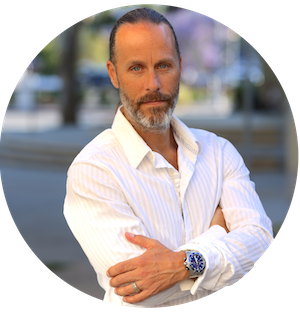
Kevin Anthony is a Certified Sexologist, Tantra Counselor, NLP Practitioner and a Sex, Love & Relationship coach. For over 10 years he has worked with men, women, and couples to have the relationships of their dreams, and the best sex of their lives! He is also the host of “The Love Lab Podcast”, creator of the popular YouTube channel Kevin Anthony Coaching, and creator of the popular online course series “Power and Mastery” as well as other online courses for both men and women.