Last Updated on November 18, 2024
What You’ll Learn In Episode 250:
Do you want to make all of your sexual encounters great? Do you think the only way to do that is by increasing your physical sexual skills? In this episode, Kevin Anthony talks with somatic sex educator Court Vox about what it really takes to have great sexual encounters. Some of these skills you may know, and some you probably don’t!
Links From Today’s Show:
To Find Out More About Court Vox, Click The Link Below:
❤️ FREE EXCLUSIVE CONTENT ❤️ The Passion Vault → https://www.kevinanthonycoaching.com/vault
👉🏼 MAKE HER WEAK AT THE KNEES
If you are ready to make big changes and finally become the man you have always wanted to be, then Unleash Your Inner Warrior Program is for you → https://www.celineremy.com/go/warrior
👉🏼 COUPLES COACHING WITH KEVIN ANTHONY
https://www.kevinanthonycoaching.com/sex-coaching-couples/
👉🏼 OUR HAND-PICKED PRODUCTS FOR YOU
We have hand-selected some great products to help support your Health, Sex Life, and Relationship! Purchasing products from us and/or our affiliates helps support the work that we do and ensures we can continue to help as many people and couples as possible! → https://www.kevinanthonycoaching.com/products/
Kevin Anthony 0:11
Welcome to the Love Lab podcast a safe place to get real about sex. Whether you’re a man or woman single or a couple, this is the show for you.
Céline Remy 0:20
We are your hosts, Kevin Anthony and Céline Remy and we are here to guide you to go from good to amazing in the bedroom and beyond.
Kevin Anthony 0:27
All right, welcome back to the Love Lab podcast. This is episode 250. And it’s titled How to make all of your sexual encounters great with Court Vox. So we’re gonna have a deep discussion today. Because when you talk about how do you make your sexual encounters great, everybody thinks about, oh, I need to master this skill, or I need to have my sex skills, you know, great are there and there’s so much more to having great sexual encounters than just your sex skills. And I’m pretty sure a court will agree with me once I welcome him on the show. But a lot of this stuff is really digging into the personal work and, you know, doing your work before you even show up into those sexual encounters. So I think it’s gonna be a great conversation. And before I waste any more time, just jabbering at you let me go ahead and read our sponsor and welcome cord to the show.
So, do you want to join the secret club of men who are great in bed then check out Power and Mastery it is the most complete sexual mastery training for men. Whether you want to have harder erections last longer or increase your sexual skills, there is something for you at powerandmastery.com. That is powerandmastery.com. Check out the full Sexual Mastery program. It is really amazing and we get great feedback on it all the time. Okay, so Court is a somatic sex educator, surrogate partner, intern, and sacred intimate he is a member of the World Association of sex coaches and founder of the body Vox. He is a guide for a vast spectrum of individuals and those in relationships, seeking more in their erotic and intimate lives. So Court, thanks for being on the show.
Court Vox 2:12
Thanks for having me. Good to be here.
Kevin Anthony 2:15
All right, let’s just dive right into it. You know, listeners of the show, know that I do pre-interviews with guests, and they know that I don’t, we don’t sit there and craft all the questions, we just kind of come up with the general idea of what we want to talk about. And when we have those conversations, bits and pieces come out that I find interesting. And so I want to ask questions about those. One of the things that we talked about in that pre-interview was the importance of how we invite somebody into sex. And so I’m wondering if you can kind of tell the audience, what do you mean by that? And why is it important?
Court Vox 2:51
Yeah, I think, you know, something that Esther Perel talks about in her work is, you know, the need for stability and the desire for novelty. And when we’re in a relationship for a long time, obviously, we enjoy the stability of that. But we need a little novelty. And if we find ourselves getting into a pattern of Do you want to have sex right now, or just noticing what your pattern to ask for sex is how you invite sex, it usually becomes a little rote, right becomes monotonous. And so the person who’s on the receiving end of that is sort of like, well, I know what this meal is going to taste like, and I’d rather not eat. So it’s, it’s a little twofold. It’s like thinking about how you invite people into erotic space with you. Whether that was notes or texts, or with intentional clothing, whether that be lingerie or, you know, for men jockstraps, or, you know, whatever your sexy, kind of intentional clothing is, and just noticing, like how that shifts, a dialogue between you and the person that’s being asked, right. So invitations are really important in that way. And also, on the other end of the spectrum is the meal that’s being served in and of itself, and we can get to that later.
Kevin Anthony 4:16
Yeah, that probably is a whole nother topic for a little bit later in the show. But yeah, I like how you make a point about the fact that how you invite somebody in makes a big difference as to how the experience actually goes. So do you invite somebody in, like you said, that sort of boring, not really boring, but like the same way that you always do it? So the person is not feeling like, ooh, this might be something you know, amazing or different or exciting, right? And just simply the way you invite them in could make a radical difference. Could you maybe give people some examples as to what you sort of did with lingerie and stuff like that, but maybe a little bit more concrete examples for the people listening like, okay, so, you know, you always do it this way, how could they maybe do it differently that might inspire their partner for more and better sex?
Court Vox 5:12
Yeah, I think another thing to notice is notice that you know, having an awareness of what your portals into erotic space are like, what is what gets you excited, and also knowing what gets your partner excited. And sometimes those are different. So if you know that your partner really needs a mood, they need candles, they need a scent, nice scent in the room, they need clean sheets, they need, you know, music playing, like create that atmosphere. And if you’re the one inviting and you know that that’s something that it really helps you drop in, do it for yourself, right? Do it for the container, even if it’s not something that your partner is really into. So I think knowing portals is really important, you know, another portal might be something that looks like there’s a certain kink that your partner or you are into.
And, you know, when I spoke about intentional clothing, it’s not just wearing it, it’s like how you’re using it to lure someone into the conversation, which might look like you’re at dinner, and you show your bra that’s underneath your clothing or a rope harness that’s underneath your dress, or for men to kind of send a sexy text at the dinner table or beforehand or when you’re at work. I think creating anticipation is really valuable for both. For everybody involved, right? I think there’s a notion that women need more anticipation than men. And I think it’s an equal measure. There are some humans that are just designed to really need novelty and like planning. So thinking about that planning of like, what’s coming Saturday, right? And there’s this notion of planning for sex is like Earth, I feel so stressed. And if you’re able to create a throughline that looks a little bit more consistent through the week, it doesn’t feel so jolting. So if the invitation comes on Monday of like, block your calendar out for Saturday, I want to take you out for some erotic time, or a special date, or however you want to language it so that you know that you’re getting a partner ready.
And then throughout the week, you’re kind of sending them messages or notes or little hints or clues that might include gifts, right might include gifts of things that you want them to wear, or places that you want to them to meet you. And memories that you have with them that you might want to reenact or just simple words that conjure images of fantasies that are desired to play within that space. And so that when you get to the actual day, it’s not the sort of like, oh, we went from the invitation to here we are, and I have no idea what we’re doing. You’ve kind of created this anticipation lead if you will, that has been inviting that person in and also yourself these invitations are really sexy for me as somebody planning them, I love the quality of time I get to be with myself to plan these things for my partner and others. And so just noticing, like, if that’s a thing for you, and again, letting it be more of a lead, a lead planning a lead anticipation and not a got from Monday to Saturday was a really big jump.
Kevin Anthony 8:38
Yeah. So you went into my next question, which was you brought in the erotic portals. And there were a couple of things in there that you said that I kind of want to go back to. One is the sort of anticipation that the building of the anticipation. And you know, my wife and I, we used to say that foreplay starts when sex ends, meaning that when your sexual encounter ends, your foreplay for the next one starts, right? So you should be always sort of nurturing that. And I would say that it’s probably more, it’s probably considered more normal that women need more of that, right? And maybe they do need more of that. But that doesn’t mean that we as men don’t need that too. I love the fact that I’m looking forward to an encounter that’s coming up in the future, that just it just gives me energy, like every day, I’m like, pumped, like, Yeah, I can’t wait for that. Right. And so I think that is a really great way to approach it. And you know, especially for men, you know, who maybe are struggling with erection difficulties or things like that these might be ways that they can help stimulate themselves, you know? Yeah.
Court Vox 9:52
Yeah. I think just to piggyback off of that, I feel like there’s such a, there’s such an expectation for men to show up. was erection to show up and ejaculate. You know, I’m launching a program with guidance service, coming up with an online program, and we’re doing some research. And there’s a statistic that 37% of men fake climax.
Kevin Anthony 10:17
I haven’t seen that one.
Court Vox 10:18
That’s a really big number. And, you know, I don’t I could guess what that speaks to. But my question comes to more of, can we allow men to have erotic and sexual experiences without climax, being the barometer for success, not only for ourselves but for our partners who feel like, oh, they didn’t cum. And so I feel disappointment, I didn’t do my job, right? And everybody feels a level of a shame cloud come over. And what happens in that is, we tend to go to results-driven, results-driven sex, which, to be honest, is not that exciting. And it’s really not that if I’m coaching somebody and how to stay in their body if they’re always thinking about getting to the climax or coming, they’re not in the present moment. And so some of this, you know, planning and creating anticipation, and even like, in a scene itself, when you’re actually in erotic space with someone of, you know, coaching people how to use frameworks, what I call erotic frameworks, or tools to pull of, oh, you know, what things are LOLing a little here, and I feel myself being pulled to exit the situation, can I stay here a little bit longer? And for a lot of people, the answer is no, because I have no tools to stay here longer.
And so in my work, it’s, it’s, it’s helping people find tools that are like, Okay, I actually have this thing, we don’t need to go from A to Z in a, in a linear line, we can kind of wobble around and squiggle up. And we can go into software space together, and then we can bring energy back up, and then go back into software space again, you know, it’s like, thinking about a touch and energy and being with someone from a more nuanced perspective. And we’re not taught that and we don’t see it, we don’t see it in porn, we don’t see it in relationships. And it’s really disappointing when we don’t hit our mark. Right? And to tell someone just enjoy the journey. Just don’t worry about it. Right? It’s easier said than done, because it’s so it’s such a narrative that lives deeply in our bodies that we have been conditioned to know, from very early on. And so it takes time. And it takes patience, and a willingness to kind of stay in some uncomfortable areas, to live in a place that’s not goal oriented.
Kevin Anthony 13:08
Yeah, I couldn’t agree more. And coming from a Tantra background myself, that’s a huge part of Tantra is that it’s about the journey, it’s about the waves and the different levels you go to and all of that, and you’re not focusing on an end goal. So that is a huge piece of the work I do too, which is trying to help men understand that the goal is not a jack Ulation goal is not get in there as quickly as you can, you know, pomp and then you know, having a jacket like that, that’s not the goal. And if you can let go of that. And you can really embrace the journey that the two of you are creating, that you’ll actually have a much more powerful experience than if you just went straight for the end goal. So yeah, I completely agree that is, that is very important in making any sexual encounter great. And it’s also something that people are not taught at all. And honestly, I even find in coaching, it’s sometimes hard to convince people that that is the truth.
Court Vox 14:10
Yeah. And I think it’s, you know, if we were talking about like, practical practices, right, that are difficult. You know, a simple one would be expressed to your partner before you have sex that you are not going to come and that you are, you’re in a place of curiosity around what it would be like not to come and so taking the pressure off your partner that that’s their job. And also, I mean, even saying it to someone is like the feeling of saying it out loud is uncomfortable for many people. And so let that be a practice and also enrolling your partner in part of the conversation so they’re not wandering right? Yeah,
Kevin Anthony 14:58
yeah, yeah. I would tell people all the time, my wife and I, we would have sex on average, you know, three times a week or so. And, you know, we would other than penetrative sex, you know, like, you know, do blow jobs and this and that just sporadically throughout the week. And I would tell people, I probably only would a Jackie late, maybe twice a month. And people would just, it would blow their minds. And they’d be like, how is that even possible? And why would you even want to do that? And I say, well, because if you once you’ve been able to take your lovemaking to the level where you can move tons of energy and have those deep connections, you don’t feel that need where you have to jack it, you do it when you choose to when the moment feels right. And you’re like, Yeah, I feel like I want to do this, or sometimes she would ask for it. Right, you know, and so, yeah, but it’s it is really a difficult concept, I think, for a lot of people to understand.
So I’m glad that you brought that up, and that we’re sharing that because it really is a key part to having great sexual encounters, letting go of the agenda, letting go of the end goal, and allowing the experience to develop in however it’s going to develop at that moment, I want to come back to something that you started to talk about earlier. And we were talking about the erotic space. And you mentioned a couple of things you know about sounds and smells and all. But one thing I have definitely noticed in working with a lot of men is that this is like a lost art. In other words, a lot of guys just don’t think about the details. They just don’t. And on the other hand, the women are always thinking about the details, you know, if we’re talking about more of a straight heterosexual perspective whereas, you know, she’s thinking, oh, boy, I wish he would have done this or wish he would have done that. And he’s over there oblivious, not even realizing that he should do these things. I’m wondering if you could talk a little bit about, you know, from the man’s perspective, when it comes to creating an erotic space? What types of things should he be thinking about? How should he be setting this up? Like, how can he create this environment to be pleasing for, you know, his partner, whether that partner is a man or a woman doesn’t really matter. How can he show up and, and create a better space?
Court Vox 17:23
I think it’s important first to just acknowledge that space can look a lot of different ways, right? So, you know, for someone, you know, an erotic space might look very sensual, it might have a smell, there might be, you know, again, clean linens, and all, all the things that make them feel safe enough to drop in. And then other people just might not need that. Right, the bathroom might be just as good, the bathroom floor might be just as exciting or the kitchen. And so kind of understanding what your partner enjoys from a space perspective is important. And also really understanding what turns you on, right? So maybe, maybe candles and smell and all these pretty frilly things are not your thing. And what is your thing? And I think this is a question that most people don’t ask themselves, or get asked, like, what turns you on? From a space perspective? Do you need the environment as part of your turn-on? And for some people, it’s no.
And for other people, it’s so important that they can’t drop in without it. So I think, you know, instead of kind of drawing broad brush lines, I think, again, there needs to be more inquiry between lovers, and more inquiry into, Hey, what is it that turns you on? Do you need that sort of setup? Is that exciting for you? And sometimes the answer might be I don’t know, right? I get that a lot with clients is I actually don’t know what I want or what I like. And I’m sort of like here to figure it out. And so if we can allow there to be curiosity and a question of what that looks like, then we can embark on some experiments. Right? Okay. Well, let’s, today in this experiment, I’m going to create a beautiful room. Right, let’s see how that changes things. And then maybe the next experience will go to a bathhouse, and I will fuck you in the shower. Oh, that’s different. But that actually hearing that turns me on more than then the candles in the bedroom, right? And low lighting. So it’s just it’s sort of like understanding where people’s portals into erotic space lie. And oftentimes, our portals into erotic space are different than our love languages, which is a little bit tricky.
You might need lots of adoration and affection and attention as your love language outside of the bedroom. And inside the bedroom, you could have completely different needs, you want to be defiled, you want to be treated like a toy, or an object. And so that can have, that can be confusing, right? I want this here. And I want this here. And it’s like, how do these connect, but this sort of understanding and reckoning that the erotic doesn’t live on, quote, unquote, cultural terms, like, the bedroom is different than the boardroom. And how we behave in our culture in our society, is so different than how we can allow ourselves to behave in the bedroom or the stock room, or wherever we are.
Kevin Anthony 21:00
Yeah, that’s an interesting point to make. So a couple of things there. I like the idea of. So people tend to think of this in terms of when I’m creating space and creating it for the other person. But something that you brought up was the fact that yeah, you might be creating it for another person. But you might also be creating it for you. So even though your partner may say, I don’t really need candles or smelly things, but that’s what you need, you can create that for yourself, while also being aware of what the other person needs, and either incorporating in something that they need or not right, just depending on what they actually need. Because like you said, they may not need anything like that they may be fine with the bathroom floor, right? But that idea of it’s not just about the other person, although you should be thinking about what the other person needs, right? But you can do both. That’s, I think that’s a good distinction to make.
Court Vox 21:59
I think it’s actually you know, to put it in a different frame, to think about, and ask the question of who is this for? Right? If you’re, you know, this goes into the work of buddy Martin, which is the wheel of consent work, and, and really asking the question of who is this for? And so, if you’re creating an experience for someone as a gift, you know, you want to pay attention to what they love, like you’re creating it for them as a gift. So just as you’re tracking, is this for them? Or is this for me? And if you’re creating something for yourself, to be clear about that, right? I have given gifts to two people, erotic friendships or partners in the past, where I’ve said, this gift that I’m giving you is for me, open it. And they’re like, this is something I would never wear. Like, that’s right. This is not for you. It’s for me, and can you give me this gift that I’m requesting, right?
And so, you know, for some people that’s really sexy, to, to actually acknowledge that the direction of care can shift, right, there’s this the age-old example of the massage where your partner comes home, and you’re like, I’m gonna, I want to give you a massage. And they’re like, Great, I’m tired. And I would love a massage from you, and, and you start giving them a massage, and they’re falling asleep. And then all of a sudden, you start to slip your fingers in their bowls and play with their genitals, and they’re like, Wait a minute, I thought this was a massage for me. And I told you, I was tired. It’s been a long day, I would love to be nurtured by you. And here you are taking from me. And this isn’t a gift, this is actually for you. And so when we can get into this new sort of frame of thinking, it does shift the way that we engage with our lovers. And actually in the world. We can understand, you know, who this is for, you know, and know, like, actually, this is for me, I’m going to take this for me. And I’m going to set this room up exactly how I want it. And hopefully, they’ll love it. Right. But having that clear understanding, I find this is an important part of growth and learning as individuals.
Kevin Anthony 24:25
Yeah. And I think the key to that is exactly what you said is you just got to be open and honest and upfront with it, right? You give them the gift and they’re like, Wow, this is something I would never wear. But as long as you say, Yeah, that’s right, because this is actually a gift for me, then it’s all good. What you do see, unfortunately, with men a lot of the times is no, no, it’s really a gift for you when it’s really a gift for them. But they don’t tell you it’s a gift for them. They keep playing the game and pretending that no this is really a gift for you when in reality, it’s a gift for them. And the only real difference is just being upfront and honest, about what it is.
Court Vox 25:02
I don’t know that it’s gender specific, I think, you know, all bodies move into space. And that way of, of actually doing it unconsciously, right, because we don’t have language around it. So people are unconsciously doing these things. But from a deep somatic knowing there is a feeling of this actually doesn’t feel quite right. And I would call these like micro transgressions that continue to happen over and over again, and they start to add up. And so when you when I work with couples, and I start to unpack, like, why it is that they’re not able to connect radically, it’s there’s a lot of these little micro transgressions that are seemingly innocuous in the moment, but they start to add up, and they just keep creating walls and pushing away. And a lot of times, it just takes the introduction of this new language, right, because this is a new language.
Most of the time, when I work with clients, the biggest, one of the biggest acknowledgments is like, wow, I am going to, it’s going to take me some time to wrap my head around this new language, and this new way of thinking that comes with it, because I’ve never heard it before. And I think it’s important as we’re, as we’re continuing to grow in this space that you and I are n is to keep reinforcing. And keep introducing new language that people can lead with, that acknowledges that there have been micro transgressions, bubbling. And sometimes it just takes someone to introduce the tool for them to go, Oh, wow. That’s, that’s it. I’ve actually, my husband or my wife, or whoever my partner has been taking from me all these years, taking energy from me and telling me it’s a gift, and gaslighting me. And I feel gaslit. But at the same time, that person is not even aware that they’re doing it, they’re doing it subconsciously. And so it’s like, introducing this concept. And sometimes it’s so simple, right? And also very challenging to wrap. I’m gonna say your head and also your somatic body around, right, because there’s a there’s a difference between knowing it in your brain and then sealing it in your body.
Kevin Anthony 27:32
For sure. And yeah, you know, I do want to make a point. So you know, I work primarily with heterosexual couples and men. So that’s often the perspective that I come from. So when I say that I see that a lot in men, it’s because that’s where I primarily see it. But you’re right, it can show up in any sex or any combination of couples.
Court Vox 27:53
Then just to note, I work primarily with queer men, I work with women and straight women, and I also work with queer and straight couples. So, my knowledge base actually comes from many different types of bodies. And what I know is there’s, there’s a lot of interconnectedness. And there’s, there’s a great deal of effort to try to separate these dynamics and these types of bodies. And there are also micro transgressions at deeper levels, happening within queer company queer relationships that revolve around masculinity and femininity and misogyny and racism. And those are present in straight relationships to and they’re really, those are really like heavy concepts to take in. And if we’re not kind of addressing them, you know, even at a soft level. We’re just scratching the surface.
Kevin Anthony 28:57
Yeah, well, that, that those, you could make several shows out of those particular topics. We don’t have time in this episode to go into all of those things, for sure. But let’s come back a little bit to some of the stuff we were talking about before you mentioned love languages. And there’s a lot of different systems love languages, there’s one there are blueprints, there are other things out there that are ways of kind of trying to map out who we are and what we like. And I was just wondering if you could talk a little bit more about how that factors into all this stuff with portals and all of that, like why did why do we need to know that and how does it factor in?
Court Vox 29:41
Well, I think it’s important to understand how you love to be loved. Right? So you can share with people. I, you know, I have a relationship with a man who identifies as straight and queer. And we’re very dear friends and He had come to visit me in Los Angeles, or he had come to visit Los Angeles. And the day before he left, he texted me and said, I’d love to take you for coffee tomorrow. And a part of me was like, No, I’m not gonna go, this is way too late notice to invite me to coffee, and I don’t want to be considered an afterthought. It’s not my, my brand or my style. And I really respect this human, and I love him, and I wanted to see him. And so I let go of my power. And I decided to show up anyway. And the first thing I said to him was, I needed to know that I made an exception to meet you today.
And normally, if somebody had reached out to me on Saturday evening for a coffee this morning, I would have said, No, but I love you so much, and I wanted to time with you. And in the future, I need you to know that I will not say yes to last-minute requests like this again. And his response was, thank you for letting me know how to be a better friend to you. And, you know, there are two parts to the story, which is me actually setting a boundary. And me knowing that one of my love languages is time, right? Time is valuable. To me, time is important when people make time for me, and I make time for them, it’s actually very meaningful. And because he didn’t honor that I actually spoke my boundary. And I said this is how I would like to be treated and considered in the future. And if you’re not willing to meet me, there, I am going to be a no. And instead of fighting me, instead of coming up with all the reasons why I could be wrong, or how he didn’t mean it, or understanding the difference between intention and impact.
His words, were, thank you for letting me know how to be a better friend to you. Which was such a paradigm shift in relating for me, in terms of how I deal with most men. And so letting that be an example of, it’s important to let people know how to care for you. And a big part of that is understanding how you love to be loved, and how that shows up for you so that you can express it. And I’ll tell you something, it’s difficult. It’s challenging to tell people how to how you want to be loved. And it’s challenging to tell people the portals into your erotic space because they also I’m gonna say they can be very different. And there, it’s vulnerable, it’s vulnerable to show up like that because you don’t know what the other person’s responses are. And, you know, one of the agreements in somatic sex education is we don’t like each other’s young. And it sounds so silly, the languaging. But it’s actually so valuable and important. If your partner tells you, this is how I need to be loved or how I desire, what I desire in the bedroom, for you to go, I can’t do that. That’s, that’s gross. Like, what’s wrong with you? You’re disgusting, right?
Whatever, even if it’s like a micro transgression of woof. Now, if we can actually hear the other person before we speak, or respond, and say something like, wow, that’s, that’s something I didn’t realize was in you. And I’m surprised, I may need to take a minute with it. Or it’s really not my thing. And I’m willing to, like, experiment with you. You know, for some people, specifically in partnership and sexual partnership, something might not be your thing in the beginning. And it might become your thing. Based on trying a and b based on the connection and the intimacy and love that you have for this other person. You might not want it with anybody else. But with this person you’re willing. And actually, you learn to love it because of the deep connection that it brings the two of you. And so that agreement is actually really important. And actually noticing when it comes up, like are you aware, you just yuck my own? And the person might say, oh my god, I’m sorry. No. Can I edit my response? Yes, so leaving room for repair, the repair is so important. And if we can catch it, and do it in real-time, even better, right? So I think I’ve gone off on a tangent but I think it’s an important piece of that.
Kevin Anthony 34:42
Well, it is an important piece and you’re actually leading into the next question that I had so yeah, you definitely answered the question on why understanding somebody’s you know, love language or their blueprint or whatever term we want to use is important. So so we got that and but then you started to go into some other their skills. And so my next question was, you know, you’ve talked about the fact that men shouldn’t just focus on their sex skills. So what other things should they be focusing on? And so you kind of led towards that, because you mentioned boundaries, you gave a great example of clear communication. So maybe you could talk a little bit more about those types of things, and maybe some other things that guys should be focusing on.
Court Vox 35:25
So I’ll speak to men as in broad strokes, I think, all people, so all people, but I’ll speak directly to men, I think listening, listening, learning how to hold, right, these are active roles. Witnessing, holding, actually not doing anything, like sometimes not doing anything is enough. And that’s so hard for men because we’re really trained to be industrious and doing and we got to push for the outcome. And so sometimes taking a step back, actually, and like just noticing the body language that your partner is offering, you know, I’ll speak to female-identified bodies, in this moment of noticing that sometimes female bodies will go quiet. You know, and it’s like, knowing of like, I’m going to sit with this for a minute, it doesn’t mean that she’s disassociating, necessarily, like, I’m still feeling her presence.
And then this deep exhale of pleasure comes in, you’re like, there she is, she’s been here all along. Right. And it’s, it takes that level of holding of sometimes, you know, just being there. And knowing that’s enough, staying in presence. Again, so much of the languaging. And teaching for men is around the skill set of like, how to get her off and how to make her squirt and how to. And what we’re not teaching is the nuance of touch. We’re not teaching men how to listen, not just with their ears, but in not just with their eyes, which we’re so good at. And yet, we’re missing the deeper level of knowing from watching and witnessing, we’re just seeing what we want to see. But actually feeling in your body, then noticing, and being present with an energy that’s there. And, you know, asking the question of is this wanted right now. And I think a level of discussion ahead of time, it’s also really important. Like, we get so tied up, and well, that takes the mystery out, and that takes, you know, takes the flow away.
And what I find is when I negotiate the scene, or specific desires or needs, with a particular partner ahead of time, it allows for more flow, it allows for more creativity, because I know where the edges are, it’s not the whole universe, it’s actually, you know, there’s a lot of room within the boundaries and edges we’ve created. And I know that these words, I’m not to call them not to call their parts, these words, right, because those words are actually triggering for them. And it takes them out of our experience together, in a way that connection is no longer available. And the other piece is like, you know, these are the things that I’m into, these are the things that I would love to garner from this experience with you. How do you feel about that? Well, I, I love this. And I love that not that thing here that you mentioned, that’s going to need to wait. And so understanding where the banks of the river are, allows for the river to flow in a way that’s structured.
And also there’s tons of room for flow. You know, I’m so tired of people saying, well, boundaries and discussion around what is going to happen just takes the flow and the creativity away from it. It’s like no, actually, it allows us to know each other in a deeper way. And those conversations are hard, you know, to say something like I love to be spanked. Or I love to be called these names and to like wait for your partner’s response of are they going to throw me out of this cave? Am I going to be shamed for my desire? And what happens when we’re met when we’re met with a desire is actually heard here and celebrated? Rather than tossed out with shame, is we we can begin to build more resilience, not just in ourselves, but in our relationship of, Wow, I feel safe enough to open here, I can share more. And you also give permission to the other person to do the same. And those are really big things.
Kevin Anthony 40:21
They’re huge things. And yeah, I’ve heard that same excuse many, many times that, you know, having good communication, taking time to have the safe sex talk, or scheduling sex, all those things, take us out of the moment. They really have no idea how much better the moment could be if they actually slowed down and took the time to do those things. Because, as you mentioned, it brings a layer of safety in there and allows people to open up to things maybe they wouldn’t have opened up to before. So if there are any listeners listening, who still have that mindset of Well, that takes me out of the moment, or the spontaneity of it, or whatever, I strongly suggest that you drop that idea now, because you will have much better sexual connections, if you can let go of that, and do the things that you need to do to set it up properly, which is all that stuff we’ve been talking about.
So, you know, the premise of this episode is how to make all of your sexual encounters great. And this is exactly what we’re talking about. It’s all of these, you know, more what we would call soft skills, as opposed to, you know, the hard sex skills, that are the things that truly make it great. Now, obviously, if you’re, you’re, you know, harder sex skills aren’t real good, that that could maybe make it not so great, also. But that’s generally, you know, that’s generally not the case for most people, most people, I think, have at least a decent enough level of, you know, hard skills. And the problem is, they’re missing all of the soft skills, that’s what I see a lot. So it’s a great conversation to have,
Court Vox 42:01
I think with the hard skills, it’s like recognizing that you can learn those and the hard skills are actually different for different bodies. You know, you might be with a woman who loves really soft touch, and really slow penetration, and really gentle clitoral stimulation, that might be her thing, right? And then you might go to another partner, and she likes deep and hard and rough. And you know, both of them might have a combination of the two. At any given moment, their body might change, and so can yours, right? It’s just like, where am I at in this moment? What do I want now? And to be able to understand that our eroticism is evolutionary.
And we have the right to change our minds. And, you know, to understand that the soft skill of being able to ask of, hey, I’m touching you here, and I’m noticing that you’re quiet. And I know for you that going quiet is actually like a sign that you’re not into this, how can I make it better? You know, sort of coming from a place of curiosity, instead of I got it down. I know this, I know how to touch women’s bodies, I know how to, you know, give a good blow job. Like, great. And, like, not everybody wants it that way. And so your hard skills might be transferable to many types of bodies, and not all. And that’s where the soft skills of being able to be curious and ask questions and be with the actual person that you’re with. Instead of this blanket of I got it down. I got swagger. I know what I’m doing. It’s like, it makes me cringe a little bit.
Kevin Anthony 43:50
As it should because you’re right everybody is an individual regardless of what body they are in. I sometimes get really funny comments on my YouTube channel from guys. I always do it this way with every woman and it always works and I just roll my eyes. Yeah, all right, whatever.
Court Vox 44:07
I mean, considering that the orgasm gap is what it is. I think they might want to take another look at that.
Kevin Anthony 44:14
Great Okay, I got a couple more questions for you. Before we wrap up first I want to take a quick break for the second sponsor. Hey guys, do you know what makes a man great you know the kind of masculine man that women are irresistibly attracted to and want Is it money job title his physical body being great embedded big pain is great pickup lines what if you don’t have those or only some of them? What if you’ve had a string of failed relationships are embarrassed by your bedroom skills doubt whether you can rise to the occasion worry about lasting long enough or are always stuck in the friend zone? I can help you if you’re ready to make big changes and finally become the man you’ve always wanted to be then this is the program for you.
Please go to KevinandCéline.com/go/warrior that is where you can find information about my Men’s coaching program we will talk about a lot other things that we’ve talked about in this episode here today, and we will cover both physical skills as well as all of these soft skills. Because as we have discussed here, doesn’t matter if you’re gay doesn’t matter if you’re straight doesn’t matter if you’re in a heterosexual relationship or not, these skills apply to everybody, which is why it’s important to talk about them. Okay, so, a couple of last questions. We’ve been talking about what we’ve been sort of calling soft skills. And the question is, if men are lacking these soft skills, if they’re lacking the capacity to pick up on these, you know, what we’re calling soft skills or social skills, what can they do to get better at it? How can they get better at these things?
Court Vox 45:48
You know, I think taking classes reading books, see seeking out teachers and partners that feel resonant with with with them. I think there’s, there is still quite a bit of shame around men who seek out education in this arena for themselves because it indicates that they don’t know what they’re doing. And the fact is that a lot of people don’t know what they’re doing. The difference is they’re actually actively trying to figure it out, which is something to celebrate, and something to commend someone of, maybe you don’t know. And actually, I would rather, I would rather have sex and be in an erotic connection with someone who admits that they don’t know, but are curious about my pleasure. And about what I want in the moment than somebody who says they’ve got it all figured out.
I actually am not interested in that second person. Because there’s no room for creativity, there’s no room for it getting it wrong. It’s just a lot of ego involved. And I’m not, I’m not interested in being in an erotic space with someone’s ego. And when you know, Osho talks about why erotic connection and sex is so much a value for humans. And one of the things that he says is that in sex, our ego falls away. We’re just not, it’s not available to us in that moment. And the second one is that we come back to nature, we are like trees, we’re like water, and we’re not necessarily this physical body that we are. And so just like recognizing that, of not interested. I’d rather be with someone who is curious instead of somebody who’s got to figure it out.
Kevin Anthony 47:47
So yeah, basically, what you’re describing is somebody who’s always in what they call the beginner’s mind. Right? So you know, as a longtime martial artist, you know, people who aren’t martial artists will often think that once you’ve achieved black belt level, that’s it like, whoa, you’ve reached the mecca of what it means to be a martial artist. But true martial artists, when you reach black belt, that’s the beginning of your journey. That’s literally the beginning of it took you, you know, five years, eight years, 10 years to get there. And now you’re literally at the beginning of your journey. And what does that mean? What that means is it doesn’t mean you’ve got it all figured out. Once you get there, it means that you have a baseline of skill, and you’ve got the beginner’s mind, the idea that there’s still so much more that you could learn because there always is. And as you’ve pointed out multiple times in this episode, every person is different. So even if you’ve got it all figured out for your one partner, which you probably don’t, but let’s just say that you did. Now you have another partner, and it’s a whole new ballgame, right? There’s a whole nother person here with a whole nother physical body and a whole nother set of desires and needs and wants and all of that.
Court Vox 48:52
Yeah, and I think the, the figuring out peace as part of the sun, totally, like when you when you’ve figured it all out, it’s like, Okay, now what, and I, you know, I had this experience a year ago, where I felt like I had had all of the erotic experiences that I wanted to have. I had, you know, incredible, incredible experiences. And I went through a period of like three months where I was like, what, what is left for me, what is left for me to explore when I’ve explored so much already. And what came to me after a while was I have to go back to the beginning. And I’m sort of in that process now of being in a different place around all the things I already know, of seeing it through fresh eyes and seeing it from a more subtle place. And you know, without that, noticing I would be really sad. I’d still be in that really sad place. So yeah, a beginner’s mind is important.
Kevin Anthony 49:57
Yeah, you know, I’ve speak primarily from a heterosexual point of view, because that’s who I am, right? That’s how I see the world. So it’s easy for me to speak from there. So from that point of view, one of the things that I’ve always appreciated about being with women, and what I appreciate this thing I’m going to tell you is something that frustrates a lot of other men, which is the fact that every sexual encounter that you have, I mean, even my wife and I having been together for as many years as we were, every time we would get together, there was a possibility that she was going to show up differently. Now, this is one of the things we say about the feminine, she’s like water, she’s always flowing. In one encounter, she shows up and she just wants to be pounded like just full-on deep and hard.
And another time, she just wants slow, gentle connection, and it’s always changing, and you never know what you’re going to get. And even if she says, prior to the sexual encounter, that she’s in the mood for x, then all of a sudden, when you’re in the middle of it, she’s like, suddenly in the mood for y you know, then what I always loved about that is, it was you never got into that boring complacency of I know what it’s going to be every time she’s gonna want this, I’m going to do that, right? It always kept it dynamic and alive. And I had to pay attention to really where she was at and what she was needing in the moment. And I know that’s frustrating for a lot of men, because a lot of men kind of just want to be on autopilot and just know what to do push this button, pull this lever and you know, blah, blah, blah. But I encourage them to embrace that. And to really want something to really want to be in a relationship where it’s not. So just push this button, pull this lever do the same thing all the time.
Court Vox 51:41
Yeah, no, I want to just recognize some languaging around gender, gender roles and point out that, you know, if we’re referring to this quality of being in flow as feminine, just sort of taking that away, that men and masculine identifying bodies, or penis owners, for that matter, whatever you want to say, you know, there is there, what I would like to invite is that there is a possibility and there should be room for men to feel that too, for us not to always be needing to be the space holder or the banks of the river but being allowed to be the river to and what does that look like? And how does that show up? Yeah, because it’s acknowledging that we have these polarities within us all.
Kevin Anthony 52:34
Yeah, and, you know I frame it that way, because, in general, and we have to talk in generalities because we’re talking to a broad audience, right? So there are going to be people on all on all sides. But in general, we are a whole lot more consistent as men, we tend to show up, you know, relatively the same, that’s not always true but in general, that tends to be true, whereas my experience with women is they tend to show up very differently consistently differently.
Court Vox 53:02
We will have to agree to disagree on that.
Kevin Anthony 53:05
No problem, you know the thing is we can only speak from our own experiences. And so that is my experience with the partners that I’ve had throughout my life and even with a lot of people that I’ve coached, but that doesn’t mean that’s the only experience out there. Okay. One last question. And then I’ll give you an opportunity to tell everybody where they can find out more about you. And then actually, it’s not true. I got one other quick question after that. So this question is, you know, we’re talking about the overall premise of the show is that how do you make every sexual encounter great, we’ve talked a lot about, you know, soft skills and portals into erotic space, and all of that kind of stuff. If you could give people one piece of advice on how to make their sexual encounters great, like a place to start, like maybe the most important thing that they should know, or they should take away from this, what would it be?
Court Vox 54:01
I mean, I’ll just speak to the fact that the title ended up itself rubs me, we talked about this. And I’ll say why, and I’ll say why I think this is probably the most important thing to consider is that going into an experience, wanting it to be the best it can be. And it’s like striving for the climax. And so if I could give one piece of advice about how to have the best sex of your life, it would be to let go of the fact that it’s going to be the best and instead, stay curious about the desire you have in the moment. Be present with the person that you’re with. And afterward, have a little digestion and think to yourself feel into your body of what felt really nutritious here, and nutrient-rich, and what felt like something I wouldn’t want more of what felt something that was a little bit trickier hard. And even asking those questions the person that you were just with, what was delicious about that for you? Like, what would you want more of, you know, instead of making it the best thinking about it as an experiment that we’re gleaning information from, and how to not make it better, but how to do it again, how to do it again, and staying in that process consistently staying in the process of curiosity, and kind of willingness to explore.
Kevin Anthony 55:32
Awesome, that’s great advice. So yeah, you know, I threw out the day, I rarely do this in pre-interviews, because I don’t normally have any idea what the title is going to be. But having reviewed your bio, and stuff, that was an idea that came out, I threw it out in the pre-interview, and you were absolutely not happy with it. But I went with it not to give you a hard time or not, not anything like that I went with it. Because when I want to get a message out to people who are listening, I need to attract them into wanting to hear the information. Right. And so what do most people want? They want to have great sex, right? So I put a title matters is how you can have the best sex and it’s not misleading. It’s not bait and switch, because everything we talked about will lead to them having better sex.
Kevin Anthony 56:21
But I need a way to draw them in and to get them to want to hear the message that we have. And you know, there are definitely you and I we come from very different perspectives and very different backgrounds, right? And I understood that inviting you onto the show, but I want to have multiple voices on here. And you know, it’s perfectly fine if we disagree. There’s nothing wrong with that. I could tell from when I talked to you the first time though, that where we disagree is more on the outsides. And the core values are in alignment. Because as I listened to you speak, as I asked you questions in this interview, I’m agreeing with what you say, right? It’s just some of the nuances along the outsides, because we come from different backgrounds, which is maybe where we don’t line up, but the fact that you have a valuable message to share and that I think we are mostly in alignment in there, that’s where there’s value in having your voice here on the show. So thank you. All right. Last question. Before we get off his question, I asked everybody that’s on the show. It’s just kind of a fun, light-hearted question, which is, what is your best sexual talent? Hmm. Creativity.
Kevin Anthony 57:51
Well, it actually fits in a lot with what you’ve been saying, right? A lot of what we talked about is bringing that beginner’s mind and that creativity into every experience that you have.
Court Vox 58:01
I consider myself an artist, and it takes creativity and thinking on my feet and being in the present moment being with the individual that I’m with and that that particular moment, and that takes a level of thinking outside the box, which I feel like I’m good at.
Kevin Anthony 58:19
Very good. That’s a great skill to have. Well, Court, I want to thank you for being on the show. I hope that the listeners who are listening got some value from it and always keep in mind that it almost doesn’t matter what our background or our perspective is, there are some universal truths when it comes to two people coming together. And I think that we hit the core of some of those. Some of those things that don’t matter, you know, gay, straight, whatever, that there are things ways that we should show up in a relationship that can really maximize those relationships that span the spectrum. And I hope that people were able to pull those messages out of this. So again, court, thanks for showing up on the show. Thanks for having me. All right. All right, everybody. That’s all the time that I have for this episode. And I will see you next week.
We hope you liked this episode of the Love Lab podcast. If you enjoy this show, subscribe. Leave us a review and share it with your friends.
Céline Remy 59:17
And for more free exclusive content. Join us in the passion vault at kevinanthonycoaching.com/vault. That’s kevinanthonycoaching.com/vault. Thanks for listening. And remember, you’re amazing!
We hope you liked this episode of The Love Lab Podcast. If you enjoyed this show, leave a comment and share it with your friends.
RATE & REVIEW THE LOVE LAB PODCAST
—> LEAVE A 5-STAR REVIEW ON APPLE PODCAST
ASK A QUESTION FOR THE NEXT EPISODE
—> Click here to leave a message directly to Kevin and Céline to be answered on the air.
Thanks for listening and remember you are amazing.
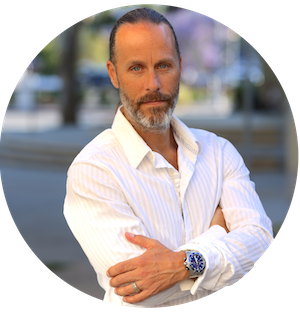
Kevin Anthony is a Certified Sexologist, Tantra Counselor, NLP Practitioner and a Sex, Love & Relationship coach. For over 10 years he has worked with men, women, and couples to have the relationships of their dreams, and the best sex of their lives! He is also the host of “The Love Lab Podcast”, creator of the popular YouTube channel Kevin Anthony Coaching, and creator of the popular online course series “Power and Mastery” as well as other online courses for both men and women.