Last Updated on November 18, 2024
What You’ll Learn In Episode 277:
Have you or your partner ever experienced pelvic pain? Have you ever considered that your partner’s lack of libido could be related to pelvic pain? Has your doctor told you it’s just normal and/or just deal with it? In this episode, Kevin Anthony talks with Licensed Marriage and Family Therapist and Sexologist Nicoletta Heidegger about what pelvic pain is, how common it is, what effects it can have on your sex life, and what you can do about it. This episode is definitely for both men and women.
Links From Today’s Show:
To Find Out More About Nicoletta Heidegger, Click The Links Below:
🔥 POWER & MASTERY 3.0 IS HERE!
The most complete men’s Sexual Mastery Course is now even better. To find out more go to https://www.powerandmastery.com
❤️ FREE EXCLUSIVE CONTENT
The Passion Vault → https://www.kevinanthonycoaching.com/vault
💪 MEN’S SEXUALITY & MASCULINITY COACHING WITH KEVIN ANTHONY
If you are ready to make big changes and finally become the man you have always wanted to be, then Unleash Your Inner Warrior Program is for you → https://www.kevinanthonycoaching.com/go/warrior
👉🏼 COUPLES COACHING WITH KEVIN ANTHONY
https://www.kevinanthonycoaching.com/sex-coaching-couples/
👉🏼 OUR HAND-PICKED PRODUCTS FOR YOU
We have hand-selected some great products to help support your Health, Sex Life, and Relationship! Purchasing products from us and/or our affiliates helps support the work that we do and ensures we can continue to help as many people and couples as possible! → https://www.kevinanthonycoaching.com/products/
Kevin Anthony 0:05
Welcome to the Love Lab podcast, a safe and fun place to get real and learn about sex. Whether you’re a man or woman, single or couple, this is the show for you. I am your host, Kevin Anthony, and I am here to guide you to go from good to amazing in the bedroom, and your relationships.
All right, welcome back to the Love Lab podcast. This is episode 277. It is titled How pelvic pain can affect sex and what to do about it. This is something that is actually far more common than most people realize. We’ll talk about some statistics as we get into the show. And because it is something that is so prevalent, and because so many people aren’t aware of that, in other words, and we’ll talk about this more in the show, a lot of people think they’re the only ones that have this problem, and they don’t realize how many other people have the problem. I thought it would be a great topic for the show because I know that it’s important to a lot of people. And if you are watching on YouTube, you can already see that I have a guest on the show today who’s going to help us explore this topic.
But before we get there, a short word from my sponsor. Power and Mastery 3.0 is here the men’s sexual Mastery program you have heard about on the show for a long time is now even better. I have personally reviewed every module lesson video, audio, and PDF to see if there’s anything new that needed to be added. As a result, I’ve added 10 New videos one new audio eight new PDFs, and dozens of links to handpick products to help support your journey to mastery. In addition, there’s also a brand new user interface that makes it easier to navigate the course and find your course materials. So if you are ready to become the sexual Master, you have always wanted to be then go to powerandmastery.com. As you know, that is the men’s sexual Mastery program that Celine and I created. And this past year I put a lot of energy and effort into updating to make sure it had the most modern and recent content that we could possibly put into it. So go check that out at powerandmastery.com
Okay, so my guest today is Nicoletta Heidegger. She is a licensed Marriage and Family Therapist and sexologist practicing in Los Angeles, California. She specializes in sex therapy and equine-assisted psychotherapy. We’re going to talk a little bit about that probably later on in the show. Nicoletta received her BA in Psychology from Stanford University, her MA in clinical psychology from Pepperdine University, and her master’s of education in human sexuality from Weidner University. She sees therapy clients virtually and at her unique ranch office in Los Angeles, where she offers outdoor sessions and equine facilitated, also called equine-assisted psychotherapy and learning. She also provides coaching, consulting, education and retreats to folks around the world. When she’s not seeing clients. Nicoletta creates weekly content via her hit show sluts and scholars a podcast for professionals who prioritize pleasure. So welcome, Nicoletta, to the show.
Nicoletta Heidegger 3:20
Thank you for having me. I’m excited to check out your mastery course too. That will be really helpful for partners and clients alike.
Kevin Anthony 3:28
Yes, you know, it’s one of those things that we always recommend to men, look, if you’re not where you want to be sexually in the bedroom, and in your relationship, check that out. But we also always tell the women if their man is not doing it for them in those areas, maybe they should encourage them.
Nicoletta Heidegger 3:44
You know, it’s a practice, it’s a thing we can all learn how to do better. It’s not like all of us were just born out of the womb like I’m great at sex now. So this is much like driving a car or starting a podcast, you can learn to do it better, as I’m sure you preach about all the time.
Kevin Anthony 4:02
Yes, I do. I tell people all the time that you know, like, we know how to breathe. We were born breathing, but that doesn’t mean we’re good at it. Right. That’s why there are people like Wim Hof out there teaching everybody how to breathe, right? So just because we know how to do sex doesn’t mean we’re good at it unless we’ve taken the time to really learn it. So I completely agree. All right, well, your credentials are very impressive. And I know that there is a lot that you can share. But when we spoke in the pre-interview call, one of the questions I often ask guests is like, what’s most alive for you right now? Like, what is the thing that you’re really excited to talk about? And that’s where this idea of pelvic pain came up? Even though, you know, just from reading your bio, I know there are a lot of other topics we could potentially cover.
That one also, aside from being something that was really up for you, that you really want to talk about was something that I know through, you know, Céline My wife’s work that she would encounter a lot when working with women and so I thought This would be a fantastic thing to really talk about because I know that a lot of people suffer from it. And I think that what we’re going to cover today could be really helpful. Now, my first question has to do with sort of setting the stage a little bit. So for instance, at the end of your bio, you know, your Sluts and Scholars podcast says, a podcast for professionals who prioritize pleasure. And when we’re going to talk about pain and the problems that it can cause, I want us to first talk about pleasure a little bit. And this is something that came up on our pre-interview call, too, which is, I was wondering if you could just talk to the audience a little bit about why play in pleasure are so important to us. Because if they understand why that’s so important, they’ll understand why it’s important to solve the problem that they might have.
Nicoletta Heidegger 5:55
Yeah, and I mean, I think leisure and pain are definitely interconnected. And this is why I think it’s important for us to talk about both is because a lot of people out there who are experiencing pain, whether that be chronic pain or emotional pain, I think we’ve all been taught that we need to sort of like solve those, quote, unquote, issues first, before we can experience pleasure. And that like once we get to a certain level of healed, whatever healed means, then we can, you know, play and experience pleasure, as opposed to the way that I practice and teach people and encourage people is really coming from this research informed approach that play and pleasure are actually essential to healing, and really both necessary to us as a survival thing. And I really believe that you know, pleasure is a human right. But also tools that we can use to help work through difficulties and painful stuff. And really teaching people that no matter where they’re at, or if they’re experiencing plan pain, they’re still in a body that is pleasure, able. Additionally, engaging in pleasure and play practices has been shown to increase neuroplasticity, meaning your brain’s ability to change. And so when we’re dealing with things that are really difficult, we have to include play and pleasure. Because if it was just all about the pain and the processing and the clinical aspect of it, like, excuse my language, but like who the fuck would want to keep doing that without any of the other stuff. And so it’s so important to hear that these two things exist together. And that both can both can be co-occurring.
Kevin Anthony 7:32
Yeah, that’s a really good point that you bring up, which is that, and you see this in so many areas of people’s lives, they’re like, Okay, I know, I want to experience pleasure. I know I want to play with my partner, but I can’t do that until I solve this pain issue over here. So they they exclude, they sort of mutually exclude everything, right? You’ll see people do that a lot of times with all sorts of things like, well, you know, I can’t do this thing that I really want to do in life until I finish this thing over here. Right?
Nicoletta Heidegger 8:01
Well, that’s what we’re taught in our capitalistic culture, right? Do your homework first. Yeah, and work first, we don’t really prioritize pleasures as much as some other cultures.
Kevin Anthony 8:11
That is absolutely true. And so the point I just wanted to reiterate was what you brought up, which is that look, if you are experiencing pain, whether it’s you know, pelvic pain or some other sort of pain, you don’t have to deny yourself the play in the pleasure until you solve that problem that you can actually do both at the same time. And I think, correct me if I’m wrong, but you were also indicating in that moment, that that the play and the pleasure can actually help you deal with the pain as well. Correct.
Nicoletta Heidegger 8:41
Yeah, help with help with managing help with coming up with creative options to stay connected to yourself and others. help with your self-esteem of still feeling like you’re in a body that can and deserves and is like pleasure, able. All sorts of things.
Kevin Anthony 8:57
Yeah, I totally agree. You know, I did an episode on this show a while back. I can’t remember the title of it now. But I had a woman on a guest, who herself dealt with chronic pain her entire life. And then that was kind of a similar theme that we were talking about. It’s like, you know, how can you even though you’re experiencing chronic pain, still live a full healthy life and have pleasure and play and all of that? So, yeah, I completely agree. It’s super important to not mutually exclude those and to try to use the play and the pleasure. Okay, so now that we understand that, let’s talk a little bit about pelvic pain itself, what are we talking about? What is pelvic pain? And how can this interfere with our ability to experience pleasure?
Nicoletta Heidegger 9:45
Yeah, absolutely. I mean, this is something that can occur across genders so people of all genders can experience pain and basically pain in the in the pelvic region. Some people would call it genital pelvic pain or genital pelvic pain. So kind of including your home A pelvic bowl and also your genital bits, whatever you’ve got going on down there, I will say that just because of you know, I think what my practice is, I do see a higher rate of people with vulva vagina is that experienced pain, but people with penises can also experience pain. And there can be a lot of root causes for this unwanted pain. And my sort of phrase that, you know, I say a lot, and some of my colleagues say to is, you know, sex should only hurt unless you want it to. Very good, you know, we’re not talking about like, Oh, this is like, hurt. So good pain, we’re talking pain that is, you know, getting in the way of connecting with yourself or others, that, quote-unquote, shouldn’t be happening.
And so this can come from a variety of things, whether it be nerve compression issues, back issues, hip issues, hormone issues, or issues with the tissues. There’s a whole lot of and range of reasons that pelvic pain can be happening. And so men sort of thing that’s important is to get to the, the root cause of what is sort of starting the pain. And then usually, there are some factors that may continue the pain, because our bodies are sort of taught to, when we feel pain to then avoid that thing, maybe again, in a certain way, like burning your hand on a stove. And so once we experience pain around one thing, our body starts to hold this tension and that area of our body, which can elicit more pain as things go on. So it’s sort of a thing that is important to get to the root cause. So we know what starting it, and then figuring out like, what is maintaining it?
Kevin Anthony 11:45
I’m curious. If the because I know you said there can be a lot of reasons why. And that’s absolutely true. I’m curious if you tend to see one thing a little bit more often than the others? Is there one that’s a bit more common?
Nicoletta Heidegger 12:01
Yeah, I would say, for people that I’ve seen with penises, and this isn’t necessarily super common, but the thing that I would maybe see the most is folks who have like back issues or nerve issues, maybe experiencing pain in the pelvic or genital region. In addition, there’s also a thing called peroneus disease, which is like, you know, how all penises have a little natural curvature to them. But this is like a curvature that is really extensive. That can, you know, there’s a little bit out of my wheelhouse from the medical side of things, but kind of like a fibrosis sort of experience where, you know, it’s affecting the tissues, which is causing the penis to be really curved, which can cause pain just at rest, but also when it’s erect or when trying to penetrate something. That’s what I would say, and I don’t have necessarily the numbers this is just like what I’ve seen most commonly. The second thing for people with vulva and vagina is that I see most commonly is people who have a hormone-mediated pain experience. So this usually means that there is something off with the hormones, which could be due to long-term oral contraceptives, or just changing hormones throughout the lifespan that is causing the tissue to thin and causing pain at the entrance to the vagina called the vestibule. And so with that, that’s probably the most common thing that I see. But there are a lot of others I see as well. But that’s sort of the one that the things that I see most commonly.
Kevin Anthony 13:38
Yeah, that wasn’t actually a question on my list. But it was just a curiosity I had because, yeah, when we’re talking about all the different things that could potentially be causing it, I was just curious whether or not there was there were some that you see more often. And for anybody listening, by the way, I did do an episode on this show, I think it was called penis problems and penis solutions. If you want to know more about peroneus disease, because I talked about that a bit in that episode. Excellent. Okay, so the next question I had, and you’ve already answered it actually was whether or not this affects men as well as women. And so you’ve kind of covered that already and talked about some of the ways in which Yeah, affect men. You also did mention, however, that you do tend to see more women at least in your practice than men.
Nicoletta Heidegger 14:24
Yeah, I mean, I don’t have all of the research on this, but I do want to name that, you know, this is just what I see in my practice, but I do think like systemically, we do see a difference in sort of experiences with pain. Just the way this sort of healthcare system treats people of different genders based on research based on the patriarchy if you will, and so I would say people with penises who are experiencing pain I do see that often taken. taken seriously, a bit fat stutter, and maybe other people. And this is a general thing, I don’t think it’s always true because it is hard sometimes to advocate for oneself in a medical space. And I think men experience maybe a different reason for maybe not coming forward about this, they may think they need to grin and bear it through the pain of like, oh, this is something I should just deal with on my own. But I see a lot of people with vaginas who identify as women who really don’t feel like they are able to maybe speak up for pain for people with vaginas has been normalized. Whether it’s like, oh, yeah, your first time is supposed to hurt, or getting your period is supposed to be really uncomfortable. And where doctors don’t really like believing as much, and there’s not as much research around reproductive health and pleasure for women. And so I see it happening a lot more because it’s like, occurring for so long. And women aren’t getting the proper referrals to doctors to work on this stuff. And so that also may be why I’m seeing more people in my practice about this.
Kevin Anthony 16:06
Yeah, that’s interesting. I mean, I obviously would assume like, so for instance, if we’re going to use peroneus disease as an example, like, that’s really easy to identify. It’s an external genitalia. It’s something that you can quantify. It’s something that you can look at medically and see, look, here it is, right here. Here’s the buildup of, you know, plaque for lack of a better word that’s causing this. Whereas I just, I can’t help but wonder, especially with a lot of conversations I have that we just don’t know as much because women are internal, because we probably haven’t spent as much time studying how they work. I think they probably just don’t know a lot. Like when a woman comes in and says I’m experiencing pain, especially if it’s internal. I have a feeling that most doctors just don’t know.
Nicoletta Heidegger 16:53
A lot of them aren’t specialty trained in this. And so they don’t know. And I think also a lot of people almost sometimes don’t even know they’re experiencing pain, or they’ve like experienced it. I mean, I think this is a human condition thing, too, not just for women, but like, we feel the pain. And because we live in a culture that’s like, just keep going, you know, I think a lot of people are like, Oh, well, it’s not that bad. Or like, Oh, I’m just supposed to deal with this, or tolerate this, which then makes the pain worse. And so a lot of people maybe are feeling discomfort, but they’re not even registering it as valid pain. And so by the time they come to see me, and I’m like, like, they’re not even coming in sometimes for pelvic pain, and they come in, and I’m talking about it, and I’m like, Oh, do you experience any of these things when you’re having sex? And they’re like, actually, yeah, and are almost like surprised to be like, Oh, that’s not normal. Like my doctor just told me I should use more lube or have a glass of wine. And so it’s gotten very normalized.
Kevin Anthony 17:49
Yeah, that is, that is really unfortunate. You know, I mean, I don’t really work with a lot of women, although my wife used to be one of the things that we used to see a lot when she would work with women, least with older women, is you know, as women age as they start going through perimenopause, and menopause, there’s a thinning of the lining of the vagina, which can often be painful. And everyone that I can recall, and you know, if my wife were here, I’m sure she could give a little bit better information. But in every instance, I remember talking with her about this with one of her clients, the mainstream response that these clients got from doctors was, that’s just a normal part of, you know, aging and deal with it.
Deal with it, yet, there are actually things that can be done about it. There are treatments, as you rightfully pointed out earlier, that a lot of it had to do with hormones. And that is something so we had multiple doctors on this show a few years back, who were hormone specialists talking about this, about how those changes in hormones at that period in life can cause that type of issue and pain. And that could be either not it could potentially be eliminated, or at least reduced through proper therapy, but yet most women are not getting that information.
Nicoletta Heidegger 19:08
Yeah, and I think this is important for you, if you don’t have a vagina, and you’re listening, but you love somebody with a vagina. You know, sort of a way that I see this really impacting relationships is what initially presents as a mismatch in libido and desire levels of partners being like, Well, why doesn’t my partner want to have sex and then there’s a lot of reasons that that can happen that I know you’ve talked about on the show. But one reason that I see for things like this is Oh, because it hurts and it or it hurt one time or it hurt multiple times or it hurts sometimes. And that can definitely shut off your sort of desire and arousal sometimes because of hormones, but other times because your body’s trying to avoid this thing that feels like a painful intrusion. And so a lot of times I see this and then later we figure out there’s something about the sex that’s not working like pain. And so this is important for us to be sort of tracking our partner and also like not that it’s your job to know if somebody’s your that it should be your only job to know if a partner is experiencing pain. But to be able to ask them and know like, oh, well, how will I know? If you’re feeling pain? What will I see and hear happening with your body? Right? Like, how does it feel when I first you know, enter you with hand with finger with whatever. And really sort of opening up the dialogue around this as something that could possibly be happening? Just to make sure that you’re tracking each other?
Kevin Anthony 20:43
Absolutely. And that is something that I have talked about a lot on this show, which is, you know, I use the term visual acuity. But it’s not just visual acuity. It’s like, paying attention to your partner having a presence and looking at all of those things. What is the expression on her face when you do this? Are her cheeks flushed? How does your body move? Does she tense up? Does she relax, like all of those different things are really important?
Nicoletta Heidegger 21:06
Yes, and I think too with it, like it reminds me of when people just sort of, like, cliche line of dirty talk is, Oh, you’re so tight. And so if your partner is really tight, there might be something wrong. And not to say that, like, you know, I don’t want to like Yuck, anybody’s yum. And if you both like to use the word tight, and that feels good for you, like, great, but usually, if something is really tight down there, for a vagina, it may mean that there’s pain and that the muscles are contracting and holding tension where they don’t need to be when someone isn’t trying to contact them. And so this, this is called, you know, that vaginismus, or there’s there’s a lot of other sort of terms for it. But I, again, don’t want to knock anyone’s yawn, but something you can do to maybe shift that is figuring out if there is another way that I can say that this is such a nice fit? As opposed to being like, it’s so tight, I can barely put it in? Right? There might be something going on.
Kevin Anthony 22:09
Yes, I, I have this conversation a lot. Because to me, it blows my mind that this misconception still exists in the world, like this is the stuff that 15-year-old boys talk about, it’s not something that an actual adult male should still be saying, has nothing to do with being tight. What you’re actually talking about is how developed her vaginal muscles are. So either she’s got strong developed vaginal muscles, or not.
Nicoletta Heidegger 22:38
Now, for instance, sometimes they’re overly strong and developed.
Kevin Anthony 22:43
Yes. So in the instance that there’s an actual disorder. So we’re like, what you were describing is so tight, barely put it in that that’s a problem. But that’s not what guys actually want. So it’s a good idea to make sure we’re being clear with our language, guys don’t actually want so tight, because there’s a problem and the muscles are locked up. We just want a woman who is fit, who has taken some time to make sure that, you know, everything is strong and healthy and working the way that it should be working. And this is a thing to talk about women not getting, you know, the proper advice from their medical doctors. I can’t tell you how many, you know, again, just not actually not even that necessarily that much older, but I was gonna say how many mothers that we’ve worked with who say things like, well, you know, after you give birth, you know, it’s just things are different. And every time I laugh really hard, I pee and that’s normal. No, you shouldn’t be peeing on yourself. That’s because you haven’t retrained us you want to be? Exactly. But it’s because you haven’t retrained your muscles, right? And so, so this idea that once well enters birth, she’s Yeah, she’s no longer tight anymore. Bullshit, get rid of that, you know, like, all that stuff is just crazy.
Nicoletta Heidegger 23:58
Well, it’s also because the doctors aren’t maybe informed or talking about pain, where we do know that there are things that people with vaginas, and with the help of their partners can do to prepare for a vaginal birth, and even, you know, severe infection, birth to massage, to learn how to sort of relax intensity area to get in touch with that part of their body. And then things that could be happening after I think it should be a requirement for everybody who gives birth to go through pelvic floor physical therapy afterward, and you may have talked about that on the show, but it’s physical therapy for your pelvis. And again, this can be for all bodies. But this is important because you know, things can be affected either hormonally or physically or otherwise. And just like you would do physical therapy after any sort of maybe intense change or trauma to the body. The same should be true for this but most doctors are not recommending that pre and post care. They’re not giving any information and events Sometimes there, sometimes even non-consensually, cutting parts of the body down there to ease a birth happening if there’s some sort of a timing issue or a complication thing, and people are getting scar tissue and not even knowing what’s going on, and then nobody has told them that there’s an alternative to get some help and support
Kevin Anthony 25:22
Exactly the point I was trying to make, which is that they’re not being given the information and that there are things that can be done, like the pelvic floor, rehab, basically, right? And trust me, I can’t imagine anything that’s Well, I mean, obviously, aside, maybe from like, a really bad accident or something, but like, squeezing a human out of your body is pretty physically challenging, right? A lot has to happen in your body, for that event of birth to happen. So to think that you just won’t have to do anything, you know, to get back into your pre-birth state is kind of silly to me, and I don’t, I don’t blame the women, you know, especially if they’ve never given birth before like they have to rely on they don’t have to, they should do their own research, but they are often relying on echo doctors, and the doctors are not telling them what they need to hear. So that that is that is a shame, really, and hopefully shows like this will help raise awareness around it. So like, you know, if you’re a woman, and you’re listening to this, and you’re hearing this conversation, you know, and maybe you are pregnant, you’re gonna be giving birth, and you’ve never heard this before, maybe now is your opportunity to go research it and figure out, you know, what else you could either be doing now or what you could be doing after?
Nicoletta Heidegger 26:46
Yeah, yeah. Or if you’re, you know, in partnership with somebody who’s going to experience birth with their body, you know, saying, Hey, I heard this podcast, and I learned that there’s like, other things that I or we could do to, you know, support your body before and after to help you feel more connected to it more comfortable, whatever, like, are you interested in learning? Can I support you and learn more about that? I want to support you. Absolutely.
Kevin Anthony 27:15
I 100% encourage that, you know, when my wife was sick, we both took it on as our responsibility to research and learn as much as we can. I didn’t just sit there and go, Okay, well, this is your problem. You figure it out. Right. We sat there and we read book after book and you know, researched all over online and everything we could do so yeah, I totally agree that the men share a responsibility.
Nicoletta Heidegger 27:41
Thank you for sharing that. Yeah, thank you for sharing that about your partnership. Unfortunately, I think that’s what happens sometimes in pelvic pain treatment is that people experiencing the pain think that they’re the problem. And they really take that on and internalize that and that they’re supposed to go get quote-unquote, fixed, and then come back as like a perfect model, as opposed to, if you’re in a relationship, this is going to be relational work, because it’s going to be affecting them, you and the relationship, the way that you respond to each other how you support one another. So it’s, it’s a, it’s a partner, thing to work through together.
Kevin Anthony 28:17
Yeah. You know, the way we used to describe it all the time is we’re a team. So think about it as a team. You know, guys, if it makes it easier for you to understand this, we use the analogy of a sports team, right? You can be the greatest, I don’t know, say, basketball player, you know, in the league. But if you’re not working with your team, your team’s still going to lose, you might score a ton of points, but the team itself is going to lose, right? This is this idea that you know, when your partnership, you should be working together as a team and the team is only as successful as both of you are.
Yeah, exactly. Okay, so my next question had to do with stats around and we’re a little deep into the topic now is not quite as relevant. But I did want to ask you if you had any statistics on the number of people who experienced pelvic pain,
Nicoletta Heidegger 29:08
Yeah, you know, I’m still seeing new research and stuff come out as well. But I was talking to a colleague recently from an organization that I would recommend around this called tight-lipped. They do a lot of advocacy, advocacy work around pelvic pain for for women. And I believe that a recent study they shared with me was that it was reported that one in four people with vaginas, experienced pelvic pain, but I think this is like self-report. And so I think we may have to think of the number as higher because like I said, a lot of people maybe aren’t registering their pain or they’re not talking about it because this is still a stigmatized topic that a lot of people don’t discuss or don’t know about. And so the number is probably higher than at least one in four people will experience it at some point in their life. I don’t have as many of the stats on people with penises. But you know, I think stats are important.
But I also probably because I’m a therapist, you know, I really lean into like the human experience. And so the stat thing I think sometimes can miss over that a little bit. And so I’m like, Okay, if you’re, if something’s not feeling, right, stats are not like, listen to that, and get yourself to what is called a sexual medicine specialist. So this is usually a gynecologist or a urologist who has specialized training in sexual concerns. Because as we’re talking about a lot of folks, even if they’re a urologist or a gynecologist, do not have training in pelvic pain across our country, at least. And so get yourself to somebody who specializes in this so that you can figure out what is going on? And guess the bottom of it?
Kevin Anthony 30:56
Yeah, absolutely. So you know, I never, I never liked to ask guests questions about statistics without having a few on my end, just in case they’re like, Oh, I don’t have any.
Yeah, so what are the stats you have found?
Well, basically a couple of things that I found, number one was when looking at this, I also didn’t find any actual stats about men. Right? So you were saying, I don’t really have any about, you know, people with penises. And I was like, interesting because I didn’t really find that either. What I did find was one article that suggested one in seven women in the United States experience it. But another interesting stat I found was that they estimate 50% of the cases remain undiagnosed.
It’s six degrees of separation? You know, at least one person who is experiencing this, right? Yeah. But like, it’s kind of, like, I take the idea of, you know, if you’re gonna write your congressman, right, they know that one letter represents X number of people out there statistically, right because only a certain percentage of people are motivated enough to actually write their congressman. So I think it’s kind of the same here for every person that’s motivated enough to actually seek help for it, or self-report it, there’s probably a ton of other people who haven’t gone out and sought the help that they need or who haven’t actually self-reported it. Yeah. And, you know, I agree with you two statistics, you know, they can be helpful, and sometimes not, you know, there’s the famous time Bill Gates went on the air and was talking about who knows whatever he was talking about, he had a book on his bookshelf right next to him that said, how to lie through statistics, right? Like, that’s an actual book that teaches people how to use statistics to manipulate, right?
Nicoletta Heidegger 32:56
Yeah. So it could just be old trauma from my undergrad and having to take statistics classes as a psych, you know, in psychology, because I’m like, oh, no, it’s not my, I decided not to get into research. Even though I started a PhD. I was like, I don’t really want to do research anymore. So it could be my resistance to that. But I think just because I deal more with the individual human experience, stats can be important to make people feel less alone, you know, and both their experiences are unique, but also not alone. Yeah.
Kevin Anthony 33:32
And that’s, that’s kind of that’s part of why I wanted to talk about it. Number one, I wanted people to understand the magnitude of the problem, because honestly, I mean, having done work around sexuality, and having my wife work with a lot of women, I knew that this was something that more women than you would think we’re experiencing. But I was pretty shocked when I started researching it and was like, one in seven, and 50% of them aren’t even reported. Like, I was like, Whoa, that is way bigger than even I realized it was. And so I just wanted to get that point across to people that this is far more prevalent than you realize. And then of course, I love the point that you brought up, which is that, you know, how many people men or women decide not to seek treatment because they’re embarrassed by it, or they think there’s something wrong with them or whatever, and just understanding that this is very common. Maybe that might even be the thing that prompts people to go get the help they need.
Nicoletta Heidegger 34:29
So yeah, I mean, I think that’s just a human experience. Like I said, we’ve sort of been taught to just grin and bear it just do it you know, as a culture and to really be disembodied. And so a lot of us for a variety of different reasons. I see in my practice a lot but also for myself, like putting off appointments or doctor’s things of like, almost like how long can I tolerate this? Before I do something about it? You know, I think people sort of sometimes have this unconscious like pain a little because in their mind of like, what if I can get through it, you know that that’ll be a success, as opposed to like listening to the little cues that our body is telling us that something’s not quite right.
Kevin Anthony 35:11
Yeah, I completely agree. And, yeah, your genitals and your sexes are not supposed to hurt, unless you want it to, like you said. That’s a good point to reiterate. Okay, so I have I have questions about you know, okay, so we’ve identified the scope of the problem. We’ve talked about all that, you know, what do we do about it? You know, how, how partners can support each other. That kind of stuff. But before we do that, I do want to take a short break for the second sponsor on the show.
Hey, guys, do you know what makes a man great, you know, the kind of masculine man that women are irresistibly attracted to? Is it money, job title, physical body, being great in bed, a big penis, or great pickup lines, what if you don’t have those are only some of them What if you’ve had a string of failed relationships, or embarrassed by your bedroom skills, doubt whether you can rise to the occasion, worry about lasting long enough or always stuck in the friend zone, I can help you if you’re ready to make bigger changes, and finally become the man you have always wanted to be, then this is the program for you. To find out more, please go to KevinandCéline.com/go/warrior, that link is in the description. And if you’ve listened to the show, for any length of time, you know that that is a link to my Men’s coaching program, that is where I help you be the man that you’ve always wanted to be and show up as the best version of yourself both in and outside of the bedroom so that you can have the relationships that you want to have in life. So go check that out KevinandCéline.com/go/warrior.
Okay. So we’ve been talking a lot about pelvic pain, what it is how many people that facts, and the effects it can have on your relationship. So you know, that, of course, makes the question if somebody is dealing with pelvic pain, what do they do? Like, you know, when should they seek help? Who should they go to help? Go seek for help? You know, what kinds of things can they do?
Nicoletta Heidegger 37:09
Yeah, so again, just to reiterate, for me, if someone is presenting with that, I really want them to rule in or rule out a physical, physiological cause first, to see what’s going on. And so for that, look up a sexual medicine specialist in your area, the sort of caveat to this is there aren’t as many as would be great to have around this. And so what happens is, a lot of people do have to do a lot of self-advocacy, sometimes around this topic, which can be really hard when you’re struggling with pain or feeling embarrassed about it or ashamed. And so I want to name that there’s sort of a systemic issue going on here that may be, you know, maintaining this being a struggle for so many people. But there are sexual medicine specialists, like here in Los Angeles, we have a handful or, you know, even if you’re going to your regular doctor, you know, ask them, Hey, do you have any training around this? Or is there somebody you can recommend? What’s a little bit tough here, like I said, that adds to this sort of being a systemic thing is that a lot of folks who have this specialization, because they have this specialization, because insurance doesn’t necessarily prioritize that. A lot of these folks are out of pocket, or don’t take all the insurance. And so it can be really hard. Again, my colleague I was talking to it at at tightlipped. I think people, at least with vaginas, it took them like 10 to 15, seeing 10 to 15 Different doctors sometimes before they sort of found somebody to address this with them.
Kevin Anthony 38:44
That’s a lot of doctors and a lot of first-time consults and a lot out of your pocket.
Nicoletta Heidegger 38:50
Yeah, and so But now, if you’re listening to this, you can advocate for yourself, you can ask questions like maybe now even you know, sometimes more than the doctor in this case of like something’s not right. Do you know about this, if you don’t give me a referral to somebody who does. And so check out a sexual medicine specialist. You know, if it’s available in your area, see if that’s something your insurance can do some coverage on. But what they’re going to do is they’re going to look at, you know, what could be physically causing this, like I said, So is there an issue with the nerves? Is there an issue with the musculoskeletal stuff going on? Is there an issue with hormones? Is there something going on with that with the tissue, and so they’re going to figure out sort of the root cause ideally, and then, or at the same time, working with somebody like myself, who is a sex therapist, that you can talk to about the psychological aspect because the physical is going to be connected to that and how it’s being maintained, how it’s affecting you.
And then often, there may be a third person involved, which is that pelvic floor therapist to help with the sort of physical way that you might be holding pain. And to me, the most important piece too, is getting connected with the community. So, you know, like I was talking about that organization tightlipped, like getting involved with other organizations, and people and community who also experienced this or listening to podcasts or connecting with people that way so that you know that you’re not alone. And there are other people going through this. And if you’re in a partnership, some couple’s sex therapy might be really nice, because you may need to come up with alternative ways to connect intimately.
Kevin Anthony 40:37
You Yeah, absolutely. So you know, that’s great advice to when men are coming to me with, you know, their sexual dysfunction problems. Of course, the first thing is always, at least go see your doctor, get the physical stuff rolled out first if you don’t have any, you know, diseases or you know, like, for instance, even when guys are coming in with, especially if they’re older, they’re coming in with erectile problems. Well, that can be a sign of greater issues like heart issues, heart issues, right? So like, go have all that stuff checked out. Once we get that rolled out, then then we can work on the other bits. So yeah, fantastic advice on that one. So my next question then is okay, that’s what an individual can do. Right. So that’s who they should seek help from, and you gave some great resources for that. Then the next one and we touched on this just a little bit so far, but whether it’s a man supporting a woman or a woman supporting a man, how can a partner help support their partner who may be going through something like pelvic pain?
Nicoletta Heidegger 41:41
Yeah, I mean, firstly, you know, have a conversation around what would feel supportive to that person individually, right? We all experience, love languages are six languages in different ways. So you know, this is an opportunity, this is an opportunity to get closer and to learn more about each other. And not that every you know, thing that is a struggle has to have a silver lining, but this is an opportunity to really connect and grow and get creative with the way you show up for each other. And so figuring out okay, well, what would make you feel supported? Right? Would it be like that I’m going with you to appointments? Would it be that I’m looking at research and like knowing this? And that, would it be that I’m doing my own therapy to make sure that if I’m feeling frustrated about the fact that we’re not having penetrative sex at this moment? You know, I’d have somebody to talk to you about that or have support with. So really start with sort of a negotiation around? When do you feel supported? What would my supporting you look like? And then ask yourself, well, what do I need to feel supported to write because if you’re not putting your own, as the airplane metaphor or therapist uses, you’re not putting on your own oxygen mask, right?
So being like, Okay, what, I guess not just being like a hero without support, and acknowledging that it may have an impact on you, as well, and making sure that you’re figuring out what you might need to feel supported. So like I said, that can look like feeling impatient that can look like not that can look like feeling rejected, if sex is, in the traditional way isn’t happening, that can look like sexual frustration, that can look like a variety of things. So make sure that you’re taking some time to figure out what do I need to work through what this is bringing up for me so that I can support myself and then also support my partner. You know, as I said, I think education is key here. And the probably the biggest thing for me around when pelvic pain is happening is not always but oftentimes for for a time, the sort of quintessential definition of penetrative sex may be off the table. Not always, but maybe off the table. And so what you can do is start to expand your definition of what sex and pleasure can be, start to explore. Whether it’s through this podcast, through your classes through other things like that, what else could we do that makes us feel good, that brings us pleasure, that is playful, remembering to have pleasure and play. So this is going to kind of flex your creative brain to start expanding your definition of sex and intimacy and pleasure, which I know can seem hard, no pun intended, hard and frustrating at the beginning, but this is also a pain or not a thing that I have to work with, with couples who have been together a long time. So it really can be an important, cool thing. To start having better sex overall. And knowing that you can have long-lasting, cool creative ways when inevitably your bodies change.
Kevin Anthony 44:54
And inevitably they do.
Nicoletta Heidegger 44:57
They do Yeah, pain or not right like things Don’t flow as well. Skin Changes, muscles change, hardness changes, wetness changes. So, get ready. And this is a proactive way to do that.
Kevin Anthony 45:10
Yeah, absolutely. I love that you brought up that idea of sort of expanding your definition of sexes, because the next question I had was literally, how does redefining sex factor into this? And you just answered that, right? Which is key? Yeah, when you’re dealing with something like this, you need to expand the idea a little bit. Because, yeah, just like you said, there may be times when penetration is off the table for a little while, right, until you can get a handle on the pain or whatever. So but, you know, in my opinion, if you have a healthy relationship, and you truly love the person that you’re in a relationship with, you, of course, will be willing to do whatever it takes to support them to get through this issue. And your own selfish, you know, well, I want to have sex and I want this and I want that shouldn’t be a factor anymore. Nobody knows that better than somebody who’s been through a horrible health tragedy, such as myself, right? So if you can’t get into that space with your partner, when they’re experiencing this, you really need to look in the mirror and do some work. Because you need to be there for your partner, whether it’s a man or a woman doesn’t really matter.
Nicoletta Heidegger 46:26
Yeah, but I get that it’s, thank you for sharing that. And I know you know this from what you’ve shared. And that can be incredibly painful, right to go through. And I think, for you probably know this with the work that you do, but like for men who haven’t been taught to express themselves in other avenues, I mean, for anyone really, sex can feel like air, right? And so it might be the only place where you feel like you can express your desires, or where you feel like you can connect or be emotional or be vulnerable or feel loved or feel hot, or whatever. And a lot of us were taught that. But I see this for men especially and so like you were saying, this might be an opportunity to look in the mirror and be like, Whoa, this feels so important to me. Are there other ways that I can start getting those needs met and expanding that because you certainly deserve to have pleasure and feel these things and feel support? That doesn’t mean you deserve to like that your partner owes you their body for it. But what are other ways that we can explore and get those needs met? And expand that?
Kevin Anthony 47:38
Absolutely. That is a question that we have posed to clients many, many times, which is what are other ways that you can get those needs met? And you might have to think outside the box. A little bit for that? Yeah. Okay. So we’re pretty much at the end of the show. But I do have two more questions for you. Okay. One is, you know, so far throughout this interview, I’ve been sort of guiding it by asking questions. And I’m curious if there’s anything else that I haven’t brought up, or that hasn’t come up in the conversation that you would want to share, and you would want people to know about the issue of pelvic pain and how to deal with it.
Nicoletta Heidegger 48:20
I mean, if you’re, if you’re listening to this, and you’re feeling either angry, just at the systemic systemic issues we were talking about, or you’re like, Whoa, I had no idea like, share, share this, you know, with your friends, and also like, there is advocacy work that you can join, and do to start changing this from a systemic level or perspective. And, yeah, just knowing that, like, help and support is out there. But with something like this, you may have to be your own advocate, sometimes. And it can be really hard in those power differentials with doctors to have your doctor saying, Well, I’m the doctor, you know, here’s what you should do. And have you been like, no, but something’s not right. And so some of this is also working on sort of self-attunement, self-parenting, taking care of oneself advocating for oneself, and it sucks that we have to do that sometimes. But you know, this is, I guess, an invitation to get a little closer to your body and actually listen to it and listen to what it’s trying to share with you. And sometimes we have to get a little quieter to hear that.
Kevin Anthony 49:32
Indeed, well, I think that is excellent advice. And I would say that in today’s day and age, you should be advocating for yourself in every area of life. You should also be advocating for your partner in every area of life because it seems to me and maybe this is just because we’re more aware of it in the present day, but there are a lot of people out there who don’t have our best interests in mind. And if we’re not looking out for our own best interest then who is right? So that of course doesn’t mean that it’s all about being selfish. It just means that you know, when it comes to your health, the number one person who should be taking responsibility for it is you. All right. The last question is kind of a fun one that doesn’t really have anything to do with the topic.
Nicoletta Heidegger 50:17
Do you mean pelvic pain is not fun?
Kevin Anthony 50:21
Well, it’s a little bit of a heavy subject, but not terribly.
Nicoletta Heidegger 50:25
So. Well, as we talked about, you know, we talked, we covered the heavy piece, but as we started with pleasure is an important piece here as well to stay connected to yourself and others. So, yes, the pain thing is important, but like fun can still be had.
Kevin Anthony 50:41
Yes, absolutely.
Thank you for bringing that up again. Okay, last question. It’s the one that we asked all the guests that come on the show, which is what is your best sexual talent?
Nicoletta Heidegger 50:55
My best sexual talent? I would say attunement. I think a lot of people when I hear like sexual talent, they often think of like, well, I can do this cool thing with my tongue or with my butt or with my end, like, yeah, I could, I could do some of those things. But every person is different, everybody is different. And the things and stuff that I desire, and that others desire may change moment to moment. And so I really pride myself on trying to be attuned to my own body and other bodies. So attuned meaning tracking, verbal, nonverbal, energetic, all sorts of things that are happening for somebody, and also being open and willing to like, get it right or quote, unquote, get it wrong, or be open to real-time feedback, to be able to really connect with who and how that person is showing up with in the moment. And that’s also my preferred thing that makes great sex or makes a great sex partner for me and somebody who’s doing that. Not necessarily someone like Yeah, it’s cool to take classes and you know, learn the techniques and all that, but like, I’m not a textbook, I’m a real-time body. And so this attunement to me is what makes a great lover.
Kevin Anthony 52:11
I completely agree. That’s why in you know, I read an ad at the beginning of this for, you know, our program called power and mastery, but there’s a whole section in there about what we call presence. And what I’m attempting to teach men in that is exactly what you just said, how to be present, how to be paying attention to the visual cues, the verbal cues, what’s going on, you know, throughout every moment and really tracking it because it it is important, and it is what distinguishes somebody who’s just good at technique from somebody who’s truly spectacular to have sex with.
Nicoletta Heidegger 52:49
Yeah, and to just sort of like Kinkafy it a little bit like, I’m just a really good girl. The non-therapy answers like, I’m just a really good girl. That’s my superpower.
Kevin Anthony 53:06
That is a great superpower. Alright, Nicoletta, thank you for being on the show. Before we wrap up, though, tell everybody where they can find out more about you. And I know you do. Like I said, at the beginning, show way more than just deal with pelvic pain and know your work. Yeah, you use horses to do therapy with people. So just a quick bit about what you do and where they can find you.
Nicoletta Heidegger 53:29
Yeah, thank you, again, so much for having me. And, again, I hope you check out some of the resources we mentioned. I have a lot of amazing colleagues who also specialize and even more so than I do specialize in in pelvic pain stuff. So you can find me through my podcast again, which is called sluts and scholars or slutsandscholars.com, sluts and scholars on Instagram. I’m also on Instagram, where you can find my website at Therapy with Nicoletta, I’m guessing you’ll put it in the show notes because it’s a long name, spelling, and all that. So it’s Watson scholars might be the easiest way to find me. And again, I see I see therapy clients in Los Angeles, both in person or in California, both in person and virtually. I also do coaching educational stuff, and retreats. So yeah, find me find me through there. And then I’m happy to provide some resources if I can.
Kevin Anthony 54:20
Awesome. And of course, those links, I’ll put both of those links in the description. And just so people know, if you’re wondering why she only sees clients in California, I’m assuming because it’s not technically legal for you to work with clients outside of California.
Nicoletta Heidegger 54:34
That’s correct. At least not as a therapist. So coaching is different it can happen anywhere. But therapy laws have these annoying rules that it has to be in the state you’re licensed in. There are pros and cons to that. But yes, thank you for clarifying.
Kevin Anthony 54:51
I just wanted people to understand that because a lot of people don’t actually know that’s a rule. Like yeah, even because I’ve seen this with other clients to where somebody works with a therapist in their state. And then maybe they go to school outside of that state. And they can’t continue working with that therapist because they no longer physically reside in that state, which blows my mind.
Nicoletta Heidegger 55:12
But I know it sucks because that’s like a continuity of care so important for what we do. So I hope that there’s some shift with this. That makes it a little easier to go from state to state.
Kevin Anthony 55:25
Yeah. All right. Well, thank you again for coming on the show and sharing your knowledge. Okay. All right, everybody. That’s all the time I have for this episode. And I will see you next week.
I hope you liked this episode of the Love Lab podcast. If you enjoy this show, subscribe. Leave us a review and share it with your friends. And for more free exclusive content. Join me in the passion vault at KevinandCéline.com/vault. That’s KevinandCéline.com/vault. Thanks for listening. And remember, as Céline used to say, you’re amazing!
We hope you liked this episode of The Love Lab Podcast. If you enjoyed this show, leave a comment and share it with your friends.
RATE & REVIEW THE LOVE LAB PODCAST
—> LEAVE A 5-STAR REVIEW ON APPLE PODCAST
ASK A QUESTION FOR THE NEXT EPISODE
—> Click here to leave a message directly to Kevin and Céline to be answered on the air.
Thanks for listening and remember you are amazing.
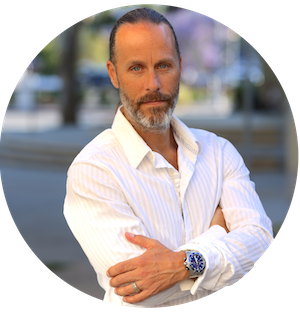
Kevin Anthony is a Certified Sexologist, Tantra Counselor, NLP Practitioner and a Sex, Love & Relationship coach. For over 10 years he has worked with men, women, and couples to have the relationships of their dreams, and the best sex of their lives! He is also the host of “The Love Lab Podcast”, creator of the popular YouTube channel Kevin Anthony Coaching, and creator of the popular online course series “Power and Mastery” as well as other online courses for both men and women.