Last Updated on November 18, 2024
What You’ll Learn In Episode 316:
Have you lost someone you loved? Have you gone through a divorce or a difficult breakup? What about the invisible losses that you may or may not be aware of, but have affected how you move through life and show up in your relationship? In this episode of The Love Lab Podcast, Kevin Anthony speaks with acclaimed grief educator and bestselling author Christina Rasmussen about her work as a grief educator, her own personal tragic loss, the invisible losses that she came to realize are underneath our visible losses, how to start to heal these losses and how her new book is a powerful tool to help you finally heal and move forward.
Links From Today’s Show:
To Find Out More About Christina’s New Book, Click The Link Below:
https://invisiblelossbook.com/
🔥 POWER & MASTERY 3.0 IS HERE!
The most complete men’s Sexual Mastery Course is now even better. Solve ED and PE! Become a Sexual Master! To find out more go to https://www.powerandmastery.com
❤️ FREE EXCLUSIVE CONTENT
Check out my free library of content to help you improve your relationships and sex life! → https://www.kevinanthonycoaching.com/vault
💪 MEN’S SEXUALITY & MASCULINITY COACHING
If you are ready to make big changes and finally become the man you have always wanted to be, then the Ultimate Sexual Mastery Coaching For Men is for you → https://www.kevinanthonycoaching.com/sexual-mastery-coaching-men/
👉🏼 RELATIONSHIP & SEX COACHING FOR WOMEN
Do you want to get into the heads of men and learn how they think and what they want? Do you want to become an irresistible sex goddess? Then check out → https://www.kevinanthonycoaching.com/sex-coaching-couples/
👉🏼 RELATIONSHIP & SEX COACHING FOR COUPLES
Want to have the relationship of your dreams and the best sex of your life? The best way to get there is to work together! → https://www.kevinanthonycoaching.com/sex-coaching-couples/
👉🏼 OUR HAND-PICKED PRODUCTS FOR YOU
We have hand-selected some great products to help support your Health, Sex Life, and Relationship! Purchasing products from us and/or our affiliates helps support the work that we do and ensures we can continue to help as many people and couples as possible! → https://www.kevinanthonycoaching.com/products/
Kevin Anthony 0:05
Welcome to the Love Lab podcast, a safe and fun place to get real and learn about sex, whether you’re a man or woman, single or couple, this is the show for you. I am your host, Kevin Anthony, and I am here to guide you to go from good to amazing in the bedroom and your relationships.
Welcome back to the Love Lab podcast. This is episode 316 and it is titled, How to deal or sorry, how to heal heartbreak and grief, but you got to deal with it first if you want to heal it. So if you’ve been listening to the show for any length of time, you understand that I am always looking to bring people on this show and talk about subjects that I see that impact people’s relationships, whether it’s their sexual relationship or just their relationship in general. So anything that might challenge or impact your relationship in a significant way is something that I want to talk about because I want to give you the tools that you need in order to have the best relationship you can have. And grief is something that we will all encounter at one point or another, whether it’s the loss of a loved one, whether it’s a breakup, a significant breakup, it could be, you know, something stressful dealing with your children or your parent like grief can show up in your relationship in a lot of different ways. In addition to that, we’re also going to talk today about something called Invisible loss, which may be a new concept to you if you are listening to this, it definitely was for me.
But as I’ve been reading the book, it makes a lot of sense, and as I’ve been talking to people about it, because, you know, I’ve read books, and then I talk to people like, Hey, check this out, you know? And then as I talk to other people about it, they’re like, oh, yeah, I get that, right? So that’s what we’re going to talk about today. We’re going to talk about the different ways in which loss, whether it’s a very obvious one or an invisible one, how they show up, how they can impact your relationships, and what you can do to heal those things. And if you’re watching this on YouTube, you can see that I have a guest with us today who is going to help us with this.
But before we get there, a short word from my sponsor, power and mastery, 3.0 power mastery. 3.0 is the latest version of the popular men’s sexual mastery course. If you are struggling with erectile dysfunction, premature ejaculation, or simply want to increase your skills in the bedroom, then power and mastery is for you join the exclusive club of men who have taken their sexual performance into their own hands and become sexual masters. Mastering your sexuality is a key component to becoming of the man as she has always dreamt of and craves. Don’t leave your sexual performance up to chance or the throw of the dice. Become a sexual master today by going to powerandmastery.com and joining the exclusive club of men who have taken their destiny into their own hands, that’s powerandmastery.com.
Okay, my guest today is Christina Rasmussen, and she is an acclaimed grief educator and best-selling author of Second Firsts, Where Did You Go and Invisible Loss and Invisible Loss we’re going to talk about today. So welcome to the show Christina.
Christina Rasmussen 3:28
It’s so good to be here Kevin and I am really excited to have this conversation with you and to meet your your listeners and community. And hopefully, everyone was listening, is going to get something new today for their life, it’s hard to get new things.
Speaker 1 3:49
Yes, I hope they get something new. And, you know, it’s not always about new. Sometimes we just need to hear the same thing a bunch of times.
Christina Rasmussen 3:58
Yes, that’s That’s true. That is true too, or the same thing in a new way, I guess, right? And I had a new idea, a new thought. The other day. I was listening to someone on a podcast, and I was like, wow, I have never had this thought before because of something he said. And I felt it was such a gift that came from this podcast that I was listening to, so that’s why that’s on my mind. And so I hope it’s something old perceived as new, or something new felt completely new.
Speaker 1 4:31
That’s what I’m always striving to do on this show, to get people to think about something either they haven’t thought about before or think of something in a new way. So hopefully we’ll accomplish that today. So as I said in the intro, we’re going to be talking about loss and grief. We’re going to talk about, obviously, some of the types of loss and grief that we’re more familiar with, and then we’re going to get into some, which is what you’re. The new book is based on that people may not be familiar with now in your bio, I mentioned that you were a grief educator and best-selling author, however, much like myself, as my listeners know you also have personal experience in this. So as opposed to I went to school, and I got my degree in counseling or psychology or whatever, and here’s what the books tell me, right? You have personal experience in this. I’m wondering if you could share just a little bit of your story. You don’t have to go super deep into it, but I just want people to get a feel for where you’re coming from.
Christina Rasmussen 5:39
The weird thing about my story is that I also have a master’s in guidance and counseling with my thesis on grief before I got this before my own tragic loss took place. So most people don’t realize this, and I feel like the universe was being very funny when my at the time, 31-year-old husband, was diagnosed with stage four colon cancer. I thought it was a bad joke that I had chosen to be a grief therapist, to study grief, because I could not possibly imagine losing someone I loved, and I wanted to help people get through something like that. And this was happening to me, Kevin and I was mad when I was can I said pissed. I was angry at God, the universe, whatever the source that was doing this, and he passed away three and a half years after his terminal diagnosis.
And when that happened, I realized that my thesis on grief, my education on grief, could not possibly help me in any way. So I literally run away from this profession, as far away as possible, really far I said I was. I was thinking to myself, how could I help anyone now? I Before this happened, I was volunteering for hospice. I would facilitate support groups with spouses who had lost their beloveds, and I sat there, not knowing how that really felt. I just sat there as a professional. I sat with a dying in hospice. I did all this work on grief and dying and death, and then this happened to me. So I was angry for a really long time. After that, I went, I finished another graduate degree so I could go and work in the corporate world, so I would never have to do this work, because I couldn’t possibly imagine helping anyone, because I couldn’t even help myself.
And in about four years in that corporate world, I resigned. And as I say, in my books and in interviews I do, I went back to get everyone else. I went back to get everyone else, get them back to living again because I started feeling that a live feeling, and I started to believe that it was possible. Because I didn’t think it was possible for a really long time, I didn’t think I I was angry. I was mad. My girls at the time, were four and six years old when he died. Having to tell your children something like that is the hardest thing you will ever have to do. I said to myself, if I could do this, then I’m indestructible, nothing, and it’s not true. I realized later on, but it was so hard that I felt like I was going to my body was going to break apart, that I couldn’t continue. I also believed for a really long time the wrong parent died. I believe that it should have been me, and that would have been easier.
And I laugh at this now, I even thought about how he was a very smart guy and kind of a genius actually, in real in real life, real terms, and who was going to help the girls with math at school? I said to myself, you know, you’re thinking about all these practical things and all these things that you don’t even know where these thoughts are coming from when you’re going through tragedy. Um. Um, and that’s how it all began. That’s how it started. And of course, I was forever changed. Completely lost a lot of friends. It was very lonely. I couldn’t relate to anyone for a really long time. I was not happy with anyone making small talk with me. I’m like, Oh my God, this small talk talking about the weather, I was just very rebellious, and not the nicest person, either, I would say, because I was surviving, I was trying to get through something really hard and all I could see around me was everyone else was happy I was when he passed, I was 34 years old, and I’m 52 now, and very proud to also always share my age, because how grateful are we to still be, to still be alive? He didn’t get that chance. He didn’t get the chance to grow older. He died so young, and I thought everyone else had the perfect life around me, or it looked like in comparison to mine. So I was not a happy friend, a happy person, and I felt I was going to stay like this forever.
Speaker 1 11:29
It’s just listening to you share that obviously, because of what I’ve been through, it touches me pretty deeply. So I’m actually feeling a lot of the emotions in the words that you’re sharing, yes, that’s why you know it’s like, Whoo, that was a lot. Okay.
Christina Rasmussen 11:47
Yeah, and you get it, Kevin, you get it completely. And I want to say also, and I’ve said this to you privately before. I’m so grateful you said yes to this interview, because even though we have advanced in so many ways in our world, the conversations around grief are still not easy to come by, because I don’t know it’s, it’s, it’s a misunderstood experience, I feel, and we’ll talk about this, but I cannot thank you enough for for for what you do with your podcast, and for saying yes to the conversation like this with your audience. Like, I can’t tell you, I keep getting chills when I’m talking to you, Kevin, but I like again, tell you how it is for me to come into to an audience that is not here to find out about grief, or it’s not. This is not a grief podcast to come and talk about, actually, the emotion that’s the closest to love.
Well, you know, the interesting thing about that is that, yeah, as you know, like, there’s a lot of people that are experiencing grief that aren’t going to go out and seek a grief podcast, right? Yeah. So, yeah, the opportunity to bring this to them in a way, in a place where they weren’t necessarily looking for it, I think, is really big. Another point I would like to make, too, is that some people may assume that I said yes to this interview because of my own grief process, right? Because a lot of times, you know, people will do that. They’ll bring guests on because it’s something more personal for them. And from my perspective, even though I really appreciate being able to speak to you about this and I’ve been appreciating your book, I knew that this would be an extremely difficult interview for me to do, so I’m not I didn’t bring you on here for my own, you know, healing purposes. I brought you on here because I figured and I felt that this would be an important conversation for people.
That’s why I appreciate you so much. Kevin. I know this was and I know this was going to be hard, and I want to say to everyone that I didn’t know about your story when I said when we connected the first time, and I feel like it was, I thought about our first conversation prior to this podcast, while I was on my trip, and I was, I was telling my husband, you’re not going to believe this. I felt like it was destined. It was meant to be because I did not know of your law about your loss. I had no idea. And it just shook me in a good way it was merely a surprise I remember. I can remember it so clearly when you told me I was like when I said to give her my love, I said, Please give your partner my love and you. That’s when you told me. And I said, say hi to her. I had no idea. I was completely shocked by it. So again, thank you for saying yes to. These very hard conversations.
Speaker 1 15:01
You’re welcome. Well, let’s just dive right into it. So obviously, we’ve been talking about the death of a partner, because both of you and I have experienced that. But that’s not the only type of grief that people experience in relationships. So I’m wondering, you know, if you could talk about some of the different types of situations and grief that shows up for people in relationships.
Christina Rasmussen 15:27
So when I first started doing this work after I resigned from the corporate job, I started writing online. And as everyone can tell, this is my second language. So at the time, I wasn’t even thinking I could ever be published in any way, because this was not I wasn’t born speaking English and writing English I started writing just a couple of sentences on Facebook, and in 2010 that’s when Facebook pages started to appear, and I started writing there to people, and more and more people joined. And then I started having groups where I would teach my work called Life Reentry, and it was all about tragic loss at first, and I want to say to everyone, the discoveries are made in the last 14 years.
If you had told me that I was going to make this discovery, I wasn’t going to believe it, because I went in thinking tragic loss is the most devastating experience in our human life, and people don’t even understand how devastating it is. But as I was working with people about three or four years in, I started seeing something else. And I call the word, I use the word Phantom, a phantom loss because it was they had no words. I couldn’t there was no label to it. I could see that people were kind of reentering life to use my words and coming back to living fully going through the process and experiencing joy again. But then something beyond grief, the tragic grief, the grief about their loss, was pulling them back. The first thought I had and everyone else at the time was that this must be just the grief of the death. And remember, we’d been told over and over again, over the last few decades at least, that grief lasts forever. It never goes away, and we will grieve forever. And I started questioning that, and I started saying to myself, What if it isn’t the tragic loss that’s pulling people back to what I call the waiting room, the place in between, the life they left behind because of their loss and the life they could have one day.
That’s a place in between and dare I say, millions of people die they are Kevin, thinking that’s their new life, thinking that’s the way it’s supposed to be. It’s supposed to feel stuck. It’s supposed to feel not right. And I said to myself, There’s got to be something else that’s pulling them back because it didn’t make sense. And that’s when I started seeing that this invisible loss and I called it invisible because I literally couldn’t see what it was, was stemming from experiences that were not, were not really divorced or not death or not directly from a job loss that was the symptom that the divorce came in as a shadow, just like the tragic loss comes in. It shadows everything else, so it’s very hard for us to see. And what I realized was that invisible loss is an experience that takes place earlier in our life, that shifts our perception of self, and it gets us to doubt who we are, and we start to feel afraid, and we take steps back and say no to the experiences that belong to us, to the decisions that are made meant for our own journey, because we don’t feel like we are worthy of those decisions.
So an invisible loss is a shift of perspective of self, and it could be something like especially when we find ourselves in a public setting and we feel embarrassed by someone, when we feel ashamed by something. Someone said I will give you an example of one of the main invisible losses people talked about. And I want you to imagine my classes over the years had so many people from all over the world. And one of the kinds of themes is invisible loss. If a teacher in a classroom setting embarrassed you in front of the class by saying you don’t know the answer to something, by putting you down, that shifted the awareness and perception of what I call the regional self, the self that you came with, the identity that you’re here to express and and and be without the influence of the world around you, that that true self. And we start to pull away from that true self because we don’t want to be embarrassed again. We don’t want to be ashamed again. And we start to blend in with everyone else, and we go into that waiting room and stay there.
So when we experience a tragic loss, for example, later on in life, yes, we go into the waiting room as we should, to heal, but when we try to get back out again, what pulls us back later on in the journey is our invisible losses and not our traditional tragic losses. And that was a huge revelation that took place over the course of years. In this book took a lot of time to write and a lot of versions to get it right, to explain to everyone what is invisible loss. And I believe every person has experienced a few and they have altered their behavior so they feel safe and not taking risks and not doing things based on what they like and want, but based on what they should be doing, and that’s all based on the visible loss, yeah.
Speaker 1 21:42
So, okay, there’s a lot to cover here. So let’s just my original question that kind of started all of that was talking about, what are some of the other forms of grief that that show up, right? So we’ve got obviously the tragic loss you mentioned, you know, divorce, right? And then, of course, we’ve got the invisible loss itself. So there are multiple different ways I want to talk a little bit more about the first couple then, of course, I want to get pretty deep into the invisible loss. But something that I did not have planned here on the schedule was something you were just talking about, which is the interaction of the two, the tragic loss and the invisible loss. I really want to come back to that, because I find that very, very fascinating. But let’s just take a few steps back here, when somebody’s dealing with, say, a tragic loss or even a divorce. Because divorces can be tragic.
Christina Rasmussen 22:40
It’s tragic. It is. It is actually, I used to say, divorce is your you’re saying goodbye to a person who’s dead for you but alive for everyone else. That is tough and that is complex and devastating in different ways than a loss from death. So people try to compare it. And I say always, it cannot be compared. It’s, it’s a different type of tragedy. And I remember when I first said that to 1000s of people, they were like, Oh, my God, you’re so right. The person is dead for me because I can’t have this person in my life, but alive for everyone else. He’s interacting with everyone else, but not I can’t have this person anymore in my life, and that’s a tragic loss.
Speaker 1 23:29
Yeah, for sure. So what are some of the strategies that you have seen that people use to cope with these losses?
Christina Rasmussen 23:38
The bigger traditionally, I am doing air quotes for anyone who’s not watching and listening, invisible loss. People always say to me, I guess that’s a smaller loss. And I say, No, no, it is. It is actually more it’s more difficult to heal from because we don’t know what it is. It’s not just invisible to others but invisible to us. Loss from divorce, a loss from death, a loss from like a job loss, abandonment, from parents abuse. There are so many different losses and then invisible losses, and I will talk about invisible losses later, but the way to position them, and if anyone has a visual mind like me, I like to put things in front of me. Invisible losses are taking place within those tragic losses, and we’ll talk about that interaction. The strategies that I taught in my classes over the years actually have been very specific and very instructional.
So I have a lot to say about this question, so I’m going to focus only on a couple of things and say there’s one step that I believe was it’s the first step, step of the life reentry map. It’s called The Life reentry process, but it is really a map. It’s called the cleanse. And what the cleanse is, um. Um, I believe that every person was going through something difficult. No matter what that is, we struggle to release it. Even though people say, oh, you know, people talk a lot about their feelings, or I actually come across when people are suffering. They actually try to keep it all inside, and they need to release it, and not only to release it to themselves, which is very important to to kind of I call it. I call it a cleanse because imagine if you let yourself write down or say to someone you trust all the things that are coming through to you, unfiltered, uncensored, and see what comes out.
And sometimes, and I won’t do this right now, sometimes in my podcasts, I actually go and have an exam, have an interaction with the host of the podcast about what is a cleanse, and how it looks like and it’s actually very when I want to say to everyone when I first introduced this concept to my classes when I said, I want you to do a cleanse within the group, the one that everyone can read, everyone found it really hard, because that would make them very vulnerable, not only to themselves but to everyone else. But imagine if there was one person who would read your cleanse that would give you validation, and acknowledgement. Imagine the healing experience you can have from that. So a cleanse is this unfiltered, uncensored truth that comes out of you without you trying to suppress yourself. So if you’re going through a divorce, you’re going through a breakup, you’re going through something really hard in a relationship with your partner, you’re experiencing a feeling of stagnation, stuckness. You’re just not happy, you’re depressed, you’re feeling low. Nothing makes you happy. You’re feeling as if the world is going against you, all those things and everything else that I have not mentioned, there is a way to validate those feelings that start from you, and that’s also a very hard thing.
So if you were to listen to this and you’re struggling with something from the list I mentioned, the very first thing I want everyone to do is grab a pen. And I know this sounds simple, but you got to trust me with this and start writing down anything that comes to you without to trying to censor yourself, and if that is a verbal cleanse, if you have someone that may not be your partner at the time that you don’t feel comfortable or trusting with, fine, If you have someone you can ask for 10 minutes of listening in an engaged way, so they’re not just there listening without being engaged, because they have to be able to acknowledge and validate what you’re feeling and and be uncensored ancestor, be completely unfiltered, Be as honest that you can be and actually, and I always say, I try to to be like this in every relationship in my life, including this temporary relationship we have in this podcast. Right that we are we’re interacting not just with you, Kevin, I’m interacting with the people at home who are listening or watching. I’m I’m going to be as unfiltered and as ancestors as possible. And actually, I’m thinking about you, Kevin and the topic of your podcast. I mean, you are unfilled. You are actually talking about things that we don’t really talk about that often. So for you, and maybe even for your listeners, are used to being in your company and having conversations that are honest and talk about things that are really happening behind closed doors.
Speaker 1 29:16
Yeah, absolutely. So you’re talking obviously about a positive strategy that people can utilize in order to help move through grief and loss. Just to quickly throw this out there, and you can add any I might forget, but a lot of times when people are going through a really big loss like this, they will turn to some unhealthy strategies. Yes, it could be anything from drinking to drug use to excessive food, you know, all kinds of different strategies that they use to spend. Basically numb themselves out and not feel the loss. Obviously, we don’t really need to spend a lot of time talking about those but I do kind of want to point that out, because if somebody listening is going through a loss, then maybe they haven’t realized that some of their negative behaviors are actually nothing more than coping mechanisms to deal with the loss?
Christina Rasmussen 30:23
Yes, it’s a very good question, by the way.
Kevin Anthony 30:25
Then, of course, okay, if those methods are obviously not serving you, which they’re definitely not, then the question, of course, becomes, what are some more positive ways or tools or things that we can use to cope with that? And so the one that you were just talking about is just sit down and just unfiltered, just write all the things that you would want to say to somebody. And it is interesting, right? Because you use the example in a workshop like it’s different for most people. If you say, write it down, nobody’s going to read it, but you versus write it down and share it with somebody, that’s key, that’s that’s the thing.
Christina Rasmussen 31:07
The thing is that so, so the work is actually this step is a first of many, and without, without the subsequent steps. It’s not that this is not valid on its own, but the other steps make this come to life in ways that are incredible, but yes to everything you just said. And so when, when I first started doing this in the group, at first, people were a little timid. They were like, oh my god, I’m going to write down everything that’s on my mind. I’m going to be so embarrassed about this, within a day or two, this would be six to eight weeks long classes with hundreds of people in this class, by the way, in each and every class, within a day or two, it just took one person, one person, to kind of start doing it. And then the moment you start to write the truth, you realize that we all thinking the same things, Kevin, we’re all struggling with the same issues. We are all weird in the same ways.
We’re all we’re all having the same coping mechanisms that are not good for us, and that’s what the survivor I call it the survivor self. There’s I created these three personas in the work so the coping mechanisms come in to put you in that waiting room state, and those behaviors and those habits are not good for you, are all stemming not from you. I want to say to everyone, this is not your fault. I can’t emphasize this enough, this has nothing to do with you, your original self, the you you were born to be. It has to do with your habitual survival mechanism that had to be enforced when you started experiencing your invisible losses earlier on in life. And because of that, you had to cope you had to protect yourself. And when we start to start calling out whatever’s on our minds, we actually start unhiding those coping mechanisms, unhiding, and I don’t even know if that’s a word on hiding like revealing the parts of us that that we have been just kind of hiding from the world because we are ashamed of and that first step, this, without this step, nothing can work. After all, everything else, nothing. This is so significant, yeah, that I can’t, I can’t say it enough.
Kevin Anthony 33:40
And, you know, I think it’s also very important to point out to people that you know when you’re talking about the coping mechanisms, the survivor self, the going into the waiting room, that these things are not things that you’re consciously doing. That’s right, yes. So it’s important to point that out because a lot of times people are like, you know, they I did this or I did that, and it’s like you didn’t actually consciously choose to do that.
Christina Rasmussen 34:07
Actually, survival looks different for different people. The survivor self can come across someone who’s he has the perfect yard outside, is cleaning like a crazy person. Their house is very successful in their work which could well be a survival mechanism, and I can’t say it enough, sometimes it looks like success and it looks like you are, you have the perfect life. And often, I have seen that those things are actually coming from a place of surviving, and not from a place of thriving, which is the other persona, which is the Thrive herself, and we have to, and that’s why the cleanse is so important, because we. Start to kind of see where our survival thoughts and behaviors are coming from, the more I ask people to do this every day, even for five minutes. It shouldn’t take more than five minutes, because then the survivor self is that you don’t have time for this. You gotta go and be successful over there. Do you see what I’m saying, and it’s very it’s a complex experience, but also very simple at the same time.
Kevin Anthony 35:25
Yeah, I’m glad you brought up the point about work, because, you know, I mentioned earlier that there are things that people are doing to sort of numb out and not feel the pain. And I mentioned, you know, the very obviously destructive ones, you know, drinking alcohol, you know, gambling, porn, you know, all kinds of negative things like that. However, as you just pointed out, it can sometimes be things that appear to be healthy but are yet another coping mechanism, like work. And I’ll admit to that one myself. I mean, I just didn’t really take much downtime at all. I just kept immersing myself in my work. It was like, the only thing I really had left, yes, and lots of people were saying, You need to take a couple of months off. You need to, you know, blah, blah, blah. And I’m like, I’m like, if I do that, then I’m really gonna go down. So some of the diving into the work was absolutely a coping mechanism.
Christina Rasmussen 36:18
So, and you make an important point, Kevin, I want to point this out actually what you did was right, and what everyone does at first is right, to go into those coping mechanisms, to go into that waiting room of survival, to go into that place they have some control over, or that they have some kind of relief before my first husband passed away. He said to me, because we knew he was dying, he turned around, gave me this advice, I’m going to tell everyone. And it called me through the first couple of years. He said, Do whatever you can to get through whatever you can, to get through whatever it takes to get through whatever that thing is. And sometimes in the beginning of the journey, whether it’s invisible, visible, traditional, non-traditional laws, break up, abandonment, abuse, relationships that are toxic, whatever that is, it is important to say yes to just getting by. We can, I try to get rid of the survivor self, and it’s impossible. So it is, it is. I mean, I have tried, I tried. It is not going to happen.
But everyone this is, I’m telling everyone this, this, they’re here to stay our survivor selves, and it’s okay, because we need them, right? But there comes a time when you have to make a decision that you will start taking very, very small steps out of the waiting room. I call those things plugins, where you plug into the life you’re supposed to have at very short bursts, and they have to feel rewarding, and they have to feel not scary, because our fear center gets even more activated and triggered if we try to leap out of that waiting room to get out of survival mechanism of that survival coping experience, if we jump out, I don’t want anyone jumping out. I want them to do it very, very slowly, because the more rewarding and joyful it feels to get out, the more we’re going to want to do it. If it feels difficult and it feels fearful to jump out, to start a new relationship, to change jobs, I actually don’t believe that leap statement in the net will appear serves the people who are grieving. And all of us are grieving. All of us are grieving a part of ourselves that we lost along the way, that we don’t even know that we have done that.
Kevin Anthony 38:55
Yeah, I agree with the big leap thing, because you definitely will get that advice from people where they’ll tell you just need to change everything you need. You need to just move out of that house that you’re in. You need to change your job. You need to, like, go find a new relationship, whatever it is. And I know for me, the mere thought of that felt massively overwhelming.
Christina Rasmussen 39:19
Yeah, and it is. And imagine the so imagine, I believe that these personas are very real within ourselves, so I kind of treat them as real people, right? Imagine what your survival self will do if you announce to yourself that you’re about to embark on a significant new relationship too soon. I’m not saying that is right or wrong, because everyone’s story is different, and I over the years, I’ve seen so many stories and people go through breakups, divorces, deaths, and finding someone, some of them sooner or later. Did varies with everyone, but whatever you do in your life, whatever you choose to do, make sure you’re not triggering that survival mechanism because you are going to survive through that new relationship. You’re going to survive through the new job. You’re you’re not going to be the thriving person that is actually hidden inside of you.
And I also want to add this one thing from everything I’ve studied, worked, experienced, you know, in the world, teaching so many people, one thing I learned was that our survivor self occupies we, if we don’t do any of the work at all, and we’re just trying to get through our lives. Occupies at least 80% of our day-to-day, and the rest is divided by, you know, 15% that is the watch yourself, the part of you that is wise and knows you really well and actually knows that, knows that original self, knows that authentic self and remembers it, but is very suppressed, that part of you is very suppressed. So that’s 15% and only 5% is that third persona which is closest to the original self, which is the thriver kid-like self that, when was the last time, if someone is listening, when was the last time you giggled and felt alive by and you forgot about time you’re lost in a moment of like, just fulfillment and joy, without, without, like, I don’t know, without trying something, with just being yourself and being present. When was the last time we’ve done something like that?
So that’s only 5% so with this work, we try to increase the percentages of the other parts of us and decrease the survivor self. I’ve never seen it zero. There was one person who would write to me and tell me he doesn’t have a survivor self. He was angry at me. He was, he was in one of my classes a long time ago, and he would say, No, I do not have a survivor cell. And you know, this is how hidden that survival can be for some people, that they think they’re thriving, they think, and it’s, it’s the human condition, that survival mechanism to be part of us. If you don’t have that, you are not human. So it’s not that it’s negative. We need it, but we can’t just rely on survival for the rest of our lives. Because we’re afraid to get hurt again. We’re afraid to be embarrassed, to be ashamed, to be rejected, to lose someone again, to lose another relationship again, and so on.
Kevin Anthony 42:43
Yeah, that’s That’s funny. I don’t have a survivor self, sorry. That’s programmed into your DNA Exactly. Kevin, that’s like when there’s a threat you do every you you don’t even think you are doing everything you can to get out of the way of that, whether you realize it or not, there’s no escaping that. It’s just a matter of, which one of those selves is running the show, right? Yeah, and I want to make a point too because I think this is really important if you if you have experienced a loss, whether it was a death or a divorce or any sort of, you know, major relationship loss, if you’re operating from your survivor self in your next relationship, you are, one, doing your relationship a pretty big disservice. But two, you’re also reducing the chances that that relationship’s gonna be successful long term, right? Because, I mean, for one, you’re operating from your survivor self, which is not your thriving self, and you want your relationship to be thriving. But two, what happens then, if you shift in one direction or the other right out of that survivor self? What impact is that going to have on your relationship?
Christina Rasmussen 43:55
Kevin, can I just say you made I’m so glad you brought this up because a lot of people actually choose the wrong partners because they have made the choice to their survival cell. Yeah. So you, you are coming out of something really hard, whatever that was for you, whatever that is, and you’re stepping into a relationship that is driven by the survival cells. So when you start, let’s say I’ve had people in my in my groups that had to break up with friends and partners because they started to become very different, because that they start to become themselves, who they truly are. And that means that we have to integrate the through personas, right? And unfortunately, we can’t kind of eject the survivor self out. They’re still going to be part of the conversation, but you may have made the wrong partner choice because you were in survival mode for the first five years of a relationship.
Kevin Anthony 44:57
Yes, and that’s tough. I. Think for a lot of people to hear or to understand, but it’s very hard, but it’s important. It’s important to know. You need to know what’s driving your behaviors, right? How did you get to where you are? So that’s an important thing. We are already 45 minutes into this episode. We could talk for another two hours, because I’ve got so much more I want to ask you, and there’s just not going to be enough time. So there are a couple of things I want to make sure that we touch on before this is over. So, oh man, I don’t even know if we can get all three of these in, but okay, we’re going to do our best here.
Christina Rasmussen 45:35
And I’ll be short, I promise. I’ll just be sure. I’ve had podcasts do part one, and part two with me. There’s been because there’s this, this topic, this is, there’s so much in this and why my book was so hard. It was so hard to write, to kind of condense it, to make it easy to understand at the same time, kind of put everything in but to be part of a normal-sized book. So yeah, it’s hard.
Speaker 1 46:06
Okay, number one, yes, you and I had some really amazing discussions off-air about the experience of death, and you shared something with me in one of those that I was really hoping you would share here. And the question is, what have you learned about death from your own personal experience? Because you learned something important about death itself.
Christina Rasmussen 46:33
Was it the part that I don’t believe it’s it’s real? Yes, yes. Because death, as everyone can imagine gives us many lessons. There are so many things we learn from it. I spent years researching about death and what happens after we die, and for anyone who’s listening, we’re all going to die. Unfortunately, I still want to believe I’m immortal. I’m never gonna die, but we are immortal, actually, just in a non-physical way. Death is literally a doorway to another. And I wrote a whole book with my book two. I count my books, book one, Book Two, Book Three. Book Three is about invisible laws. Book Two was a huge risk in every way, but I wrote it and I was very, very proud of that book. Book Two talked about what death is, and actually what happens, what I believe happens when we die, and where we go. It took me many years of research and understanding that.
And now I can, I can say, with every part of me that I truly believe it is an adventure when we die, and that the people we’ve lost are basically alive, but in another way, they’re Dead for us, but alive for themselves because we can’t experience them. Experience them after they they no longer occupy their their body, their vessels, and their containers, but they never stop. Their consciousness continues. And I can’t say I can’t tell you how much I believe this, and I hope this doesn’t take away grief, or it doesn’t take away the risks that we have to take in our life. It doesn’t take away our lessons, it doesn’t take away the significance of our soul’s journey while we’re in a physical world, and it doesn’t take away my fear of dying either, but it does give this expansion in our perception of who we are, and having that expansion while we’re still in this body, in this filtered world where we can’t really get a sense of the world beyond I think it’s priceless, and I hope, I hope a part of You wants to start to believe this, that death is not real. And I smile when I talk about death now, because, my God, it is an adventure. And when the time comes, which I hope it’s not going to be for a long time because I’ve got a lot of things to do, a lot of paintings to paint, and things beyond what I’ve done already. When it comes, I think I want to say that I’m going to be excited, but not before it’s time.
Speaker 1 49:28
Yes, I think it’s a great way to put it. I want to be excited, but not before it’s time. Yeah, absolutely no. You know, interestingly enough, what you were sharing about was that I had another woman on the show who is a psychologist, and we were not going to talk about this at all. This was no not anywhere near the topic that we were going to talk about. And then somehow it came up, I think, you know, she probably asked me something about, you know, my partner, Celine. And so. You know, comes up, and then she just goes into this whole thing. Now, this is like a hardcore Western-trained psychologist, and she just goes into this whole thing about basically exactly what you just said.
Kevin Anthony 50:16
And you know, her partner was still alive, but she talked about her experience with that, with her mother when her mother passed, and she’s like, Oh, by the way, I wrote a whole book on this, so we talked about that off air, and she shared it with me. I actually ended up buying a copy and reading it. It was her experience of how death, they don’t actually die. So I just, I wanted to throw that in there, because, you know, I’m very good at seeing patterns. That’s one of my superpowers. As my wife used to say all the time. And you know, when you hear it from a bunch of different people and people from different backgrounds, people, you know, it’s one thing to say, I’ve studied death, and I’ve been spending my whole life, you know, trying to figure that out. It’s another thing when people who never expected to be, you know, studying that or having experiences related to it. So I just, I wanted to share that with everybody, so that you can tell that like, yes, it’s your opinion, but you’re not the only one.
Christina Rasmussen 51:17
No, and things are changing with our own awareness of things. And you asking me this question here, you know, it’s just a few years ago, wouldn’t have happened like things are changing, and you seeing the pattern, and I love patterns myself, that we are from many different fields, people are starting to talk about this, because it’s actually we are, I think getting ready to understand that better, and I think it’s important in our evolution, like understanding that. And even when I wrote where you go, it came out late, 2018 December, end of December 2018 and with great and people loved it and it, it’s very different to anything else out there, but I can only imagine if you came out now, when people, there’s so many podcasts and people just for for afterlife and death, and just talking about that and only that, but you bringing it up here, just like you brought grief in here. I feel like it’s becoming part of it’s no longer fringe, and it’s becoming part of the collective conversation we’re supposed to have. And it’s not weird, it’s just normal. We all gonna have this experience, everyone, all of us.
Kevin Anthony 52:34
It’s inevitable.
Christina Rasmussen 52:35
Yeah, unfortunately. And I mean, I love how our medicine and how we’re evolving to like for every year we’re alive, going forward, we get a thing X 10, like we could live longer and longer. And I follow all of that progress, because I think the longer we can stay alive in one life, the more chances we have at evolving for our souls journey, and so because every time we come back, there’s the filter that comes in, and we’re supposed to forget everything so we can start over with our lessons. So the longer we can stick around, the more lessons we can learn.
Kevin Anthony 53:18
And the faster we can get through it.
Christina Rasmussen 53:20
Anything deeper and to learn how to thrive, because ultimately, and to wrap this up in a bowl, we are here to learn how to master ourselves and to feel alive in the present moment. Yes, against all odds, and if, if we, if we don’t get to do that and be honest and be present and sincere in our, in our, in our experience, like that’s it, thriving is, is the reason we’re here and help, helping one another to get there. There’s nothing else, you know. And if my work on grief resulted in my work on thriving. I mean, there is a huge connection between grief and love, huge. It’s the most intimate partner of love is grief.
Speaker 1 53:23
I mean, what you just shared is, is one of the great secrets of life, right? That, I mean, the biggest question humans have, why are we here? Yes, and you just answered it. And for those that might be skeptical of that answer, just know that a lot of spiritual traditions have also come to that same conclusion.
Christina Rasmussen 54:43
Yeah, and it’s I will be talking about. I haven’t talked about this, and I don’t know if I’m going to talk about it here. I haven’t written about it. I haven’t shared it with my community. Had an experience while I was in Japan that, like, a peak experience. I haven’t had one of those in like, I. Gosh, a really long time, and in one of the temples. And it, I mean, even just this is I have, not apart from my husband, nobody, nobody else knows about this. So this is the first time I even like mentioned, it because I haven’t been ready to talk about it yet, but having a peak experience in the most unexpected moment just took my breath away. Even while we’re in this physical reality, now, in this in this bodies, when we’re going out into the world, doing something for ourselves that we love, and being with the people that we love, and they’re true for us. I mean, we’re open to extraordinary moments in our lives. That’s all we have to do is just say yes to ourselves and what we really want, instead of what we should be doing and saying yes.
Speaker 1 55:55
Yeah. I hope the listeners can really grasp at least a portion of how big that really is what you just shared. Okay, we’re pretty much already out of time. However, we’re going to go a little bit over because there are a couple of things I still want to talk about. I want to just talk a little bit more about the invisible loss idea. You’ve done a pretty good job of weaving it into the conversation as we’ve been going along. But I just want to clarify for people if they didn’t quite get it yet, but this idea behind the invisible loss are things that happen to us along the way in our life that are seemingly innocuous, right?
Christina Rasmussen 56:41
Insignificant, seemingly, seemingly, we wouldn’t even notice them, per se, as a loss. We would just an example, maybe your father or your mother, when they looked at you, they looked through you and not didn’t make direct eye contact, that feeling of not being seen, just an example, is actually huge, invisible loss that you couldn’t even like grasp at the age that this was happening. So there are moments in our relationships, with our caregivers, with our siblings, with our friends in the yard, bullying that may take place indirectly, shaming our bodies in ways that is not a you know, nobody’s calling you a name, but the way they treat you makes you feel less than we start to shift from who we are to what we think we should be to receive acceptance From the world, also, when we don’t feel seen by someone in our lives, that is important at the time, we will spend our whole life entertaining others to get the attention or making money for others so they can’t say no to us, or pleasing other people.
Behavior of the most kind of often thing that I see in myself and many others that is a symptom of invisible loss is pleasing other people. And it happens to us all. Sometimes we do it a lot. Sometimes we did a little to please our bosses. We’re pleasing our friends. Oh, you know, it’s okay. I’ll do this for you. You know, we’re just saying what they need to hear, not what we want to say. Pleasing other people is the symptom and outcome of invisible loss. And remember, invisible loss is not just invisible to others, but it’s also invisible to you and the work that needs to take place. And I hope this book, and I’m not teaching people to write to me all the time. When is your next class? I am not teaching another class. I am not I don’t have I no longer see people one on one. I am so sorry. My survival self is making me feel really bad about this, but it’s, it has been a very big decision. It took me a long time to make.
Took me years, Kevin to make this decision and why I wrote this book, and this book can help you get to that place, get you to re-enter, to find your original self and I hope, I hope the universe says yes to to everyone doing the work with just this conversation in the book, and they can do a class on their own. They can run a group by themselves. But I believe that everyone who’s listening to this, they’re capable of finding their thriver self and increasing that 5% to 20% imagine thriving 25% of your life. Do you know how that’s a lot, that’s actually a lot of a lot of fun, and you need to go into the waiting room to actually kind of take a breather. It’s important that we we also just slow down too much thriving and we can get burnt out as well. But, it’s still better than surviving.
Speaker 1 1:00:04
For sure. Yes, that’s where life starts to get really good when you start moving into thriving instead of just surviving. Unfortunately, a lot of us spend our entire lives in the surviving part. So just to sort of summarize, we already talked about what the idea of invisible loss is, right? These things that happen to you early on that not only are invisible to others, but invisible to you, alter your behavior patterns, and get you operating from your survivor self. And what you’re doing with this book is, one, making people aware of that, and then to giving them a process to go through, right to get out of that survival mode and get into really thriving in life. And you know, unlike a lot of the books that people send me, I got this in plenty of time to actually finish it before the interview. However, I’m only halfway through it, and the reason for that is there are exercises in it, like you got to sit down and actually do some work. Like, if it were just a matter of reading it from cover to cover, I would have been done with it several weeks ago. But it’s a process, and it’s designed to help you. It’s designed to help you heal your stuff, heal your losses, whether they be traumatic losses or invisible losses so that you can get back to thriving, thriving for yourself, and then also thriving for your relationship.
Christina Rasmussen 1:01:37
And I want to say, if there was a shortcut, I would have found it by now, and if there is one in the future and someone discovers it, please give us a call, because it is a lot of work. When you go through this book, and I always say to people, take your time. At the back there’s a guide, because I no longer teaching, I gave the guide. If you are running a group, you can take the guide and walk people through the whole process. Or you can use the guide for yourself to go through the book weekly and to do the exercises in the homework. It is the biggest gift you can do for yourself. And I’m not planning on writing any more books. But if I did, it would have no homework. I made that decision, and maybe it would be fiction, I don’t know, because I love taking action out of something that I learned.
Because without action, actually, you don’t. I want the book to come to life in everyone’s life, so it changes you. It changes your relationships. And I actually want to say one last thing, if you did find your partner when you were in your survival mode, here’s what I want to say for everyone who is realizing this, you can actually still stay with your partner if you’re both Changing together through this process, if you’re both, I’ve had father and daughter come in the classes. I’ve had, you know, partners. I’ve had different couples coming into the work. You can do the work, and yes, maybe won’t come out that you stay together, but I have seen a lot of people actually come out with a better relationship because they are changing and thriving together, and you may even find yourself in a better place than you’ve ever found yourself in a relationship before.
You know so in sex, can I just say I know we’re not going to talk about sex in my conversation, but we I am. I i am sure that being intimate with your partner will also change, because when you start to acknowledge your needs and wants and say yes to the things that you want, being intimate physically with someone will help you express yourself differently and ask for what you want and that’s one of the hardest things. And I’m sure Kevin, you know, you know this better than me, and better than being open, physically and intimately with someone is one of the hardest things we’ll do. Talk about survival in bed. It’s you know? And I know, I know, our conversation is more tidied up, you know, but the changes in that arena are gonna be massive, huge.
Speaker 1 1:04:34
Yeah, absolutely. A lot of people, you know, they’re okay with the opening up physically part. But in my opinion, that’s pretty much the lowest level of yes physical intimacy and sex Yes, and you don’t really get to the truly amazing parts of sex until you can open up emotionally and let go.
Christina Rasmussen 1:04:56
Let go of all the shame and let go of all the survival that was acquired throughout our lives from every aspect of our world. And that’s why the work that you do, Kevin, and I can’t mean this more, is so important, because in many ways, without even knowing. You’ve been helping people heal the unseen parts of themselves and express it and get to a place of bliss and harmony and you know, no words for that place, right? There are no words beyond our human experience. So you’ve been doing this work in different ways, but this is the same work we’ve been doing, just from different corners of our human existence.
Kevin Anthony 1:05:48
Yes, that is absolutely true. Thank you for seeing that and recognizing that, because it’s true. We could see it through the lens of psychology, we could see it through the lens of grief counseling. We could see it through the lens of helping people have better relationships. But the reality is, it is all about healing ourselves.
Christina Rasmussen 1:06:08
Everything, everything we do. This is why we’re still here if we’re still alive. Got some work to do, and might as well have fun with it. Might as well enjoy it, right? Like, why? Like, and I of course, if there’s tough times in our lives, and let me tell you, there’s going to be many of them. Even if people like us have had really bad things happen, there’s going to be more bad things. But I think that how we re-enter, how we cope, how long we cope, what’s the intermittent, what’s the the the in and out of coping. It’s also almost like a dance right in and out of the waiting room. Like being in charge, being in control of that relationship between grief and life, between grief and love, like being part of it versus being taken completely by it. It’s a hard thing to control, and it’s a hard thing to thrive when survival is the only way, as long as you know when is the right time to do it and choose and make a choice to step out. I think that’s that’s when healing can take place. It starts with you and me. No nobody else can do it for you. Nobody’s coming to save us. That’s what I realized as well. I was hoping for someone to save me, and nobody was coming.
Kevin Anthony 1:07:27
And they never will. And that’s another one of those big truth bombs in life that nobody’s coming to save you, you got to save yourself.
Christina Rasmussen 1:07:34
Yes, that’s right.
Speaker 1 1:07:37
Okay, so you mentioned obviously that you’re not doing classes anymore, or working one on one. So you are really primarily here to promote this book so that people can get their hands on it and do the work themselves. So where can they find this?
Christina Rasmussen 1:07:50
So there is invisiblelossbook.com there is in every bookstore on Amazon, anywhere where books are sold, wherever if there’s one thing to do after our conversation. Actually, I always struggle to promote my work in any way. So that’s my survivor self saying, Hey, don’t. And actually, that’s, that’s bad because people can’t. The book is the way to do this. And so please, if there’s one thing you’re going to do from here would be actually two things, do a cleanse. Please do a cleanse. If nothing else, if you don’t buy the book, if you don’t want to, don’t want the book, just go and write down whatever is on your head and let yourself see it and read it, tell it to yourself. And number two, take the book. Take your time with it, and if you could share it with your therapist and do it together, if you have a friend to do with a friend, and if he’s just a solo journeyer, as I say, the book was written just for you, someone outside of my classes, because that was the decision I was making for a really long time.
Kevin Anthony 1:08:56
Yeah, yeah. And I want to appreciate it too. Like, you know, a lot of times, people think that when you write a book, you make a ton of money from it. Your reaction says it all because this is the point I’m trying to make. Now, a lot of people come on my show. They come on my show because they’re promoting something they’re selling because they need to earn. I do the same thing. I go on other people’s shows. I’m promoting my work. I want people to reach out and work with me. Yeah, we all have to make a living. We’re all trying to make a difference. So there’s nothing wrong with that. However, I do want to point out that you’re doing the, you know, the media tour here and coming on these shows. You’re not asking anybody to work with you, or to hire you or anything you were, and believe me, I know you’re not making a ton of money, and you’re not. There’s nothing mansions off of this book, right? You’re doing it because you genuinely want to help people, and that’s what I wanted to appreciate.
Christina Rasmussen 1:09:48
And thank you for saying that. And it was such a big decision that I’ve made, because I believe in this work for myself first and foremost, and I do it. I do this work for me. I made. Decision for my Thrive herself and and I’m on all these amazing podcasts with people writing to me from the oldest part all the time, where can I, can I work with you? And I do respond and say, I’m so sorry. I’m not working with anyone right now, or maybe ever, possibly never, in this capacity, and I’m not planning on starting a class again I also want to trust in you, the listener, that you can do this work with this book and on your own. And yes, there is absolutely no money from this unless you see this book and the New York Times bestseller list that stays for more than a week and for then, yes, but the chances of that happening are, there’s no there’s no chance of that happening not because the book is not gracious, it’s very rare phenomenon. So this is for you. This conversation is for you. My life is taking a different direction in a thriving, wonderful way.
Kevin Anthony 1:10:57
Don’t ever apologize for making the decisions that you’ve made because, because one, you have to take care of yourself, but two, you are empowering people through this to do it on their own, so you’re still making a difference in the world.
Christina Rasmussen 1:11:10
And I have to live actually what I learned also showing up in my community and saying yes to myself the way I have been in the last few years. Actually, I am a living example of the work like this. Me, writing is secondary. Writing about it is a second thing. The first thing is, if you can live by example and do the things that nobody thinks you should be doing, saying yes to the things about your life that people think, why would she do this? Oh, my God, she could make she could make so much money from running all these programs. And I used to have a waiting list. I used to have an amazing private practice. People are and I loved every second of it. But where I’m heading to Next, I will always have these conversations in this natural and organic way. I will spread the word about the book. But I’m also here to live my own version of my own life now, and I can tell you how I’m so happy Kevin, and I want this for everyone else. I want this for everyone who’s listening.
Kevin Anthony 1:12:20
You know, being an example of doing that work is probably one of the most powerful things that you can do. I think I always kind of laugh because, you know, in the relationship space, relationship coaching space, or the sex coaching space, or even in the psychology field of psychology, and all the people out there doing that work. You know, sometimes it’s like, wow, you’re out here teaching all this, but your relationship’s a disaster. Your sex life, yes, disaster. You know, inner psychology is a disaster, right? So, you know, I’m not saying that they’re not helping. However, I just think it’s very powerful when you can also be a living example of the success of doing the work.
Christina Rasmussen 1:13:03
So otherwise, it’s a very sad life. It’s a very, very sad way to be, and I can’t I want this for everyone. I want this, this saying yes to who they truly are. I want this for everyone who’s listening to this, who found their way to this, this time with us, and after this cleanse and go say yes to yourself, yes like this is the simplest way I can put it. And also know that it’s a very brave thing to do. This is brave. These were the decisions I have had to make on my own, this chapter of reentry for myself, and the decisions you’re going to be making as well, Kevin, as you move forward in your journey, are going to be brave, because the person you used to be and who you’re Becoming to different people and the life you had before, even the parts that are still serving you, one day will come, they won’t no longer serve you. I don’t know what those parts are, and you don’t know either, but once, once you start realizing that, to start taking steps towards them, towards the new parts that are coming in, that will be brave.
Kevin Anthony 1:14:22
Well, I can definitely testify to the fact that I am not the same person I was prior to her death. It just It changes you, whether you want it to or not. That’s right. One of the ways I kind of joke about it, just with myself, is I did not have a beard when my wife was alive. Oh, my God, really? Wow. And I, I could never get past the growing it out stage. It would just irritate me so much that I just have to immediately shave it off. And she, you know, she didn’t really like the in-between phase, when it’s kind of scratchy and irritating and stuff. But at some point, you know, I don’t know, maybe it was. Just because I was going through a process, and I was just not paying much attention to it. But one day, I woke up and realized I had made it past the phase that normally irritates me, and I just decided to let it grow. So now my joke is, there’s like, there’s, there’s pre-beard and post-beard me.
Christina Rasmussen 1:15:18
And actually, actually the physical change. It’s all you know. And I didn’t know you then, but I couldn’t imagine you without it. It’s and I can tell that. And actually, as a metaphor, as you’re saying this, as you went past that weird phase, you went through the difficult phase to the other side, and now you have it here. It’s actually a metaphor for your life and the way, the way, it’s your processing and going through those uncomfortable parts. By the way, I’m getting a pretty big haircut tomorrow. I wasn’t going to say this, but since we’re talking about change, and someone else, someone else listening to this, also, I always do when I am entering a new chapter in my life. I actually do something drastic physically, and cutting hair is the easiest thing to do, or changing your facial hair because you can, you can grow it out. You can shave it again. So if you don’t feel like stepping out of the weight room go and do something safe, which is like changing the way you look.
Kevin Anthony 1:16:25
I did not, because people do this, sometimes people will say, like, Okay, I need to do something radically different, right? I did not consciously do that at all, but I love, I love how you are pointing out that it really is actually a beautiful metaphor.
Christina Rasmussen 1:16:40
So because it’s safe, right? It’s a safe change that actually makes you look so different, right? Yeah, it makes you, it matches the changes that are taking place within you because you haven’t been able to change the bigger things yet. But this is a safe big thing to change.
Kevin Anthony 1:16:58
And it’s interesting, because, like I said, I didn’t do it consciously, but when I look back at photos of me without one, I think the same thing. I can’t imagine myself without one now.
Christina Rasmussen 1:17:06
I can’t see it. Stay like this for as long as you need to, and I don’t even know how I’m gonna look like tomorrow, but this is the last long hair video.
Kevin Anthony 1:17:17
There we go. Yeah, all right. Well, thank you so much for coming on the show and sharing your wisdom and the knowledge that you have accrued through the many years you’ve been doing this work and through your own personal experience. I truly hope that whoever is listening to it, that some people got a lot of value out of it, and that it helps them on their path forward.
Christina Rasmussen 1:17:38
Thank you for having me on the podcast, Kevin. It’s so nice to meet you and get to know your story as well. And thank you for having a real, real conversation with me and bringing in all the uncomfortable parts and asking the really good questions. And everyone who’s listening, I wish you all the luck in the world and keep saying yes to yourself, it’s going to be okay.
Speaker 1 1:18:00
All right, everybody. That’s all the time I have for this episode, and I will see you next week.
Kevin Anthony 1:18:11
I hope you liked this episode of the Love Lab podcast. If you enjoyed this show, subscribe, leave us a review and share it with your friends, and for more free exclusive content. Join me in the passion vault at https://www.kevinanthonycoaching.com/vault/ That’s https://www.kevinanthonycoaching.com/vault/. Thanks for listening, and remember, as Celine used to say, you’re amazing!
We hope you liked this episode of The Love Lab Podcast. If you enjoyed this show, leave a comment and share it with your friends.
RATE & REVIEW THE LOVE LAB PODCAST
—> LEAVE A 5-STAR REVIEW ON APPLE PODCAST
ASK A QUESTION FOR THE NEXT EPISODE
—> Click here to leave a message directly to Kevin and Céline to be answered on the air.
Thanks for listening and remember you are amazing.
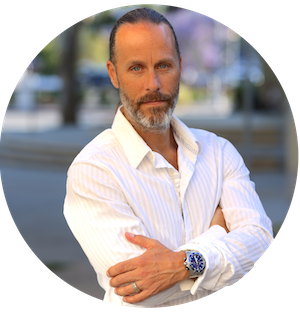
Kevin Anthony is a Certified Sexologist, Tantra Counselor, NLP Practitioner and a Sex, Love & Relationship coach. For over 10 years he has worked with men, women, and couples to have the relationships of their dreams, and the best sex of their lives! He is also the host of “The Love Lab Podcast”, creator of the popular YouTube channel Kevin Anthony Coaching, and creator of the popular online course series “Power and Mastery” as well as other online courses for both men and women.